REVIEW · BUDAPEST
Budapest All In – Full Day Tour with Lunch & Metro Pass
Book on Viator →Operated by Budapest Urban Walks · Bookable on Viator
One day can still feel like multiple trips. This full-day Budapest highlights loop pairs classic landmarks with smart public-transport routing, so you cover a lot without getting tangled up on your own. The included lunch, dessert, and drinks also make the long day feel worth it, not just like sightseeing marathon fuel.
Two things I really like: your guide keeps you moving with a plan (and helps with the metro rhythm), and the food break is actually part of the experience, not an afterthought. One important consideration: this is mostly a walk-by tour, so several major buildings (like the Opera interiors, Parliament, St. Stephen’s Basilica, and the Great Synagogue) are stops where you typically won’t go inside unless you buy tickets separately.
In This Review
- Key points to know before you go
- Meeting at the Hungarian State Opera: the day’s “center of gravity”
- Price and value: what $204.04 really covers
- The walking reality: how far you should plan to go
- Heroes’ Square to Andrássy Avenue: Budapest’s bold opening moves
- City Park classics: Széchenyi Baths and Vajdahunyad Castle
- Liberty Square, St. Stephen’s Basilica, and the opera-to-royalty contrast
- Parliament, the Danube, and the Chain Bridge: where symbols meet the river
- Jewish Budapest stop: Great Synagogue and respectful pacing
- Castle District momentum: Matthias Church, Fisherman’s Bastion, and Buda Castle
- Central Market Hall break: a food-and-city reset
- Lunch at the restaurant: traditional Hungarian set menu, with drinks
- Who should book this tour—and who might not
- The honest verdict: should you book Budapest All In?
- FAQ
- How long is the Budapest All In tour?
- Where is the meeting point?
- Is lunch included?
- Is a metro pass included?
- Are entry tickets included for all attractions?
- Does the tour run in bad weather?
- Is there an age requirement for alcohol?
- Can I cancel for a refund?
Key points to know before you go
- Metro pass included, with guide-led routing to keep the day efficient
- Lunch + traditional Hungarian dessert + drinks are included mid-tour
- Expect a lot of walking (one guest measured about 9.5 miles) and some hills/stairs
- Many stops are exterior views, so plan separate tickets if you want interiors
- Small group size (max 20) helps you keep your place and ask questions
- Guides like Zoltan, Emese, Fanni, and Odea are often praised for pacing and city stories
Meeting at the Hungarian State Opera: the day’s “center of gravity”
You start at the Hungarian State Opera on Andrássy út (Andrássy Avenue), a perfect launch point because it’s already on the city’s grand boulevard axis. The tour runs about 7.5 hours, starting at 9:00 am, and it loops back to the same meeting point. With a max group size of 20, you’re rarely stuck behind a crowd for long stretches.
The big practical win here is how the day is designed around getting across town. The tour emphasizes transit—metro and trams are part of the flow—so you’re not burning energy just to move between neighborhoods. On rainy days, the approach matters even more; the tour is set up to keep going rather than pause for weather.
If you’re choosing a tour guide for your comfort level, names matter. Several guides have stood out in different groups, including Zoltan, Emese, Fanni, Odea, and one bonus guide named Greg during a lunch moment. You don’t control the guide, of course, but the consistency in how they manage the day is a big reason people recommend this experience.
You can also read our reviews of more tours and experiences in Budapest



Price and value: what $204.04 really covers

At $204.04 per person, this isn’t a bargain-basement walking tour. You’re paying for three things that add up: structured guiding, an included lunch with drinks and dessert, and the metro pass (plus the time-savings of not figuring out transit alone). For one-day sightseeing in Budapest, it’s often the difference between cramming highlights efficiently and getting stuck in “one more stop” fatigue.
Now for the honest part: the price does not mean you’re getting admission to every major interior. Several of the “big-name” stops explicitly aren’t included for entry, including places like St. Stephen’s Basilica, the Hungarian Parliament Building, and the Great/central synagogue. Even for stops marked as free, it’s typically a short visit for views and context rather than a full ticketed experience inside.
So the value math depends on your style:
- If you want a guided overview fast, with food included, this can be a great deal.
- If you want guaranteed time inside multiple landmark buildings, you should expect to add ticket costs and plan extra time.
The walking reality: how far you should plan to go
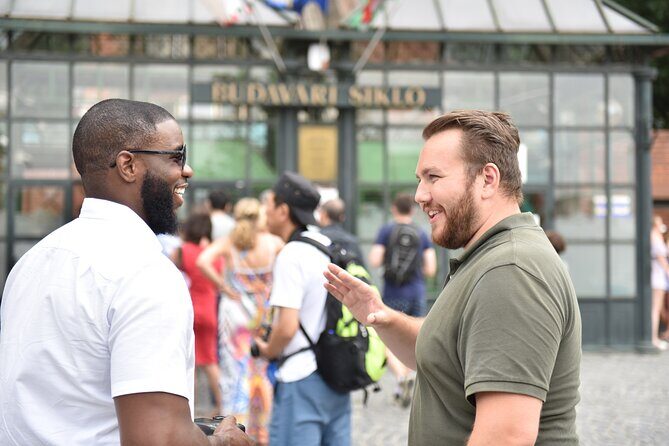
This tour is called all-in, and the “in” is mostly on foot. Even with transit breaks, you should mentally budget for a long day of steps and pavement. One guest measured about 9.5 miles total walking, and that sounds about right for the mix of Pest boulevard sights and Buda Castle District viewpoints.
There’s also vertical terrain. The Castle District—think Matthias Church, Fisherman’s Bastion, and Buda Castle—puts some stairs and hill effort on you. It’s not a technical climb, but it is real. I’d pack this as your “good shoes” day: wear supportive walking footwear and plan for slower moments if needed.
The bright side is that guides can adapt the tempo. Guests reported guides making a long day manageable even with older companions by keeping things at a pace that worked and using public transport for longer stretches.
Heroes’ Square to Andrássy Avenue: Budapest’s bold opening moves
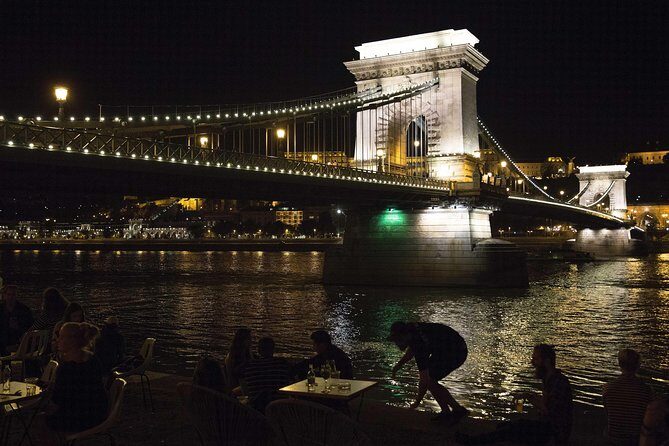
You kick off at Heroes’ Square (Hősök tere), one of the city’s most iconic plazas. The statue complex with the Seven Chieftains of the Magyars sets the tone: this is Budapest presenting itself as a national story, not just a postcard stop. It’s also a helpful way to start because it orients you to the map of the city’s major “axes.”
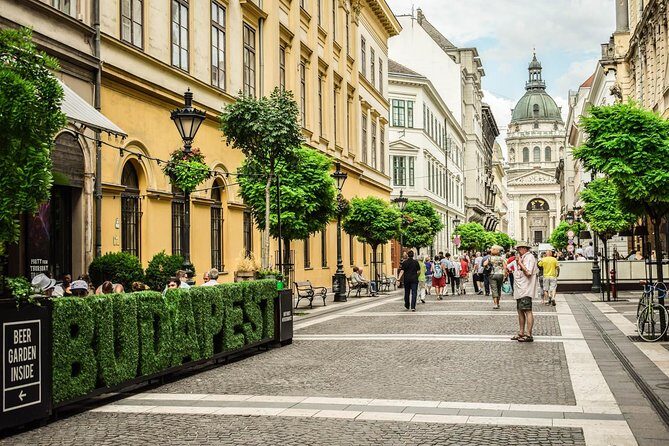
Next comes the boulevard energy of Andrássy Avenue, a UNESCO-listed street since 2002. You’ll see the lineup of neo-renaissance style facades that make this stretch feel like a guided “architecture walk” without overloading you with technical details. The layout matters too: it’s an easy spine for the day’s movement from the cultural center toward the river.
At the Hungarian State Opera House, you’re in the right place to understand why Andrássy Avenue earned its status. Even if you’re not entering, the exterior context helps. You see the building as part of a 19th-century power-and-culture corridor rather than as an isolated photo spot.
Practical note: because entry isn’t the focus at most of these headline sites, I’d treat early stops as look, absorb, take a few photos, then keep moving.
City Park classics: Széchenyi Baths and Vajdahunyad Castle
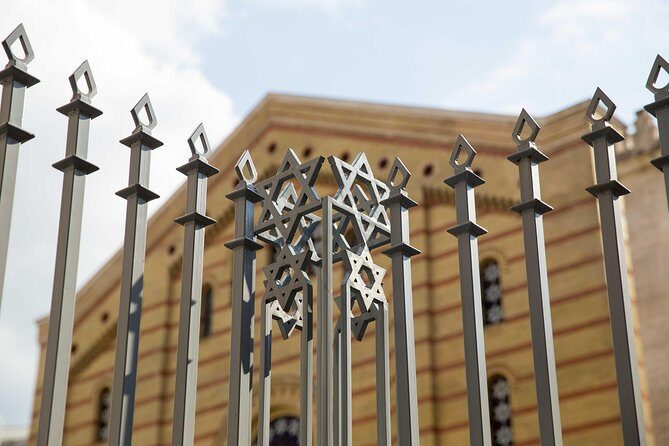
Then you shift to a different kind of Budapest—parks and thermal identity. Széchenyi Medicinal Bath is one of Europe’s largest medicinal bath complexes, fed by thermal springs with very hot water temperatures (around 74°C and 77°C). Even if your visit time is short, the setting itself tells you why locals treat the baths as part of daily life and not just a tourist spectacle.
Time at the baths is brief, so go in with a clear mindset: you’re not coming for a full soak clinic day. You’re coming to see the atmosphere and understand the bath culture before the rest of the day sweeps you on.
Nearby sits Vajdahunyad Castle, built in 1896 for the Millennial Exhibition. The castle look is part fairytale, part architectural history lesson, and it’s an easy stop to enjoy without needing an interior ticket. If it’s sunny, this is a good place to slow down for photos; if it’s rainy, it’s a good landmark to regroup around.
You can also read our reviews of more tours and experiences in Budapest




Liberty Square, St. Stephen’s Basilica, and the opera-to-royalty contrast
As you move from boulevard grandness into the city’s political and religious landmarks, Liberty Square (Szabadság tér) gives you a different kind of “what matters here” moment. It’s a mix of business and residential with big institutions around it, including the US Embassy and the Hungarian National Bank headquarters. It’s the kind of square where you can see everyday city life running beside official buildings.
St. Stephen’s Basilica (Szent István-bazilika) is on the route, and while entry isn’t included, you still get value from the placement. The basilica’s role in the city’s religious identity is easier to grasp after you’ve seen how the tour connects major historical threads—national heroes, culture, and then faith.
My advice for this section: use it as a context stop. Look up, notice the overall structure, then decide later if you want to come back for interior time when you’re on your own schedule.
Parliament, the Danube, and the Chain Bridge: where symbols meet the river
When you reach the Hungarian Parliament Building (Országház), you’re looking at the seat of the National Assembly and one of Budapest’s biggest visual anchors. But entry is not included, so you don’t come here for a guided interior circuit. Instead, you get the key external photo angle and the historical meaning tied to the building’s place in modern Hungary.
Then it’s down to the river for Széchenyi Chain Bridge. This is your “Budapest from the waterline” moment. The bridge connects Buda and Pest, and the tour uses it to show you the city as a split personality—two sides, one urban identity. After you’ve been moving by street all day, the river view resets your perspective fast.
And since the tour includes a major Holocaust memorial, you’ll also see Shoes on the Danube Bank—a Holocaust memorial honoring Jews massacred during World War II. It’s heavy, not celebratory, and it lands best when you take a few quiet minutes and don’t rush past the seriousness of the scene.
Jewish Budapest stop: Great Synagogue and respectful pacing
The Great/central Synagogue (Nagy Zsinagoga / Dohány Street Synagogue) is a must-see landmark in this part of town, but entry is not included. That means your time is focused on exterior appreciation and historical framing rather than stepping inside.
If you care about going in, plan it as a separate add-on on another day (or right after this tour, if the timing works). This tour is good at giving you enough context to know what you’re looking at from the outside.
Then, with Shoes on the Danube Bank on the same general route, you get an emotional geography lesson: Budapest’s architectural grandeur sits beside sites that preserve memory. I like that the tour doesn’t just keep everything cheerful.
Castle District momentum: Matthias Church, Fisherman’s Bastion, and Buda Castle
The day’s most dramatic visual cluster is the Castle District. Matthias Church sits near Holy Trinity Square and the Fisherman’s Bastion area. Even with free access for the stop, the real payoff is the position: you’re in the middle of the Buda skyline story looking out toward the river.
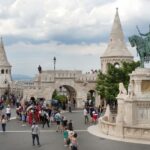
Next is Fisherman’s Bastion (Halászbástya), famous for its terrace viewpoints and the way it frames the panorama. This is where Budapest starts looking like a postcard, but with real walking effort behind it. Take your time here if the weather cooperates; views are the point.
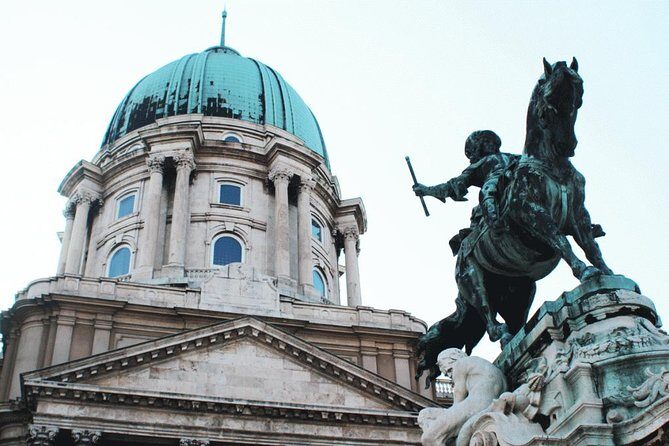
From there, you’ll be at Buda Castle (Budavári Palota), originally completed in 1265 and rebuilt into the large Baroque palace mostly between 1749 and 1769. The complex is marked as free for the stop, which usually means you’re appreciating the space and exterior rather than doing a full interior museum visit during the tour window.
My practical suggestion: treat the Castle District like a photo-heavy zone, but still pace yourself. You’ll likely be climbing and descending, and the reward is worth it if you keep your energy.
Central Market Hall break: a food-and-city reset
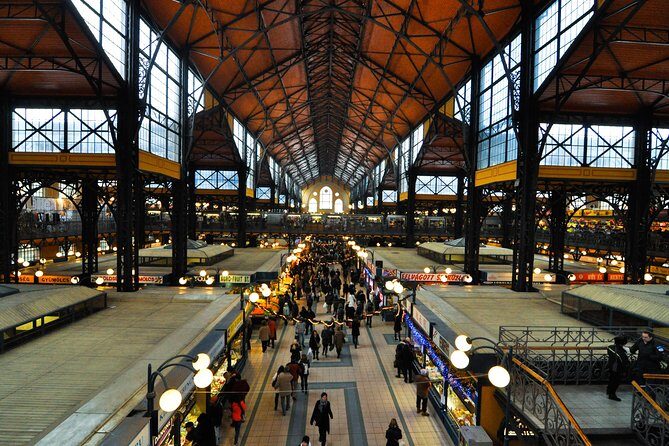
At some point during the walk, you’ll reach Central Market Hall (Nagyvásárcsarnok), Budapest’s largest and oldest indoor market. Even if you don’t do a full market stroll with a shopping mission, it’s a great reset between sightseeing clusters. The idea of the building and its long-running role in city life help you connect the monuments to real daily culture.
This stop is also a smart atmosphere match for the meal you’ll have on the tour: markets and traditional food go together. You’ll get the sense that Budapest isn’t only about architecture and rivers—it’s also about what people buy, cook, and eat.
Lunch at the restaurant: traditional Hungarian set menu, with drinks
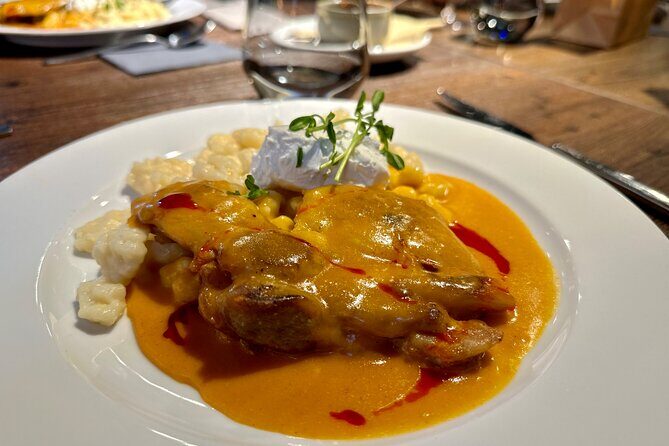
Lunch is a major part of why this tour works. You get lunch, traditional Hungarian dessert, and alcoholic beverages are included too. The tour also highlights snacks and drinks, and the way it’s described suggests you won’t be left hungry or stuck with just a dry sandwich.
One thing to know: the lunch is described as a preset three-course meal, meaning no substitutions. If you have dietary needs, you’ll want to check ahead so you don’t end up disappointed in the middle of a very long day.
Because alcohol is included, there’s a minimum drinking age of 18. If you’re traveling with a teen, it’s good to plan around what they can and can’t get at the table.
Who should book this tour—and who might not
I think this tour fits best if you:
- Have limited time in Budapest and want a guided hit list of the biggest landmarks
- Like learning what you’re seeing, but don’t need guaranteed entry to every museum or church
- Want a built-in meal plan so your day doesn’t fracture into hunting for food
I’d be more cautious if you:
- Care deeply about going inside major sites and want your tickets handled for you. Several key interiors are explicitly not included.
- Are sensitive to long walking distances and stairs. Plan good shoes, take breaks when you need them, and expect hills in the Castle District.
If you’re traveling in a smaller group or with mixed ages, the praised guides suggest this can be doable with the right pace. But if mobility is a concern, I’d treat the walking as the main factor and the transit as helpful—not as a substitute for steps.
The honest verdict: should you book Budapest All In?
Book it if your goal is a one-day orientation to Budapest with an included lunch and an efficient route that prevents “where do we go next?” stress. The combination of metro coverage, guided context, and the fact that you see both Pest and Buda sides makes this a practical choice for first-time visitors.
Skip or plan extra tickets if you want heavy interior time at places like Parliament, St. Stephen’s Basilica, or the Great Synagogue. This is built for seeing and understanding, not for unlocking every building door.
If you do book, do this before you go: decide which interiors matter most to you, then buy tickets for those ahead of time. That way the tour becomes your backbone, not your limitation.
FAQ
How long is the Budapest All In tour?
It runs for about 7 hours 30 minutes.
Where is the meeting point?
The tour starts at the Hungarian State Opera, Andrássy út 22, 1061 Hungary, and it ends back at the same meeting point.
Is lunch included?
Yes. Lunch is included, along with a traditional Hungarian dessert. Alcoholic beverages are also included.
Is a metro pass included?
Yes. The tour includes a metro pass.
Are entry tickets included for all attractions?
No. Some stops are marked as free for the visit, but several major sites are listed as not included, including St. Stephen’s Basilica, the Hungarian Parliament Building, and the Great/Central Synagogue.
Does the tour run in bad weather?
Yes. It operates in all weather conditions, so you should dress appropriately.
Is there an age requirement for alcohol?
Yes. The minimum drinking age is 18.
Can I cancel for a refund?
Yes. There is free cancellation up to 24 hours before the experience starts for a full refund.
If you tell me your travel dates and whether you care more about interiors or views, I can suggest how to pair this tour with the right add-on tickets.