REVIEW · BUDAPEST
Self Guided Tour In Budapest With 100 Captivating Audio Stories
Book on Viator →Operated by Trales Audio Guides · Bookable on Viator
Budapest feels like a movie when your phone talks back. This self-guided 100-story audio tour turns major landmarks into short, place-based scenes you can play at your own pace, with soundscapes and a map that keeps you oriented. I especially like the no-download setup (you start in your browser) and the control to start and stop right when you want. One drawback: it relies on a smartphone with an internet connection and headphones, and it’s not recommended for travelers with hearing impairment.
What makes this experience practical is how it fits into real sightseeing days. You can do a tight 1-hour loop or stretch it toward a full day, hopping between iconic sights like Buda Castle, the Hungarian Parliament Building, and the Danube riverfront. The story length is light enough that you won’t feel trapped, but you still get context while you walk.
If you’re the type who likes landmarks and the stories behind them, you’ll likely find the pacing easy. If you’re expecting a human guide to manage crowd flow and timing, you’ll want a different format since there’s no physical in-person guide included.
In This Review
- Key highlights you’ll care about
- How the web-app audio guide works on Budapest streets
- Timing it: 1 hour sprints vs. 8-hour story marathons
- Stop-by-stop: what each major location adds to your walk
- Buda Castle, Fisherman’s Bastion, and the hilltop viewpoint mindset
- Chain Bridge, Margaret Bridge, and the Danube as your walking timeline
- Hungarian Parliament Building and the “big-picture” squares
- St. Stephen’s Basilica and why timing your entry matters
- Margaret Island and a quieter break from city speed
- Great Market Hall: when food history helps you travel better
- Andrássy Avenue and the “elegance” corridor feel
- Synagogue stop: Dohány Street (Nagy Zsinagóga)
- Libraries, universities, and the “quiet monuments” route
- Railway stations as architecture lessons
- City squares and city politics in small doses
- Underground and spiritual stops: Gellért Hill Cave and Gül Baba’s Tomb
- Extra time options: parks, bridges revisited, and small detours
- Price and what $3.62 buys in real sightseeing value
- Who this self-guided audio tour is best for
- Should you book this Budapest audio tour?
- FAQ
- What language is the audio guide available in?
- How long does the tour take?
- Do I need to download an app?
- What do I need to bring?
- Is offline access included?
- Are the stops free to access?
- Is there a guide with you in person?
- Is the tour suitable for hearing impairment?
- Where does the tour start and end?
- What is the cancellation policy?
Key highlights you’ll care about

- No downloads needed: start from a web link in your browser with your phone and headphones
- 100 location-based audio stories tied to real streets and sights
- Flexible timing (1 to 8 hours) so you can do a quick highlights run or a longer route
- Major Budapest landmarks included across Buda, Pest, squares, churches, bridges, and libraries
- Mobile ticket + map to help you navigate without complicated setup
- English audio and place-based stops with estimated time on site
How the web-app audio guide works on Budapest streets

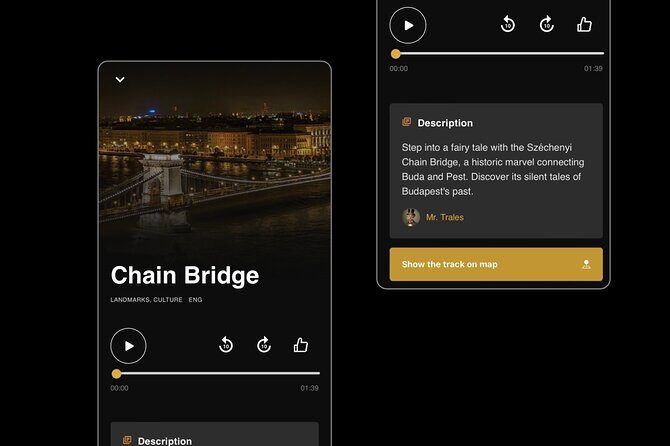
This experience is run by Trales Audio Guides, and the big idea is simple: use your smartphone plus internet, then follow a map to the next location-based story. You don’t install an app or download content first, which matters in Budapest when your phone storage is already under pressure.
When you arrive at a stop, you activate the audio through a one-step link and press play. Each location is designed to take about 10 to 20 minutes, which is a sweet spot for real walking breaks and quick photo stops.
You’ll want to bring your own headphones (and a charger if you can). Without offline access, poor cellular coverage can slow you down—so if you’re traveling with low-signal data, plan for occasional pauses.
You can also read our reviews of more guided tours in Budapest



Timing it: 1 hour sprints vs. 8-hour story marathons
Budapest sightseeing gets heavy fast. This format helps because you can treat it like audio “chapters” rather than one long guided walk.
- If you have 1 to 2 hours, pick a tight route around central sights and the Danube highlights.
- If you have half a day, mix a few landmarks with a café break near major squares.
- If you have most of the day, expand across bridges and then work your way up toward hilltop views.
You also get the freedom to start and stop your journey at any place. That’s useful if you arrive late, want to detour to a specific building, or decide you’d rather linger somewhere without losing the thread.
Stop-by-stop: what each major location adds to your walk
Below is how I’d think about the stops and why they’re worth your time. Some are easy “see-it-now” photo moments; others reward a short pause because the story gives you a way to look at what’s already in front of you.
Buda Castle, Fisherman’s Bastion, and the hilltop viewpoint mindset
Start with Buda’s iconic fortress area. At Buda Castle, you’re walking through a setting tied to battles and royalty. Even if you only have time for the story at the main exterior viewpoints, the audio gives you a frame for what you’re seeing: why this part of Budapest mattered, and why it still feels dramatic.
A similar feeling shows up at Fisherman’s Bastion, where the story leans into folklore and the panoramic payoff. Think of this as the moment where you stop walking for a minute and let the city unfold below you.
If you’d like more “lookout energy,” add Gellért Hill and Citadella nearby. These hilltop stops are where your eyes do the work first, and the audio helps you name what you’re seeing.
Practical note: hilltop areas can mean lots of steps. Keep your stories short there, then use the time saved to rest.
Chain Bridge, Margaret Bridge, and the Danube as your walking timeline
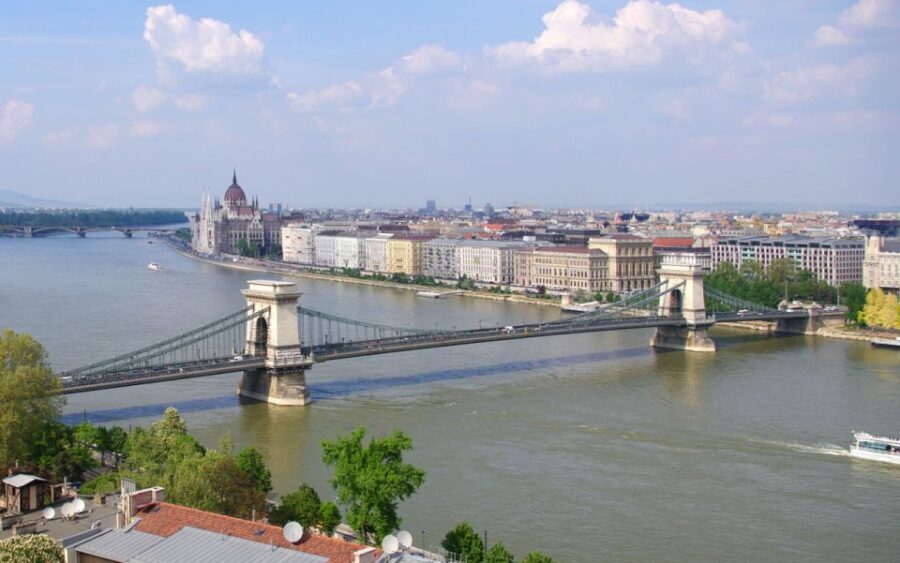
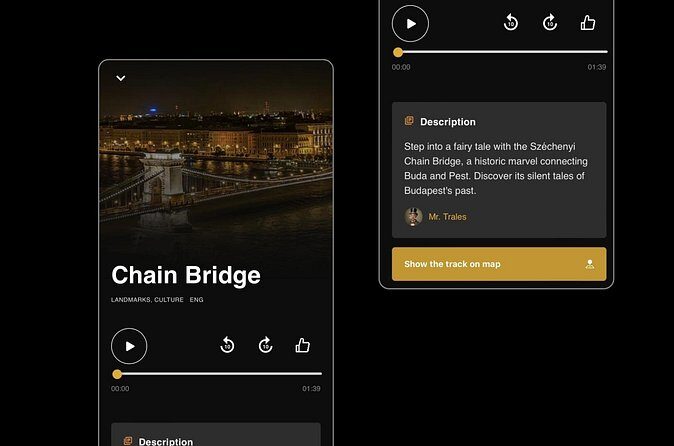
Budapest’s magic is how often you’re looking across the Danube. This tour leans into that. At the Széchenyi Chain Bridge, the story focuses on the bridge as a historic connector between Buda and Pest—so your photos feel less like snapshots and more like a “before-and-after” map.
Then the route keeps that theme going with other bridges:
- Margaret Bridge: a story tied to its distinctive 165-degree design
- Liberty Bridge (Szabadság hid): an art nouveau-style stop where history and myth mingle
- Elisabeth Bridge (Erzsebet Bridge): tied to tragedy and rebirth
- The Danube River promenade itself: opulent hotel-era atmosphere plus a reminder of the long timeline behind the riverfront
- Shoes on the Danube Bank: a memorial with a haunting story you’ll feel even from the sidewalk
For me, the key value here is rhythm. You’re not just passing landmarks—you’re moving through a timeline of Budapest’s identity, with the river acting like the central thread.
You can also read our reviews of more tours and experiences in Budapest






Hungarian Parliament Building and the “big-picture” squares
The audio tour includes a dedicated stop for the Hungarian Parliament Building, presented as a symbol of the country’s past and present. This is one of those locations where you can spend ten minutes and still get a lot, especially if the story explains what the building represents beyond the photo.
Then you shift to another power center: Kossuth Lajos Square and Deák Ferenc Square. These are major junction points and civic spaces, so audio helps you connect what you’re walking through with what those squares mean.
Add Heroes’ Square if you can. The story guides you around the Millennium Monument and explains the 1000th-anniversary angle tied to the Magyar conquest of the Carpathian Basin. Even if you already know the monument name, the story helps you understand why the square is arranged the way it is—framed by major institutions nearby.
St. Stephen’s Basilica and why timing your entry matters
The tour includes St. Stephen’s Basilica (Szent István Bazilika), with an audio story suited for a short stop. One useful detail from the experience context: people have used the included mobile ticket approach to get ahead of lines for church-related entry, and they later wished they had also booked the tower time.
If you’re hoping to combine the basilica with tower views, plan your order early. If you’re only doing the main church exterior/interior story, you can keep it simple and use your time for nearby squares after.
Margaret Island and a quieter break from city speed
If Budapest crowds start to grate, Margaret Island gives you a nature-and-history pause. The audio frames it as a place where history and nature meet, so you don’t just stroll—you listen for what connects the landscape to the stories.
This is a good spot to do a “slow minute.” Take a breath here, then decide whether you want more sightseeing or a longer rest.
Great Market Hall: when food history helps you travel better
At the Central Market Hall, you get a story about the Great Market Hall as a cultural and cuisine hub and a note about the planning behind it. Even if you’re not buying anything, the audio helps you look at the building as more than a shop street.
If you want a real-world payoff: use this stop as your cue to plan where you’ll eat next. The audio gives you the context; then you decide based on what looks good when you’re standing there.
Andrássy Avenue and the “elegance” corridor feel
The tour also includes Andrássy Avenue, described as a Neo-Renaissance treasure of stories and elegance. This is the kind of stop where the buildings pull your eyes upward, but the audio makes it easier to understand why the street carries so much weight in Budapest’s identity.
Pair it with a short walk break. Ten minutes is enough to learn how to look at the avenue without turning it into a long detour.
Synagogue stop: Dohány Street (Nagy Zsinagóga)
Budapest’s Jewish heritage is a major piece of the city, and this experience includes the Great / Central Synagogue (Nagy Zsinagóga). You’ll get the audio story on Europe’s largest synagogue, the grandeur, and the history tied to Dohány Street.
Because this is a significant site, I’d keep your pace respectful and steady. Use the story time as the “warm-up” before you look closely at details.
Libraries, universities, and the “quiet monuments” route
A fun surprise in this tour is how it spreads stories into places you might otherwise rush past.
You’ll find stops for:
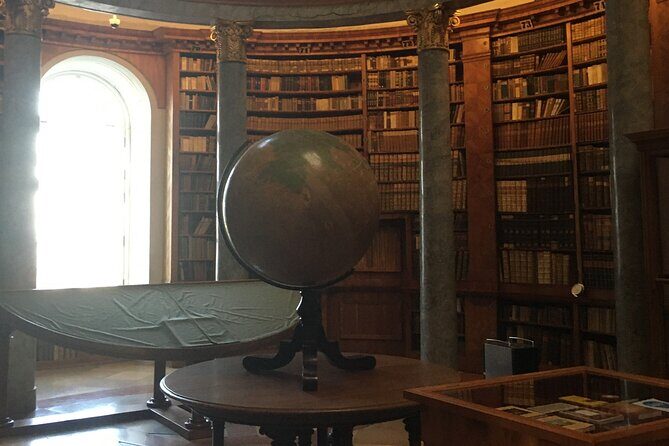
- National Széchényi Library in the Buda Castle area, positioned as a culture and knowledge treasure
- Metropolitan Ervin Szabó Library, described as a library-palace sanctuary of knowledge
- National Archives of Hungary, presented as a historic repository of secrets from the past
- Semmelweis Museum of Medical History, connected to breakthroughs and medical legacy
- Corvinus University, framed as a historic beacon of knowledge
- Hungarian Academy of Sciences, tied to education and progress since 1825
These stops work best if you like context. They’re not only “buildings to see,” but places where Budapest explains itself through institutions.
Railway stations as architecture lessons
Two station stops stand out:
- Nyugati Railway Station Royal Waiting Room, noted for surprising elegance and design
- Budapest-Keleti, included as a striking architectural gem with a railway-history story
Stations are often just transport. Here, they become “stop and notice” architecture moments. If you’re the kind of traveler who always photographs doorways and old public interiors, these are worth your 10-minute story blocks.
City squares and city politics in small doses
You’ll also encounter stories tied to civic landmarks:
- Liberty Statue: the symbol of resilience story
- Vorosmarty Square (Vorösmarty tér): a flip-book of identity since 1812
- Batthyány Square: power and legacy
- Liberty Square: included via a story pointing toward the Hungarian National Bank facade and hidden past
These are short stops, but they help you read Budapest like a political map. The audio adds meaning to what could otherwise feel like busy intersections.
Underground and spiritual stops: Gellért Hill Cave and Gül Baba’s Tomb
If you want variety beyond the big landmarks, this tour includes:
- Gellért Hill Cave, a mystical underground story
- Gül Baba’s Tomb (Gül Baba Türbeje) on steep Mecset Street, mixing spirituality and history
These can be a great “second half” choice when you’re tired of wide-open views. Ten minutes underground or on a steep street can feel like a reset.
Extra time options: parks, bridges revisited, and small detours
Other included stops help fill gaps between big sights:
- Margaret Bridge and Danube River for repeat river views
- Millenáris for a sports-history story around the velodrome track
- Varosligeti Mujegpalya Es Csonakazoto for a seasonal City Park ice-rink experience
- Westend, focused on the rise and fall of the shopping center story
- Újlipótváros, for modern charm and lesser-known corners
These are flexible. If you’re moving fast, skip one or two and focus on what you enjoy most.
Price and what $3.62 buys in real sightseeing value
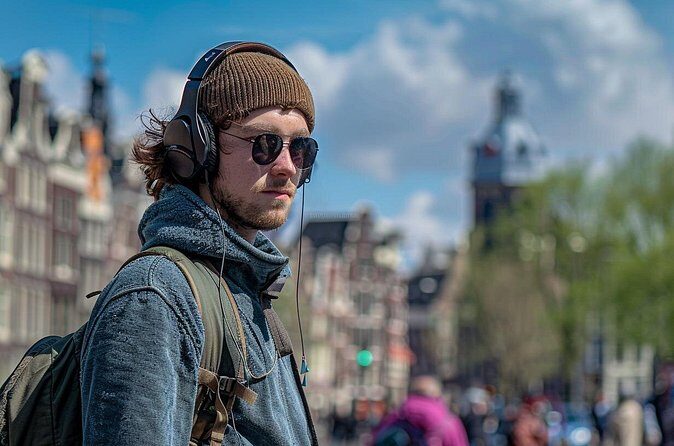
At $3.62 per person, the value comes from one thing: you’re paying for context without paying for full-day guiding costs. You’re also not locked into a single route, since the format supports anything from 1 to 8 hours depending on what you choose to play.
This is also a low-commitment way to taste Budapest’s “story layer.” If you want a guided tour experience for a day, this won’t replace that. But it can absolutely help you get more meaning out of self-guided walking, especially when you’re bouncing between famous spots.
The trade-off is obvious: you must bring a phone, headphones, and rely on internet. No offline. No in-person guide to steer you around crowds or answer questions on the spot.
Who this self-guided audio tour is best for
You’ll like this most if:
- you enjoy walking and want short pauses with context
- you like major sights and also want the “why” behind them
- you’re comfortable navigating with a map and a phone
You might want to skip it if:
- you don’t have reliable internet access
- you need an in-person guide to keep you on track
- you’re looking for a hearing-friendly format (it’s not recommended for travelers with hearing impairment)
If you’re traveling in a group, it’s also listed as a private tour/activity, so only your group participates.
Should you book this Budapest audio tour?
I’d book it if you’re planning to cover a lot of Budapest on foot and you want your landmarks to come with short, story-driven explanations. The combination of 100 location-based audio stories, browser-based start, and a map makes it easy to use without fuss.
Don’t book it if you’re expecting a person to guide you, or if you need offline audio. Also, plan your phone power and internet signal ahead, because the experience depends on them.
If you’re ready to turn “I’m here” into “I understand why it matters,” this is one of the simplest ways to do it at a very low cost.
FAQ

What language is the audio guide available in?
The experience is offered in English.
How long does the tour take?
It runs for 1 to 8 hours (approx.), depending on how many stops you play and how long you spend at each location.
Do I need to download an app?
No. The audio guide is accessed through a web app and you start using a link in your browser, with no downloads required.
What do I need to bring?
You’ll need your own smartphone and headphones. The tour does not include those items.
Is offline access included?
No. Offline access is not included, so you’ll need internet on your phone to use the audio.
Are the stops free to access?
The stops shown in the experience details list Admission Ticket Free for each location.
Is there a guide with you in person?
No. There is no physical in-person guide included.
Is the tour suitable for hearing impairment?
It is not recommended for travelers with hearing impairment.
Where does the tour start and end?
It starts in Budapest, Hungary and ends back at the meeting point.
What is the cancellation policy?
It is non-refundable and cannot be changed for any reason.