REVIEW · BUDAPEST
Comprehensive sightseeing tour
Book on Viator →Operated by Tourist Angel · Bookable on Viator
Budapest rewards slow walking. This private, guided day focuses on the city’s big moments on foot, with pickup to get you moving fast. You’ll bounce between Pest and Buda, hitting Heroes’ Square, the Danube views at Buda Castle and Fisherman’s Bastion, and the sights around St. Stephen’s Basilica.
I really like the mix of major landmarks and stop-by-stop explanations that connect what you’re seeing to Hungarian history and culture. I also love the practical flow: hotel pickup, a meeting point that’s easy to find, and guides who know how to pace a long day. Names like Katalin, Elisabeth, Flora, Dalia, and Noemi come up again and again for good reason—people want a guide who keeps things friendly and fact-heavy.
The main drawback is simple: it’s still a 6–7 hour walking day. Also, a few top buildings are only viewed from the outside, and the interior option at Matthias Church costs extra.
In This Review
- Key Things You’ll Notice Right Away
- Why This Budapest Highlights Walk Works in One Day
- Getting Started at Szent István tér: Pickup and Meeting Point You Can Find
- Heroes’ Square and the Millennium Monument: Hungarian Pride in Stone
- City Park and Vajdahunyad Castle: A Photo Spot With Real Architecture Clues
- Szechenyi Baths From the Outside, Then Andrassy Avenue’s Metro Secret
- Opera House Exterior and St. Stephen’s Basilica: The Church Stop That’s Actually Timed
- Szabadság tér and Kossuth Lajos Square: Monuments With Meaning, Not Just Stone
- Hungarian Parliament Building and Buda’s Side of the Danube Story
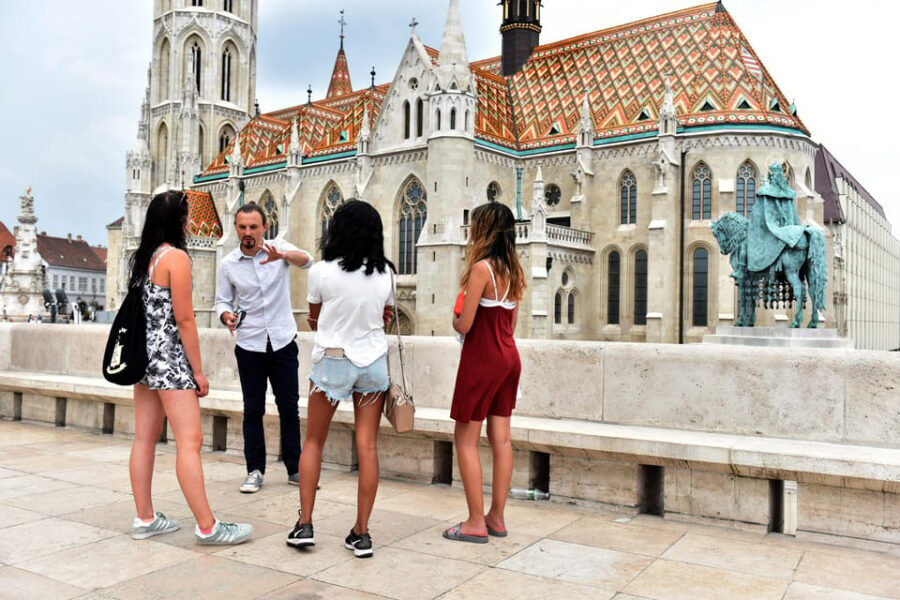
- Fisherman’s Bastion and Matthias Church Area: The View, the Style, and the Optional Interior
- Matthias Church Inside: When the Extra Ticket Is Worth It
- Price and Value: What $144.18 Buys You in Real Terms
- Tips to Make the Day Feel Easy (Not Like a March)
- Should You Book This Budapest Tour?
- FAQ
- How long is the tour?
- What’s included in the ticket price?
- Is entry included for all the sights?
- Do I need to pay for lunch and transport during the tour?
- What should I wear for church visits?
- Is free cancellation available?
Key Things You’ll Notice Right Away
- Pickup that saves time: you start with fewer detours and less guessing where to meet.
- A foot-friendly route across Pest and Buda: you get close-up views instead of just riding past.
- Big-symbol landmarks in the right order: Heroes’ Square, then the Millennium Monument, then castle-area panoramas.
- Architecture stops beyond the usual selfies: Vajdahunyad Castle, Andrassy Avenue, and the Metro line 1 stations.
- Clear ticket boundaries: St. Stephen’s Basilica is included, while Matthias Church interior is optional.
- A guide who can set the pace: small-group energy, with room for questions and adjustments.
Why This Budapest Highlights Walk Works in One Day
Budapest can feel split in two. This tour is built around that reality: you tour Pest’s grand squares and iconic streets, then cross into Buda for castles, terraces, and the Danube panorama. Instead of cramming random stops, the route connects neighborhoods so your “where am I?” questions turn into “oh, that’s why this matters.”
What makes it click is the walking-first mindset. You see Heroes’ Square up close, you get a real sense of scale at Vajdahunyad Castle in City Park, and you stand where people actually look out over the river. Even stops that are shorter—like passing key facades—help because the guide frames what you’re looking at.
If you’re short on time and want a first-day orientation that still feels personal, this is the kind of day that helps you plan the rest of your trip.
You can also read our reviews of more tours and experiences in Budapest.



Getting Started at Szent István tér: Pickup and Meeting Point You Can Find
The meeting point is Budapest, Szent István tér 4, 1051 Hungary. The tour also offers hotel pickup and drop-off (by public transport or by car, depending on the selected option), and there’s no extra fee for that service.
In practice, pickup matters because it protects your energy. A day like this has lots of moving parts, and the fastest way to enjoy it is to remove friction at the start. If you request pickup at your accommodation, the guide meets you at the reception desk or right in front of the address.
You’ll also have a mobile ticket, which keeps the morning simple. The tour runs in all weather, but do bring layers—church stops mean you’ll want clothing that works for indoor entry and outdoor walking.
Heroes’ Square and the Millennium Monument: Hungarian Pride in Stone
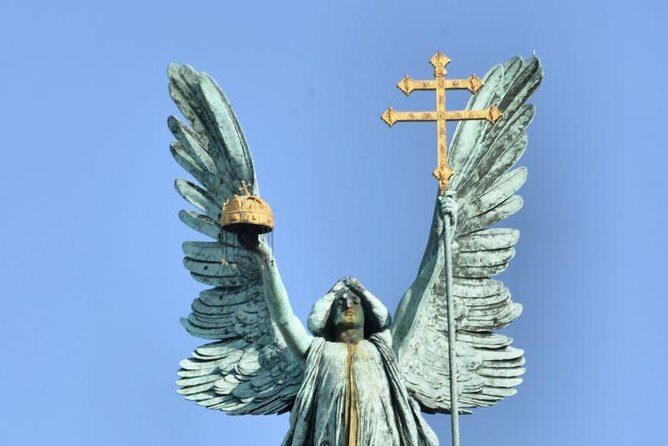
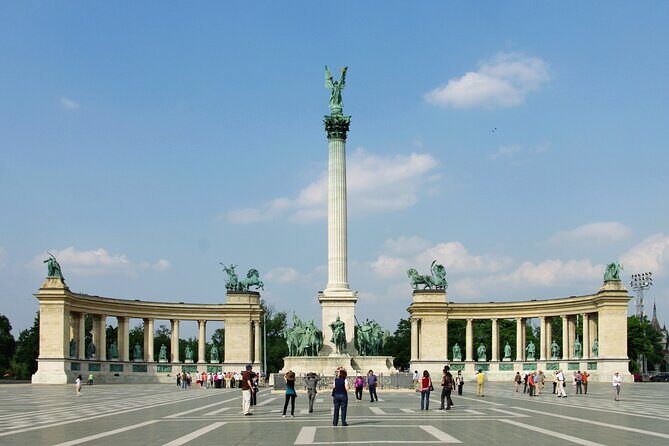
You begin at Heroes’ Square, the largest square in Budapest. In the middle, you’ll spot the Millennium Monument. Along the sides sit the Arts Hall and the Fine Arts Museum—big institutional buildings that signal how public art and national identity get tied together here.
Next, you focus on the Millennium Monument itself. It commemorates 1,000 years of Hungarian history, with the grave of the unknown heroes in front. Around the colonnades are statues of major kings and leaders. This is one of those stops where you don’t just admire the shape of the monument—you learn how symbolism works in Hungarian storytelling.
The time is short (around 10 minutes each for the square and monument), so you’ll want to use it efficiently: look, listen, and ask one question you care about. If you’re the type who likes context, this is where your guide earns their keep.
City Park and Vajdahunyad Castle: A Photo Spot With Real Architecture Clues
From Heroes’ Square, you move toward City Park, which the tour describes as the oldest public park in the world. You’ll cross a bridge to reach an island on the lake, where Vajdahunyad Castle sits.
Don’t expect one single “castle style.” The courtyard is surrounded by copies of buildings representing different Hungarian architectural periods and styles. That makes this stop more interesting than a typical “stand and take a picture” viewpoint. You can start matching shapes and motifs as you walk around.
There’s also a quick stop for the Anonymus statue in the castle courtyard—Anonymus is described as the first history writer of Hungary, living in the 12th century. Even in five minutes, it adds a human thread: history isn’t just dates; it’s people trying to record the past.
Szechenyi Baths From the Outside, Then Andrassy Avenue’s Metro Secret
You pass by the main building of Széchenyi Baths, often called the largest thermal bath of Europe. You won’t linger inside here, but the tour gives you an outside perspective—windows, outdoor pools, and the sense of what it feels like to be in a major bath complex.
Then you shift to a major walking corridor: Andrassy Avenue. It’s described as a 2-mile historical thoroughfare, and it’s worth treating like an architecture walk, not just a transit path. Here’s the fun detail: the Millennium Subway (Budapest Metro line 1, built in 1896) runs under the avenue, and its original stations are preserved. That’s the kind of fact that makes the street feel layered—old infrastructure under modern city life.
For me, this is the sweet spot between “landmark tourism” and “learning how the city grew.” You get to look up at grand buildings while your guide connects them to transportation and urban design.




Opera House Exterior and St. Stephen’s Basilica: The Church Stop That’s Actually Timed
The tour includes a brief stop at the Hungarian State Opera House (Magyar Állami Operaház), where you learn about its history, architecture, and artworks. Admission to the opera house isn’t included, so consider this a focused look from the outside and a chance to get the backstory.
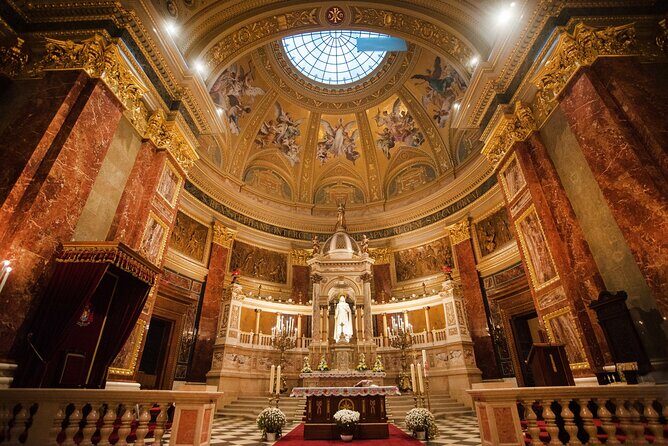
Then comes the big church visit: St. Stephen’s Basilica (Szent Istvan Bazilika). You’ll spend about 30 minutes here, and entry is included—with one exception: the tour notes the Basilica is open every day except Sunday morning religious services. That’s a useful heads-up when you plan which day to book.
This is the sort of stop where your guide’s narration makes the building feel alive. The tour highlights statues and frescoes, plus the mummified right hand of Hungary’s first king (as described in the tour overview). Whether or not you’re into church art, the “what you’re seeing and why it matters” element is the reason this stop works.
Szabadság tér and Kossuth Lajos Square: Monuments With Meaning, Not Just Stone
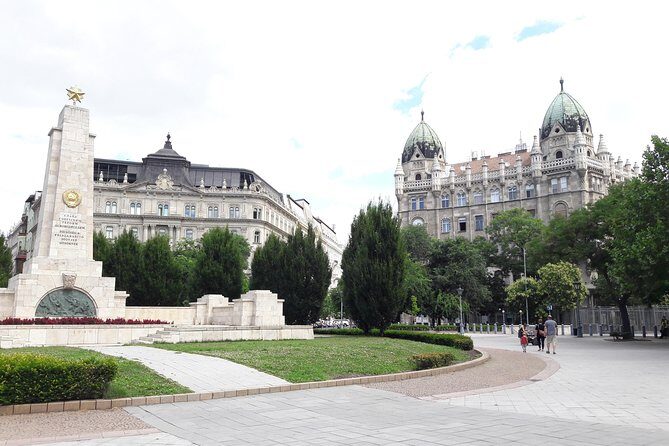
Next up: Szabadság tér. Here you’ll see dramatic monuments connected to the Nazi and Soviet occupations and the dictatorships that followed. If you’ve been looking at Budapest as a postcard city, this stop changes the tone—quietly, but clearly.
During the warm season, the tour also notes a fountain here. Even with a short time (around 15 minutes), that seasonal detail can matter for photos and atmosphere.
Then you move to Kossuth Lajos Square for memories of Hungarian freedom heroes and the 1956 revolution against the Communist dictatorship. This is a key political chapter, and it pairs well with the architectural gravitas you’ll see later at the Parliament area. The tour doesn’t try to do everything in one stop—it focuses on what you’re standing in front of, and that keeps the story from feeling like a lecture.
Hungarian Parliament Building and Buda’s Side of the Danube Story
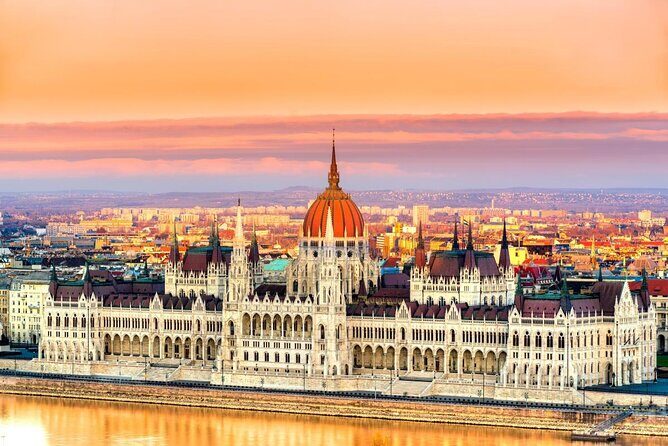
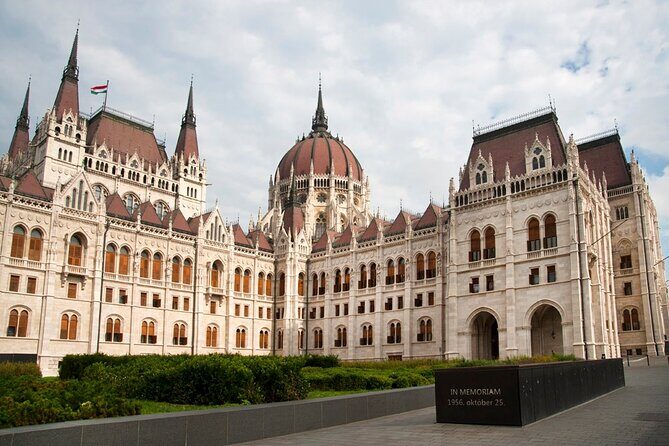
You’ll admire the Hungarian Parliament Building from outside. Ticketed entry isn’t included, and the stop is around 10 minutes, but the building’s scale alone makes it worth the photo time.
Then you cross the Danube to Buda Castle. You’ll explore the panoramic terrace of the Royal Palace, which is where the city view really starts to click. This is also the moment when Budapest stops feeling like separate neighborhoods and starts feeling like one connected city across the river.
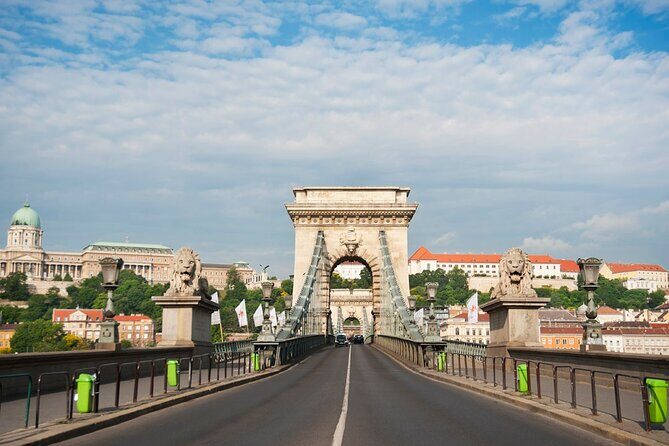
One practical note: the tour info mentions the iconic bridge was under renovation in the 2021–2022 window. If you travel during a period when major crossings are affected, you might see route changes, but the core “get to the castle viewpoint” goal stays.
Fisherman’s Bastion and Matthias Church Area: The View, the Style, and the Optional Interior
After the Royal Palace terrace, you head to Fisherman’s Bastion. Expect quick time (about 10 minutes) but big payoffs: panoramic views over the Danube and toward the Hungarian Parliament building. This is the classic angle for a reason, yet you’ll still get more out of it if your guide points out what to look for in the city layout.
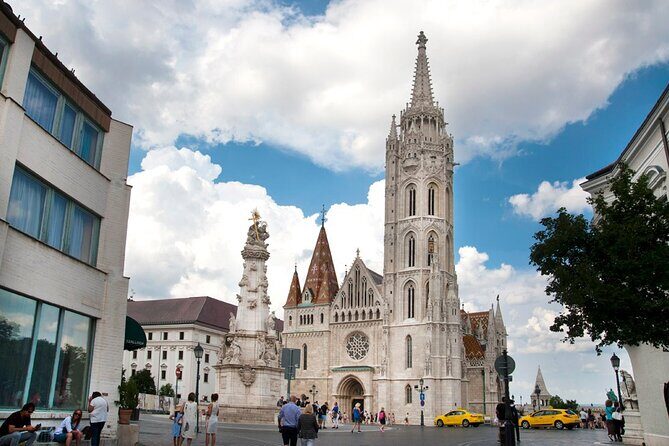
Next is Matthias Church (from the outside). You’ll walk around the church area built in the Middle Ages in Gothic style, with a short stop. The tour also offers an optional interior visit if you want it. If you choose that on request, the inside visit is about 30 minutes and costs an extra 5 EUR per person; the tour guide is included with the guided visit.
That “optional but guided” structure is smart. If your day already feels full, you can keep momentum. If you love interiors and details, you can go in without guessing how to time it.
Matthias Church Inside: When the Extra Ticket Is Worth It
The optional Matthias Church interior is a good “choose-your-own-adventure” moment. If you’re the kind of traveler who likes stepping into one landmark deeply rather than touching every stop lightly, the extra 30 minutes can be exactly what turns a highlight day into a memorable one.
Just keep your expectations aligned: the base tour still gives you time for the exterior walk and the surrounding sights. So this optional add-on is not mandatory, and you shouldn’t feel pressured if you’d rather enjoy the outdoor views from the bastion area.
Price and Value: What $144.18 Buys You in Real Terms
At $144.18 per person for about 6–7 hours, the price only makes sense if you’re using the tour as intended: a guided day that prevents wasted time and gives you context while you walk. You’re not just paying for transportation between famous places—you’re paying for a professional, licensed guide plus included entry to St. Stephen’s Basilica.
Other included value points add up too:
- Hotel pickup and drop-off (public transport or car, based on the option)
- A private tour setup where it’s only your group
- The option of a one-hour lunch break (which may be excluded from the tour duration)
What’s not included matters for budgeting. Lunch, public transport tickets, and interior entry options at Matthias Church cost extra. The Parliament and Opera house are also viewed without included entry.
Given that you’re covering Pest and Buda highlights in one day, this is often the type of ticket that saves you energy and helps you avoid turning Budapest into a “fast walk from sign to sign” day.
Tips to Make the Day Feel Easy (Not Like a March)
This tour works best when you plan your body like you plan your route.
- Dress for churches: the tour notes that covering legs and shoulders is required in church areas. That’s not just “polite”—it’s practical. Bring something that works fast in photos and in entry lines.
- Wear shoes built for old streets: your itinerary has you moving across squares, park paths, courtyards, and viewpoints. Comfortable walking shoes are non-negotiable.
- Use the guide for pacing: if you want a steadier speed, say so early. If you want photos, ask when the best pause is.
- Plan lunch smart: there’s an optional one-hour lunch break, but it may or may not count inside your total time. If your day already feels tight, skip it or shorten it.
- Don’t forget transport tickets: if your selected option uses public transport for moving between stops, public transport tickets aren’t included.
And yes, the tour runs in all weather. So if rain hits, quick dry layers and a compact umbrella can save your mood.
Should You Book This Budapest Tour?
Book it if you want a guided way to get your bearings fast across both sides of the river, and you like learning while you walk. You’ll get the most value if you enjoy seeing the big landmarks—Heroes’ Square, St. Stephen’s Basilica, the Parliament area—and then pairing that with viewpoints that show how Budapest fits together.
Skip it if you’re looking for deep museum time, long indoor cathedral hours, or a slow relaxed day with lots of free wandering. This is a “see the highlights and understand them” format, with optional interior add-ons rather than full-ticket museum marathons.
If you’re traveling for the first time, short on days, or trying to avoid the chaos of figuring everything out on your own, this is a strong choice.
FAQ
How long is the tour?
It runs about 6 to 7 hours. There’s also an optional one-hour lunch break, and that time may be excluded from the tour duration.
What’s included in the ticket price?
You get a professional, licensed tourist guide; hotel pickup and drop-off; and entry to St. Stephen’s Basilica. The tour also operates with a mobile ticket.
Is entry included for all the sights?
No. St. Stephen’s Basilica entry is included (except Sunday morning religious service). Matthias Church interior visit is available on request for an extra 5 EUR per person, and the tour notes that some other major buildings are not included for entry.
Do I need to pay for lunch and transport during the tour?
Lunch and other food and beverage are not included, and public transport tickets are also not included. The tour includes pickup/drop-off, but the transport tickets themselves are your responsibility if public transport is used.
What should I wear for church visits?
The tour requests that you cover your legs and shoulders for church areas. This is important for entry and comfort.
Is free cancellation available?
Yes. You can cancel up to 24 hours in advance for a full refund. Canceling less than 24 hours before the start time doesn’t qualify for a refund.