REVIEW · BUDAPEST
Hollókő Ethnographic Village: Day Tour from Budapest
Book on GetYourGuide →Operated by Budapest Day Trips · Bookable on GetYourGuide
A day in Hollókő feels like time travel. This UNESCO Palóc village has been preserved for generations, so you’re not just looking at old buildings—you’re watching traditional rural life keep going. I love walking among the 17th–19th-century peasant houses, and I also love how the village brings Palóc culture into view with residents, costumes, crafts, and song.
That said, plan for a possible drawback: the day can depend on what’s scheduled on the ground (performances and museum hours). When everything lines up, it’s magical; when it doesn’t, you may spend more time touring quieter streets and less time seeing shows.
In This Review
- Key things that make this day trip worth your time
- Hollókő: a UNESCO Palóc village preserved since 1987
- Getting out of Budapest: pickup choices and an 80-minute coach ride
- Entering the peasant houses from the 17th–19th centuries
- Palóc costumes, folk dance, and watching crafts in motion
- Museums: Palóc Folk Museum, Village Museum, and the Doll Museum
- Lunch in the Palóc way and regional food stops
- Timing matters: Easter programs and occasional Palóc weddings
- Price and logistics: what $681 for up to 6 really buys you
- Who this Hollókő day trip suits best (and who should adjust expectations)
- Should you book this Hollókő tour?
- FAQ
- How long is the Hollókő day tour from Budapest?
- Where do pickups happen in Budapest?
- What does the tour include?
- How long is the coach ride?
- What languages is the live guide available in?
- Is the tour wheelchair accessible?
- How many people are in a group?
- What do I need to bring?
- Is there free cancellation?
Key things that make this day trip worth your time
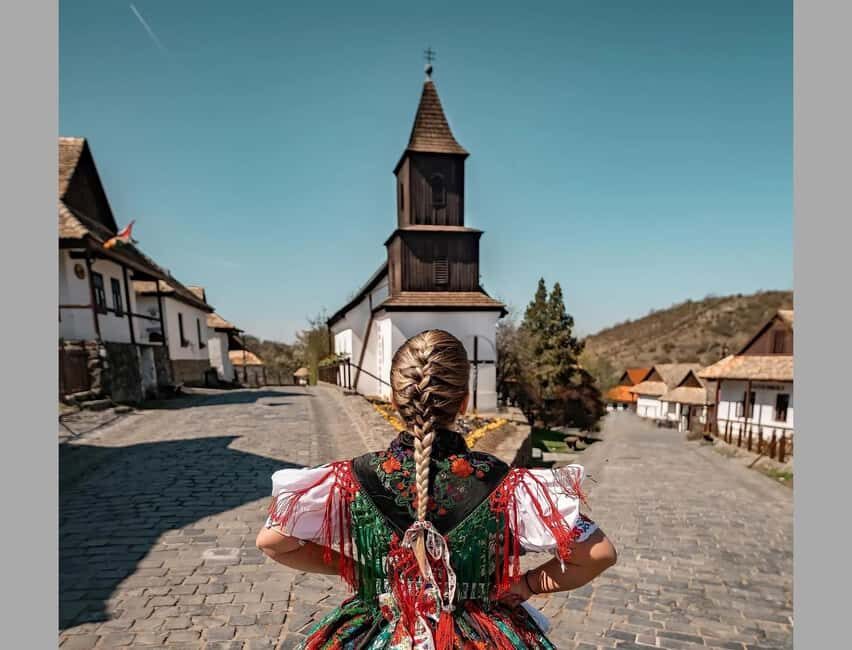
- UNESCO-protected village feel: Hollókő has 67 protected buildings and 400 residents, so it’s not a theme park.
- Peasant houses from the right era: Expect homes from the 17th–19th centuries, built to match traditional village life.
- Meet the Palóc community: You’ll see their distinct dialect traditions and typically get to observe daily culture in action.
- Crafts and folk dance: Watch craftsmen at work and enjoy a folk dance with music.
- Museums with standout content: The day includes the Village Museum and the Doll Museum, plus entry into the Palóc Folk Museum.
- Best timing: Easter (when offered): There can be special Easter programs and sometimes colorful Palóc weddings.
Hollókő: a UNESCO Palóc village preserved since 1987
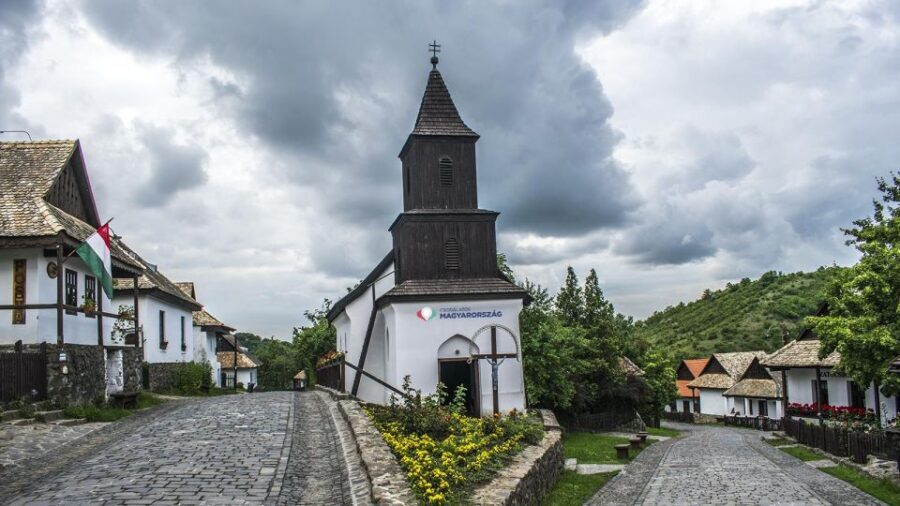
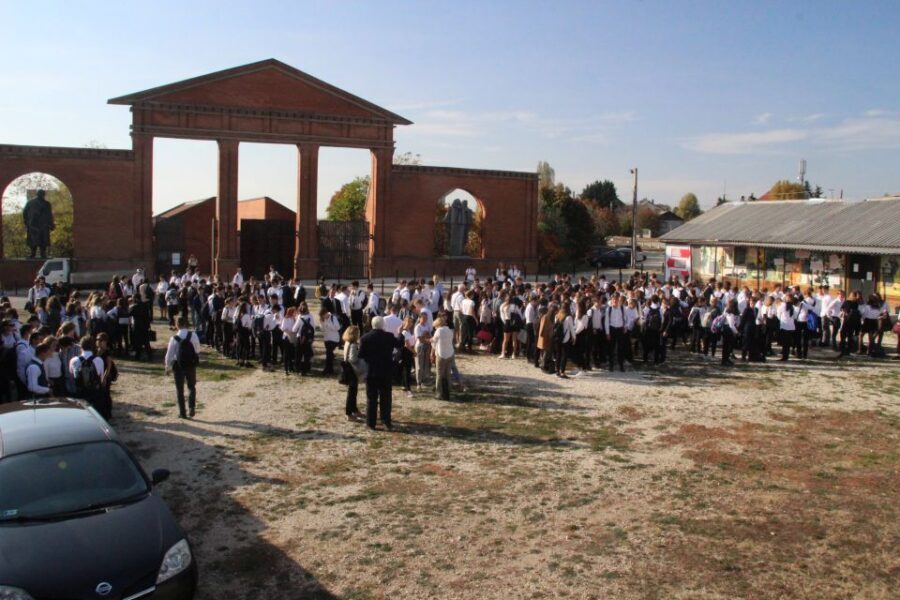
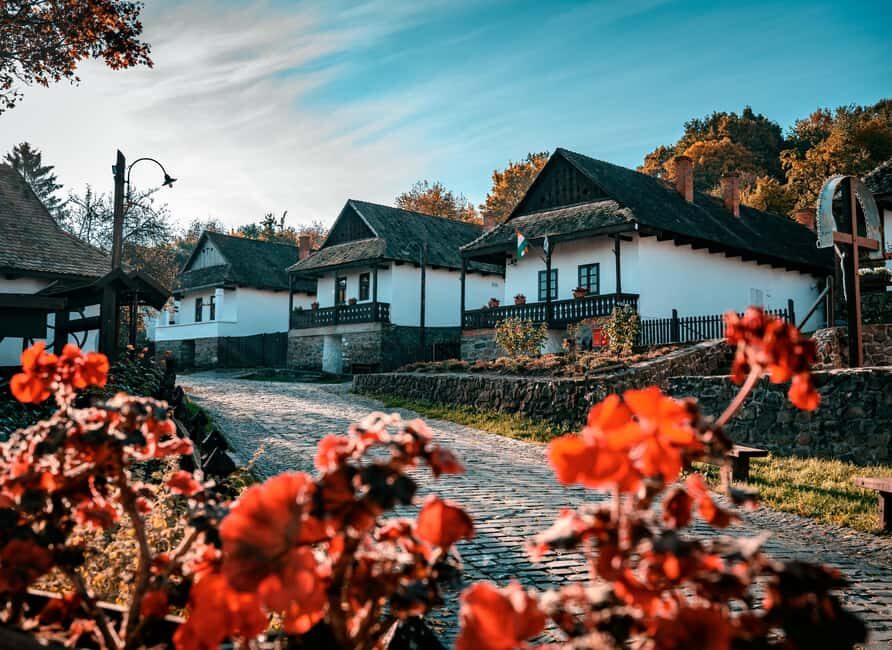
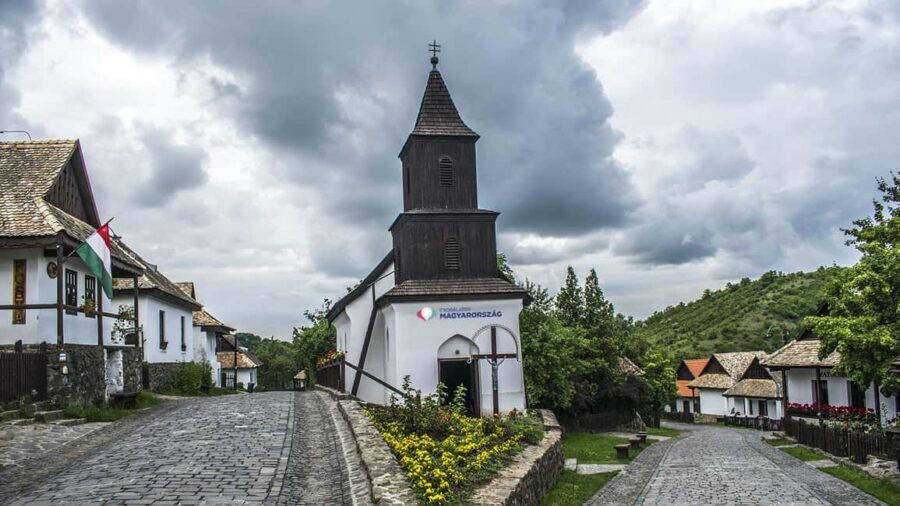
Hollókő became a UNESCO World Heritage Site in 1987, and the whole point is clear the moment you arrive: this is a living village that has been deliberately preserved. It’s not about a few restored storefronts. It’s about a traditional settlement where rural life before the big agricultural changes of the 20th century is still visible in daily rhythm, homes, and customs.
What makes it especially interesting is scale. The heritage zone includes 67 protected buildings, and the village is home to about 400 residents who are Palóc. Their culture isn’t just costumes for tourists. The Palóc community has its own dialect and keeps folk traditions, crafts, songs, and very colorful folk clothing. If you’re the type of traveler who likes heritage that’s still used, not just displayed behind rope, Hollókő is built for you.
I also like the “deliberately preserved” approach. You don’t feel like you’re chasing an idealized movie set. Instead, you’re moving through a real village where old structures still matter and people still live with them.
You can also read our reviews of more tours and experiences in Budapest.



Getting out of Budapest: pickup choices and an 80-minute coach ride
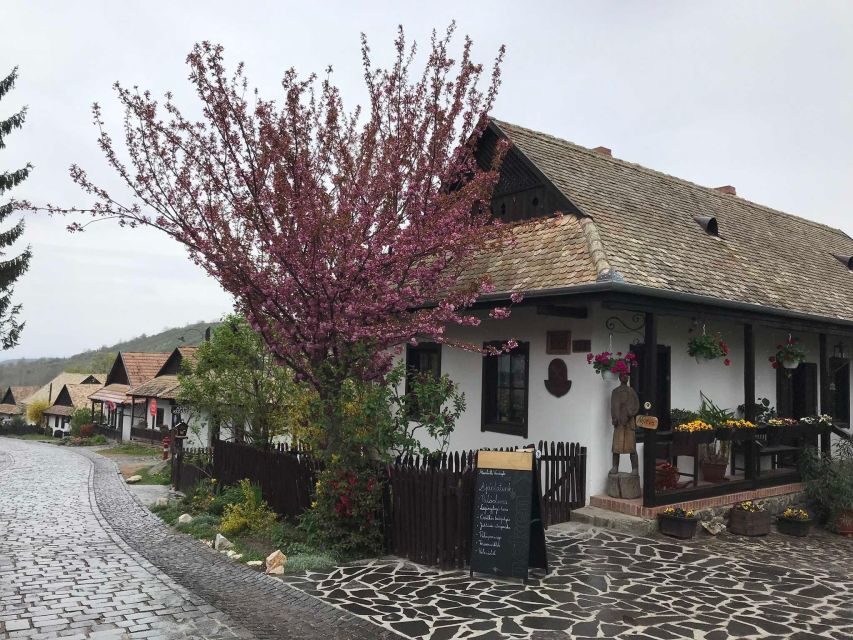
This tour runs as an 8-hour day trip, with about 80 minutes by coach each way. That travel time is worth factoring into your expectations. You’re not stepping off a train and immediately entering a time capsule—you’re dedicating a chunk of your day to getting there and back.
The good news is the pickup is thoughtfully flexible. You can start from one of three central meeting points: Király Street, Széchenyi Tér, or Deák Ferenc tér. You’ll also be dropped back at one of those locations after the tour. For me, that’s a big value point. It reduces the “lost time” that can happen when you have to arrange separate transport or hunt for a far-off meeting spot.
Because this is a private group, you’re not packed in with a large crowd. Still, it’s a full-day outing, so wear comfortable shoes and be ready for walking on uneven village paths.
Entering the peasant houses from the 17th–19th centuries
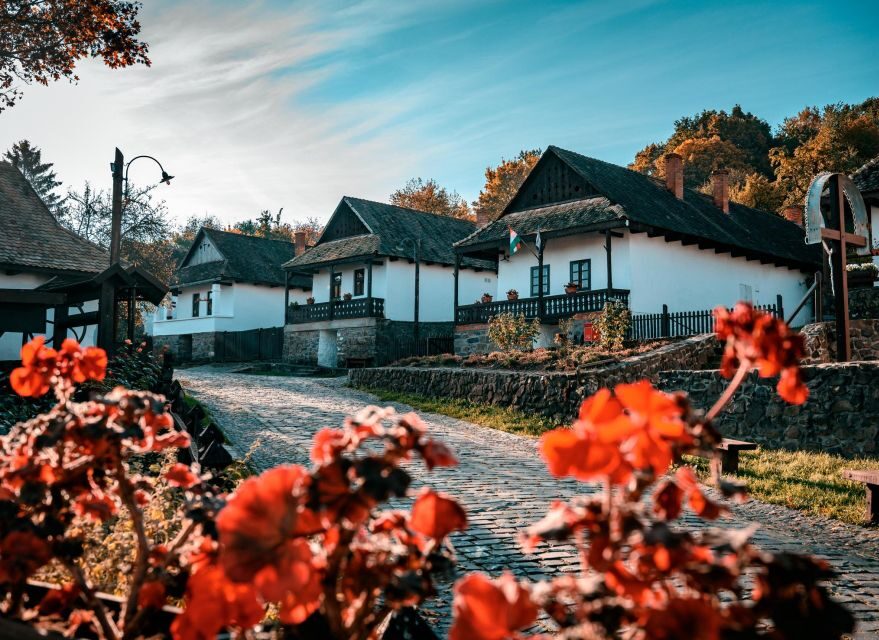
Hollókő’s signature is the character of the buildings. The heritage site is famous for its peasant houses from the 17th–19th centuries, and you’ll spend time exploring the preserved rural village layout. In practical terms, this means you can read the village like a map: house shapes, yard spaces, and the overall street pattern all help explain how the Palóc community lived.
What I love here is how visual the culture becomes without needing a lecture. The homes don’t just look old. They reflect a way of life built around rural work, household rhythms, and community knowledge passed down across generations.
A realistic consideration: the village streets can feel more like a working neighborhood than a perfectly scrubbed photo set. That’s not bad—it’s authentic. But it can affect how “instant postcard” your pictures look, especially if modern vehicles appear along the roads on the day you visit.
Palóc costumes, folk dance, and watching crafts in motion
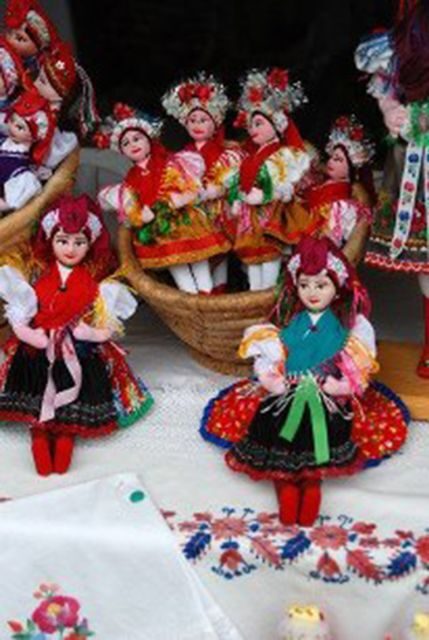
Hollókő isn’t only architecture. One of the main reasons people book this tour is the chance to experience Palóc culture as something you observe in real time.
On your visit, you can expect:
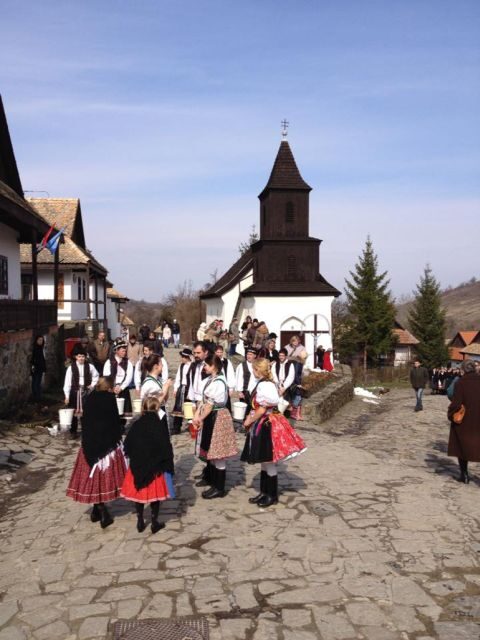
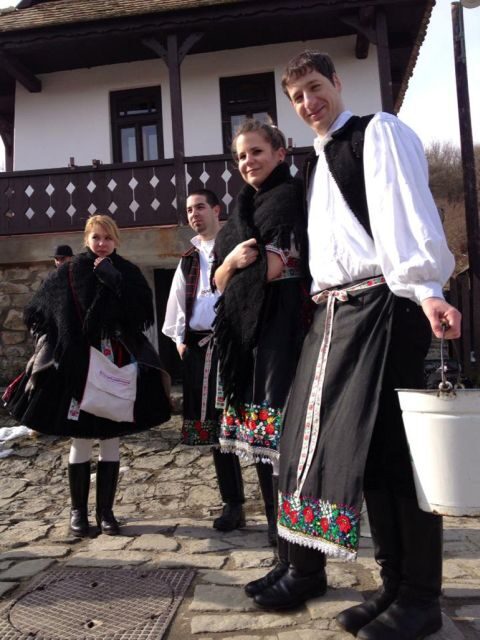
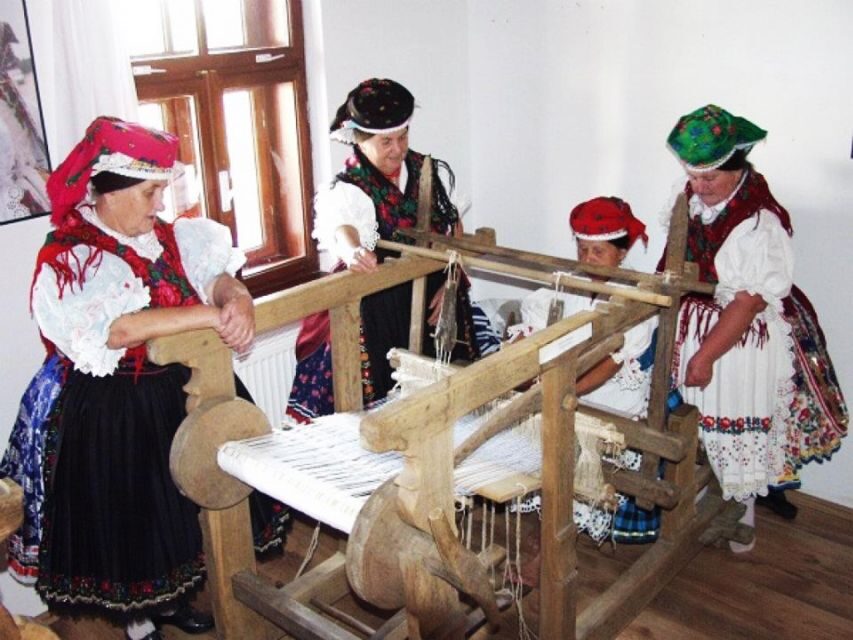
- meeting residents in Palóc costumes
- watching craftspeople at work
- seeing a folk dance, typically paired with live music
In at least one memorable experience, the performances felt like the highlight of the day, with live music and dancers in traditional clothing from different Hungarian regions. Even better: that same day stood out because children were also visible in the cultural scenes, which can make the village feel more human and less staged.
That’s the upside. The downside is also worth saying plainly: cultural demonstrations and costume moments can be schedule-dependent. You might get a strong show of traditions, or you might get a quieter walk with fewer performances happening at the exact times your group arrives. The village still has real heritage, but your personal emphasis—dance and performances versus buildings and museum content—could shift.
Museums: Palóc Folk Museum, Village Museum, and the Doll Museum
Your tour includes time in museums, and this is where the day can turn from “walk around outside” to “meaningful cultural context.” You’ll get entry into the Palóc Folk Museum as part of the included features. You’ll also visit the Village Museum and the Doll Museum during the day.
Here’s how I’d think about it for planning:
- If you want the cultural background and explanations, spend extra attention on the Palóc Folk Museum since entry is included.
- If you want something fun and unusual, the Doll Museum is the standout add-on for many visitors because it’s quirky in a good way and tends to pull you into craftsmanship and detail rather than just general themes.
- The Village Museum helps bridge the idea of “this is a preserved village” with the lived reality behind it, so you understand what you saw while you were walking.
A note for expectations: museum opening hours and what’s on view can affect your experience. I’ve seen both ends of the spectrum on trips like this—days when the museum stops feel like anchors, and days when some spaces are less available. If you’re the type who hates losing time to closed doors, I’d treat the museum portion as important and try to build your mood around flexibility.






Lunch in the Palóc way and regional food stops
Food is a smart part of any heritage day trip, because it gives you a different channel for culture. This tour includes a lunch stop where you’ll taste regional food made in the Palóc way.
One reason food time can be a win here is variety. Depending on what’s offered on your visit day, you may find multiple booths or small food options rather than one rigid lunch format. I’d also keep this in your mind: on a heritage village day, hunger is a bigger factor than usual, because you’ll be walking and staying on schedule.
Practical tip: if you’re a slow eater or you like browsing before you sit down, give yourself a little buffer during lunch so the group doesn’t pull you along before you’re ready.
Timing matters: Easter programs and occasional Palóc weddings
If you can choose your dates, Easter is often the best time to visit Hollókő. The tour notes special Easter programs and traditions, and there can also be colorful Palóc weddings at times.
This is more than just “seasonal interest.” It changes the feel of the village. When traditions are running, you’re more likely to see additional costumes, performances, and scheduled cultural moments that connect to why these preserved buildings still matter to the community.
If Easter is on your travel calendar, you’ll want to ask the operator about what’s running during your specific dates. The tour info suggests there are sometimes special offers tied to these events, so it’s worth checking in advance rather than assuming every departure day has the same atmosphere.
Price and logistics: what $681 for up to 6 really buys you
The price is listed as $681 per group up to 6, for an 8-hour day trip from Budapest. That sounds steep at first—especially if you compare it to low-cost group buses—but the structure changes the math.
If you book as a full group of 6, you’re roughly paying about $113 per person for:
- hotel pickup
- transportation (including the coach ride)
- a live guide
- entry into the Palóc Folk Museum
That can be decent value for a private-group experience with built-in guidance. A guided day matters here because Hollókő’s appeal is partly interpretive. You’ll get more meaning from the architecture and traditions when someone is explaining what you’re seeing and where to focus your time.
If you’re only booking as 2 or 3 people, the per-person cost rises fast. In that case, ask yourself what you’re really paying for:
- Do you want a private, guided day with pickup and a set route?
- Or would you rather travel independently and pay only for what you choose to see?
One more practical thing: included entry is specifically Palóc Folk Museum. The Village Museum and Doll Museum are on the day plan, but the provided details don’t explicitly say their admissions are included. Before you go, it’s smart to confirm what’s covered so you don’t get surprised by extra tickets if you’re counting on everything being included.
Who this Hollókő day trip suits best (and who should adjust expectations)
This tour is a strong fit if you:
- want a guided introduction to Palóc rural heritage
- enjoy seeing traditional culture through people, costumes, crafts, and dance
- like UNESCO sites where the “world heritage” label actually connects to day-to-day village life
- prefer private-group convenience and central pickup
It may be less satisfying if you’re the type of traveler who needs constant performances every hour or you’re visiting with zero tolerance for schedule variability. There’s a known risk with heritage-village tours that the day’s cultural program may not match the ideal version you were hoping for. One previous experience described a visit where major cultural elements and costume moments felt missing, with some museum spaces closed and modern vehicles making authenticity photos harder. That’s not something you should assume will happen, but it is a reason to hold expectations with a little flexibility.
Also, if you mainly want a checklist of sites, you might want to plan for walking time and museum time, because Hollókő’s magic comes from how long it lets you linger in its streets and exhibits.
Should you book this Hollókő tour?
I’d book if you want a guided, structured day that gives you time with both the buildings and the people—not just a quick pass through a scenic village. The private-group setup, central pickup, and guide-led museum time make it easier to get value out of a long day.
I’d pause or ask careful questions before booking if you’re traveling during a period where programs might be limited, or if seeing live dance and costumed residents is your top priority. In that case, confirm what’s scheduled on your departure day and double-check museum admissions beyond the Palóc Folk Museum.
If you go with realistic expectations—heritage first, performances when they’re running—you’ll likely come away with the kind of experience that stays with you longer than a photo album.
FAQ
How long is the Hollókő day tour from Budapest?
The tour lasts about 8 hours.
Where do pickups happen in Budapest?
Pickup is available from Király Street, Széchenyi Tér, or Deák Ferenc tér. Drop-off is also at one of these locations.
What does the tour include?
It includes hotel pickup, transportation, a live guide, and entry into the Palóc Folk Museum.
How long is the coach ride?
The coach ride is listed as about 80 minutes.
What languages is the live guide available in?
The live guide is available in English, German, Russian, Spanish, Italian, French, and Portuguese.
Is the tour wheelchair accessible?
Yes, it is listed as wheelchair accessible.
How many people are in a group?
It’s a private group with up to 6 people.
What do I need to bring?
Bring a passport or ID card.
Is there free cancellation?
Yes. You can cancel up to 24 hours in advance for a full refund.