REVIEW · BUDAPEST
Transylvania Tour from Budapest to Bucharest: 4 days
Book on Viator →Operated by One Excellence Tours · Bookable on Viator
Four days of Transylvania without the hassle. This Budapest to Bucharest route takes you east in one direction, with a tight small-group feel and guided time in the sights that most people miss when they self-drive. You’ll cross into Romania via Arad, then work your way through Timisoara, Sibiu, Sighisoara, Brasov, and finally to Bucharest.
I especially like that you get hands-on context from guides in the seat with you—people such as Marius and Alex have been singled out for making history understandable and keeping visits moving so you don’t lose time standing around. I also like the built-in comfort: breakfast and 3–4 star hotels in the Transylvania towns, so you can focus on walking, photos, and castle interiors.
One heads-up: the big attractions have separate entrance fees, and food isn’t included beyond breakfast. That means your real all-in cost will be higher than the tour price—nothing wrong with it, just plan for it.
In This Review
- Key Things I’d Watch Before You Go
- Entering Romania Through Arad: A One-Way Route That Cuts Stress
- Day 1: Arad’s Architecture and Timisoara’s Big Influences
- Day 2: Corvin Castle and Alba Iulia’s Unification Moment
- Day 3: Sighisoara’s Townscape and Brasov’s Fortress Sights
- Day 4: Bran Castle, Then Peles Castle, Ending in Bucharest
- Hotels, Breakfast, and Why the “Where You Sleep” Choice Matters
- The Real Cost: What You Pay vs. What You’ll Still Need to Budget
- Guides and Group Size: How You’ll Experience the Trip
- Who This Tour Fits Best (and Who Might Want Something Else)
- Should You Book This Budapest to Bucharest Transylvania Tour?
- FAQ
- What cities does the tour visit?
- What time does the tour start in Budapest?
- How big is the group?
- What’s included in the price?
- Are meals included?
- Are entrance fees included?
- Is Peles Castle always on the schedule?
- Does the tour backtrack?
- Can I cancel and get a full refund?
Key Things I’d Watch Before You Go
- Small-group size: described as up to 6 travelers, with an operator-stated maximum of 8, so you get a more personal pace than mass tours.
- No backtracking: you start in Budapest and end in Bucharest, which keeps travel days simpler and less repetitive.
- Castle logistics handled: your guide helps you purchase tickets and manages efficient entry and timing.
- Three Transylvania base cities: you sleep in the region’s key hubs (Timisoara, Sibiu, Brasov), not random stops.
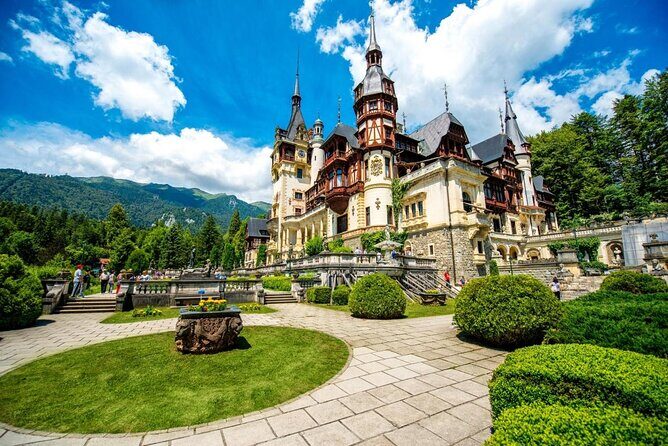
- Peles Castle can change: it’s closed on Mondays year-round, and on Tuesdays from 1 Aug 2024 to 1 May 2025—so you might see it from outside then.
- Comfort + commentary: live on-board narration and a modern, comfortable vehicle help the long drives feel shorter.
Entering Romania Through Arad: A One-Way Route That Cuts Stress
The biggest win on this trip is the direction: Budapest to Bucharest, with no backtracking. That one detail matters. It keeps your days from feeling like you’re crisscrossing the map just to get to the next castle.
You start with a 9:00 am meet in Budapest and then head for the border crossing at Arad. From there, the route stitches together multicultural layers—Romanian, Austro-Hungarian, and Ottoman-influenced—so Transylvania feels like a real lived region, not just a Dracula theme park.
If you prefer a plan with structure but still want room to walk and look around, this is a strong match. Just keep in mind the itinerary includes multiple walking tours, and the guidance notes call for moderate physical fitness.
You can also read our reviews of more tours and experiences in Budapest.



Day 1: Arad’s Architecture and Timisoara’s Big Influences
Day 1 is about settling in and getting your bearings in towns that show how many powers have shaped this part of Europe.
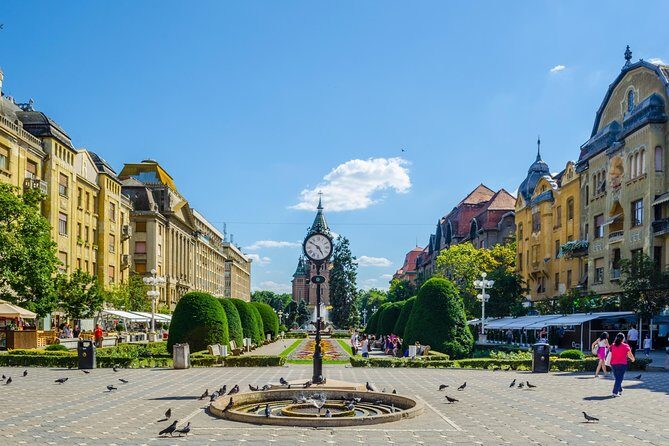
In Arad, you’ll do a short walking tour near Filarmonica Arad, plus key architectural stops along the way. The route is described to include highlights like City Hall Palace, the Palace of Culture, the Red Church (neo-gothic and secessionist-style), the large Roman Catholic church, and the State Theatre. You’ll get enough time to stroll, take photos, and spot patterns in the building styles.
After that, you continue to Timisoara for the historical center. Timisoara is linked with European Capital of Culture 2019, and the guide focus here is on the architecture’s Turkish influence mixed with major Austro-Hungarian presence. It’s a nice warm-up day because you’re not jumping straight into the mega-castle sites yet—you’re learning the region’s visual language first.
Practical note: you’ll have a guided block at each stop, so build in flexibility for street-level wandering afterward. And if you want lunch on your own, you’ll be in places where it’s easy to find something nearby, without needing to chase a reservation.
Day 2: Corvin Castle and Alba Iulia’s Unification Moment
If Day 1 gives you context, Day 2 is where the trip starts feeling cinematic—without leaving you lost in foggy castle lore.
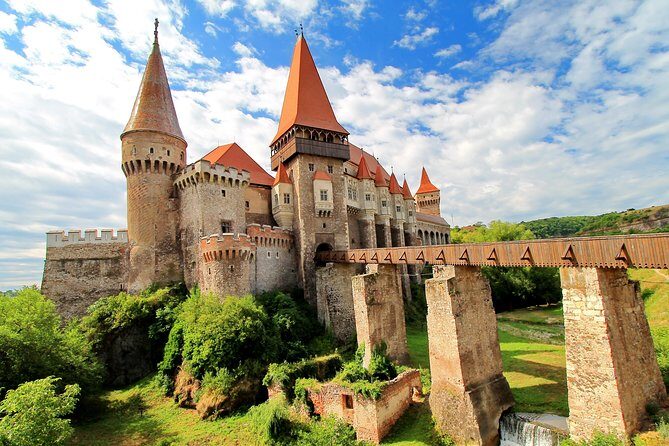
Your morning begins with Corvin Castle (Castelul Corvinilor), a gothic castle where the story is literally in the walls. Plan on about an hour here. Entrance tickets aren’t included, but your guide will assist with getting them, and that’s a genuine time-saver when you’re arriving with a group.
From there you head to Alba Iulia. This city matters in modern Romanian history because it’s where the unification treaty was signed in 1918. You’ll stroll the Old Town area to connect the political turning point to what you see in the streets and buildings, not just to dates.
In the afternoon you reach Sibiu, where your walk centers on Sibiu’s Old Town. Sibiu is associated with European Capital of Culture 2007, and the point of the visit is to see how a medium-size city can still pack a serious punch in atmosphere, architecture, and street layout. It’s a great day to practice “slow looking,” because you’ll likely want time to compare corners, facades, and viewpoints.
What I like about this day is the pacing. You get one big visual hit (Corvin Castle), one meaning-heavy stop (Alba Iulia), then a walk that helps you enjoy the setting without feeling rushed.
Day 3: Sighisoara’s Townscape and Brasov’s Fortress Sights
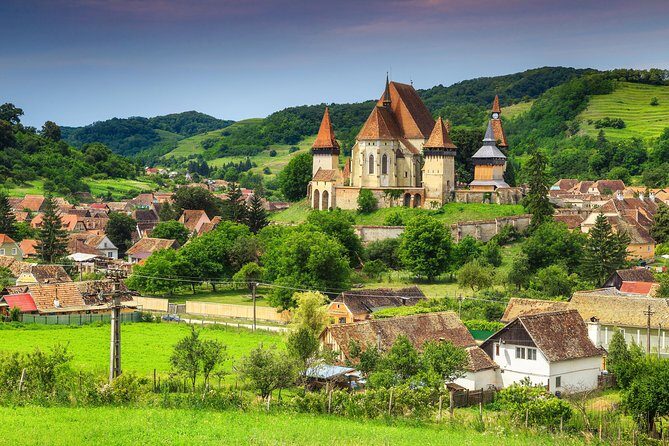
Day 3 is about two places with very different vibes that both help you understand why this region draws attention from all over the world.
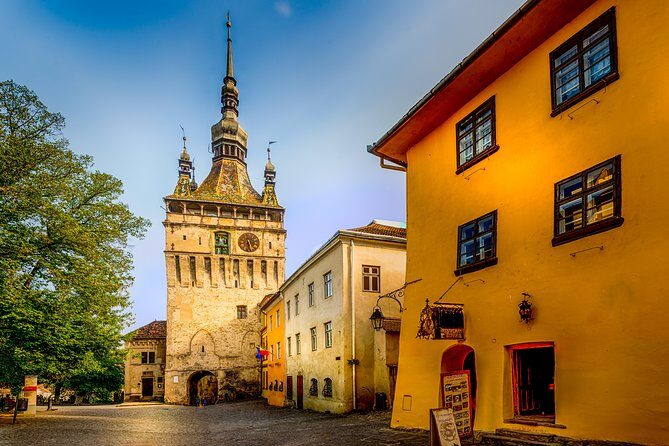
First is Sighisoara’s historic center, described as a fairytale-like town where Vlad Dracula was born in 1431. You’ll explore with your guide on a walking tour for about an hour. Even if you’re not chasing Dracula details, the real value here is the medieval street pattern and how the town feels built for walking.
Then you continue to Brasov, one of the most loved Romanian destinations for Old Town charm. Your walking tour includes key sights such as the Black Church and the main gates of the city. It’s the kind of stop where a guide helps you see past the obvious postcard angles and notice the defensive and ceremonial design features.
This is also the day where the small-group size becomes more noticeable. With a cap of up to 6 (and a stated maximum of 8), it’s easier to keep the group together, ask questions, and get practical advice on where to look next.
If you like photographing stone streets and trying to read a place like a map, Day 3 is your day. Just remember that walking tours mean you’ll want comfortable shoes that can handle uneven pavement.
Day 4: Bran Castle, Then Peles Castle, Ending in Bucharest
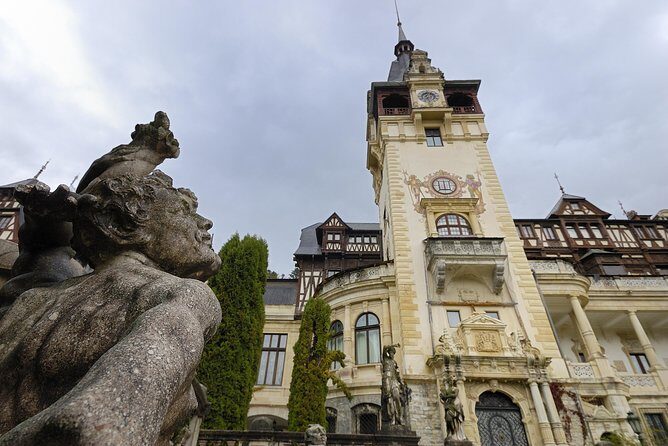
This is your final “big scenes” day: Dracula’s castle story, then a royal masterpiece, followed by a proper finish in Bucharest.
You start early with Bran Castle, also known as Dracula’s Castle. Plan on about two hours here, including time inside. Entrance tickets aren’t included, but again, your guide helps with ticket purchasing so you can focus on the rooms and the story connections rather than logistics.
After Bran, you head toward Sinaia for Peles Castle. This 19th-century castle was built by Romania’s royal family and is described as being preserved the way it was over a century ago. Then you continue on to Bucharest, where the service ends.
Timing detail matters here. Peles Castle is closed on Mondays year-round, and on Tuesdays from 1 Aug 2024 to 1 May 2025. If your date falls in that window, you’ll typically see it from the outside and spend more time at Bran Castle and Brasov instead. This is the kind of policy shift that can change your photo plan, so it’s worth keeping flexible expectations.
Your final destination is Bucharest, with drop-off made at a location of your choice. The tour notes say the guide sets the departure point and time each day, so you’ll want to be reachable and ready at the meeting spot.





Hotels, Breakfast, and Why the “Where You Sleep” Choice Matters
I like that the tour includes accommodation and breakfast, because it removes the “what neighborhood should I book?” stress. The hotels are described as 3–4 star, and the experiences shared with this tour highlight comfortable stays with good breakfasts.
You’ll base yourself in Transylvania towns that make sense for walking. From the way stays are described for Timisoara, Sibiu, and Brasov, the focus is clearly on being near the Old Town areas so your evenings don’t require another long commute. That’s also when you can wander, grab a casual dinner, or search out something local without feeling exhausted.
Another practical plus: you’re not doing daily rent-a-car math. The guidance from guests using car alternatives is consistent—having someone else handle the driving and logistics means you spend more energy on the actual sights and less on traffic and parking.
The Real Cost: What You Pay vs. What You’ll Still Need to Budget
The listed price is $1,685.76 per person and includes key essentials: a professional guide, live commentary on board, and guided time at stops, plus breakfast and 3–4 star accommodation.
But it’s also clear about what’s not included. Food and drinks are not included unless specified, and entrance fees are not included—specifically called out for stops like Bran Castle and Peles Castle. There’s also a listed separate entrance fee for Liberty Bridge. Your guide can help with tickets, but you should still budget for them.
So how do you judge value? For a 4-day cross-country route, the included hotel nights and guidance do a lot of heavy lifting. You’re paying for fewer moving parts: transport between cities, a guide to connect the dots, and tickets handled on the spot.
If you’re the type who hates surprise expenses, you’ll want to estimate castle entrance costs and set aside meals for lunch and dinner. The good news is the tour structure is compact enough that you won’t be stuck paying for extra taxis just to reach sights.
Guides and Group Size: How You’ll Experience the Trip
This is marketed as a small-group tour with a maximum of 8 travelers, and the tour description highlights an intimate cap around 6. That smaller footprint changes the whole feel. You can hear your guide without craning, and questions don’t turn into a traffic jam.
The tour has been guided by people such as Marius, Alex, Andrei, and Emmanuel, and the common thread in those comments is how smoothly they move you in and out of castles and how clearly they connect history to what you see. Having that kind of on-the-spot storytelling is one of the best reasons to choose a guided route instead of going fully independent.
You’ll also get live commentary on the vehicle, which helps during the longer drives. Even if you’re tired, it keeps you oriented so the next stop doesn’t feel like a random drop-off.
Who This Tour Fits Best (and Who Might Want Something Else)
This one suits you if you want Transylvania highlights with minimal hassle: castles, fortified towns, and the arc from Budapest into Romanian history, ending in Bucharest. It also fits well if you’re traveling with someone and want a friendly group dynamic rather than a private chauffeur-only experience.
Choose something else if you’re aiming for lots of downtime with no scheduled walking. This is guided and structured, with multiple walking tours and castle visits. Also, if you’re very sensitive to entrance fees, keep your budget tight because the major sights are ticketed separately.
That said, the “moderate physical fitness” note suggests the walking is meant to be manageable, not extreme. Bring comfortable shoes and you’ll be in good shape.
Should You Book This Budapest to Bucharest Transylvania Tour?
I’d book it if you want a practical route that links the region’s main stops in four days, with expert guidance and included hotels and breakfast doing the planning work for you. The combination of small-group size, fast ticket handling, and a one-way route makes this feel efficient without feeling rushed.
I’d reconsider if your travel dates land during the Peles Castle closure window, since you’ll likely only see it from outside on those specific days. And if you don’t want to budget for entrances and meals, you’ll feel the added costs.
If you go in with realistic expectations—castle tickets, lunches, and a bit of walking—you’ll come away with a much clearer picture of Transylvania beyond the Dracula headline.
FAQ
What cities does the tour visit?
The route starts in Budapest and ends in Bucharest. Along the way, it includes Arad, Timisoara, Corvin Castle, Alba Iulia, Sibiu, Sighisoara, Brasov, Bran Castle, and Peles Castle (in Sinaia).
What time does the tour start in Budapest?
Start time is listed as 9:00 am in Budapest.
How big is the group?
The tour is described as a small-group experience with a maximum of 8 travelers. It’s also described as an intimate group capped at only 6 travelers.
What’s included in the price?
Included features are a professional guide, live commentary on board, and accommodation with breakfast (3–4 star). The description also includes hotel/hostel accommodation pickup and drop-off, but the additional info says they do not provide pick-up or drop-off service—your guide sets the daily departure point and time.
Are meals included?
Breakfast is included. Food and drinks are not included unless specified.
Are entrance fees included?
Entrance fees are not included. Your guide will assist you with purchasing tickets, and Bran Castle and Peles Castle are listed as not included for admission.
Is Peles Castle always on the schedule?
Peles Castle is closed on Mondays year-round and on Tuesdays from 1 Aug 2024 to 1 May 2025. If your booking is within that period, you will see Peles Castle from the outside, and you’ll spend more time at Bran Castle and Brasov instead (subject to policy changes).
Does the tour backtrack?
No. The tour begins in Budapest and ends in Bucharest with no backtracking.
Can I cancel and get a full refund?
Yes, you can cancel up to 3 days in advance for a full refund, if you cancel at least 3 full days before the experience’s start time. If you cancel less than 3 full days before the start time, the amount paid isn’t refunded.