REVIEW · BUDAPEST
Budapest: Aeropark Admission Ticket
Book on GetYourGuide →Operated by Légiközlekedési Kulturális Központ · Bookable on GetYourGuide
Aviation history in plain sight.
That’s what I like about the Aeropark at Repülőmúzeum in Vecsés: it turns old planes into something you can walk around, touch, and even sit in. You’ll get a focused look at 60 years of Hungarian aviation, including big communist-era aircraft and Malév favorites, all in just about 1.5 hours. The main thing to weigh is that you’re mostly outdoors, so weather can steer the comfort level.
Two parts really land well for me. First, the open-air museum format makes the aircraft feel real, not behind glass. Second, the chance to climb into the cockpit and pretend you’re the pilot gives the whole visit a hands-on, kid-friendly spark—one verified note even said it was a great distraction for children.
One consideration: the flight simulator isn’t included, and it only runs on weekends (Saturday and Sunday). If that’s on your wish list, plan around the operating days and budget the extra €2.
In This Review
- Quick hits
- The Aeropark vibe: why this museum feels more alive
- What you’ll see outside: Malév aircraft and the big communist-era planes
- The cockpit experience: pretending to fly across an imaginary globe
- Guided tour with a pilot: when anecdotes turn facts into meaning
- Planning for the simulator: weekend-only and extra €2
- Getting there in real terms: Vecsés and bus 200E from the airport
- Value for money: what $9 buys you in 1.5 hours
- Who this Aeropark visit suits best
- Should you book Aeropark Admission in Budapest?
- FAQ
- Where is the meeting point for Aeropark in Budapest?
- How long is the Aeropark admission?
- What does the admission ticket include?
- Is the flight simulator included?
- Is there a guided tour option with a pilot?
- How do I get there by public transportation?
- Is the experience wheelchair accessible?
Quick hits
- Open-air aircraft museum in Vecsés, built for hands-on curiosity
- See Malév-era planes, including Tupolevs associated with aircraft still in service
- Cockpit access gives you that pilot-for-a-moment feeling
- Optional guided tour with a pilot who shares in-air anecdotes
- Simulator is weekend-only and costs an extra €2
The Aeropark vibe: why this museum feels more alive
Most aviation museums feel like you’re studying from a distance. Here, you’re walking among the machines. The whole point is an authentic, nostalgic air fleet you can explore outdoors—so you’re not just looking at photos or diagrams. It’s the kind of setting where you automatically slow down, look up, and notice details you’d miss in a traditional indoor display.
I also like that it’s not trying to be everything. In 1.5 hours, you’re guided through a tight slice of Hungarian aviation evolution: technology, science, and aviation culture across decades. If your schedule is tight, this is an efficient way to get aviation context without committing to a full-day museum marathon.
And if you’re bringing kids, this kind of “make-believe in real metal” approach tends to work. Even the short remarks in the provided feedback focus on the fun angle, especially for children. You can expect that same energy the moment you see people climbing the stairs toward the cockpit.
You can also read our reviews of more tours and experiences in Budapest



What you’ll see outside: Malév aircraft and the big communist-era planes
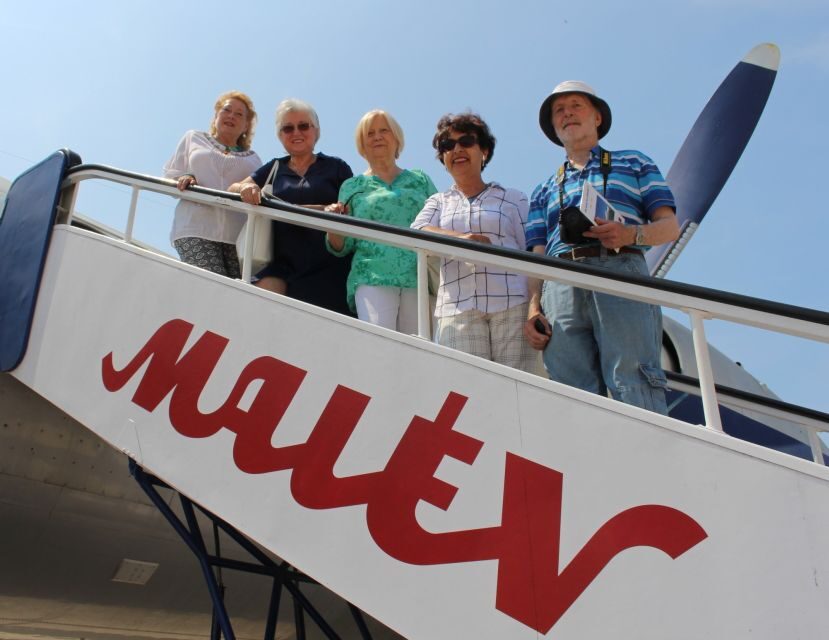
The core of the Aeropark experience is the open-air route through aviation history. You’re learning how Hungarian aviation changed over the past 60 years, with an emphasis on aircraft that shaped the era—including the largest planes from the communist period.
One standout theme is the presence of the former national air fleet, Malév. The museum highlights planes tied to Malév’s story, including Tupolevs that are still known for flying today. That’s a clever way to connect past and present: you get the nostalgia of older aviation while still having a thread that leads to aircraft you might recognize from current skies.
You’ll also get perspective on what flying was like when it was a luxury for many people. This isn’t just a timeline. The museum frames aviation as something challenging and special, not routine. That matters because it changes how you view the planes: they’re not just machines; they’re symbols of access, engineering limits, and effort.
The cockpit experience: pretending to fly across an imaginary globe
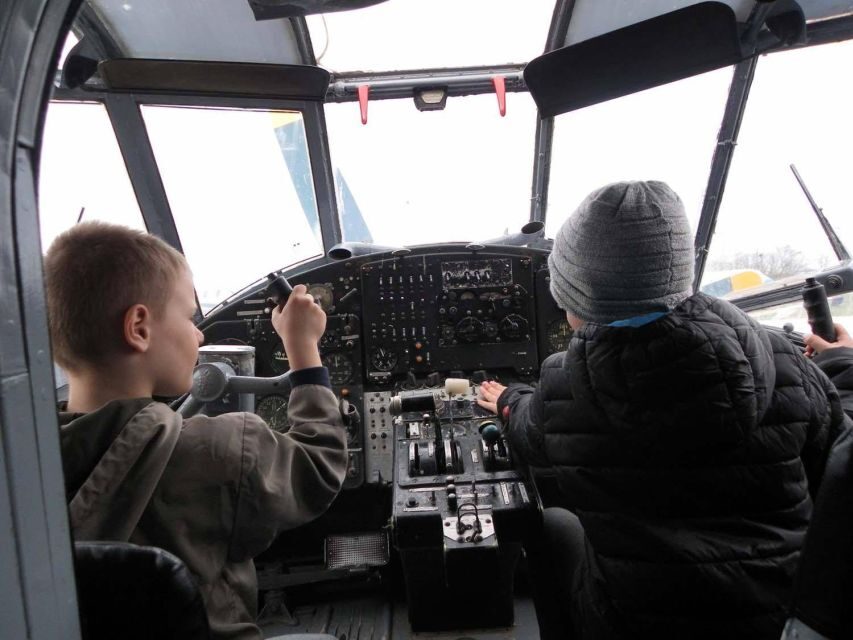
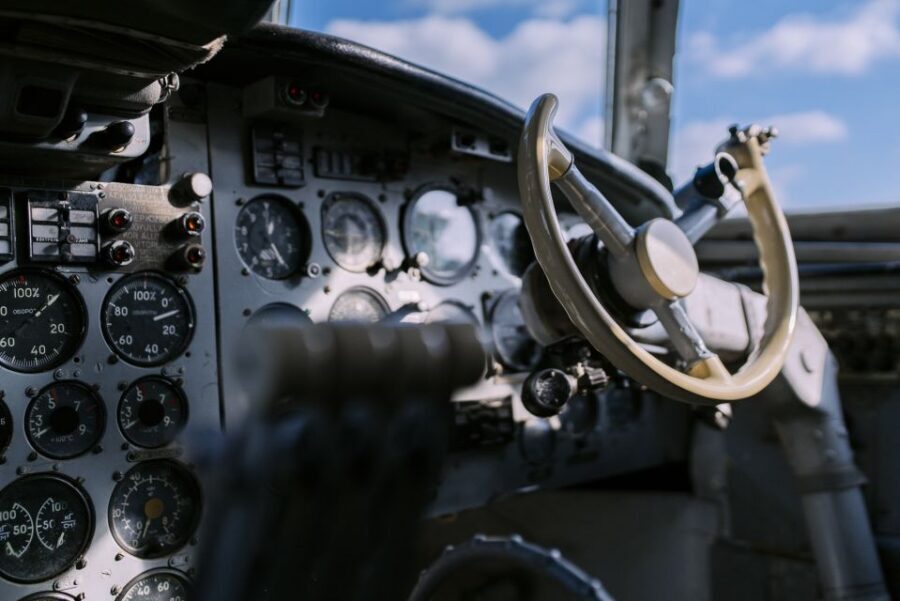
The cockpit portion is the moment that most people remember, because it’s active. You’re allowed to climb up the stairs into the cockpit and sit in the pilot’s position. It’s built around that simple idea: you can read about flying, but you feel it more when you’re physically in the seat.
The experience is described as pretending you’re the pilot, even to the point of a playful “fly across the imaginary globe” concept. That might sound like marketing language, but the value is real. Sitting in a cockpit changes your relationship to the aircraft. Suddenly the controls, layout, and “how a pilot thinks” become part of your mental model.
If you’re doing this with a group, expect the cockpit time to be a focal point. In practice, that’s where you’ll want patience, good shoes (for stairs and outdoor walking), and a phone ready—though you’ll still want to keep it respectful of other visitors waiting for their turn.
Guided tour with a pilot: when anecdotes turn facts into meaning
There’s an option for a guided tour with a pilot. If you’re curious about how these planes were used in real life, this is where the experience gets more personal. Instead of only hearing about aircraft from the museum perspective, you hear stories from someone who flew the planes on display.
The key benefit here is context. A guide who has flown aircraft doesn’t just provide dates and specs. They can explain what was challenging, what pilots focused on, and what daily flying felt like during their time in the air. In the information you’re given, those anecdotes are a stated part of the guided format, which is exactly what makes this choice worth considering.
This option is especially good if you like aviation as more than a static hobby. If you want to understand the human side—decision-making, workload, and what “luxury travel” meant when it wasn’t common—ask for the pilot-led version.
Planning for the simulator: weekend-only and extra €2
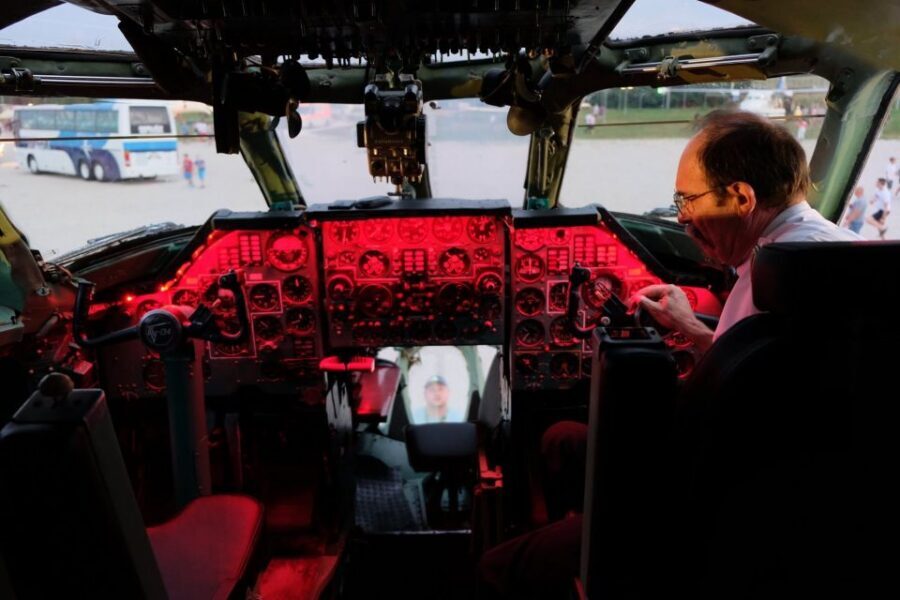
The flight simulator is a separate add-on. It only runs during Saturday and Sunday, and it costs an additional €2.
So here’s the practical way to plan: if you’re visiting on a weekday, you shouldn’t build your day around the simulator. The core museum experience still fits the 1.5-hour duration, but the simulator is the only element that clearly changes based on the day.
If you are visiting on a weekend, consider whether it’s worth the extra €2 for your group. For some people, simulator time is the highlight. For others, cockpit access and the aircraft walk are enough. Either way, you’ll avoid disappointment by treating it as optional, not automatic.






Getting there in real terms: Vecsés and bus 200E from the airport
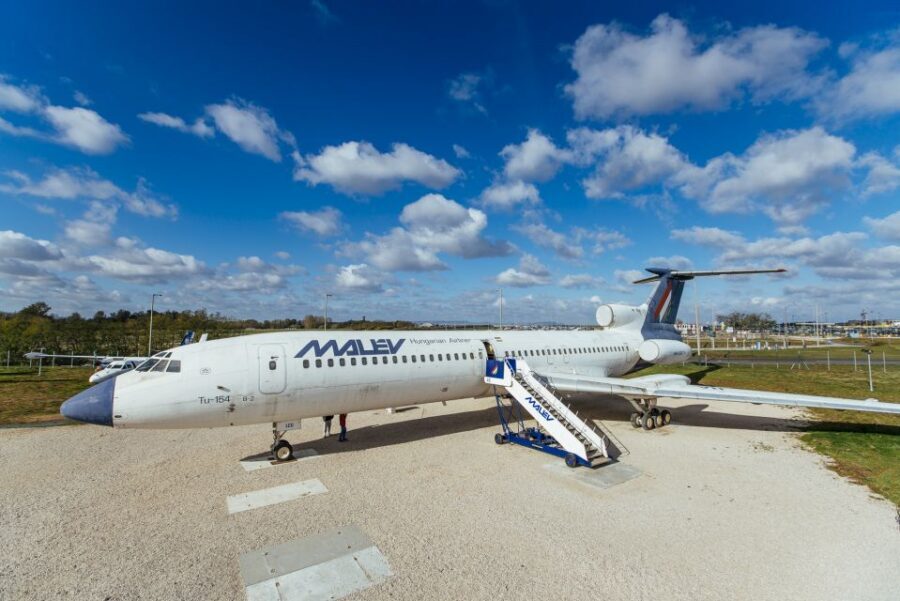
The meeting point is in Vecsés at Vecsés, Repülőmúzeum (2220 Hungary). There’s no hotel pickup or drop-off included, so you’ll need to handle your own transit.
If you’re coming by public transportation, the most straightforward direction is:
- Take bus 200E
- Stay on the bus all the way to the terminus: Budapest Airport Terminal 2B
- Then get off at the first stop after the terminus
- The stop name is Repülőmúzeum
That extra step—staying until Terminal 2B and then catching the first stop after—is what prevents you from ending up in the wrong place. Also, plan for a little buffer time. Even if everything runs on schedule, you’re walking outdoors at the end, and you’ll want to arrive when you can settle in without rushing.
Value for money: what $9 buys you in 1.5 hours
At about $9 per person, the Aeropark ticket is budget-friendly for what you’re getting: admission to an outdoor aviation museum plus interactive elements and cockpit access. The big value is that the experience isn’t just observation. You’re walking the fleet, learning the evolution of Hungarian aviation, and sitting in the cockpit.
The “hidden” value is the time efficiency. Many museums are impressive but hard to finish. Here, you’re guided through a tight 1.5-hour slice that fits nicely between other sights around Budapest—especially if you want something hands-on without losing a whole day.
Just remember what isn’t included. The simulator costs extra (€2) and only runs on weekends. If you know you want simulator time, budget accordingly. Still, even with the add-on on weekend visits, you’re likely staying in a low-cost range compared to many paid activities in the city.
Who this Aeropark visit suits best
This is a strong match for families and for aviation fans, mainly because the experience is physical. Kids often respond to anything with stairs, cockpits, and the chance to role-play. The feedback you provided also points in that direction, with at least one verified note calling it a great treat for children.
Aviation enthusiasts will enjoy the emphasis on Hungarian aviation evolution and the presence of planes connected to Malév and Tupolevs. If you care about the “why” behind aviation’s growth—technology changes and what flying meant historically—this museum frames those ideas in a way that’s easy to grasp in a short visit.
And if you’re the type who likes practical travel choices, you’ll probably appreciate the clean structure: 1.5 hours, admission included, optional pilot tour, and a simulator that’s clearly day-dependent.
Should you book Aeropark Admission in Budapest?
I’d book it if you want an outdoors aviation museum that’s short, hands-on, and built around aircraft you can actually explore. With cockpit access and a guided option that can add real pilot anecdotes, it’s more than a quick photo stop.
You might skip or rethink if you’re visiting midweek and simulator time is a must. Also, if you hate outdoor walking or stairs, keep the “mostly open-air” format in mind—though the experience is marked wheelchair accessible, so it’s worth confirming comfort needs with the provider before you go.
If you land on a Saturday or Sunday and you like the idea of a small simulator add-on, it becomes an even better deal for the price.
FAQ
Where is the meeting point for Aeropark in Budapest?
The meeting point is Vecsés, Repülőmúzeum, 2220 Hungary.
How long is the Aeropark admission?
The visit duration is 1.5 hours.
What does the admission ticket include?
The admission ticket includes the entry/admission to the Aeropark experience.
Is the flight simulator included?
No. The flight simulator is not included. It’s only in service on Saturday and Sunday, and it costs an additional €2.
Is there a guided tour option with a pilot?
Yes. There is an option for a guided tour with a pilot, where you explore the museum with a pilot and hear anecdotes from their days flying the displayed aircraft.
How do I get there by public transportation?
Take bus 200E from Budapest Airport, stay on it until Budapest Airport Terminal 2B, then get off at the first stop after the terminus, called Repülőmúzeum.
Is the experience wheelchair accessible?
Yes, the Aeropark visit is marked as wheelchair accessible.