REVIEW · BUDAPEST
Budapest: Light Art Museum – Immersive New Media Experience
Book on GetYourGuide →Operated by Intersputnik Kft · Bookable on GetYourGuide
Light art beats museum boredom. The Light Art Museum in Budapest turns a former farmers’ market space into a playground of color, optical effects, and modern art references like László Moholy-Nagy. I like that it feels hands-on, not lecture-style, and I also like the big, photo-friendly installations that make the lights do the talking. One heads-up: some installations can be closed, and there’s also a section marked for adults only.
What makes it practical is the pacing: you get a ticketed visit window for 2 hours, so you can enjoy it without rushing. If you choose the skip-the-line option, you’ll start faster and spend more time in the rooms where the magic happens. In my view, that limited time window is part of the value, because the experience works best when you’re moving room to room.
Finally, plan for the “art-meets-tech” side. Explanations are presented in English (and Hungarian), and some info screens can switch languages, which can slow you down if you’re trying to read every label. If you’re the type who wants clear answers for every effect, this museum may feel a bit abstract.
In This Review
- Key Things to Know Before You Go
- Light Art Museum in a Repurposed Budapest Market Hall
- What Your 2 Hours Look Like Inside
- The Light, Color, and Optical Illusions You’ll Actually See
- Projection Mapping and New-Media Effects (Plus Photo Tips)
- Modern Names in the Mix: Moholy-Nagy and Vasarely
- Family-Friendly, but Watch the Over-18s Area
- Crowds, Timing, and the Skip-the-Line Benefit
- Price and Value: Is $18 Worth It?
- When Installations Are Closed, What to Do
- Bottom Line: Should You Book This Budapest Stop?
- FAQ
- How much does the Light Art Museum ticket cost?
- How long is the visit?
- Is it only valid for one day?
- Do I need a tour guide?
- Can I skip the ticket line?
- What languages are available?
- Is the museum suitable for families and kids?
- What are the main types of art you’ll see?
- What if I want to go at a quiet time?
- What’s the cancellation policy?
- Who should I contact if I have questions?
Key Things to Know Before You Go
- A repurposed farmers’ market hall: the building itself helps the light installations feel more cinematic.
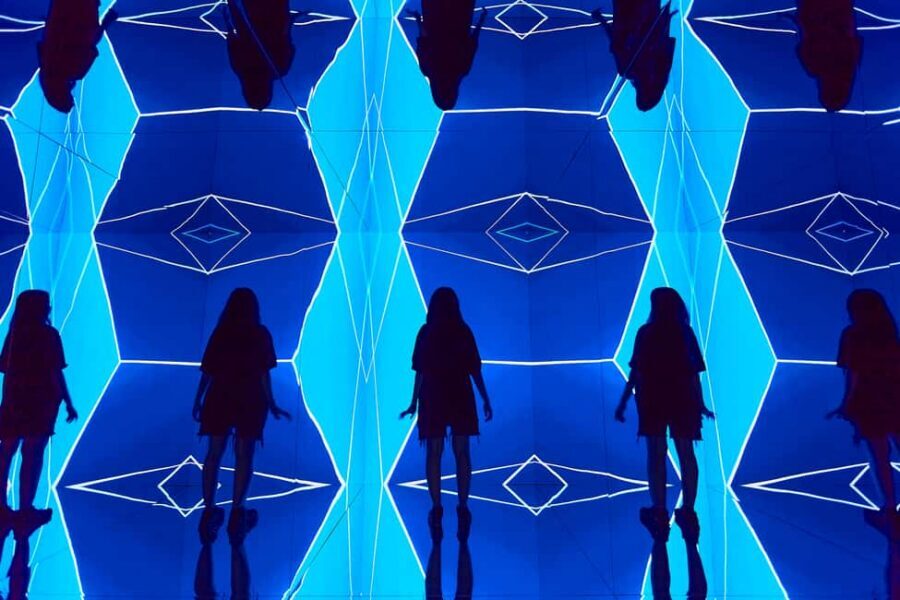
- Optical illusion rooms: you’ll see light used as art, not just decoration.
- Major art names show up: you’ll encounter references to Moholy-Nagy and Victor Vasarely.
- Standout set pieces: highlights include an airlock dome (best experienced lying down), plus pieces like a sphere and a blimp.
- Limited entry helps the vibe: people report it usually doesn’t get overly crowded.
- Family-friendly, with an adult-only area: kids may love it, but you’ll still want to watch for the over-18s section.
Light Art Museum in a Repurposed Budapest Market Hall
You’re not walking into a traditional museum box. The Light Art Museum Budapest uses a historic hall that once served as a farmers’ market, and it keeps that warehouse-scale feel. That matters because light installations need space to breathe, and this place gives them room to scale up.
The result is a museum experience that’s more like an art theme park crossed with a science demo. You’ll see a mix of contemporary and modern pieces, plus interactive setups designed for you to move through and react to. Even if you don’t care about art theory, you’ll still get something out of watching how color, reflections, and patterns change as you shift your position.
I also appreciate the mix of local and international influences. When a museum nods to big names in light and optical art, it makes the experience feel more grounded than a random series of glowing rooms.
You can also read our reviews of more museum experiences in Budapest



What Your 2 Hours Look Like Inside
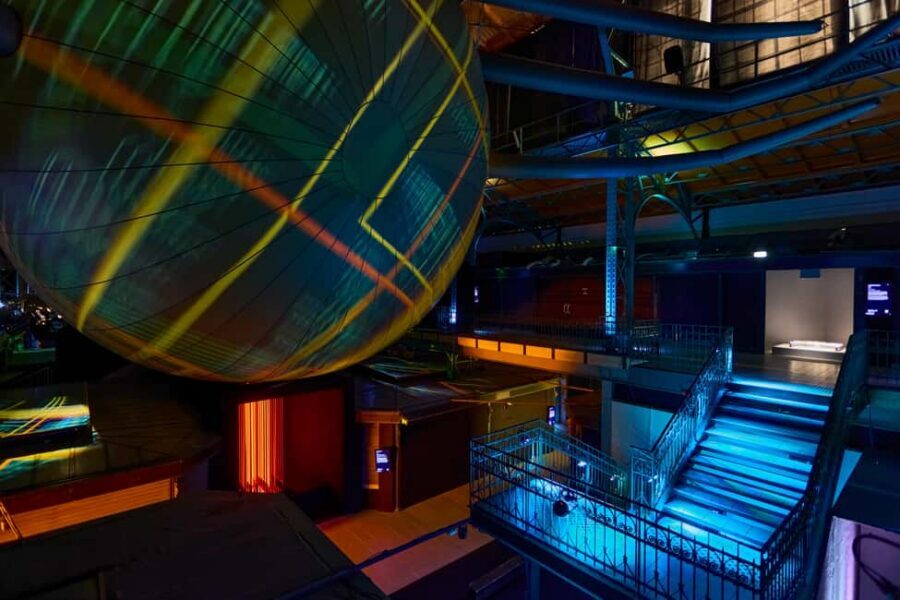
Your ticket gives you 2 hours of exploration. That time frame is long enough to take your time, read some labels, and still loop back for photos if you want them. It’s also short enough that you don’t feel stuck in one zone while your feet go numb.
A simple way to plan your visit:
- Start by walking through the main galleries once without stopping too much.
- Then do a second pass only where you want photos or where an installation really grabbed you.
- Save any “special effort” piece (like the airlock dome) for when you’re ready to slow down.
Because there’s no tour guide included, you control the pace. That’s good for flexibility—especially if you’re with kids or you prefer quiet self-guided wandering. The downside is that if you love context and interpretive storytelling, you’ll have to rely on whatever’s on the walls and screens.
The Light, Color, and Optical Illusions You’ll Actually See
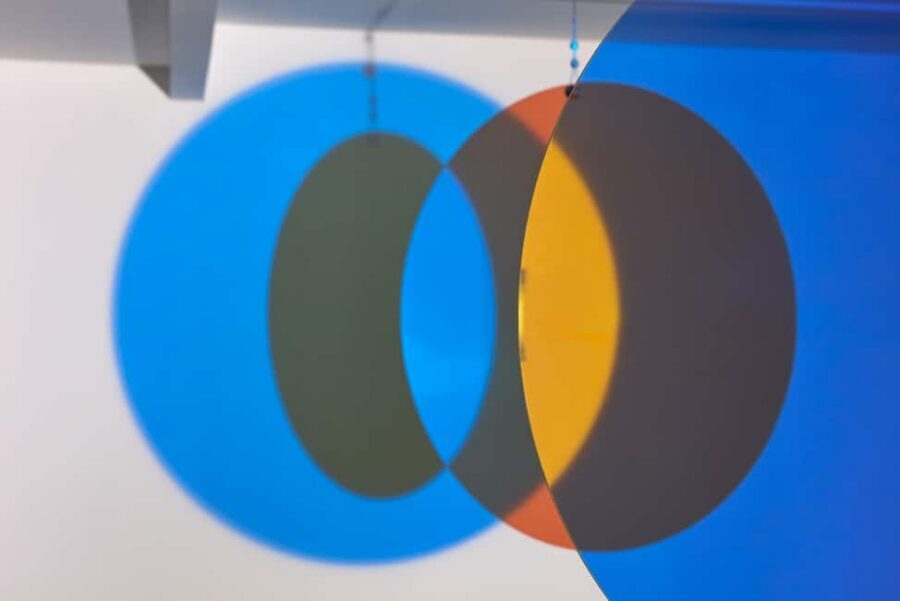
The core promise here is simple: you get surrounded by light, color, and optical effects. The museum leans into the idea that seeing is an experience you can manipulate. You’ll encounter installations where your eyes try to do one thing—then reality does another through lighting, geometry, and pattern play.
One of the reasons people rate this place highly is how often the exhibits change your sense of space. Some rooms feel bigger or smaller depending on the projection and how it hits the surfaces. Other installations depend on your movement, which turns the museum into a kind of live visual puzzle.
You’ll also see a “modern art meets new media” approach. That means not everything will feel like classic painting or sculpture. Some pieces are more about sensation and concept than about looking for brushwork or craftsmanship. If you’re okay with that, you’ll probably find the experience fun, even if not every single installation lands for you.
Projection Mapping and New-Media Effects (Plus Photo Tips)
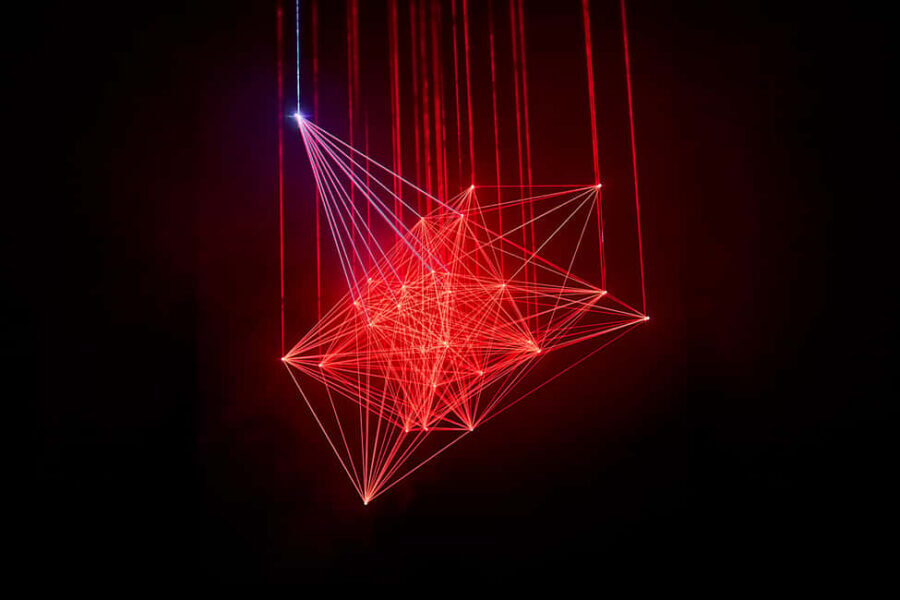
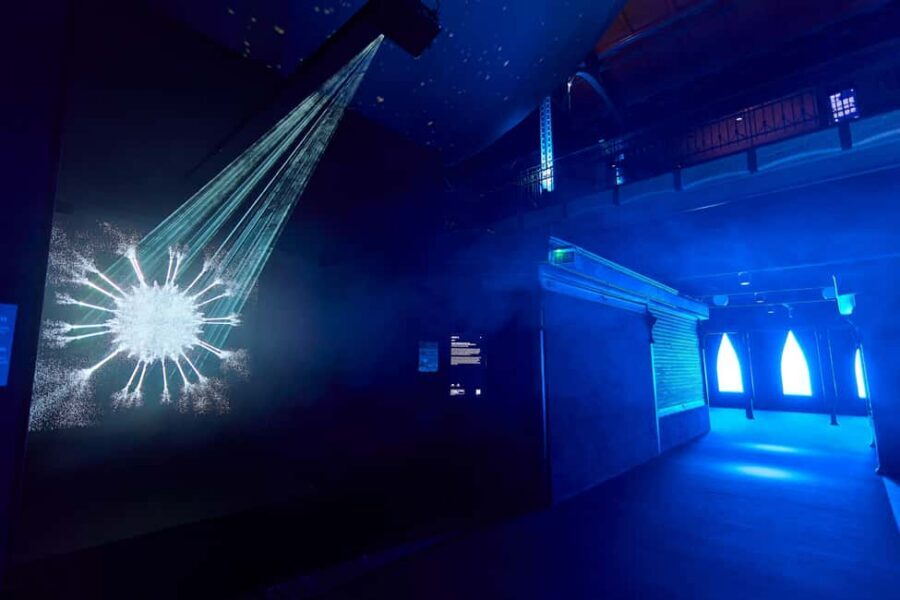
Projection mapping is part of the mix, and it’s one of the easiest ways to understand why this museum works so well as a ticketed attraction. Projections can animate surfaces, create depth, and shift scenes without you moving far—so you get a lot of visual payoff per minute.
Practical photo advice: this place is built for pictures. People mention amazing photos and stand-out installations, and the layout supports getting close. I’d still suggest you do two things:
- Take a few quick shots early, when you’re fresh and curious.
- Then slow down for the main set pieces once you know where the best angles are.
Two highlights from the experience show up again and again in comments: the airlock dome and the sphere. For the airlock dome, one of the most helpful tips is to lie down to experience it at its best. That’s not a minor detail. It changes the whole effect because your body position lines up with how the light and projection play across the space.
Modern Names in the Mix: Moholy-Nagy and Vasarely
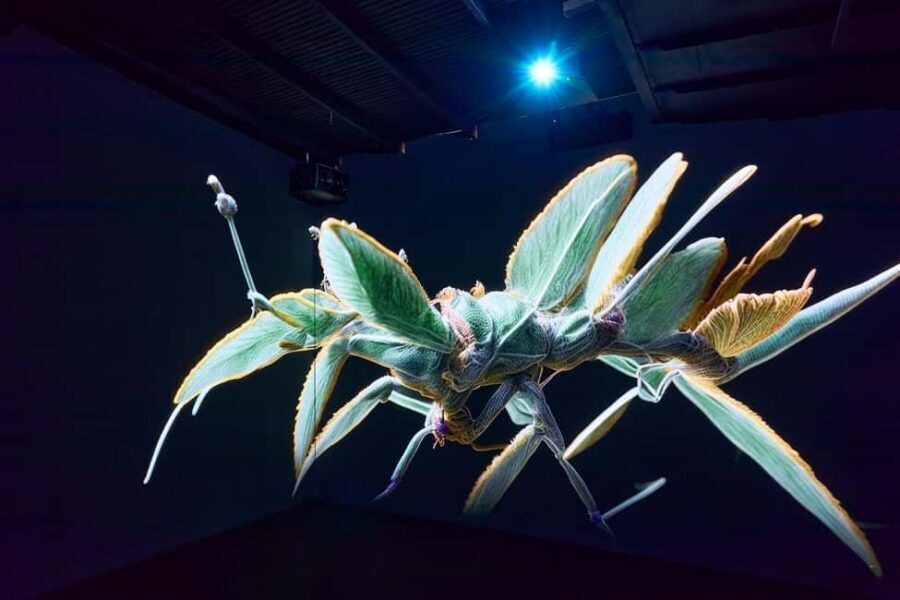
It’s not just random lighting. The museum includes references to pioneer light artists and optical art icons. Two names you’ll want to watch for are László Moholy-Nagy and Victor Vasarely.
Why does that matter? Because it gives you a “reason” for what you’re seeing. Moholy-Nagy is tied to ideas about light, vision, and how we perceive modern images. Vasarely is strongly associated with op art—work that uses optical illusions to challenge how the eye interprets form and motion.
Even if you don’t know their work beforehand, seeing those names helps you connect the dots. You start to notice when an exhibit is playing with perception on purpose, rather than simply showing pretty colors.
That connection is one reason the museum reads well for people who like art plus a dash of science. Light art is basically a negotiation between physics (how light behaves) and psychology (how your brain interprets it). This museum leans into that.






Family-Friendly, but Watch the Over-18s Area
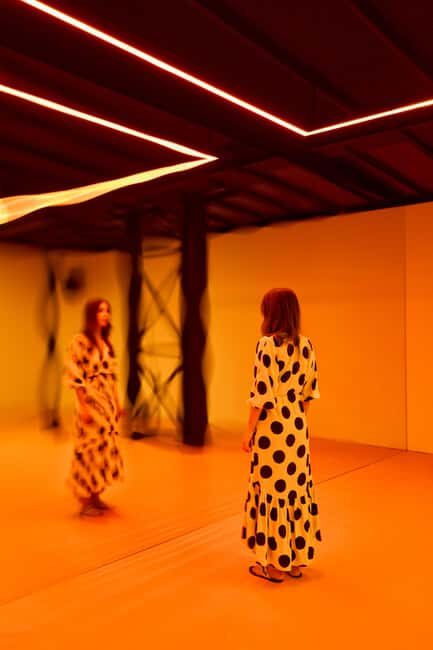
This is one of the places in Budapest where families often feel comfortable bringing kids. The museum experience is described as kid friendly, and there’s even mention of a two-year-old enjoying it. That tells me the museum can be fun for young visitors who don’t need lots of text to understand what’s happening.
But here’s the caution: there is a section specifically marked for over 18s. One comment also suggests it may not be ideal for younger children because of that adult-only area. So before you assume it’s fully family-safe, be ready for the possibility that you might need to adjust your route or your expectations.
If you’re traveling with kids, I’d plan for shorter stops and a calmer pace. The big sensory moments (like the dome effects) can be impressive, but kids may also get tired if you push too long through every room.
Crowds, Timing, and the Skip-the-Line Benefit
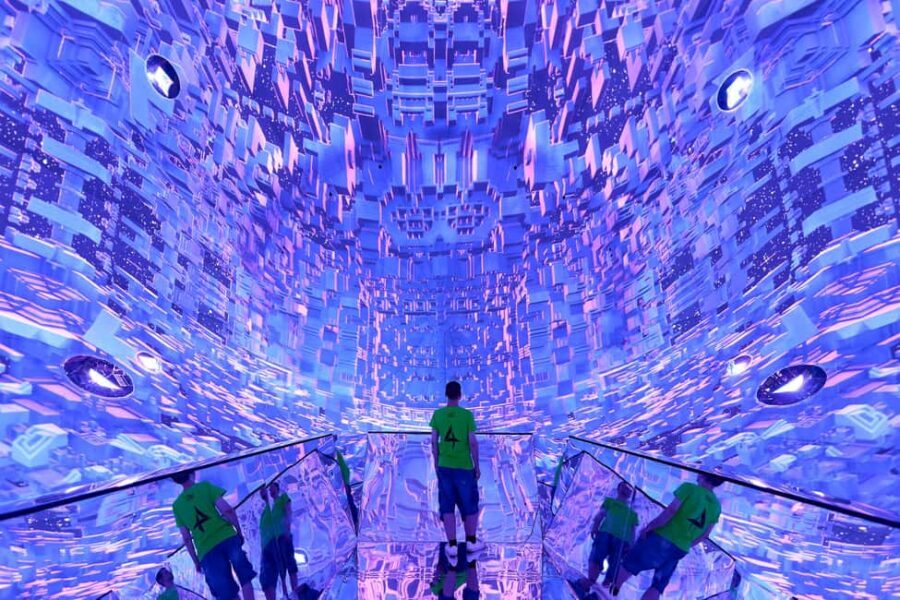
Even though it’s popular, it doesn’t always feel packed. People often mention a limited number of people allowed in, which helps keep the experience comfortable. That is a big deal with light installations, because crowded rooms usually ruin the “see it properly” part of the experience.
Timing can help too. One helpful pattern from comments: arriving early can mean fewer people and more room to explore without pressure. If you have flexibility, I’d aim for an earlier entry slot rather than the busiest evening times.
The skip-the-line option is also worth considering. Since there’s no tour guide and you’re paying for a self-paced visit window, wasting time in queues is just wasted time. The hosts will help you get started, and the whole point is to spend your limited 2 hours inside, not waiting outside.
Price and Value: Is $18 Worth It?
At about $18 per person, the Light Art Museum Budapest sits in the “reasonable ticket for a special experience” category. You’re not paying for a long guided tour. You’re paying for a timed entry to a building full of light-based art installations.
The value comes from three things:
- Time: you’re given 2 hours to explore.
- Variety: different installations change the visual “mood” often enough to stay interesting.
- Photo-friendly impact: you’re likely to leave with images that capture what you experienced.
Still, I’d be honest about the trade-off. Not every exhibit will hit for everyone. Some comments mention a couple installations feeling less compelling than others. If you’re the type who wants every artwork to feel meaningful or you want more interactivity, you might rate it lower—even if the overall experience is fun.
My advice: if you like visual tricks, optical effects, and modern art in a playful format, this price is fair.
When Installations Are Closed, What to Do
One issue that pops up is that some artworks can be closed. In one case, the walk-through felt extremely fast—around 20 minutes—because many exhibits weren’t available.
You can’t control closures, but you can protect your experience by doing two things:
- Ask the hosts on arrival if there’s anything limited that day.
- Focus on the main standouts first, especially the airlock dome, since it’s mentioned as a best-effort moment.
Also, keep your expectations flexible. This museum is built for an overall flow of light and rooms, not a single “one and done” attraction. Even if a few pieces are missing, you can still get the core experience if you plan your visit with the highlights in mind.
Bottom Line: Should You Book This Budapest Stop?
I think you should book this if you want a Budapest activity that’s light on museum rules and heavy on visual effects. It’s ideal for couples, groups of friends, and families who like a hands-on kind of art. If you’re traveling with kids, the overall feel is encouraging—just remember there’s an adult-only section.
Skip it if you strongly prefer traditional art formats, or if you need every installation to come with clear explanations and satisfying “answers.” This is an art-and-science vibe, and some pieces are meant to feel a bit conceptual or abstract.
If you’re deciding on priorities in Budapest, I’d treat this as a high-impact, low-stress stop—especially on a day when you want something different from churches and classic history stops. It’s the kind of place where your brain keeps playing with what it just saw, even after you leave.
FAQ
How much does the Light Art Museum ticket cost?
The price is listed as $18 per person.
How long is the visit?
Your ticket includes 2 hours of exploration.
Is it only valid for one day?
Yes, the ticket is valid for 1 day. You’ll need to check availability to see starting times.
Do I need a tour guide?
No. A tour guide is not included, and the experience is self-paced.
Can I skip the ticket line?
Yes. The Light Art Museum admission ticket includes a skip-the-line option.
What languages are available?
English and Hungarian are listed.
Is the museum suitable for families and kids?
It’s described as kid friendly, and there are mentions of young children enjoying the experience. However, there is also a section specifically for over 18s.
What are the main types of art you’ll see?
Expect contemporary and modern light artworks, projection mapping, immersive spaces, and site-specific installations, including work tied to pioneer light artist László Moholy-Nagy and op-art icon Victor Vasarely.
What if I want to go at a quiet time?
Some people note that arriving early helped keep the museum from feeling too busy, and the museum limits entry numbers.
What’s the cancellation policy?
Free cancellation is available up to 24 hours in advance for a full refund.
Who should I contact if I have questions?
If you have questions, you can reach out via the phone number during opening hours.