REVIEW · BUDAPEST
Budapest: The WWII Siege of Buda Castle & Bomb Shelter Tour
Book on GetYourGuide →Operated by Buda Castle Walks · Bookable on GetYourGuide
Cold air and harsher stories await below.
This tour brings you right into the Siege of Budapest—not just with dates and maps, but with survivor accounts as you walk the Buda Castle district and then go underground. I like that it mixes above-ground traces of the siege with the claustrophobic reality of the cave and bomb-shelter system.
Two things I especially like: the way it uses firsthand recollections from the siege period, and the practical setup that keeps the information easy to follow, even while you’re moving. One possible drawback: this is a lot of walking with steep stairs, narrow corridors, and low, dark spaces, so it’s not for everyone.
In This Review
- Key highlights at a glance
- Siege of Budapest, told where people actually hid
- Entering Castle Hill at Dísz Square: where the tour begins
- Úri Street: a quick above-ground setup for what’s coming next
- Down into Vár-barlangi séták (Buda Castle Cave)
- The story of cold, food shortages, and crowding
- Lovas Way: coming back up and spotting what’s left
- Finishing at Szentháromság Square: a clearer picture of the whole district
- Price and what you actually get for $24
- Who should book this tour (and who should skip it)
- Practical tips so you enjoy it instead of wrestling it
- Should you book the WWII Siege of Buda Castle & Bomb Shelter Tour?
Key highlights at a glance
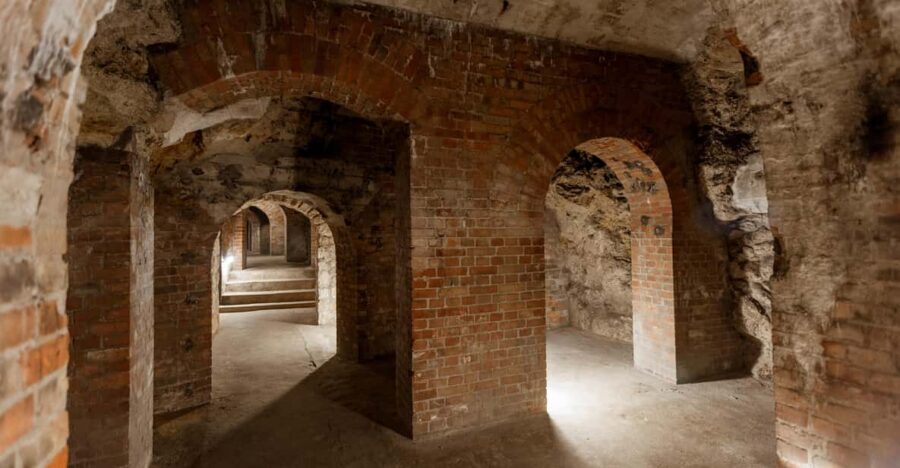
- Above-ground siege traces on Castle Hill (your guide points out visible remnants like bullet holes and ventilation shafts)
- Buda Castle Cave labyrinth time for understanding how people actually hid underground
- An authentic Second World War bomb shelter and cellar visit as part of the route
- English live guiding, with many guests praising clear audio (including the use of personal headphones)
- A 90-minute format that stays focused and doesn’t drag through the tough parts
Siege of Budapest, told where people actually hid
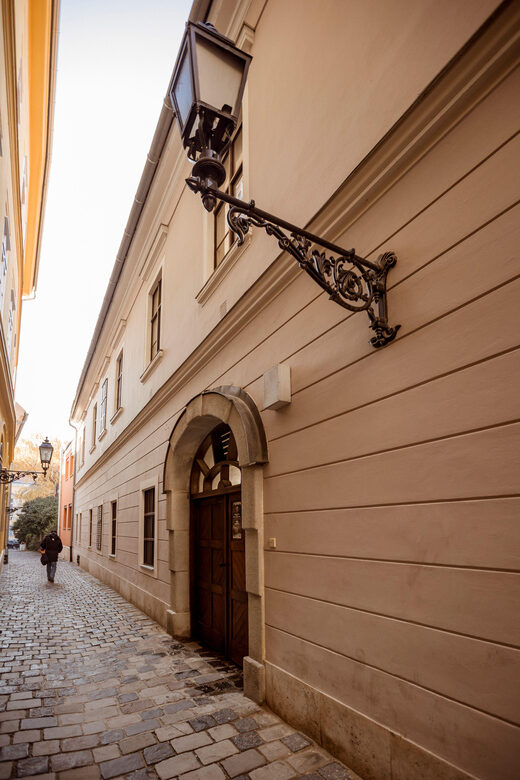
The headline event here is the 52-day siege of Budapest in late 1944 and early 1945. On Christmas Eve 1944, the Soviet Red Army encircled German-occupied Budapest, and the fighting turned the Hungarian capital into a city under siege. What’s chilling is that this tour doesn’t treat it like distant history. It frames it around what survival looked like day after day for German and Hungarian soldiers, the wounded, and civilians packed into underground spaces.
The core idea is simple: it’s much easier to understand terror and endurance when you’re standing in the kind of environment people had to survive in. The tour takes you through the Buda Castle Cave and related underground areas stretching beneath the historic residential quarter, then back to the daylight for specific traces your guide can spot around the district.
And yes, you’ll hear the comparison that often comes up in discussions of this battle: the siege of Budapest is frequently likened to the Siege of Stalingrad, one of the most brutal encirclement battles in world history.
You can also read our reviews of more tours and experiences in Budapest.



Entering Castle Hill at Dísz Square: where the tour begins
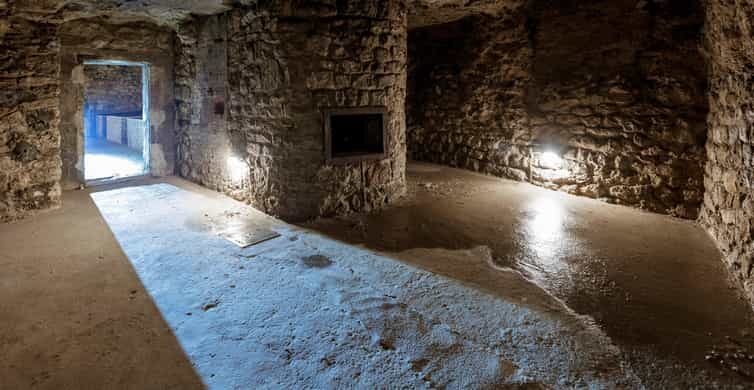
You start at De la Motte–B.-Palace, Dísz Square 15 (Dísz tér 15), next to the Posta building, at the big green gate. Look for the guide holding a turquoise umbrella with the Buda Castle Walks logo.
This is a good meeting point for orientation. You’re already in the palace district when the tour begins, which matters because you’ll spend part of the time walking above ground before you go underground. Also, the program starts promptly, and the operator says they can’t wait for latecomers—so I’d plan buffer time to avoid stress right before the stairs start.
Úri Street: a quick above-ground setup for what’s coming next
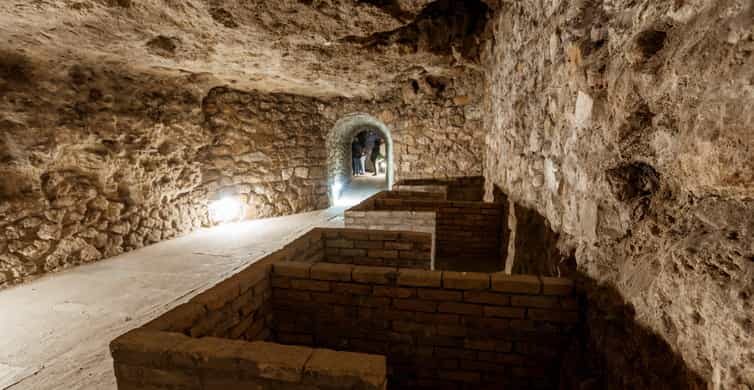
After you meet, you head along Úri Street as the guide sets the scene. This is the part that helps you make sense of where you are before you go into dark, tight spaces.
Even though the tour is partly underground, don’t skip the above-ground segments. Guides often use them to point out the kind of siege evidence people can still read today—things like bullet holes, secret doorways, and ventilation shafts that run upward from public shelters. In practical terms, this makes the rest of the tour feel less like a single underground attraction and more like a lived system tied to real buildings above.
It also gives you a chance to get your bearings. You’ll be returning to the surface later, but the order matters: above-ground context first, then underground experience.
Down into Vár-barlangi séták (Buda Castle Cave)
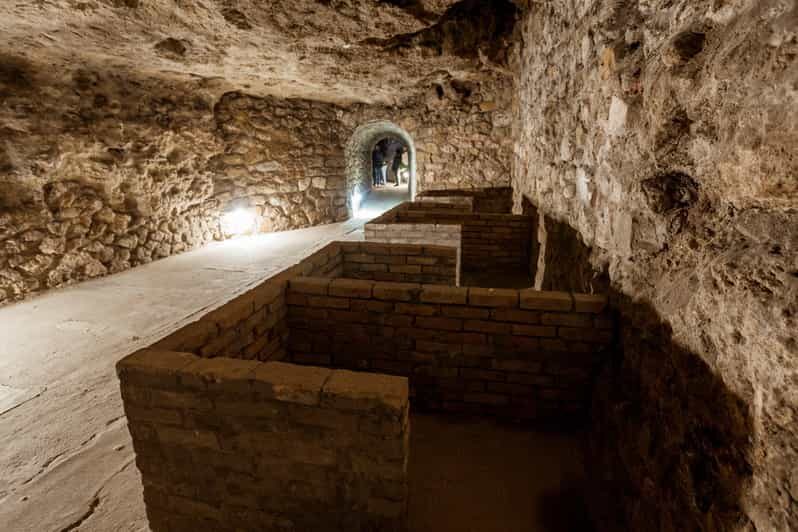
The heart of the tour is the visit to Vár-barlangi séták (Budai Vár-barlang), scheduled at around 35 minutes. This is where you really feel the siege in your body, not just in your mind.
What you should expect underground:
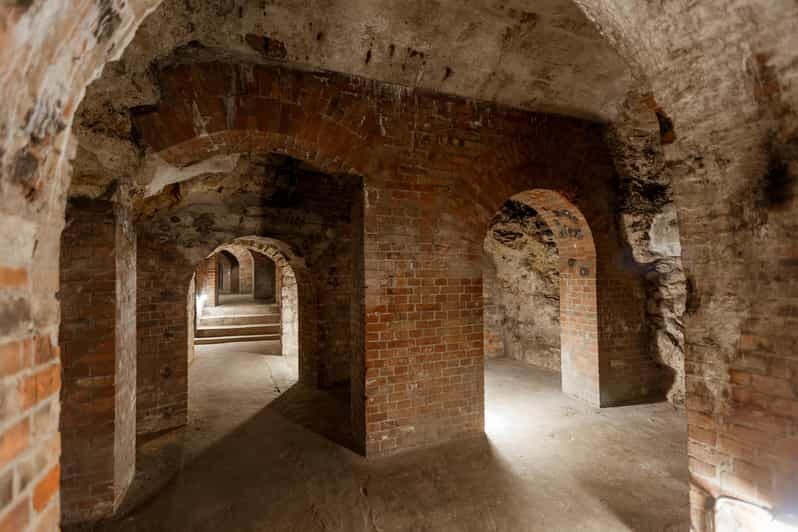
- Cool temperatures all year: about 12°C / 54°F in the cellar and cave areas
- Dark but illuminated areas, with steep stairs, narrow corridors, and surfaces that can be solid and sometimes wet
- A walking route through an underground labyrinth tied to the historic district above
The tour description also emphasizes that it includes both a cellar (from an old dwelling house) and an original Second World War bomb shelter inside the cave system. That pairing matters. A cellar tends to feel more familiar and domestic, while a bomb shelter feels purpose-built—together they help you understand how people tried to survive in whatever space they could access.
One more thing: if you’re sensitive to tight spaces, take the warning seriously. The tour is not recommended for people with claustrophobia, and some tunnels can feel cramped. It’s not a casual stroll underground; it’s built for walking through history in the exact setting where people were forced into survival mode.
The story of cold, food shortages, and crowding
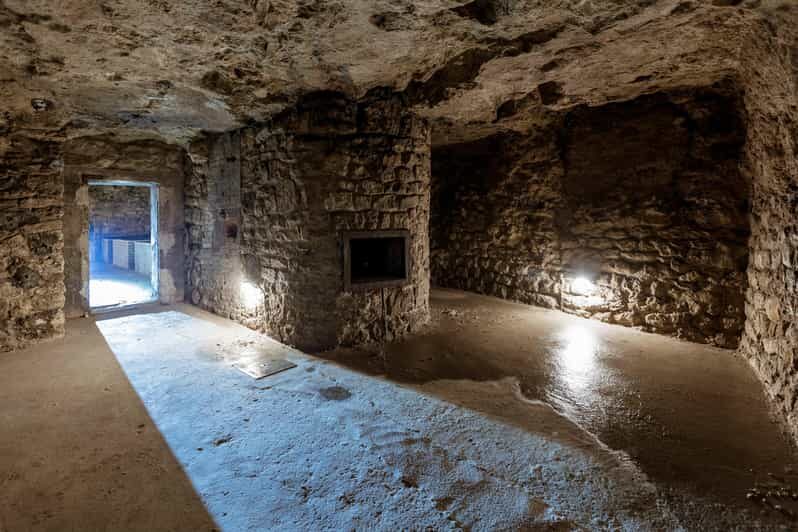
The siege period wasn’t just gunfire and fear. It was also cold, lack of water and food, darkness, overcrowding, and diseases. The tour explains that people tried to salvage their lives and possessions, and even tried to protect the treasures of the Royal Palace while the city was effectively sealed off.
What makes this part valuable for you is the focus on daily hardship. It’s easy to think of famous battles as “events.” Here, the tour frames the siege as weeks of waiting, suffering, and making do—exactly the kind of experience that’s hard to grasp until you’re surrounded by the underground reality.
The guide portion is important too. Several named guides—like Rita and Jonas—are praised for pacing and for sharing lots of detail about what happened before, during, and after WWII in Budapest. Another guide, Balacsz, is highlighted for passionate historical storytelling that connects what you’re seeing underground with what Hungarian citizens endured.





Lovas Way: coming back up and spotting what’s left
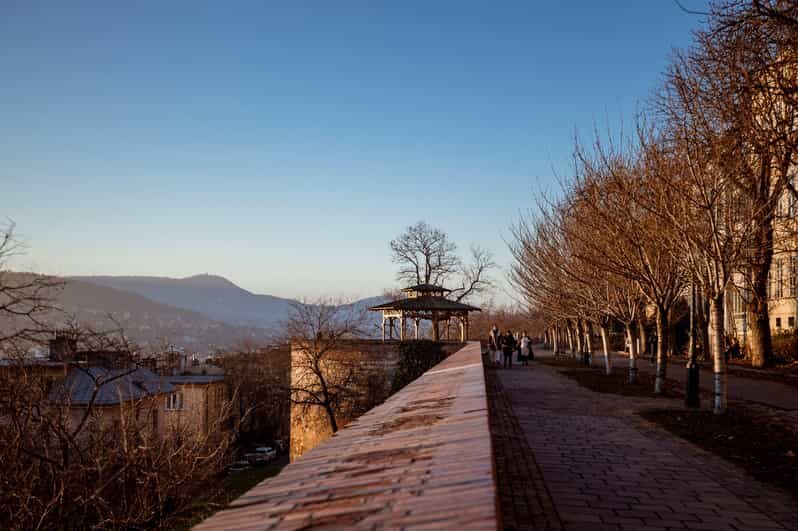
After the underground portion, you move back onto Lovas Way for more above-ground context. This is where you can connect the “why” to the “what you saw.”
If you’re lucky with timing and weather, the finish can feel especially satisfying because you’re getting your last perspective on the castle district after spending the earlier part of the tour underground. One of the standout details from the experience is that some guides have pointed out remaining siege traces visible around the area—like ventilation shafts that hint at how shelter systems worked.
A practical note: this is still part of a walking tour on cobbled streets and solid surfaces. Even if you’re feeling better after the stairs down, you’ll want that comfortable shoe grip.
Finishing at Szentháromság Square: a clearer picture of the whole district
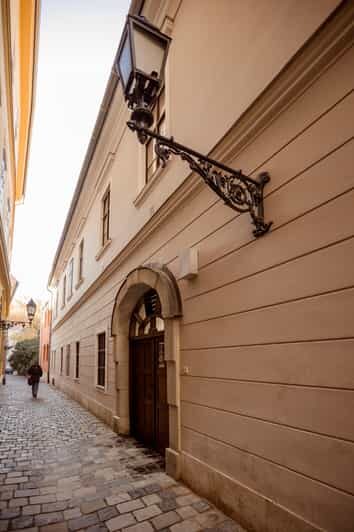
The tour ends at Szentháromság tér (Szentháromság Square). By the time you reach the end, you should have a much more connected view of Castle Hill—how the Royal Palace area related to the shelter network, and why the siege is often described in the same breath as Stalingrad.
This ending point also gives you a smart next step. If you want to keep exploring, you’ll already know what to look for—places where bullet holes or structural clues might still exist, and how the district’s geography supports what happened during the siege.
Price and what you actually get for $24
At $24 per person for about 90 minutes, this is strong value for a few reasons.
First, the tour includes live English guiding and takes you into areas you can’t easily replicate on your own without understanding what you’re looking at. Second, it’s not only “see the caves.” You also get the supporting context of the siege—how the encirclement began, what the conditions were, and how survivor accounts fit into the story.
Third, it’s a relatively short commitment for a topic that can otherwise balloon into a half-day of museum hopping. One reviewer even called it the perfect length—exactly the kind of practical pacing you want when the subject matter is heavy and you’ll be moving constantly.
Who should book this tour (and who should skip it)
This tour is best for you if:
- You like WWII history, especially the siege of Budapest and the human side of survival
- You want something more physical than a museum—walking above ground and then stepping into the shelter reality below
- You appreciate guided storytelling that ties buildings and cave spaces to what happened in real life
I’d skip it if:
- You’re under 14 (recommended age is 14+)
- You have mobility challenges or use a wheelchair (it’s not suitable)
- You have claustrophobia or you know tight, dark tunnels hit you hard
- You hate wet surfaces and steep steps—because parts of the route include them
Practical tips so you enjoy it instead of wrestling it
This is the kind of tour where small choices matter.
Bring:
- Comfortable walking shoes (the route involves steep stairs and narrow corridors)
- Warm layers even in warmer months (the cave and cellar stay around 12°C / 54°F)
- Water and snacks, since you’ll be moving through the district for about 90 minutes
- A mindset that this can feel emotionally heavy—one guest described it as sad and difficult emotionally, and that’s not a bad warning to respect
Also:
- Dress for all weather. The tour runs in all conditions, including rain.
- Plan to arrive early so you can start without stress. The tour starts promptly.
Should you book the WWII Siege of Buda Castle & Bomb Shelter Tour?
If you want the Siege of Budapest explained in a way that connects history to place, I think this is an excellent booking. The mix of above-ground traces (like bullet holes and ventilation clues) with underground cellar and bomb-shelter spaces makes the story feel concrete fast.
That said, it’s not a light outing. It’s physical, it’s tight in sections, and the emotional tone is serious. If you’re comfortable with caves, stairs, and dark corridors—and if WWII history is your thing—this tour is worth it for the way it turns the castle district into a living survival map.
If you want to learn a lot in a short time, and you like English live guiding from people who clearly care about the topic, book it and wear layers.