REVIEW · BUDAPEST
Budapest Urban Feast – Food Tour with Wine Tasting & Coffee House
Book on Viator →Operated by Budapest Urban Walks · Bookable on Viator
Budapest smells like paprika and possibility. This 3-hour food tour strings together Central Market Hall, market-hall wine tasting, and Hungarian sweets in a way that feels practical, not touristy. You’ll follow a local foodie guide through local spots and get plenty of chances to ask questions about food and everyday life in the city.
I like two things in particular. First, you start at Nagyvásárcsarnok (Central Market Hall)—a building with real backstory, not just pretty photos. Second, the price covers the key eating pieces: lunch, snacks, bottled water, plus wine and other alcoholic beverages.
One thing to consider: if you’re very picky about alcohol or have strict dietary needs, you should flag it when booking. The tour includes alcoholic tastings, so it’s best to communicate early.
In This Review
- Key things that make this tour worth your time
- Central Market Hall: your first stop sets the tone
- Historic market wine tasting: more than a sip
- Lunch and snacks included: eat like you mean it
- Hungarian sweets at a 19th-century confectionery
- Coffee-house stop: closing the loop on a food day
- Price and value: what you’re really paying for
- Timing, meeting points, and how to plan your day
- Who should book this Budapest Urban Feast tour?
- Should you book Budapest Urban Feast?
- FAQ
- How long is the Budapest Urban Feast food tour?
- What does the tour cost?
- What’s included in the price?
- Is admission to Central Market Hall included?
- Where do you meet and where does the tour end?
- Is hotel pickup and drop-off included?
- Can I cancel for a full refund?
Key things that make this tour worth your time
- Central Market Hall as the anchor: start in Budapest’s best-known indoor market and learn what makes it tick
- Wine tasting in a traditional market setting: you don’t just drink, you learn the context
- A 19th-century Hungarian confectionery: sweets come with a little historical flavor, too
- Lunch + snacks + bottled water included: you won’t be doing math mid-walk
- Small group size (max 15): easier questions, less waiting around
- Guides like Ferenc and Fanni: reviews highlight lively history talk alongside the food
Central Market Hall: your first stop sets the tone
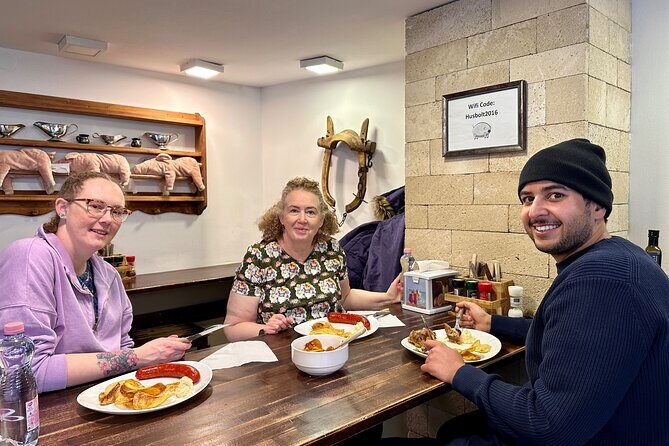
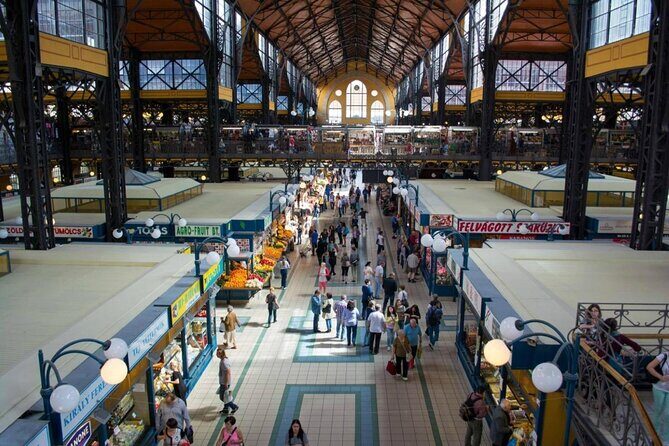
Your tour begins at Kálvin tér 7 (1092) and starts with a big, obvious fact: Budapest has markets you can build a day around. The first hour is at the Great Market Hall, also called Central Market Hall or Nagyvásárcsarnok—the largest and oldest indoor market in the city.
This hall wasn’t thrown together last minute. The idea of building such a large market came from the first mayor of Budapest, Károly Kamermayer, and it was his biggest investment. He retired in 1896 and took part in the opening ceremony on February 15, 1897. Knowing that makes your walk through the stalls feel less random and more grounded in how the city fed itself for generations.
What I like for you here is that the guide uses the market as a “map” for understanding Hungarian food culture. You’re not only sampling items—you’re also getting explanations for why certain ingredients show up again and again. Based on the experience people describe, this is where you’ll likely hear about Hungarians’ love for paprika and meat, plus how those flavors fit into everyday cooking.
Watch-out: Central Market Hall is indoors, but you’ll still be walking around outside between stops. Wear comfortable shoes and plan for typical city weather.
You can also read our reviews of more food & drink experiences in Budapest


Historic market wine tasting: more than a sip
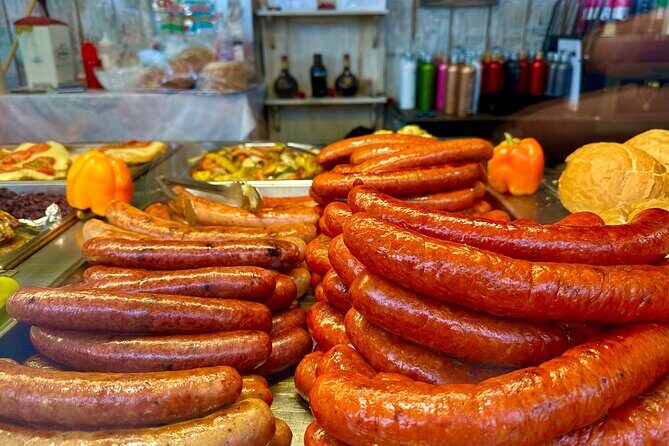
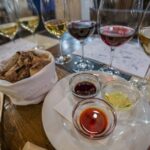
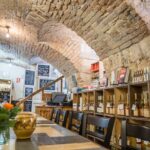
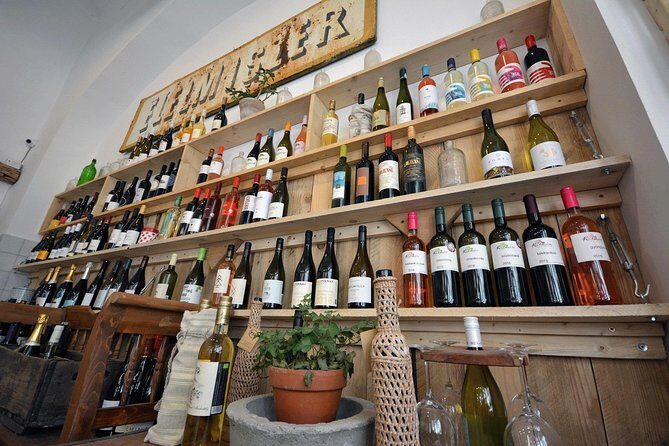
After you’ve gotten your bearings in the market hall, the tour moves into the part that makes it different from a basic food tour: wine tasting. You’ll sip wine in a traditional setting tied to the market atmosphere rather than a modern, generic bar.
Why that matters: market-hall tastings tend to feel connected to the food itself. You’re tasting in the same environment where you’re learning what people actually buy and cook with. And since the tour includes alcoholic beverages, this is not a token taste where you barely get a chance to figure out what you like.
If you’re curious about Hungarian wine, this is a good introduction without going full wine class. You can use the tasting to decide what style you prefer—then later you can shop with confidence or order with less guessing.
Consideration: since wine is included as part of the experience, it’s worth letting the operator know if you’d rather limit alcohol.
Lunch and snacks included: eat like you mean it
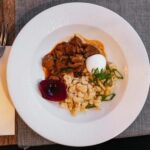
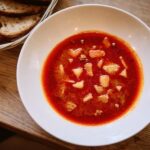
By the time the tour hits its main eating rhythm, you’ll be glad lunch and snacks are included. The tour provides lunch, snacks, and bottled water, plus the food-and-drink stops for local specialties.
This is a value point worth taking seriously. At $133.81 per person, you’re paying for a guided experience plus a set amount of food. You’re not just buying “a few bites,” and you’re not constantly calculating whether you should spend extra on each stop.
In practice, it also reduces stress. You can walk without worrying about finding a reliable place to eat, and you won’t end up hungry while your group is waiting on the next tasting. For a city like Budapest—where it’s easy to get distracted by sights—having your meals built into the schedule keeps the day moving.
What to do: If you’re the type who gets snacky easily, you still want to show up with some room. The tour is only about 3 hours, but the included food means you’ll likely feel satisfied rather than just “slightly fed.”
Hungarian sweets at a 19th-century confectionery
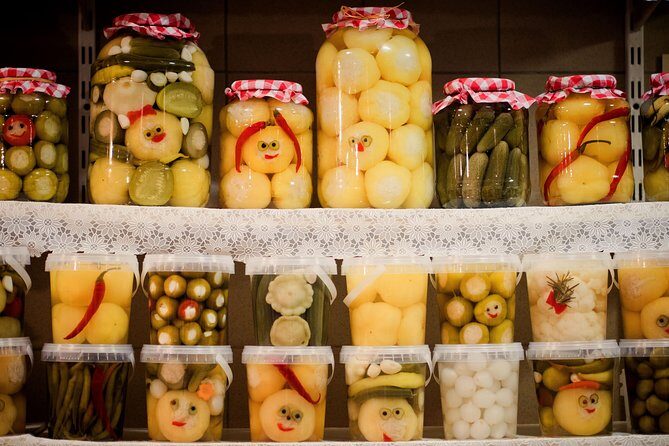
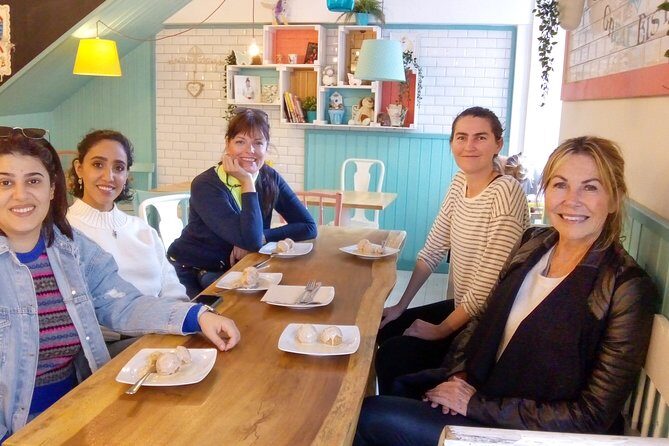
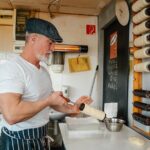
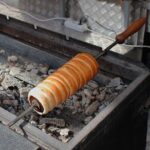
Next up is one of the most fun parts for many people: Hungarian sweets at a traditional confectionery dating to the 19th century. This isn’t just dessert. It’s a cultural stop that helps you understand how Hungarian flavors show up when things get sweet.
The 19th-century timing is meaningful. Budapest’s food traditions didn’t form overnight, and confectioneries like this are part of the story of how people treated celebrations and everyday comfort. You’re tasting something rooted in older tastes rather than only chasing modern pastry trends.
What I like for you is the pacing. After the market and wine, sweets act like a reset button. They also make it easier to compare flavors across stops—something you don’t always get when the tastings are all savory.
If you have a sweet tooth: this is likely your favorite segment. If you don’t: you’ll still get variety, and the guide can help you choose what to try within the stop.
Coffee-house stop: closing the loop on a food day
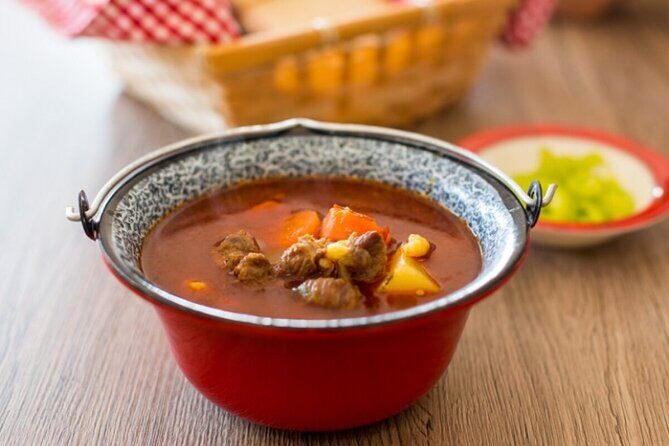
The tour name includes a coffee house element, and this kind of stop is the right way to wrap up a walking food experience. Coffee-house culture in Europe is about more than caffeine; it’s where people slow down and talk, often over something small and sweet.
In a 3-hour program, the coffee stop gives you that “pause” moment. You get a chance to digest, compare flavors in your group, and ask your guide about what you should try later on your own.
Also, coffee-house stops are handy for travelers who don’t want the food-and-drink portion to keep climbing. Even if you’re not a wine person, coffee usually offers an alternative way to enjoy the setting and keep the tour feeling complete.
Practical tip: plan to sip slowly. With lunch, snacks, wine, and sweets in the mix, it’s smart to pace yourself.
You can also read our reviews of more tours and experiences in Budapest


Price and value: what you’re really paying for
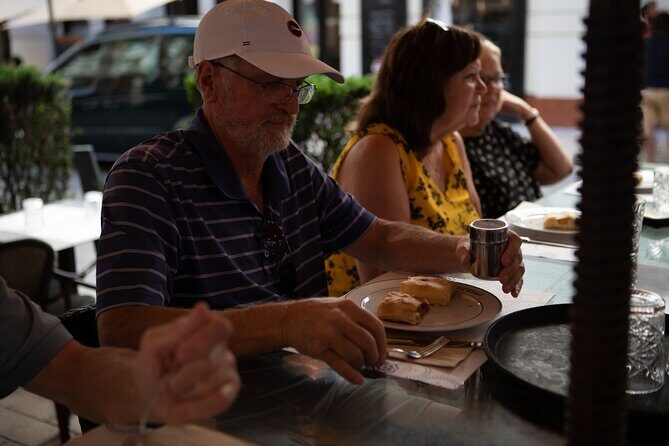
Let’s talk money in real terms. The tour costs $133.81 per person. It runs about 3 hours, and it’s a small-group experience with a maximum of 15 travelers.
Here’s where the value comes from: the price includes lunch, snacks, bottled water, and wine plus other alcoholic beverages. It also includes food stops for local specialties and maps and further recommendations—so you’re not leaving with a full stomach only to have no next steps.
If you tried to recreate this on your own, you’d spend time solving problems: where to go, what to order, how much to budget, and how to figure out what’s actually worth your money. A guide helps with selection and context, and it can turn a confusing market day into something you understand fast.
Is it pricey? Compared to a basic self-guided market wander, yes. Compared to a guided tasting schedule with lunch and alcohol included, it’s more reasonable—especially if you’ll actually use the wine and dessert portions.
Timing, meeting points, and how to plan your day
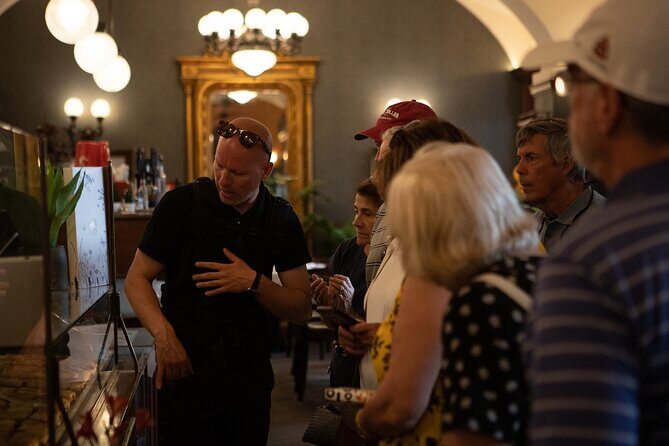
The tour lasts about 3 hours. It operates in all weather conditions, so dress for rain or wind and not just sunshine.
You’ll start at Budapest, Kálvin tér 7, 1092. The tour ends at the Hungarian State Opera, Andrássy út 22, 1061. That matters for planning: your afternoon walk likely lands you in a prime area for continuing the sightseeing loop.
Also, the tour is near public transportation, which is helpful if you don’t want to fight taxi or parking decisions. And since hotel pickup and drop-off isn’t included, you’ll want to plan your own arrival and departure.
What to bring: comfortable walking shoes, a light layer for changing weather, and a willingness to eat more than you planned. This isn’t a “sample and sprint” style.
Who should book this Budapest Urban Feast tour?
This is a strong choice if you want Budapest food culture with structure. I think it suits you best if you like learning while you eat—especially if you’re interested in how Hungary’s ingredients and flavors show up in real places.
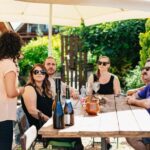
It also works well if you value a small-group feel. With a maximum of 15, the tour stays conversational instead of feeling like a line of people moving past stalls.
From the guide stories shared by previous participants, the experience can include lively food-and-history talk. People have mentioned guides such as Ferenc and Fanni, with discussion that connects Hungarian cuisine to the city. If you’re the type who likes hearing why a dish or ingredient matters, this will likely feel rewarding.
Consider skipping or switching plans if you’re unable to participate in alcohol tastings or you have dietary restrictions that require careful handling. While you can request dietary needs when booking, the tour includes wine and alcoholic beverages, so communication is key.
Should you book Budapest Urban Feast?
I’d book this if you want a guided Budapest food afternoon that already has the “hard parts” solved: good places to eat, wine tasting included, and a logical walking flow from market hall to dessert and coffee.
Choose it if you’re open to trying more than one sweet and more than one drink and you want someone to explain what you’re seeing instead of guessing. And if you’re planning to explore around the Hungarian State Opera afterward, the end point is convenient.
Skip it if you don’t like structured tasting schedules, want total control of every menu choice, or need alcohol-free options without any tastings. In that case, you’ll be happier with a different tour format—or you’ll need to be very direct about your preferences during booking.
FAQ
How long is the Budapest Urban Feast food tour?
The tour runs for about 3 hours.
What does the tour cost?
The price is $133.81 per person.
What’s included in the price?
It includes various stops for local food and drink specialities, wine tasting, maps and further recommendations, lunch, snacks, bottled water, and alcoholic beverages.
Is admission to Central Market Hall included?
Yes. The Central Market Hall stop notes that the admission ticket is free.
Where do you meet and where does the tour end?
You start at Budapest, Kálvin tér 7, 1092 Hungary. The tour ends at the Hungarian State Opera, Budapest, Andrássy út 22, 1061 Hungary.
Is hotel pickup and drop-off included?
No, hotel pickup and drop-off are not included.
Can I cancel for a full refund?
Yes. Free cancellation is available, and you must cancel at least 24 hours before the experience’s start time for a full refund.