Hunger doesn’t stand a chance on this Budapest walk. You’ll follow your guide past the Hungarian State Opera and big central landmarks, while tasting Hungarian street food and wine along the way. It’s a smart way to see the city center and eat like you mean it.
I love the lineup of classic favorites—strudel, crispy langos, hearty goulás, local cheeses, pickled vegetables, and coffee—so your meal feels like a real Hungarian sampler. I also like the small pace and small group: with max 12 people, your guide can answer questions without herding you along.
The only thing to plan for is the walking. You’ll cover a good bit of ground, so bring comfortable shoes and go hungry—this tour is built for eating.
In This Review
- Key things I’d circle on your map
- A small-group Budapest centre food walk with real local stops
- Walking route: Hungarian State Opera to Parliament area in ~3 hours
- What makes each landmark stop matter (beyond photo ops)
- The tastings list: Hungarian classics you’ll actually taste
- Lángos, goulás, and strudel: why these dishes work as a lesson
- Wine (and the occasional palinka-style moment)
- Your guide experience: George, Zoltán, and other local voices
- Price and value: what you’re really paying for at $118.51
- Who should book this Budapest Centre Food Tour (and who should skip)
- Should you book this Budapest food tour or not?
- FAQ
- FAQ
- How long is the Budapest Centre Food Tour?
- Where does the tour start?
- Where does the tour end?
- How many tastings are included?
- What food and drinks are included?
- Is wine included?
- Is hotel pickup or drop-off included?
- What’s the group size?
- Is the tour offered in English?
- Does the tour involve a lot of walking?
Key things I’d circle on your map
- 10+ tastings in about 3 hours including langos, strudel, goulás soup, sausages, cheeses, coffee, and a secret dish
- Central sightseeing route starting at the Hungarian State Opera and running toward St. Stephen’s Basilica and the Parliament area
- Wine and water included (red or white Hungarian wine plus water)
- Small group size (max 12) for better conversation and easier timing at each stop
- Smart ending point near Nyugati Station at Báthory utca 23, close to the Hun&Only Club (Gustave Eiffel design)
A small-group Budapest centre food walk with real local stops
This is the kind of tour that makes the city center feel human. Yes, you pass major sights, but the point is the food—and how Hungarian cooking shows up in everyday life.
You get a guide who blends “what you’re eating” with “why it matters.” That’s the part I really enjoy because it turns food into a story you can remember while you keep walking. And since the group stays small (up to 12), you don’t get stuck shouting across a crowd.
One practical note: this tour is designed to be a food-focused morning/afternoon. If you eat a big breakfast first, you’ll likely feel stuffed before the last tastings. That’s not a problem with the tour—it’s just physics, and Hungary is happy to use it on you.
You can also read our reviews of more food & drink experiences in Budapest


Walking route: Hungarian State Opera to Parliament area in ~3 hours
The meeting point is at Budapest, Andrássy út 22, 1061 Hungary, by the Hungarian State Opera. The tour includes a quick stop there (about 15 minutes) with admission ticket free for that visit time.
From there, the route stays in central Pest. You’ll also pass areas tied to St. Stephen (the first king of Hungary) at the Roman Catholic Basilica named in his honor, plus a public square in the Lipótváros neighborhood. The day ends near the West Station area at Báthory utca 23, in the vicinity of the Hun&Only Club, designed by Gustave Eiffel.
What I like about this setup is that it’s not random. You’re walking through recognizable city landmarks while your tastings keep showing up in between. If you want an easy way to get your bearings fast, this does it.
The drawback: if you’re sensitive to steps and uneven sidewalks, plan around it. The tour does recommend comfortable shoes, because you’ll be on your feet for a chunk of time.
What makes each landmark stop matter (beyond photo ops)
This tour isn’t just “look at the building, then eat.” The sights give context to the food—and to how people think about Hungary.
At the Hungarian State Opera, you get a quick orientation to the kind of grandeur you see in central Budapest. It’s a fitting start point because the rest of the walk moves between major civic landmarks and everyday eating places. You’ll also get commentary about Hungarian culinary specialties, which helps you connect the monuments to the meals in your hands.
St. Stephen’s Basilica is more than a striking skyline feature. The tour focuses on the naming of the church and the historical figure of Stephen, whose right hand is held as a reliquary. That religious-cultural thread matters because Hungarian identity runs through food habits, family meals, and seasonal traditions.
When you reach the Parliament building area, the contrast gets interesting. Big politics and big flavor sit side-by-side on your route. And the Lipótváros square stop helps you understand the city’s more formal “center stage” spaces—useful if you want to walk around later and recognize what you’re seeing.
The tastings list: Hungarian classics you’ll actually taste
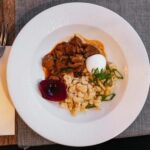
This tour is built around 10+ tastings, and the included food spans both street-style and comfort-food Hungary. Here’s what you can expect to be served during the walk:
- Mouth-watering strudel
- Crispy Hungarian lángos
- Tangy pickled vegetables
- Delicious Hungarian sausages
- Finest local cheeses
- Hearty goulás soup
- Freshly baked bread
- Rich, aromatic coffee
- A secret dish (the fun wildcard)
What this means for you in real terms: you’re not just sampling one category of food. You’ll hit pastry (strudel), savory street food (lángos), tangy sides (pickles), proteins and sausages, dairy (cheeses), and a bowl meal (goulás). Add in bread plus coffee, and you get a full Hungarian rhythm: salty, sour, warm, and sweet.
Another helpful detail is that you’re not left hungry between stops. The pacing is designed so you keep eating at intervals rather than waiting forever for the next meal.
One caution: some of these dishes are filling. If you’re the type who likes to save room for dessert, try to treat this as your dessert plan too.
Lángos, goulás, and strudel: why these dishes work as a lesson
If you want a quick cheat sheet for Hungarian eating, this tour’s menu does it for you.
Lángos is one of the most recognizable Hungarian street-food styles, fried and crisp, and often served hot in a way that makes it feel like a snack you can’t rush. It’s also a great “first bite” because it tells you how much Hungarians love warm, savory comfort.
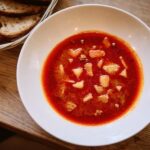
Goulás soup is your hearty centerpiece. It’s the kind of meal that makes winter in Budapest make sense, but it’s also a year-round favorite. When you get a spoonful on this route, it’s easier to understand why it shows up everywhere from casual places to more formal meals.
Strudel brings the sweet counterbalance. It helps that you’re pairing pastry with coffee, because Hungarian sweets and coffee culture go together naturally. Even if you’re not a big dessert person, you’ll likely find a bite you like here.
Then there’s the secret dish, which is exactly the right move for a food tour. It keeps your tasting experience from feeling too predictable, and it often turns into the dish you remember long after you’ve left the table.
You can also read our reviews of more tours and experiences in Budapest



Wine (and the occasional palinka-style moment)
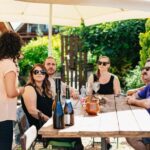
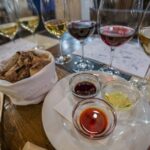
Drinks are part of the point here. You get red or white Hungarian wine included, plus water.
This is a good setup if you want a light pairing with your food without tracking down wine bars yourself. You’ll also learn how drinking fits into the broader food culture—Hungarian meals tend to feel social, and tastings help you feel that faster.
One detail I’d flag based on what I’ve heard about how the day can end: the final stop sometimes has a secret-feeling vibe, with samplings that can include paprika-forward flavors and even a shot-style spirit moment. If that’s your thing, this tour has the ingredients for a fun finish.
If you prefer to avoid alcohol, you can still enjoy the tastings—just plan to pace yourself. With wine included, you’ll likely want to drink moderately and let the food do the heavy lifting.
Your guide experience: George, Zoltán, and other local voices
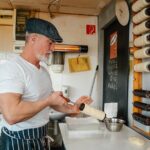
A big part of this tour’s success is the guide style. Names that have come up include George, Zoltán, Angela, Kitti, and Gabor—and the common thread is a mix of food explanation and city context.
The best guides on this route do two things well. First, they explain what you’re eating in plain terms (what it is, how it’s used, why locals go for it). Second, they keep the walking stops connected to the bigger picture: history, culture, and modern norms.
It also helps that the tours are small. With fewer people, you can ask follow-ups, get clarification, and actually hear the details rather than catching phrases between mouthfuls.
Price and value: what you’re really paying for at $118.51
$118.51 is not a bargain snack crawl. But it’s also not a random “tour fee” with a couple of crumbs.
You’re paying for a guided, timed route that includes 10+ tastings, plus wine and water. You also get some paid value built in: the start includes the Opera visit time with admission ticket free for that segment.
The value calculation becomes easier if you think in terms of meals you’d otherwise buy back-to-back. You’re essentially getting multiple “mini meals” across a few core Hungarian categories—street food, soups, dairy, sweets—while someone else handles finding places and keeping everything on schedule.
What you should watch: there’s no hotel pickup or drop-off. So your true cost includes how you get to the meeting point and from the ending location.
Who should book this Budapest Centre Food Tour (and who should skip)
Book it if you want your Budapest first days to include flavor and orientation. This fits well for:
- First-timers who want to see central landmarks without planning every stop
- Food lovers who like variety: fried savory, soups, cheeses, and sweets
- People who enjoy a guide telling you what you’re eating and why it matters
You might skip it if:
- You hate walking and want minimal steps
- You prefer eating at only independent tiny places and would be bothered by the occasional larger, well-known stop (this route aims to reflect everyday Budapest, not only one style of restaurant)
If you do book, my best tip is simple: eat lightly before you go, wear comfy shoes, and treat it like your main meal plan for the day. Your future self later will be grateful.
Should you book this Budapest food tour or not?
I’d book it if you want a straightforward, guide-led way to taste Hungarian classics in a compact time window. The menu hits the right variety—lángos, goulás, strudel, cheeses, coffee—plus wine and water, and you finish in a convenient spot near West Station.
If you’re walking-comfortable and you like your food tours with both history and practical city context, this one’s a strong choice for Budapest centre. Just don’t show up stuffed, because the food quantity is part of the deal.
FAQ
FAQ
How long is the Budapest Centre Food Tour?
It runs for about 3 hours.
Where does the tour start?
The start is at Budapest, Andrássy út 22, 1061 Hungary.
Where does the tour end?
The tour ends at Budapest, Báthory utca 23-1054, 1054 Hungary, near the West Station area.
How many tastings are included?
The tour is described as a 10+ tastings experience.
What food and drinks are included?
Included items include strudel, lángos, pickled vegetables, Hungarian sausages, local cheeses, goulás soup, bread, coffee, a secret dish, red or white Hungarian wine, and water.
Is wine included?
Yes. Red or white Hungarian wine is included, along with water.
Is hotel pickup or drop-off included?
No. Hotel pickup and drop-off are not included.
What’s the group size?
The group maximum is 12 travelers.
Is the tour offered in English?
Yes, the tour is offered in English.
Does the tour involve a lot of walking?
Yes, it involves a fair amount of walking, so comfortable shoes are recommended.