REVIEW · BUDAPEST
Cinematic Virtual Reality City Tour in a Russian Jeep
Book on Viator →Operated by BUDTOURS · Bookable on Viator
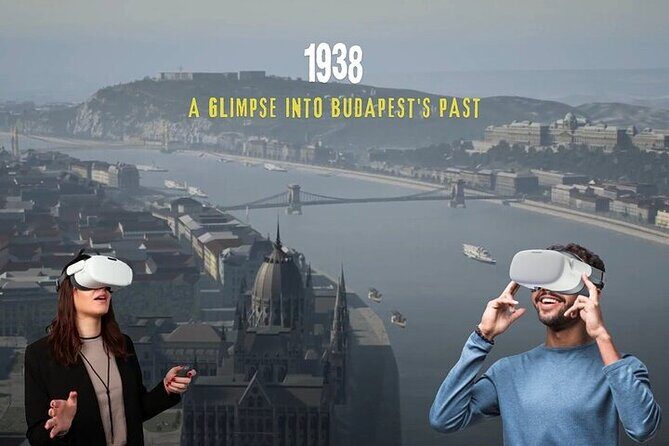
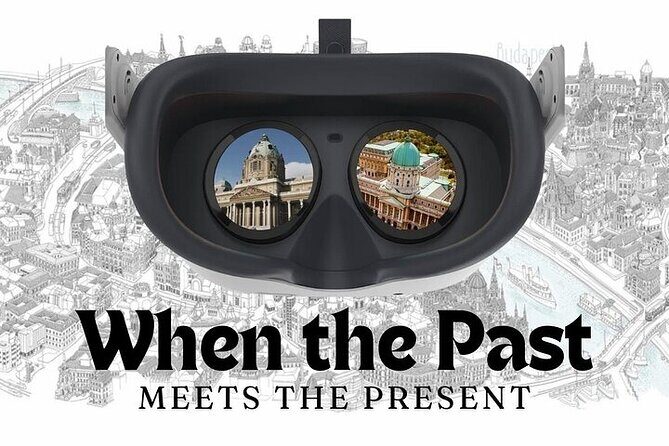
Forget guidebooks; put on the VR headset. This Budapest tour pairs a Russian Jeep city drive with short cinematic 2D VR scenes that show the city as it looked in the past—right at the landmarks you’re stopping for.
I like two things most: the VR headset moments at each stop, which turn the usual photo stop into an actual story you can watch; and the friendly, in-person English guide plus a driver who keeps the ride fun and question-friendly (for example, Zsombor stood out for being attentive and funny, and for answering lots of questions).
One thing to consider: a few key sights have separate admission. Matthias Church is listed as not included, and only the upper level of Fisherman’s Bastion requires an admission fee, so you’ll want to plan for optional tickets if you want full access.
In This Review
- Key Points You’ll Care About Before You Go
- What This Budapest VR Jeep Tour Actually Feels Like
- Price and Value: Why Around $3 Is So Temising
- How Pickup, Private Transport, and the Timing Work
- Castle Hill: Castle Garden, Fisherman’s Bastion Views, Matthias Church, and Buda Castle
- Buda Castle Garden Bazaar (Stop Time: about 3 minutes)
- Chain Bridge Lion Statues (Stop Time: about 5 minutes)
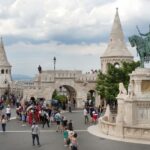
- Fisherman’s Bastion (Stop Time: about 15 minutes)
- Matthias Church (Stop Time: about 15 minutes, admission not included)
- The wider Buda Castle / Castle Quarter area
- Danube Icons in Motion: Parliament, Basilica, and the View-First Approach
- Hungarian Parliament Building (Pass by with VR time)
- St. Stephen’s Basilica (Stop not fully detailed, admission not included)
- Andrássy Avenue to the Opera House: UNESCO Boulevard Feel
- Andrássy Avenue (Stop time: about 15 minutes, free)
- Hungarian State Opera House (Stop time: about 5 minutes, admission not included)
- House of Terror area (Pass by)
- Heroes’ Square and the End of Andrássy: Big Monument Energy
- Blaha Lujza tér and Ferenciek Square: Where Past Meets Everyday Life
- Blaha Lujza Square (Stop time: about 5 minutes, free)
- Ferenciek Square and Paris Garden area (Stop time: not specified)
- New York Palace area (Coffee/tea mention)
- The Old Erzsébet Bridge VR Moment: A Clever History Shortcut
- Drinks, Headsets, and Your Comfort: Practical Stuff That Changes the Experience
- Who This Budapest VR Jeep Tour Is For (and Who It Isn’t)
- Should You Book This VR Jeep City Tour?
- FAQ
- FAQ
- How long is the Budapest Cinematic VR City Tour in the Russian Jeep?
- What is included with the tour besides the VR experience?
- Do I need to pay admission fees for any stops?
- Is this tour private?
- What languages is the guide available in?
- Is the tour suitable if I have epilepsy?
- What is the cancellation policy?
Key Points You’ll Care About Before You Go
- Cinematic VR at multiple landmarks: you watch Budapest’s past on-site instead of reading captions.
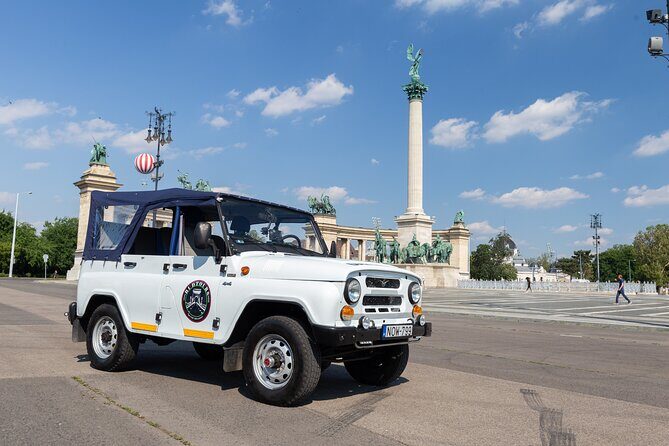
- Private Russian Jeep transportation: fewer logistics, more comfort, and an old-school vehicle feel.
- Hotel pickup and drop-off: you skip the hassle of meeting up across town.
- Mostly free sightseeing stops: many areas are free, with a couple specific paid components.
- Not recommended for epilepsy: the VR headset experience is a hard no if you have photosensitive risk.
What This Budapest VR Jeep Tour Actually Feels Like
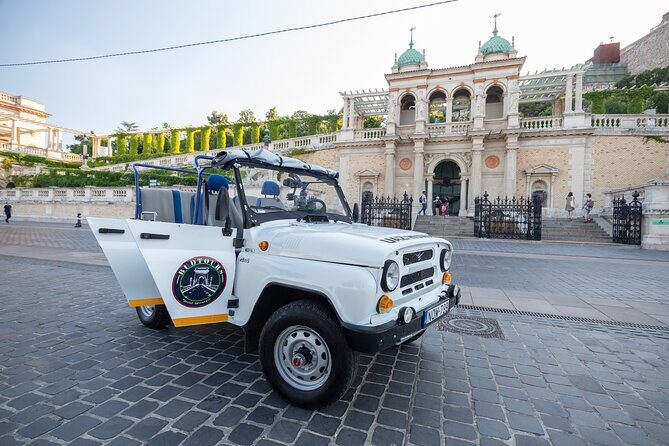
This is not a long, museum-stuffed day. It’s a focused, about-2-hour circuit that uses a simple idea: show you a real landmark, then let VR show what was happening there before today’s skyline took over.
The big payoff is that the VR is tied to where you are. Instead of walking through Budapest with names in your head, you get scenes that line up with what you’re looking at—bridges, castle walls, church facades, and major squares. That makes the city feel less like a checklist and more like a timeline.
The Jeep part matters, too. Even if you’re not into vehicles, it changes the pace. You’re not rushing between far-apart corners on foot. You’re riding, stopping briefly, then watching your next “then and now” moment.
You can also read our reviews of more city tours in Budapest

Price and Value: Why Around $3 Is So Temising
The price listed for this experience is $3, which sounds almost too low for a private setup with VR gear and hotel pickup. The value calculation here isn’t about whether the price is high or low—it’s about what you get for a short window: transport, VR equipment, an English-speaking guide, and a planned route with several free stops.
The main tradeoff: because it’s VR-forward and time-limited, you’re not getting deep, ticket-based interiors across everything. You’ll likely spend your time on exterior viewpoints, short walking moments, and VR segments, while certain sites remain pay-to-enter if you want full access.
So if your goal is a quick “get oriented fast” Budapest experience with a fun twist, this is the kind of tour that can feel like a bargain. If your goal is hours inside churches and museums, you’ll probably want to pair it with separate admissions later.
How Pickup, Private Transport, and the Timing Work
This is a private tour/activity, meaning it’s only your group. That matters because it keeps the experience calm and adjustable. You’re not stuck with a big, split-and-reunite crowd.
You also get hotel pickup and drop-off, plus bottled water on board. In winter, hot tea is included, which is a small detail that can make a big difference when Budapest weather is doing its cold-shoulder routine.
The route is designed for short stops—minutes at key photo points—so the day stays manageable. Expect the tour to run around 2 hours total, with VR segments built into the timeline at the stops.
Castle Hill: Castle Garden, Fisherman’s Bastion Views, Matthias Church, and Buda Castle
If you want the classic Budapest drama, Castle Hill is where it delivers. This part of the tour focuses on Buda Castle’s surrounding area and the views that make people stop dead.
Buda Castle Garden Bazaar (Stop Time: about 3 minutes)
You start with a quick look at the Buda Castle Garden Bazaar, described as a Neo-Renaissance space within the Buda Castle complex. Even with a short stop, it’s useful because it frames the area: this isn’t just one monument. It’s a living cultural zone inside a grand setting, with exhibitions and concerts or dance events when schedules line up.
The practical takeaway: even a brief visit here helps you understand the castle quarter vibe—more than stone walls, it’s a place with regular activity.





Chain Bridge Lion Statues (Stop Time: about 5 minutes)
Next you hit the Széchenyi Chain Bridge area and its lion statues. This bridge connects Buda and Pest and is one of the city’s best-known landmarks. In the tour format, you don’t just look at it—you get ready for the VR moment that explains its dramatic history.
Why this works: bridges are hard to “feel” from photos. Watching the past unfold in VR while standing near the modern structure makes the engineering story click faster.
Fisherman’s Bastion (Stop Time: about 15 minutes)
Fisherman’s Bastion is famous for views over the city, and the tour gives you time for that. The key detail to know: the views are largely free, but only the upper level requires an admission fee.
So you can still enjoy the spot even if you don’t buy the paid access. If you’re planning to climb for the best angles, that’s where your extra ticket consideration comes in.
Matthias Church (Stop Time: about 15 minutes, admission not included)
Matthias Church is described as a standout interior: an unusual mix of oriental flair and romantic historicism, with Neo-Gothic vibes on top. This is one of those stops where the building itself tells you to slow down.
But the tour notes Matthias Church entry is not included, so treat this as a “plan for optional tickets if you want the interior.” If you’re happy with exterior impressions, you can still benefit from the guided context and the surrounding Castle Hill atmosphere.
The wider Buda Castle / Castle Quarter area
The tour also frames the larger Castle Hill complex as a UNESCO World Heritage Site with Medieval, Baroque, and Neoclassical styles. This is the part that turns your route from “a few sights” into an actual area: historic houses, churches, and the sense of layers that Budapest gained over time.
The VR element here is the big reason to include this stop. You’re watching the castle’s grand past come alive while you’re physically in the quarter, so it feels like the present scene gains a second timeline.
Danube Icons in Motion: Parliament, Basilica, and the View-First Approach
After Castle Hill, you shift into Pest’s major landmarks. This part is more about positioning—you get placed near the city’s most important civic buildings and then guided through what you’re looking at.
Hungarian Parliament Building (Pass by with VR time)
The Hungarian Parliament Building on Kossuth Square by the Danube is described as neo-Gothic, Hungary’s largest building at the time of construction, and a strong national symbol. In this tour, you get a VR journey focused on the building’s past while you’re near it.
Even if you don’t go inside, this is valuable. Parliament is all about context—who built it, why it matters, and how it connects to Hungary’s identity. VR helps because it can show that story as you stand in the right place.
St. Stephen’s Basilica (Stop not fully detailed, admission not included)
St. Stephen’s Basilica is highlighted as honoring Hungary’s first king and as the third largest church in Hungary and the tallest in Budapest. It also holds World Heritage Site status.
Entry isn’t included, so treat this as a viewpoint-and-explanation stop unless you add your own ticket later. Still, knowing what the church represents changes how you look at it—especially in a city where religious architecture is part of the skyline language.
Andrássy Avenue to the Opera House: UNESCO Boulevard Feel
Andrássy Avenue is one of Budapest’s grand boulevards, lined with Neo-Renaissance buildings and UNESCO recognition. On this tour, you don’t just drive past it—you pause long enough for it to register.
Andrássy Avenue (Stop time: about 15 minutes, free)
Expect a mix of old-world street grandeur and modern city use: upscale boutiques, cafes, and restaurants. The tour also flags major cultural sites along the avenue, including the State Opera House and other museums and institutions.
This stop works well if you like city texture. It’s also practical because the avenue is easy to understand as a “main spine” connecting major neighborhoods.
Hungarian State Opera House (Stop time: about 5 minutes, admission not included)
The Hungarian State Opera House is described as neo-Renaissance, with a symmetrical façade and statues of composers. Inside, the tour notes marble sphinxes, frescoes, and gold accents—again, the tour’s VR element handles the time-travel story portion.
Because the stop time is brief and entry isn’t included, your expectation should be: exterior impressions plus VR story, not a full interior visit. If you’re a theater fan, you may want to add a separate opera-house visit on another day.
House of Terror area (Pass by)
The House of Terror at 60 Andrássy Avenue is noted as a museum and memorial for Hungary’s 20th-century struggles under fascist and communist regimes. It’s specifically framed as a place that remembers people imprisoned, interrogated, tortured, or killed.
Even when it’s just a pass-by in a route like this, it matters. It’s a reminder that Budapest’s story includes the hard chapters, not only the scenic ones.
Heroes’ Square and the End of Andrássy: Big Monument Energy
Heroes’ Square is your “wide shot” moment. The tour gives about 15 minutes here, and the focus is the Millennium Monument with statues of important Hungarian leaders and the Seven Chieftains of the Magyars.
This is a great place for a break because the square is open. You can reset your legs after earlier stops and let the scale of the city sink in. The VR story element also helps connect the statue work to the national myth-making that monuments are built on.
Blaha Lujza tér and Ferenciek Square: Where Past Meets Everyday Life
This is the part of Budapest that feels more like normal life, not just sightseeing scenery.
Blaha Lujza Square (Stop time: about 5 minutes, free)
Blaha Lujza tér is described as one of the busiest spots in Budapest and named for actress Blaha Lujza. It used to be home to the National Theatre, and the tour frames it as that past-to-present contrast point.
Then the VR segment brings you back in time to when the National Theatre stood there. That’s exactly the kind of “you’re standing in the right spot” magic that VR does best.
Ferenciek Square and Paris Garden area (Stop time: not specified)
Ferenciek Square is described as elegant and central, with the Paris Garden café zone and the Klotild Palace, which once belonged to the royal family. The tour suggests another VR moment that shows what the square looked like in its former glory.
If you like coffee and atmosphere, the mention of Paris Garden gives you an easy optional add-on. Even if you don’t plan a full stop, it’s a useful area to note for later.
New York Palace area (Coffee/tea mention)
The tour description calls out New York Palace as a popular place for coffee and tea, even chosen as cafe of the year several times. Since no time is stated here, think of it as a “if we have a gap, grab a drink” suggestion rather than a guaranteed stop.
The Old Erzsébet Bridge VR Moment: A Clever History Shortcut
One VR segment is specifically focused on the old Erzsébet Bridge, Budapest’s pride from 1903 to 1945. It mentions construction between 1898 and 1903, and also notes records held for 25 years in its category and for 70 years as a Danube record-holder.
Even without long physical time at the bridge site, this is the kind of detail that makes a city feel engineered, not just scenic. It turns a name you’ve heard into something measurable and historically grounded.
Drinks, Headsets, and Your Comfort: Practical Stuff That Changes the Experience
Small practical details matter with VR. You should plan for the headset to affect your comfort level and pace.
- Bottled water is included, and hot tea is provided in winter.
- The tour is designed as private and family-friendly, which usually means the guide can adapt the flow to your group.
- There’s an explicit note that it is not recommended for travelers suffering from epilepsy.
If you’re prone to motion discomfort, you might want to treat VR time as a short active break, not a long continuous screen marathon. Also, bring a pair of glasses cleaning cloths if you use glasses, since headset lenses and fingerprints are a common enemy on these kinds of tours.
Who This Budapest VR Jeep Tour Is For (and Who It Isn’t)
This tour fits best if you want:
- A short, high-impact introduction to Budapest’s big landmarks
- A playful way to understand the past at real locations
- Private transportation and hotel pickup to reduce stress
- A guided experience in English with in-person support
It may not fit as well if you want:
- Hours inside multiple major buildings with paid tickets as your priority
- A slow pace with lots of free time at any one monument
Should You Book This VR Jeep City Tour?
Yes, book it if you want a fun, time-efficient Budapest orientation where VR turns famous sights into stories. The combination of hotel pickup, private Jeep transport, and cinematic VR at landmarks is a strong value proposition—especially at the listed price point.
But go in with the right expectations: it’s not a full-day ticket marathon. Plan for Matthias Church not included and the upper level fee at Fisherman’s Bastion, and decide in advance whether you want those interiors enough to add separate admissions.
FAQ
FAQ
How long is the Budapest Cinematic VR City Tour in the Russian Jeep?
The duration is about 2 hours.
What is included with the tour besides the VR experience?
Hotel pickup and drop-off, bottled water (and hot tea in winter), private transportation, VR gear/headset, and an in-person English guide are included.
Do I need to pay admission fees for any stops?
Yes. Matthias Church is not included. Also, only the upper level of Fisherman’s Bastion requires an admission fee. Other major building visits mentioned are marked as not included.
Is this tour private?
Yes. It’s a private tour/activity, and only your group participates.
What languages is the guide available in?
There is an in-person English guide.
Is the tour suitable if I have epilepsy?
It is not recommended for travelers suffering from epilepsy.
What is the cancellation policy?
Free cancellation is available. You can cancel up to 24 hours in advance for a full refund, and cancellations within 24 hours are not refunded.