Hot springs and history in a single afternoon. This private tour strings together Budapest’s iconic baths and park landmarks, so you learn how bathing culture grew here, why the buildings look the way they do, and what to look for when you come back on your own. You also get built-in time to taste thermal water and ask questions of a guide who stays with your group.
I like the guided context most: you’re not just standing in line, you’re picking up clear stories about where the Turkish bath tradition shows up and how hot springs shaped the whole scene, with stops explained as architecture and history, not trivia. I also like that it’s a hands-on bath day sampler, with time inside Széchenyi and a quick hit at the Thermal Beer Spa, then calm breaks at the park lakes.
One thing to plan for: Széchenyi admission isn’t included (listed as 30 eur), so your total cost rises once you factor in the one paid entry, plus whatever small extras you decide to buy on-site.
In This Review
- Key highlights you’ll care about
- Why Budapest baths feel like a time machine
- Price and what it really covers (so you don’t get surprised)
- Meeting at Széchenyi, then building your bath-day map
- Stop 1: Széchenyi Thermal Bath and its two-spring heat
- How to spot the Turkish-bath tradition (without hunting on your own)
- Stop 2: Thermal Beer Spa inside Széchenyi
- Stop 3: Városligeti-tó and the seasonal lake routine
- Stop 4: The Lake of City Park and the easy finish
- Why the private guide matters more than you think
- Extras and on-site reality checks (robes, swim caps, and cleanliness)
- Is this tour for you? Best-fit traveler types
- Should you book the Discovering Thermal Baths of Budapest Tour?
- FAQ
- How long is the Discovering Thermal Baths of Budapest Tour?
- What is included in the price?
- How much is Széchenyi Thermal Bath admission, and is it required?
- Is the Thermal Beer Spa ticket included?
- Where does the tour start and where does it end?
- Is this tour private?
- Is the experience refundable if I cancel?
Key highlights you’ll care about
- Széchenyi Thermal Bath focus: Two hot-spring waters feed the bath at 74°C and 77°C, so you’re starting with the real deal.
- Thermal Beer Spa is included, entry-free: It’s inside Széchenyi, giving you an easy add-on without extra ticket hassle.
- A guided history thread: Your guide connects Ottoman-era bathing ideas and even Roman-era bathing influence to what you see around you.
- A smart break after the water: You end at City Park lakes (used for boating seasonally), so your feet and your head get a breather.
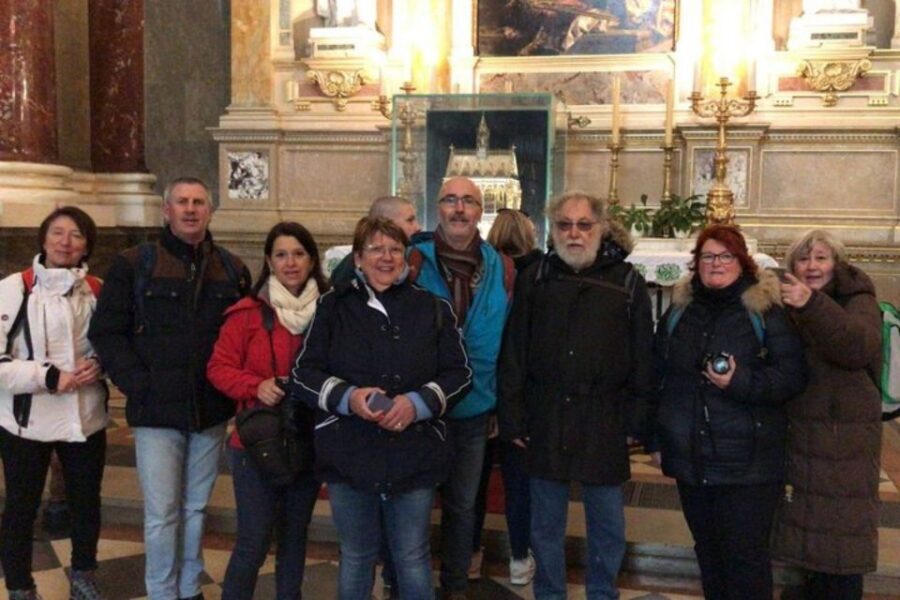
- Private means more questions: You’re not stuck waiting your turn; your group gets attention throughout.
- Mobile ticket and group discounts: The setup is modern, and pricing can work better if you’re traveling with others.
Why Budapest baths feel like a time machine
Budapest’s thermal baths can look confusing from the outside. You see big buildings, steam, and pool-hopping photos, but it’s hard to tell what’s essential, what’s tourist-ready, and what’s simply a good place to soak. This tour is designed to make that decision easier by turning one bath day into a guided orientation.
You start at Széchenyi Thermal Bath, the huge, spring-fed complex many people picture when they think of Budapest bathing. Your guide then threads history and architecture through the visit. That means you’re not only learning where to go inside the maze of pools—you’re learning why the maze exists.
Then the tour shifts pace. After the bathing stops, you move into City Park for lake views and a calmer finish. It’s a nice rhythm: hot water, then breathing room.
You can also read our reviews of more tours and experiences in Budapest.



Price and what it really covers (so you don’t get surprised)
The tour price is $290.89 per person, booked on average about 29 days in advance. It’s a private experience with a guide, and it includes things like group discounts and a mobile ticket. It also lists admission details clearly, which is helpful because Budapest baths can quickly become a bill-by-bill experience.
Here’s the key budget piece: the tour includes the local professional guide, but it does not include Széchenyi admission. Széchenyi Thermal Bath is listed at 30 eur extra. In contrast, the other stops listed are free admissions: the Thermal Beer Spa is free, and the City Park lake areas are free.
So the value isn’t in “admission for everything.” The value is in the guidance: where to focus your time at Széchenyi, what to learn while you’re there, and how to connect what you see to the bathing culture of Budapest.
If you’re comparing options, treat this as paying for your orientation and explanation during your most expensive moment: getting into Széchenyi.
Meeting at Széchenyi, then building your bath-day map
You meet at Széchenyi Thermal Bath, Állatkerti krt. 9-11, 1146 Hungary. Since the tour also ends at Lake of the City Park, Kós Károly stny., 1146 Hungary, you’re not walking in circles all day. You go from bath complex to park lakes as a planned route.
The duration is listed at about 2 hours, with each stop around 28 minutes. That matters because thermal baths are time-hungry if you’re wandering alone. With guided timing, you can actually experience multiple “types” of bathing without feeling like you missed everything.
Also, it’s noted as near public transportation. That’s practical: if you’re coming in from another neighborhood, you’re not stuck with one expensive taxi trip to make it work.
Stop 1: Széchenyi Thermal Bath and its two-spring heat
Széchenyi is the anchor stop, and it’s worth treating it like that. The tour tells you that the water comes from two thermal springs, heated to 74°C and 77°C. Those numbers are more than trivia. They help you understand why different pools feel different even when they’re all “warm” on the surface.
Your 28-minute window is designed for orientation. You’ll get guidance on where to spend time, what to notice visually, and how the bath complex fits into Budapest’s bathing tradition. You’ll also hear commentary that ties architecture into the story—why these places look grand, and how bathing became part of the city’s identity.
One practical point: Széchenyi is large, with many pools and zones. Expect it to feel like a maze if you don’t have a plan. A guide helps you avoid the common mistake of spending your first minutes lost in the wrong corridor.
If you’re sensitive about crowds, consider that large baths get busy. You can’t fully avoid it in a place this famous, but having a guided route makes it easier to move efficiently.
How to spot the Turkish-bath tradition (without hunting on your own)
A standout promise of the tour is that you get tips on finding a Turkish bath from the 16th century. You’re not just told “there’s history.” The guide connects that tradition to hot-spring bathing and to what you see in Budapest’s older architecture.
This is where a good guide saves you time. Without insider knowledge, you can waste a day guessing which bath relates to which era. Here, the goal is to give you a mental map: Ottoman-era influences show up in certain bathing customs and layouts, and hot-spring energy underpins the whole idea.
You’ll also hear a wider historical thread—your guide connects the city’s bathing culture back to earlier bathing ideas, including Roman-era references. Even if you don’t become a bathing-historian, the connections make the visit feel less like a swim and more like a living lesson.
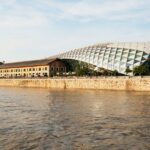





Stop 2: Thermal Beer Spa inside Széchenyi
Next up is the Thermal Beer Spa, located inside Széchenyi. The tour notes that you have two options to enjoy it, and importantly: admission is free for this stop.
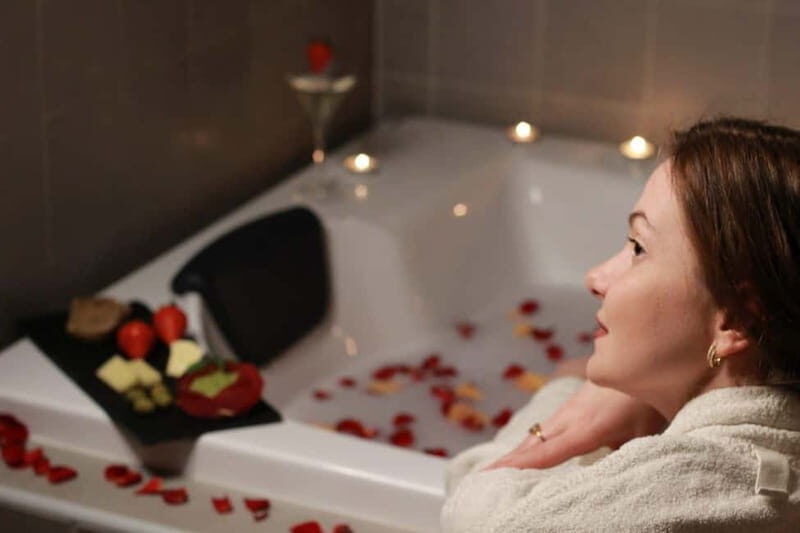
The Beer Spa concept is simple: you soak in thermal water, then add beer. That’s exactly the kind of Budapest oddball tradition people talk about, but the tour helps you understand it in context rather than as a gimmick. You get the sense that the experience is part soak, part social ritual, part playful “only-in-this-city” culture.
From a practical standpoint, it’s a smart add-on because it’s in the same complex. You don’t have to travel or hunt a separate facility. You get a new kind of bathing moment while staying inside the same heat-and-steam system.
Time is still tight—about 28 minutes—so treat it as a taste of the concept rather than a full meal for your schedule.
Stop 3: Városligeti-tó and the seasonal lake routine
After the bath heat, the tour shifts to Városligeti-tó, the park lake area. This stop is listed at 28 minutes and is free.
What makes it interesting is how the lake is used across seasons. It’s used for boating from spring through winter, but in winter part of the lake bed is used too. That seasonal change tells you something about the way Budapest lives outdoors even when the weather pushes you indoors.
This is also a good moment to stand back and look at the overall environment. If you’ve spent time in crowded indoor pools, stepping into cool open air helps you reset. It also makes the day feel balanced instead of one long soak-fest.
Stop 4: The Lake of City Park and the easy finish
The tour ends at Lake of the City Park near Kós Károly stny., 1146 Hungary. Like the earlier lake stop, it’s free and around 28 minutes.
City Park here is more than a postcard. It’s described as having an enchanting castle, a boating lake, museums, a well-kept green area, and plenty of restaurants. That means after you finish your tour, you’ve got options without scrambling for directions.
This stop is also a useful “soft landing.” Budapest baths are intense in a sensory way—warm water, sound, steam, and constant movement. Finishing in a park area helps you transition from that to normal walking, shopping, or eating.
Why the private guide matters more than you think
For me, the biggest advantage is that a private guide keeps you from doing the usual tourist thing: guessing. In a bath complex, “guessing” can mean:
- spending too long in the wrong zones
- missing the special pools
- not understanding what you’re actually seeing
- or arriving with questions you never get answered
Here, the guide’s job is to keep you moving while you learn. You get commentary throughout, with insights into local architecture and how bath design reflects bathing culture. You also get the chance to ask questions while you’re in the moment, not after the fact when you’re back in your hotel.
That question time matters if you’re the kind of traveler who wants to understand the logic behind the place. Maybe you’re wondering what pool temperatures feel like in real terms. Maybe you’re curious why some baths look older or more ornamental. The private format keeps those answers coming.
Extras and on-site reality checks (robes, swim caps, and cleanliness)
There are two on-site realities to keep in mind.
First: bath accessories can cost extra. Even if the tour gives you a guided plan and entry details, you may still face costs for things like robes or swim caps depending on the bath rules and the day. One visitor noted robes and caps were not provided for free and expected that to be included for the price. I’d treat that as a budgeting warning, not a guarantee of the day’s policy.
Second: cleanliness and hygiene feel like a personal threshold issue. Some people love the cleanliness and how big the complex feels. Others have complained about hygiene setups in certain areas. If you’re strict about cleanliness, plan to rinse yourself well, choose your pool spot carefully, and bring your own comfort items when possible.
None of this should scare you away, but it should shape how you prepare.
Is this tour for you? Best-fit traveler types
This tour works best if you want a guided first taste of Budapest baths and you don’t want to spend hours researching which bath to choose.
You’ll likely enjoy it if:
- you want a history-and-architecture angle, not just a soak
- you like structured time blocks (two hours, multiple stops)
- you’re going with a group and can benefit from group pricing
- you’d rather ask questions in person than figure it out alone
You might skip it if:
- you want total freedom to linger as long as you want at one bath
- you’re mainly hunting one specific photo moment and don’t care about context
- you strongly dislike paying separate admission costs on top of the tour price
Should you book the Discovering Thermal Baths of Budapest Tour?
I’d book it if your goal is to get oriented fast and enjoy Budapest bathing culture with a guide doing the heavy lifting on history, architecture, and what to focus on at Széchenyi. The tour’s best value is the combination of private attention plus a smart set of stops that moves from big-bath energy to park calm.
If you’re budgeting carefully, do the math before you go. Széchenyi admission is extra, and you may also want to plan for small on-site purchases like swim essentials. Still, for a two-hour private primer that helps you return to the baths smarter later, it often feels like the right kind of splurge.
My rule: if you’re choosing between wandering alone and paying for guidance, this is one of those rare situations where the guide genuinely changes how you experience the day.
FAQ
How long is the Discovering Thermal Baths of Budapest Tour?
The tour lasts about 2 hours. Each stop is listed at roughly 28 minutes.
What is included in the price?
The tour includes a local professional guide. Széchenyi Thermal Bath admission is not included.
How much is Széchenyi Thermal Bath admission, and is it required?
Széchenyi Thermal Bath admission is listed as 30 eur and is not included in the tour price.
Is the Thermal Beer Spa ticket included?
Yes. The Thermal Beer Spa stop is listed as admission ticket free, and it’s located inside Széchenyi Spa.
Where does the tour start and where does it end?
It starts at Széchenyi Thermal Bath, Állatkerti krt. 9-11, 1146 Hungary, and ends at Lake of the City Park, Kós Károly stny., 1146 Hungary.
Is this tour private?
Yes. This is a private tour/activity, and only your group participates.
Is the experience refundable if I cancel?
No. The experience is non-refundable and cannot be changed for any reason.