This tour makes Budapest click in 2h40. You start at Kossuth Lajos tér and glide through major landmarks with a Spanish guide and the famous 1896 Metro ride.
My favorite part is the way meaning shows up at every stop, not just pretty buildings. You’ll connect big themes from the Trianon years to the Eternal Flame, with context that helps you read Budapest like a map. One consideration: some major sites are explained from the outside (and Parliament and St. Stephen’s Basilica admissions aren’t included), plus the route depends on good weather and includes a stop at Szechenyi Baths.
In This Review
- Key Highlights You’ll Notice Right Away
- First Stop: Kossuth Lajos tér and Parliament Square Orientation
- Outside Stories at the Hungarian Parliament Building and St. Stephen’s Basilica
- Andrássy út: A World Heritage Avenue Made for Slow Looking
- The State Opera Lobby: When You See the Inside, It Feels Different
- Heroes’ Square and the Feeling of National Symbolism
- 1896 Metro Time Travel: Turning Transit Into a Story
- Varosliget Park and the Szechenyi Baths Stop
- Vajdahunyad Castle: Dracula’s Castle and the Fairy-Tale Effect
- Trianon Emlékmű and Lajos Batthyányi Eternal Flame: History With Real Weight
- Trianon Emlékmű
- Lajos Batthyányi Eternal Flame
- Price, Metro Ticket Included, and Why “Free” Works Here
- Logistics That Actually Matter: Pace, Weather, and Comfort
- Who Should Book This Tour (and Who Might Want Something Else)
- Should You Book This Spanish Free Tour?
- FAQ
- What is the duration of the tour?
- What language is the tour offered in?
- Where do I meet and where does the tour end?
- Do I need to buy tickets for entrances during the tour?
- Does the tour include the metro?
- Is Szechenyi Baths part of the plan?
- How big are the groups?
- What if the weather is bad?
- Is free cancellation available?
Key Highlights You’ll Notice Right Away
- A Spanish guide who keeps it lively (Rafa is called out in reviews for making time fly and offering practical recommendations)
- The 1896 Metro ride that turns travel time into a history lesson
- Monuments explained with symbolism, including Trianon and the Eternal Flame
- Iconic Budapest exteriors plus real interiors where it counts, like entering the Opera lobby
- Varosliget Park and Szechenyi Baths in the same flow, so your morning gets variety
- Dracula Castle vibes at Vajdahunyad Castle, tied to stories you can actually connect to Budapest
First Stop: Kossuth Lajos tér and Parliament Square Orientation
Most Budapest walks start with a view. This one starts with structure. You meet at Kossuth Lajos tér 10, and the guide sets the stage before you even move. From right in front of the Hungarian Parliament Building, you get a sweep of what Hungary’s major turning points have meant over time, including references to the 7 tribes, the Austro-Hungarian Empire, and the two world wars.
The payoff here is simple. If you’ve only got one day (or just a morning that you want to use well), you’ll leave with a mental timeline. And you’ll also understand what to look for as you continue: which parts of Budapest reflect old power, which reflect national identity, and which reflect the modern city.
One practical detail: you don’t enter Parliament on this tour. The guide explains it from outside, and you focus on the stories and details you can actually see from the square.
You can also read our reviews of more tours and experiences in Budapest.


Outside Stories at the Hungarian Parliament Building and St. Stephen’s Basilica
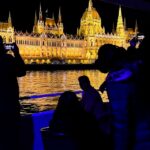
This tour doesn’t waste time trying to cram every ticketed attraction into your schedule. Instead, it gives you the best outside-exploration value for two of the city’s biggest icons.
At Parliament, you get the “secrets of the building” approach from the street: what it represents and why it matters in Hungarian history. The plan keeps your entry costs low here because the Parliament stop lists an admission ticket as not included, and you’re not meant to go inside during the tour.
Then you shift to St. Stephen’s Basilica (Szent István Bazilika). Again, you’re not going in; it’s a history lesson attached to what you can see in the space around the church. This stop is short, so if your goal is long interior sightseeing, you’ll likely come back later on your own. But for orientation, it’s a strong choice: you’ll understand why the basilica is important before you ever plan your own return.
Andrássy út: A World Heritage Avenue Made for Slow Looking
If you’ve ever walked a city and felt like your brain couldn’t keep up, this is where the tour helps. The stop on Andrássy út (Andrássy Avenue) is built for slow visual reading.
You’ll spend time on a portion of the avenue that’s part of a UNESCO-listed world heritage corridor, and you’ll hear how the city planned this grandeur. The guide frames it as the “most luxurious” avenue in Budapest, and you start noticing things that you’d usually miss: the scale, the rhythm of the architecture, and how the boulevard functions as a statement.
This part stays easy because the stop itself is brief and ticket-free, and you’re walking through a classic “photo plus lesson” zone. It’s the kind of moment where you can take photos without feeling like you’re just copying a postcard.
The State Opera Lobby: When You See the Inside, It Feels Different
From Andrássy Avenue, you move to the Hungarian State Opera House (Magyar Állami Operaház). Here’s a nice balance: you get an exterior, then you step into something interior-adjacent.
The tour includes entering the Opera lobby, and the guide shares the building’s story in a way that makes the architecture feel purposeful instead of decorative. This stop is listed as admission free during the tour segment, so you’re not asked to pay extra to access the lobby.
Why this matters for value: if you only budget time and not money, you still get a “real inside” moment. And if you’re the kind of traveler who likes to understand what you’re seeing before you commit to a ticket later, the lobby is enough to hook you.
Heroes’ Square and the Feeling of National Symbolism
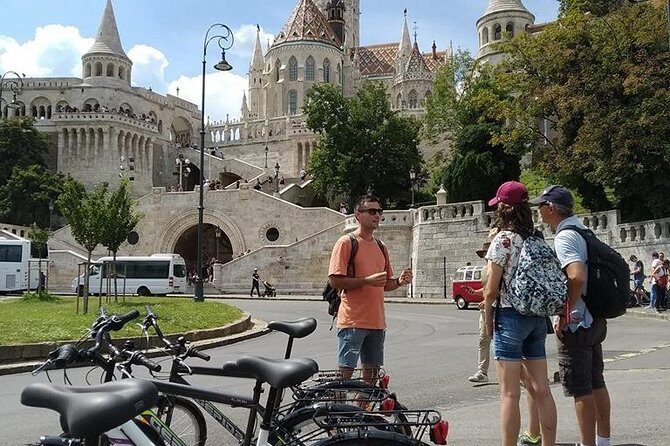
Next comes Heroes’ Square—and the way the tour handles it is one of the best examples of why this format works. The guide doesn’t treat Heroes’ Square like a landmark check. Instead, you’re told why it’s important and what the symbols are really pointing at.
The square is ticket-free on this plan, and the stop is short enough that you can stay in the moment without your legs giving up. But the story is the point: once you understand what you’re looking at, the statues and layout shift from “big stone” to “a language.”
If you’re doing Budapest essentials in a limited time window, Heroes’ Square is where you usually either speed past or actually feel the city. Here, you’ll likely do the second one.



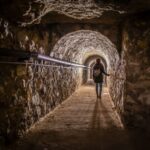
1896 Metro Time Travel: Turning Transit Into a Story
One of the most fun parts of the tour is the ride on Metro 1, described as dating to 1896. Even if you love transit, most tours don’t stop to make it meaningful. This one does.
It helps because it breaks up the walking. That matters in a city where mornings can turn into “why are my shoes wet already?” territory. The metro ride turns movement into a mini-lesson, and you arrive at the next sights feeling like you made progress instead of just relocating.
It also supports the tour’s “start your adventure” promise. You don’t just see things—you experience the city’s layers, including how Budapest has moved people for a long time.
Varosliget Park and the Szechenyi Baths Stop
After the big monuments, the itinerary swings into softer mode with Varosliget Park, often called the green lung of Budapest. This part is built for a reset. You walk through the park area and get a feel for how the city breathes when you leave the center of power.
Then comes the tour’s hot springs moment: going to Szechenyi Baths is treated as mandatory. The wording on the tour description is practical and direct: it literally asks if you’re bringing your swimsuit. So, if baths are part of your Budapest wish list, plan for that.
Important reality check: the tour data doesn’t clearly say whether Szechenyi Baths entry is included in the same way some other items are. So treat this stop as a guided visit to the area and context, and be ready to decide on entry on the spot based on what you want to do.
This is also where you’ll feel the schedule style. The tour is fast (2 hours 40 minutes), so this isn’t a full spa day. It’s more like: “here’s why this matters, here’s how it fits the city, and here’s your chance to do a quick bath moment if you want.”
Vajdahunyad Castle: Dracula’s Castle and the Fairy-Tale Effect
You end up at Vajdahunyad Castle, and it’s known for a Dracula connection. The guide ties the “Dracula’s Castle” nickname to Budapest in a way that makes the legends feel less random and more rooted in how the city sells itself—and how stories stick to places.
This stop is where Budapest leans playful without losing meaning. You get fairy-tale visuals, plus a guided explanation of why the Dracula association shows up here and what you should connect it to. If you love gothic vibes, this is the segment that will probably stick with you after you’ve left.
Also, because the tour wraps near this area, it feels like a satisfying finish. You’re not asking for more effort at the end—you’re giving your legs a strong payoff.
Trianon Emlékmű and Lajos Batthyányi Eternal Flame: History With Real Weight
If you want the tour to do more than sightseeing, this is the spine. Two of the most emotionally loaded stops are also specifically noted as admission included in the plan:
Trianon Emlékmű
At the Trianon memorial, the guide explains the symbolism and why it’s controversial. This is one of those topics where a quick photo would leave you confused. The tour handles it by giving you the “what the symbols mean” layer, so you’re not staring at a stone wall and hoping it explains itself.
Lajos Batthyányi Eternal Flame
Then you visit the Lajos Batthyányi Eternal Flame memorial. It commemorates the dead of the 1848 revolution, and the guide explains why it matters for Hungarians today.
Why these stops are a standout value: they’re not just “information dumps.” They’re guided interpretation tied to objects you can physically see. And because they’re included in the tour plan for entry, you don’t need to budget extra tickets to get the meaning.
If you want Budapest essentials with depth, this is the section that delivers it.
Price, Metro Ticket Included, and Why “Free” Works Here
This is a free tour format, but with a small upfront price listed at $3.43 per person. For me, the key detail is what that payment does. The tour description says that with the payment you secure your reservation and you also get the metro ticket included.
So you’re not just paying for a place in line—you’re paying for a smoother logistics piece that matters on a citywide route. And because the tour is structured around walking plus metro, saving you from ticket stress can be real money and time value.
At the end, depending on your satisfaction, you can pay the guide what you consider appropriate. Reviews back up that this guide effort is memorable. People specifically praised Rafa for giving a good tour plus strong recommendations for the rest of the stay, which is exactly what you want from a city introduction.
One more practical angle: the tour is max 30 travelers, which tends to keep explanations audible and stops more manageable than the giant groups.
Logistics That Actually Matter: Pace, Weather, and Comfort
This tour is about 2 hours 40 minutes. The schedule packs several major stops, including a metro ride and a hot springs visit. That pace is great if you’re efficient. It can feel intense if you want to linger at museums or take long bathroom breaks.
Because the experience requires good weather, plan your day around this tour or be ready to adjust. If weather cancels it, you’ll be offered another date or a full refund.
Comfort advice is basic but important here: wear shoes that can handle a steady walk, because you’re moving between landmark zones and park space. Also, since it points you toward Szechenyi Baths, if you think you might swim, bring what you need to be comfortable.
Who Should Book This Tour (and Who Might Want Something Else)
This works best for you if:
- You’re new to Budapest and want a guided start that covers both the big postcard sights and the stories behind them.
- You like a tour that explains symbolism, especially at memorials like Trianon and the Eternal Flame.
- You want Spanish guidance and appreciate when the guide also gives practical ideas for how to plan the rest of your trip.
You might want a different option if:
- You want a lot of time inside major attractions like Parliament or St. Stephen’s Basilica, since this plan focuses on outside explanations for those.
- You’re expecting a full spa day at Szechenyi Baths. The tour includes the baths stop, but the overall time is tight.
Should You Book This Spanish Free Tour?
Yes, I’d book it if you want an efficient Budapest introduction with a guide who pays attention to meaning, not just photos. The combo of major exteriors, a metro ride that turns transit into learning, and the two memorial stops that get real symbolism explained makes it feel worth your time.
If you’re price-sensitive, the value is hard to beat: the small listed payment helps secure your reservation and includes the metro ticket. And if the guide is Rafa, you can reasonably expect an energetic, practical approach plus recommendations you can use right away.
If you have limited time and you want your first day to feel organized and alive, this tour is a strong bet.
FAQ
What is the duration of the tour?
The tour lasts about 2 hours 40 minutes.
What language is the tour offered in?
This experience is offered in Spanish.
Where do I meet and where does the tour end?
You meet at Budapest, Kossuth Lajos tér 10, 1055 Hungary. The tour ends at Vajdahunyad Castle (Budapest, Vajdahunyad stny., 1146 Hungary).
Do I need to buy tickets for entrances during the tour?
For some stops, admissions are not included, including the Hungarian Parliament Building and St. Stephen’s Basilica. Other parts of the route list tickets as free, and the tour includes admission tickets for Trianon emlékmű and Lajos Batthyányi Eternal Flame.
Does the tour include the metro?
Yes. The tour includes travel on Metro 1 (1896 Metro), and the payment includes a metro ticket.
Is Szechenyi Baths part of the plan?
Yes. The tour description says that going to Szechenyi Baths (hot springs) is mandatory, and it specifically asks if you are bringing your swimsuit.
How big are the groups?
The tour has a maximum of 30 travelers.
What if the weather is bad?
The experience requires good weather. If it’s canceled due to poor weather, you’ll be offered a different date or a full refund.
Is free cancellation available?
Yes. You can cancel up to 24 hours in advance for a full refund.