REVIEW · BUDAPEST
Orientation walk in Budapest
Book on Viator →Operated by Behind Budapest Tours · Bookable on Viator
Budapest clicks when you walk it first. This private orientation tour gives you a quick, confident look at the center, with time for major sights like St. Stephen’s Basilica and the Hungarian Parliament area. Two things I especially like: the select hotel pickup/drop-off that reduces stress right away, and the fact you get your guide’s full attention. One thing to consider: entry to the Parliament Building isn’t included, so if you want to go inside, you’ll need a separate ticket.
I also like the route logic. You’re walking through key urban “anchors” in Pest and along the UNESCO-listed Andrassy Avenue, so you start understanding where things sit and how neighborhoods connect. It’s built for real orientation, not a marathon.
At $238.43 per group (up to 15 people) for about two hours, the value is strongest when you’re traveling with a small group that wants a smarter first day. If you’re traveling solo and just want general sightseeing, you might want to compare cheaper options—but for a private setup with pickup, it can be a very practical deal.
In This Review
- Key things you’ll notice on this Budapest orientation walk
- Why a 2-hour orientation walk matters in Budapest
- Select hotel pickup and small-group flow you can actually use
- Andrássy Avenue and the Hungarian State Opera House lobby
- Szabadság tér: a square that teaches the city’s late-1800s plan
- Hungarian Parliament Building: seeing the icon and knowing the ticket reality
- How the guide style affects your experience (and why it matters)
- Timing, walking pace, and getting value from the “covered ground”
- Price: when $238.43 per group is a smart move
- What you’ll walk away knowing on day one
- Who this Budapest orientation walk suits best
- Should you book this Budapest orientation walk?
- FAQ
- How long is the Budapest orientation walk?
- Is this tour private, and what’s the group size limit?
- Do you offer hotel pickup and drop-off?
- Where do we meet if our hotel isn’t listed for pickup?
- Is entry to the Parliament Building included?
- Is the Opera House lobby visit included, and is it free?
- Is food or drinks included?
- Do I need a mobile ticket, and is the tour in English?
- Is there free cancellation?
Key things you’ll notice on this Budapest orientation walk
- Select hotel pickup and drop-off: less time wrangling transit on your first day
- UNESCO Andrassy Avenue focus: you get the city-planning context, not just a photo stop
- Hungarian State Opera House lobby access (free): a classy indoor breather without buying entry tickets
- Szabadság tér and late-19th-century urban planning: the square becomes a story about how the city was shaped
- Parliament Building views with ticket limits: you’ll know what you’re seeing, but entry isn’t included
- A guide who keeps it moving at your pace: small-group energy with time for questions
Why a 2-hour orientation walk matters in Budapest
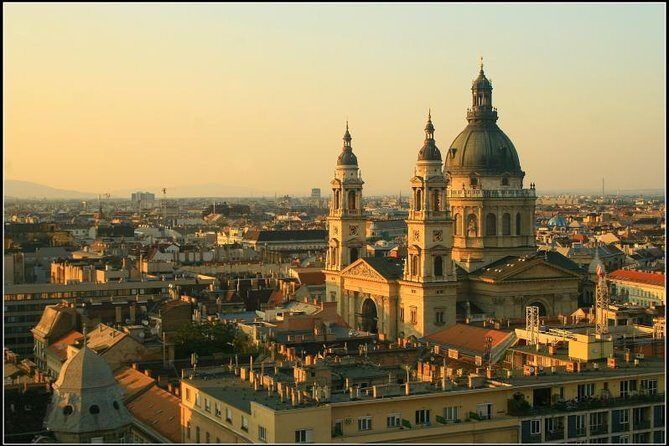
Budapest is photogenic, sure. But it can also feel like you’re guessing on day one, especially if you bounce between Pest and Buda without a plan. That’s where an orientation walk earns its keep. You’re not just collecting landmarks. You’re learning the logic of the city: which streets lead where, how the big historic areas connect, and what to prioritize during the rest of your stay.
This tour is built for that kind of “get your bearings fast” day. It’s only about two hours, which means you’ll leave with clarity instead of fatigue. And because it’s a private tour for only your group (maximum 15 people), your guide can adjust pacing and answer your questions without juggling a crowd.
If you’re the type who likes to map out your next moves while you’re still fresh, you’ll appreciate the way the stops are chosen. They’re not random. They’re meant to help you build a mental picture of central Budapest, one location at a time.
You can also read our reviews of more tours and experiences in Budapest.



Select hotel pickup and small-group flow you can actually use
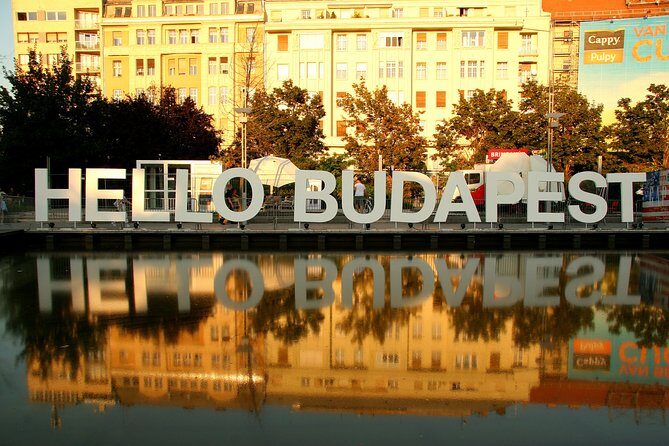
Hotel pickup and drop-off are the unglamorous superpower here. On a first trip, you’ll often waste energy figuring out how to get to the start point, buying tickets, or waiting at the wrong corner. With pickup from centrally located hotels and drop-off for selected hotels, you cut down on all that friction.
If your hotel isn’t on the list, you’re told to reach out and they’ll try to accommodate you. If pickup isn’t possible, the meeting point is Erzsébet tér, at the Akvarium Club. Either way, the goal is the same: you spend less time on logistics and more time learning the city.
The tour also includes a local guide, and it’s offered in English with a mobile ticket. You don’t need to hunt for paper vouchers or figure out what to present at a counter.
One practical note: this isn’t described as a wheelchair-specific route. It calls for moderate physical fitness, so bring comfortable walking shoes and plan for a steady pace. You’re covering ground on foot, even if each stop is relatively short.
Andrássy Avenue and the Hungarian State Opera House lobby
The first stop is the Hungarian State Opera House, with a walk along Andrássy Avenue, which is UNESCO listed. That matters because this isn’t just architecture appreciation. Andrassy Avenue is a key spine of the city, and walking it helps you understand Budapest’s grand “boulevard” scale and how the city’s prestige spaces connect to the wider urban plan.
You’ll also visit the lobby of the State Opera House. The good news: it’s listed as free for admission. Even if you’re not attending a performance, stepping into the lobby gives you a sense of why the building has long attracted attention. It’s a quick indoor stop that breaks up the walk and makes the surrounding area feel more real.
What I’d do with this stop: pause and look for details you’d normally pass over from outside. The guide can help you “read” the space—what the building is signaling about the city when it was built and why it still has that presence today.
This is also a nice start time choice because it gets the tour off to a confident, central-feeling beginning. If you’re arriving in Budapest and you want to start seeing the city in recognizable layers, this works well.
Szabadság tér: a square that teaches the city’s late-1800s plan

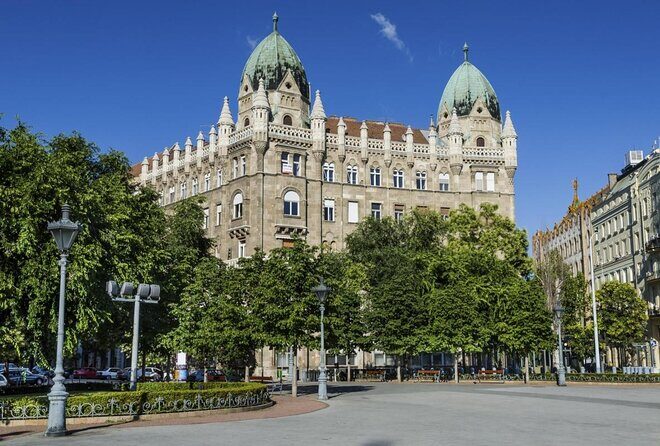
The next stop is Szabadság tér. The focus here isn’t a single monument. It’s the idea of late 19th-century urban planning and how the square fits into the way Budapest was laid out as the city expanded and modernized.
This kind of stop can sound abstract on paper, but it’s useful in real life. Squares are where streets “announce” themselves. They show you where traffic, movement, and sightlines were intended to go. When you learn how that plan works, it becomes easier to navigate later, especially when you’re comparing maps to real streets.
You’ve got about 15 minutes here, which is enough time for the guide to explain the bigger picture without turning it into a lecture. If you like history, you’ll get it. If you don’t, you can still benefit, because the payoff is practical: you’ll understand why the space feels the way it does and how it connects to the surrounding neighborhoods.
One thing to keep in mind: since this is a city-planning-focused stop, you’ll get more out of it if you ask questions. Things like how the city grew, why certain street alignments matter, or what changed after the 1800s. A good guide will steer those answers toward what helps you while walking.
Hungarian Parliament Building: seeing the icon and knowing the ticket reality

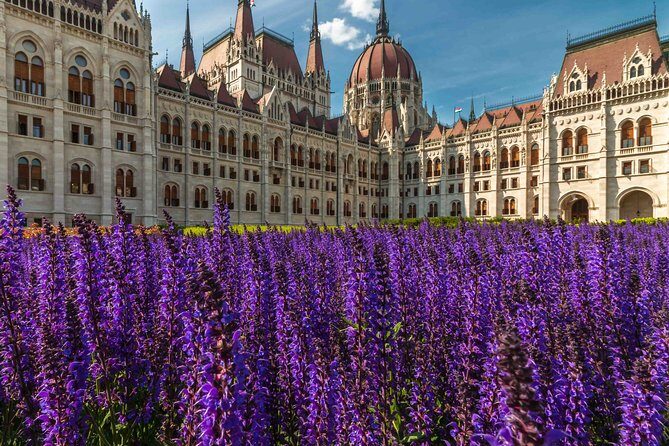
Stop three is the Hungarian Parliament Building. It’s one of Budapest’s main attractions, and it’s easy to see why. Even without going inside, the building’s scale and presence dominate the area you’re standing in.
The key practical detail: the Parliament Building admission ticket is not included. So you’re best prepared to treat this as a “see it and understand it” moment rather than an automatic museum visit.
That doesn’t make it less valuable. In fact, it can improve your day planning. You’ll know what you want to do next. If you decide you want to enter later, you’ll go in with a sense of why the building matters and what to look for.
The tour allots about 15 minutes at this stop, so it’s a chance to get an orientation view: where the entry areas likely are, what angles give the best context, and how the building relates to the surrounding streets. I like that the time limit keeps it efficient. You won’t spend half your tour stuck in a queue you didn’t plan for.






How the guide style affects your experience (and why it matters)
A private orientation walk succeeds or fails based on your guide’s pacing and teaching style. The strongest feedback tied to this kind of tour style is that the guiding feels funny, kind, patient, and focused on storytelling rather than drowning you in dates and data.
In the guide examples associated with these walks, Ádám and Orsolya are praised for using humor, making the tour interesting for different age groups, and staying flexible when plans need adjusting. That flexibility shows up in small ways too: answering questions on the spot, matching the depth of detail to your group’s interest, and not treating the walk like a script.
Another stand-out theme is helpfulness beyond the monuments. A good orientation guide doesn’t just point. They often give you practical tips for getting around, plus ideas for what to do after the tour. If your guide does that, you’ll get more than a two-hour sightseeing loop. You’ll leave with next-step clarity.
To make sure you get the best version of this tour, come with a few questions. Ask things like:
- Where should I spend my next morning, and why?
- Which direction should I walk if I want atmosphere without big crowds?
- What’s worth visiting now versus later?
Your guide can turn those answers into a mini plan.
Timing, walking pace, and getting value from the “covered ground”
This experience is listed as about 2 hours. With three main stops plus walking time, that means the tour stays light enough to feel doable on a busy travel schedule.
Short stop times also keep the overall feel from dragging. You’re not stuck at one place trying to absorb everything. Instead, you move from landmark to landmark and build momentum. The result is a clearer mental map.
You’ll also see how sites inaccessible by car or bus can still be worth your feet. Budapest has plenty of streets where you get a better sense of place on foot, even when traffic exists nearby. Walking makes the city more readable: entrances, sightlines, and the “shape” of neighborhoods.
Bring a moderate fitness expectation. It’s walking, not riding, and you’ll be outside in changing weather. If rain shows up, plan for it. Even when weather is annoying, a good guide keeps you moving and finds places where you can pause and reorient.
Price: when $238.43 per group is a smart move
Let’s talk value in real terms. This costs $238.43 per group for up to 15 people, and it’s a private tour with hotel pickup/drop-off (selected hotels), a local guide, and a mobile ticket.
For a single traveler, that price can feel steep compared with generic group tours. But with small groups—families, friends, or a business team—it can become very reasonable, because the guide time is truly yours. You’re paying for convenience (pickup), efficiency (short, purposeful stops), and the ability to ask questions without feeling rushed.
Also, your time has value. If your first day is busy, getting an orientation in two hours can help you avoid wrong turns and wasted hours later. That’s hard to measure in dollars, but it’s real.
One caution: since transportation to/from attractions is listed as not included, your pickup/drop-off becomes the main transportation help. If your hotel isn’t eligible for drop-off, you may need to use public transport or walk afterward. Plan accordingly.
What you’ll walk away knowing on day one
At the end of this orientation, you should feel comfortable doing three things:
- locating major sights in relation to each other in central Budapest
- understanding why some streets and squares look the way they do
- knowing which attractions are worth building a separate visit around
You’ll have passed the Hungarian State Opera House lobby and walked Andrassy Avenue, so you’ll understand why this corridor is treated as a centerpiece. You’ll have spent time at Szabadság tér with an explanation of late 19th-century planning, which helps you read the city’s layout rather than just memorize it. And you’ll stand at the Parliament Building with context—while knowing that entry isn’t included, so you can decide if you want to plan that separately.
Add in the overall private-spot attention, and you get something many people miss on a trip: a map in your head, not just a list on your phone.
Who this Budapest orientation walk suits best
This fits best if you:
- want a strong first-day start without committing to a full-day tour
- enjoy walking and want a guide to explain the city’s structure
- travel in a small group where a private setup is worth it
- want a practical introduction to public spaces and how to navigate later
It’s also a good fit if you’re traveling with mixed ages, because the guide style described for these walks includes pacing that works for different participants. If you’re sensitive to long lectures, the emphasis on storytelling and not overloading with facts can help.
If you’re a hardcore museum visitor who wants lots of interior time, you might find this more “orientation by sightlines” than “deep-entry sightseeing.” That’s not a flaw, but it’s a mismatch to watch for given that Parliament entry isn’t included.
Should you book this Budapest orientation walk?
Yes, if you want your first Budapest day to feel organized and friendly, with a guide who can tailor the pace and keep the experience light and memorable. The combination of select hotel pickup, a private group setup, and purposeful stops like Andrassy Avenue, the Opera House lobby, Szabadság tér, and the Parliament area makes it a practical value—especially for small groups.
I’d say hold off or shop around if you’re traveling solo on a tight budget, or if your main goal is ticketed museum time inside major buildings. Since Parliament admission isn’t included, you’ll be doing mostly exterior orientation.
If you want a Budapest “starting point” that helps the rest of your trip run smoother, this one is an easy yes.
FAQ
How long is the Budapest orientation walk?
It runs for about 2 hours (approx.).
Is this tour private, and what’s the group size limit?
Yes, it’s private. Only your group participates, with a maximum of 15 people per booking.
Do you offer hotel pickup and drop-off?
Hotel pickup and drop-off are included for selected hotels.
Where do we meet if our hotel isn’t listed for pickup?
If your hotel isn’t available for pickup, you’ll meet at Erzsébet tér at the Akvarium Club.
Is entry to the Parliament Building included?
No. The Parliament Building admission ticket is not included.
Is the Opera House lobby visit included, and is it free?
Yes. The visit to the State Opera House lobby is listed with free admission.
Is food or drinks included?
No. Food and drinks are not included.
Do I need a mobile ticket, and is the tour in English?
You’ll receive a mobile ticket, and the tour is offered in English.
Is there free cancellation?
Yes. You can cancel up to 24 hours in advance for a full refund. If you cancel less than 24 hours before the start time, the amount paid is not refunded.