REVIEW · BUDAPEST
Budapest Half-Day Tour: Life Behind the Iron Curtain
Book on GetYourGuide →Operated by Budapest Day Trips · Bookable on GetYourGuide
Budapest’s Iron Curtain still leaves fingerprints. This private half-day route connects the Citadella and the Liberty Statue to the Terror House and then to Memento Park, where communist-era monuments were preserved in an open-air setting. You’ll get the story behind the memorials and what daily life felt like under the system.
I especially like that the tour doesn’t just point at landmarks. It gives you a way to read the city’s political symbols, and it ends with the Children’s Railway to balance the heavy history. One consideration: this is built around persecution and propaganda, so if you prefer light, scenic sightseeing only, you may want a different plan.
In This Review
- Key things to know before you go
- Why this half-day Cold War route works in Budapest
- Citadella and the siege story on Gellert Hill
- The Terror House: seeing how the communist era left marks
- Memento Park: Marx, Lenin, and the “relocated” message
- Finishing with the Children’s Railway in the Buda Hills
- Price and what you really get for $511 (up to 6 people)
- Pickup, transport, and how the day flows
- Guide quality and why it matters on a heavy-history tour
- Who should book this tour?
- Should you book Budapest Half-Day Tour: Life Behind the Iron Curtain?
- FAQ
- How long is the Budapest Half-Day Tour: Life Behind the Iron Curtain?
- Is this a private tour, and how many people can be in a group?
- Where are the pickup and drop-off locations?
- What’s included in the tour price?
- Are there any entry fees included?
- Is an audio-guide included for the Terror House?
- What languages are available for the live guide?
- What do I need to bring?
- Is it refundable if my plans change?
Key things to know before you go
- Citadella + the Liberty Statue: Gellert Hill views with a monument originally dedicated to Russian troops.
- Terror House audio-guide included: you’ll walk the museum with extra context, not just quick highlights.
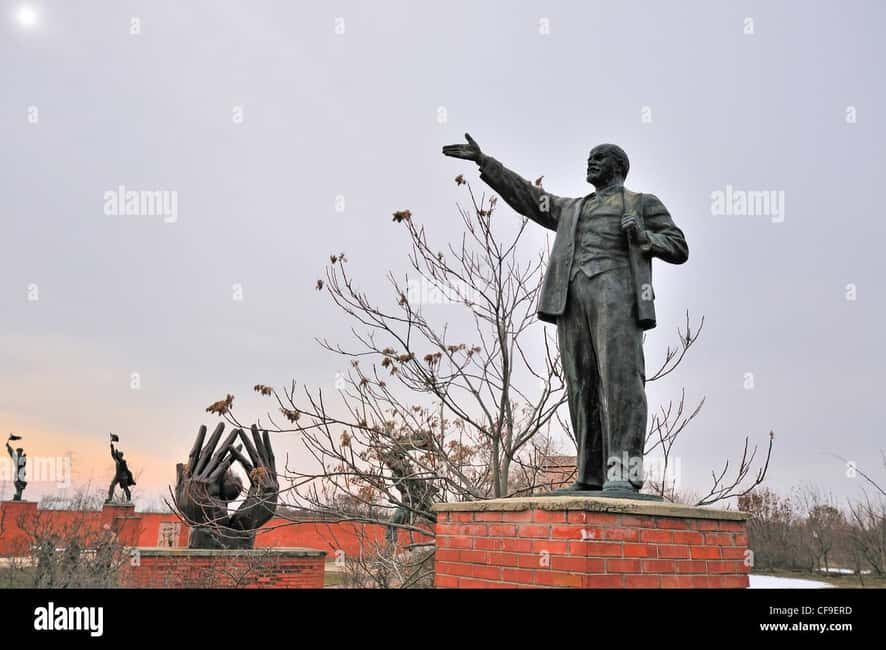
- Memento Park is the “outside museum”: relocated communist statues, including Marx and Lenin.
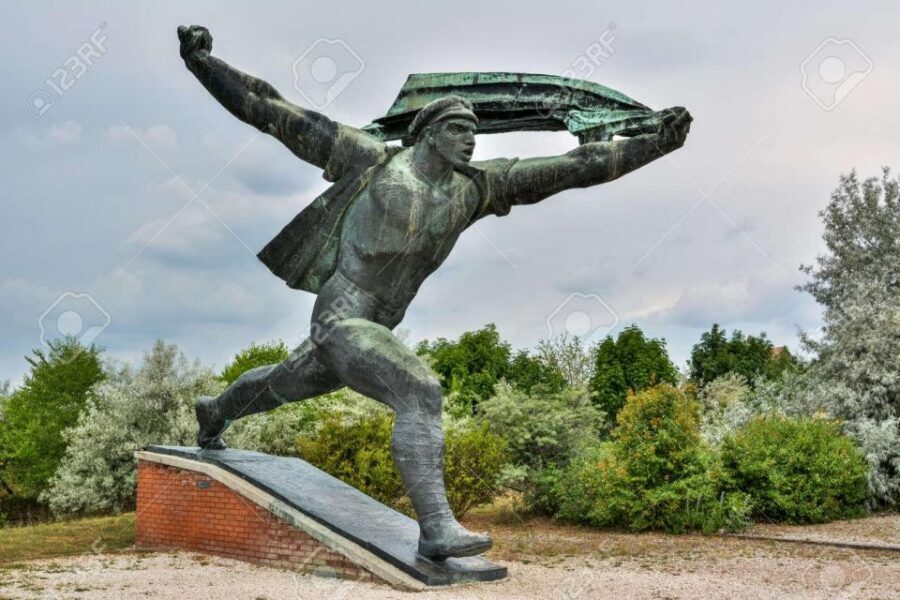
- 42 pieces at Memento Park: the collection includes a 6-meter Liberation Army Soldier statue.
- A calmer ending on the Children’s Railway: the Pioneer-era train operated by kids aged 10–14.
Why this half-day Cold War route works in Budapest
Budapest is full of grand sights, but some days you want meaning, not just photos. This tour is designed for exactly that: a compact route through the places where Hungary’s communist era is remembered—sometimes solemnly, sometimes through monuments that were later moved out of the main city.
The value is in the pacing. You get guided context plus enough time at the key stops to actually process what you’re seeing. And because it’s private for up to 6 people, the guide can tailor the conversation to your pace.
You can also read our reviews of more tours and experiences in Budapest



Citadella and the siege story on Gellert Hill
Your first major stop is the Citadella, tied to the siege of Budapest late in World War II—when the occupation story for Hungary effectively begins. The setting matters here. Gellert Hill is a natural viewpoint, so you’re not just learning dates; you’re getting a feel for why this area became strategic.
From there, you’ll focus on the Liberty Statue (Freedom Statue). It was erected in 1947, and it originally honored the Russian troops. With a pedestal 26 meters high and the statue itself 14 meters, it’s described as one of the tallest monuments of its type in Europe, and it dominates the city panorama.
What I like about this stop is the way it teaches you to read symbols. The statue shifted from a state message to a broader idea of freedom. You’ll also get the practical bonus of city views from Gellert Hill—handy if you’re trying to orient yourself in Budapest.
The Terror House: seeing how the communist era left marks
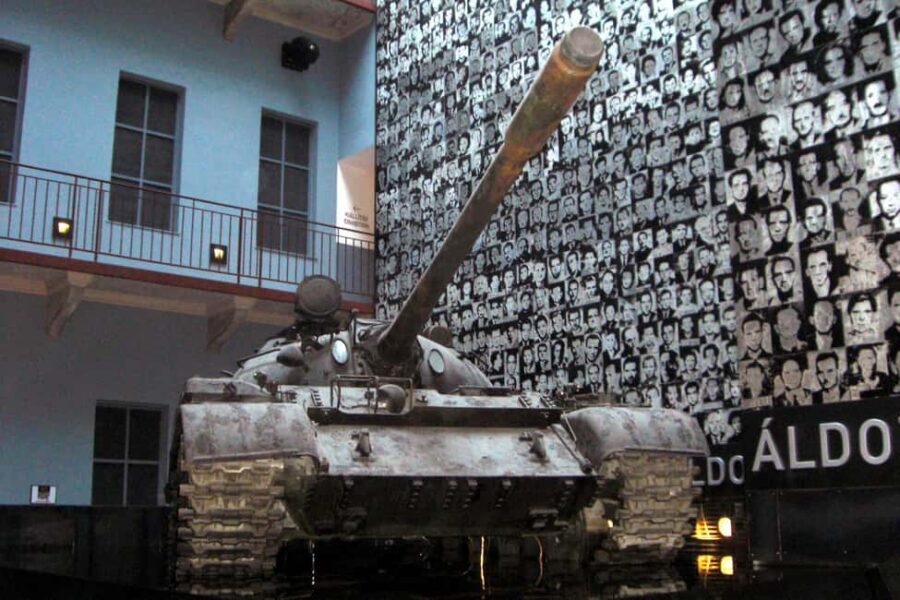
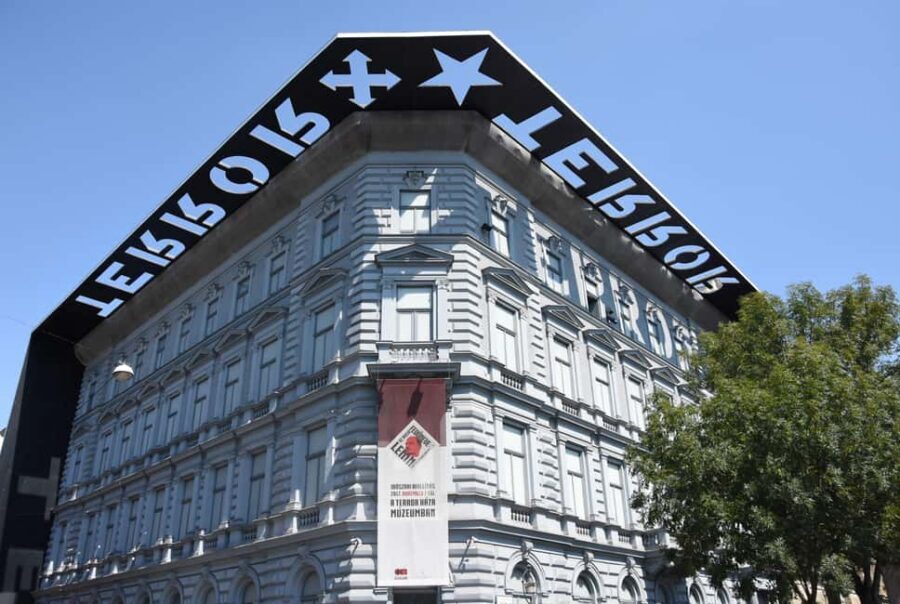
Next comes the Terror House, a museum dedicated to victims of the communist era. It’s not a generic “history museum.” It’s focused, and that focus changes how you experience it.
You’ll have an audio-guide included, which helps you move through the content at a comfortable pace while staying grounded in the facts the museum is presenting. Your guide can also give you the broader context in between sections, so you don’t feel like you’re just reading labels.
This stop is powerful because it answers a question many monuments don’t: what did power actually do to people? Even if you know the general outline of Cold War Europe, a museum like this puts faces and systems behind the slogans.
Memento Park: Marx, Lenin, and the “relocated” message
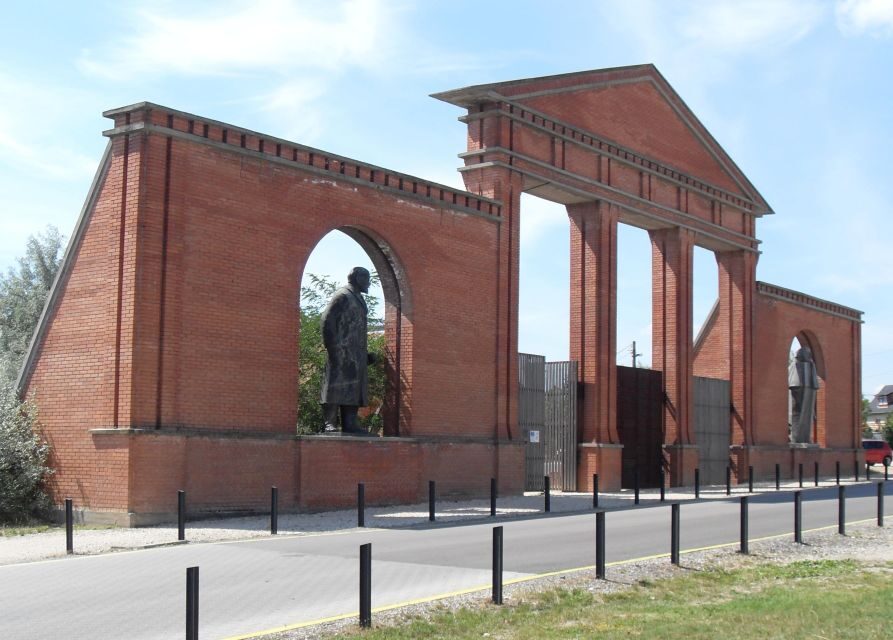
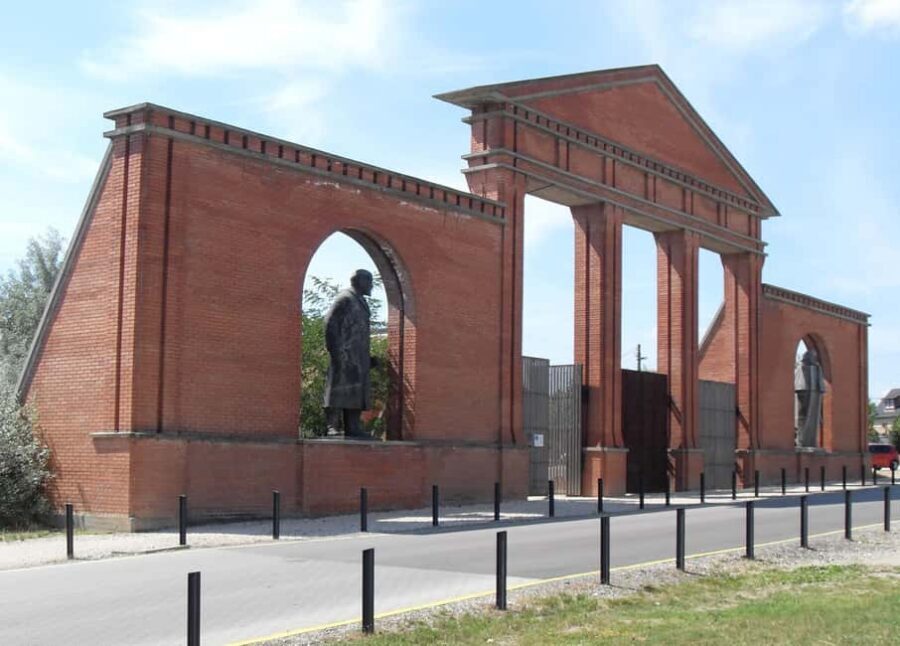
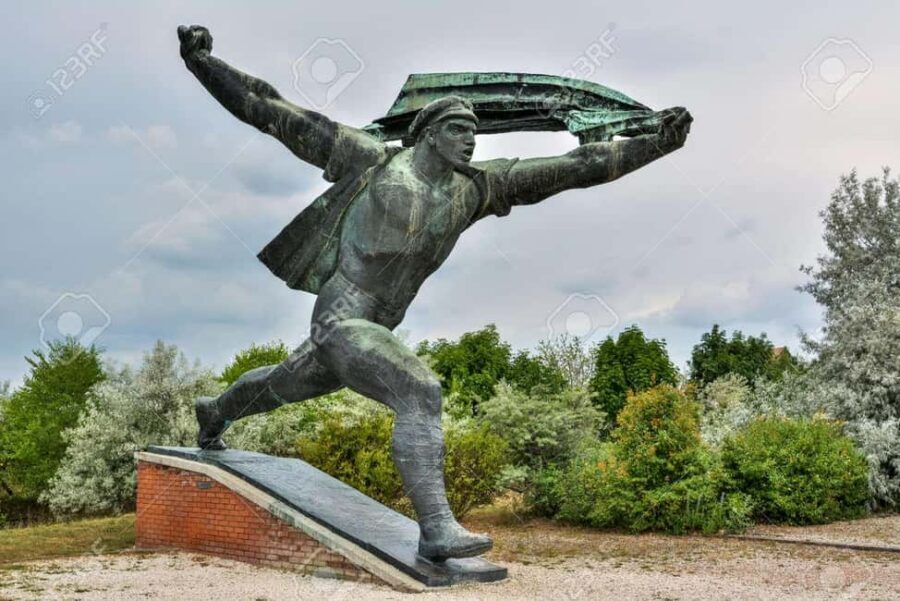
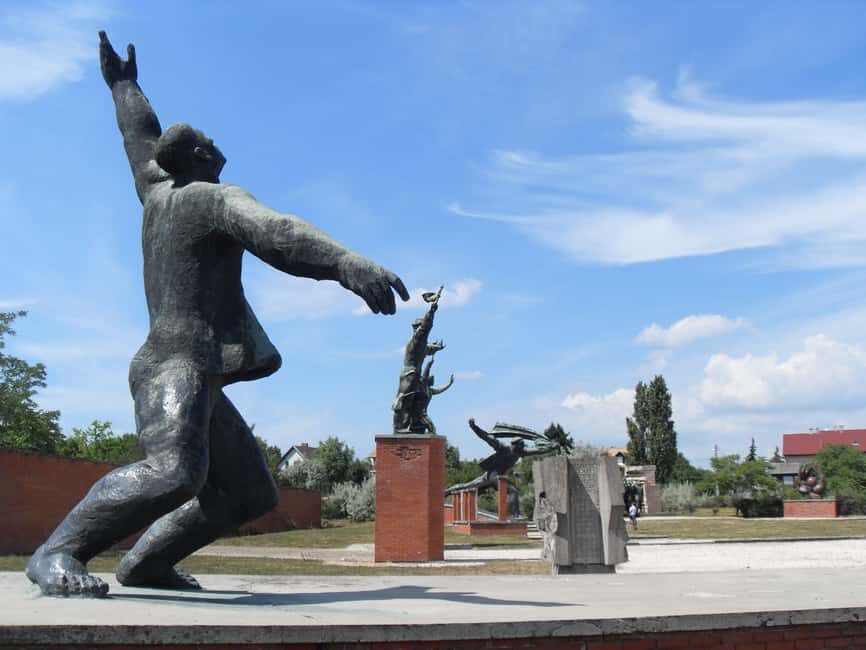
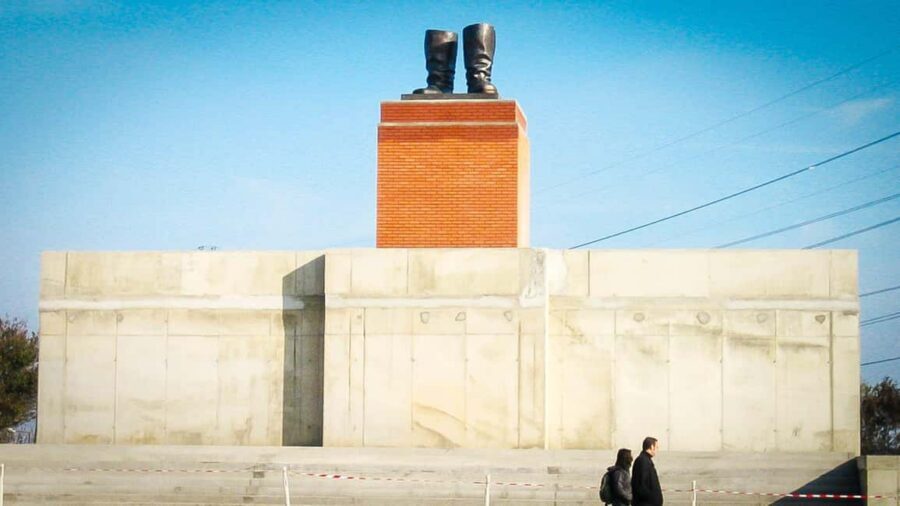
After the Terror House, you head to Memento Park, Budapest’s famous open-air collection of communist-era statues. One useful detail: the monuments were relocated from the city to this museum area, reflecting how political symbolism can change over time. The collection includes monuments from 1945–1989 and, according to the tour description, totals 42 pieces.
At Memento Park, you’ll see major names of the era’s propaganda world—statues of Marx, Lenin, and other Hungarian communist leaders your guide points out. You’ll also encounter the Memorial of the Hungarian-Soviet Friendship, and there’s mention of the 6-meter-high statue of the Liberation Army Soldier as part of the set.
A lot of open-air parks can feel like a photo stop. This one feels different because the sculptures come with history attached. You’ll get help understanding why these figures were placed where they were, and why they were later moved. It’s a strong reminder that “public art” can be politics made physical.
And yes, it’s one of the best places in Budapest to slow down and really look. The guide’s job here is to connect the visual details to the human story behind them.
Finishing with the Children’s Railway in the Buda Hills
To end on something lighter, you’ll take a ride on the Children’s Railway in the Buda hills. It originally operated as the Pioneer’s Railway and opened in 1949, with children aged 10–14 running it in their official roles.
This is a clever emotional pivot. After memorials and persecution, you get a snapshot of how the same era also shaped everyday routines and youth life. It’s not about minimizing the hard parts; it’s about showing that the system touched everything—from ideology to training and play.
If you’re the type who likes your days to have a natural rhythm, this ending helps. You leave with a clearer idea of the era’s contradictions: control and spectacle on one side, and structured youth activities on the other.





Price and what you really get for $511 (up to 6 people)
The price is $511 per group for up to 6 people for a 5-hour half-day. That’s not the cheapest way to do Budapest sightseeing, but it’s also not trying to be. It’s a private tour built around a few specific, high-impact stops, plus pickup and transport between them.
Here’s where the value comes from, practically:
- You’re paying for a live guide and transfers, not a self-guided shuffle.
- Entry into Memento Park is included, which saves you time and adds clarity about what’s covered.
- It’s structured so you’re not spending your limited hours guessing what’s worth your attention.
What’s not included matters too. Entry fees beyond what’s specified are not included, and lunch isn’t included. So if you want food as part of your plan, I’d treat the tour as history-first and plan a meal after.
In short: if you like guided interpretation and want a focused route with real context, the price makes sense. If you just want quick outdoor sights and you hate museums, you might feel it’s more than you need.
Pickup, transport, and how the day flows
This is a private group tour with pickup at your accommodation or an agreed location. There are 3 pickup location options in Budapest’s districts—District XI, District V, and District VII. The drop-off locations mirror those districts.
The day is a mix of van time and walking. That matters because these sites aren’t all in one flat, easy line. Using a vehicle helps you keep your energy for the stops that require attention—Citadella, the museums, and Memento Park.
Time-wise, the tour runs for about 5 hours. Starting times depend on availability, so you’ll want to check what fits your Budapest schedule.
Guide quality and why it matters on a heavy-history tour
A tour like this rises or falls on the guide. It’s dense. The names, dates, and ideological symbols can blur together fast if you don’t get good explanation.
In the feedback I’m seeing, Thomas comes up as an exceptional guide. The most consistent theme is that the tour feels in-depth and well explained. That’s exactly what you want when the subject is communist rule and its memorial culture.
Also, because the tour is private, you can ask questions without feeling rushed. That can be the difference between a museum visit that’s just informative and one that helps you actually understand how the era is remembered in Budapest today.
Who should book this tour?
This tour fits best if you:
- Like your history with context, not just monuments and dates
- Want to understand how political systems create lasting physical symbols
- Don’t mind museums and heavier subject matter
- Prefer a private, guided day over trying to plan the route yourself
It’s less ideal if you’re only after scenic views and light entertainment. While you do get an upbeat ending on the Children’s Railway, the core of the tour is memorial and museum time.
Should you book Budapest Half-Day Tour: Life Behind the Iron Curtain?
I think it’s a smart choice if you’re in Budapest for a short time and want one tour that gives you real historical footing. The combination of Citadella, Terror House, and Memento Park covers different angles of the same story: battlefield aftermath, state terror, and propaganda monuments.
Skip it if you want a purely relaxing day, or if museums feel like a chore for you. In that case, Budapest has plenty of other half-day options that focus on architecture, rivers, and neighborhoods.
If you’re curious about the Iron Curtain’s footprint in everyday space—statues, museums, and even a train run by children—this tour does a focused job with enough time to actually absorb what you’re seeing.
FAQ
How long is the Budapest Half-Day Tour: Life Behind the Iron Curtain?
It lasts about 5 hours. Starting times depend on availability.
Is this a private tour, and how many people can be in a group?
Yes, it’s a private group tour. The price is listed per group up to 6 people.
Where are the pickup and drop-off locations?
Pickup is offered from 3 district options in Budapest: District XI, District V, and District VII. Drop-off uses the same three district options.
What’s included in the tour price?
Transfers and a live guide are included, and entry into Memento Park is included. The tour also includes the guided visit portions described, with pickup and drop-off.
Are there any entry fees included?
Entry into Memento Park is included, but entry fees are listed as not included overall. Lunch is also not included.
Is an audio-guide included for the Terror House?
Yes. The Terror House visit includes an audio-guide.
What languages are available for the live guide?
The live tour guide is available in English, Spanish, Italian, German, Russian, French, and Portuguese.
What do I need to bring?
Bring a passport or ID card.
Is it refundable if my plans change?
The activity offers free cancellation up to 24 hours in advance for a full refund. It also offers reserve now & pay later so you can book without paying immediately.