REVIEW · BUDAPEST
Pannonhalma, the 1000 years old abbey, and Györ, private tour
Book on Viator →Operated by Budapest Day Trips · Bookable on Viator
A thousand years of calm starts here. This private day trip links the UNESCO Pannonhalma Archabbey with the baroque streets of Győr, plus a church stop in Lébény. I like the clear structure of the route, and I love that you get round-trip private pickup and drop-off from wherever you’re staying in Budapest.
What makes it especially satisfying is the balance: you’re not only looking at buildings, you’re learning why they matter. A possible drawback to plan for is the length of the day (about 7 to 9 hours) and the fact that food and drinks aren’t included, so you’ll want to budget time for a meal on your own.
In This Review
- Key highlights you’ll actually care about
- Why this day trip works so well from Budapest
- Price and value: is $415 per person a fair deal?
- Your guide matters: what to expect from the storytelling
- Győr Old Town: cathedral, palaces, and Napoleon’s house
- Pannonhalma Archabbey: subchurch, cloister, library, and terrace views
- The Lébény stop: St James the Apostle church
- Timing, pacing, and how to plan your day
- Booking outlook: when to reserve
- Who this tour is best for
- Should you book this private Pannonhalma and Győr day trip?
- FAQ
- How long is the tour?
- What does the tour include?
- Is Pannonhalma admission included?
- What are the main stops during the day?
- How long do we spend in Győr and Pannonhalma?
- Is the tour language English?
- What about cancellation or refunds?
Key highlights you’ll actually care about
- Private hotel transport across the full day, so you’re not juggling trains or schedules
- UNESCO time at Pannonhalma, including entry, guided stops, and terrace views over the countryside
- Győr Old Town with major sights in one walk, from the cathedral and main square to Napoleon’s house
- A guide who keeps the stories moving, including art and history at a pace that won’t wear you out
- Abbey shop treats and products, from lavender chocolate to wine made in the abbey’s own winery
- English-language tour, with a mobile ticket and only your group participating
Why this day trip works so well from Budapest
If you’re based in Budapest and want a break from city museums, this plan is a smart shortcut. You’ll spend the day in two places that feel totally different: one is a living monastic complex with deep roots, and the other is a baroque river-city with palaces and church fronts that look like they belong in a movie set.
The value here is not just what you’ll see. It’s the way the time is packaged. Two focused blocks give you room to walk, look up, and ask questions, instead of racing from one photo stop to the next. And because you’re going by private vehicle with pickup anywhere in Budapest, you waste less energy figuring out transport.
I also like that the tour is explicitly built for a group experience that stays personal. It’s not a big bus where you lose track of what you’re looking at. Your guide works with your group only, and that makes a difference, especially at a site like Pannonhalma where details matter.
You can also read our reviews of more private tours in Budapest



Price and value: is $415 per person a fair deal?
At $415 per person, this is not a budget outing. You’re paying for three things that usually cost extra when you try to DIY: private transportation, a professional guide, and included admission for Pannonhalma. The route also includes multiple locations across the region, which would take real planning to stitch together on your own.
Here’s when it tends to feel like good value:
- You’re traveling with a small group and can make use of the private setup (and any group discount offered).
- You want a guide to connect the dots between architecture, religious life, and city history.
- You don’t want the stress of coordinating public transport for a long day.
One thing to watch: since food and drinks aren’t included, your total day cost can climb if you end up needing expensive meals near major sights. If you’re the type who likes to stretch time slowly with coffee or snacks, plan ahead.
Your guide matters: what to expect from the storytelling
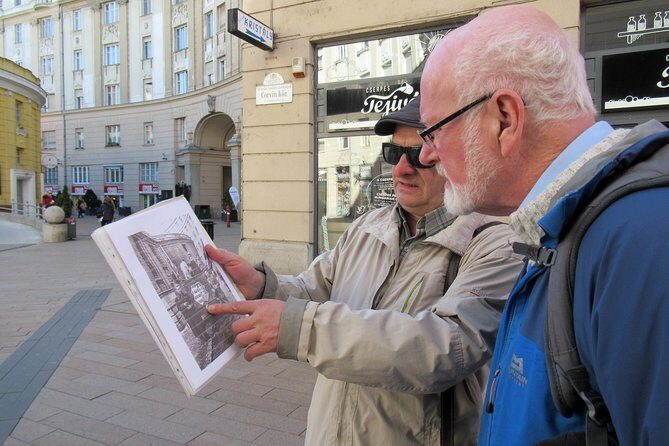
This tour is led by a professional guide, and one name shows up for a reason: Ildikó. People consistently connect her long career with the way she explains what you’re seeing—history, art, and how to understand the buildings without getting lost in dates.
That’s a big deal at Pannonhalma. Monasteries are visually dramatic, but they can also feel like they’re speaking a different language. With a strong guide, you learn what to look for: how different parts of the abbey function, why the cloister and library are important, and how the spaces fit together.
Even better, the tone tends to be practical. You’ll get the stories, but you’ll also keep moving. The whole day stays lively without turning into a lecture where you’re stuck watching a guide talk while you stand still.
Győr Old Town: cathedral, palaces, and Napoleon’s house
Győr is the kind of Hungarian city that rewards slow attention. In about two hours, you’ll hit a compact cluster of highlights that make the baroque feel personal instead of generic.
You’ll start with Győr Cathedral and then work your way through the Main Square and downtown area. This is where the city’s face shows up: church fronts, ornate building details, and the kind of street architecture that makes you want to crane your neck.
A few specific stops make this walk more than a generic town center stroll:
- Napoleon’s house: a named landmark that adds a surprising historical note to the city’s story
- Pélffy and Zichy palaces: impressive noble-era architecture you can appreciate quickly once you know what to look for
- Baroque houses and churches across the old center, giving you plenty to compare
There’s also a very human historical detail: Pope Saint John Paul II visited Győr in 1991. That fact gives the visit a modern anchor, so you don’t feel like you’re only dealing with far-off centuries.
Practical tip for this part: wear comfortable shoes. Old Town walking is mostly fine, but you’ll be on your feet as you shift between squares, facades, and viewpoints.
Pannonhalma Archabbey: subchurch, cloister, library, and terrace views
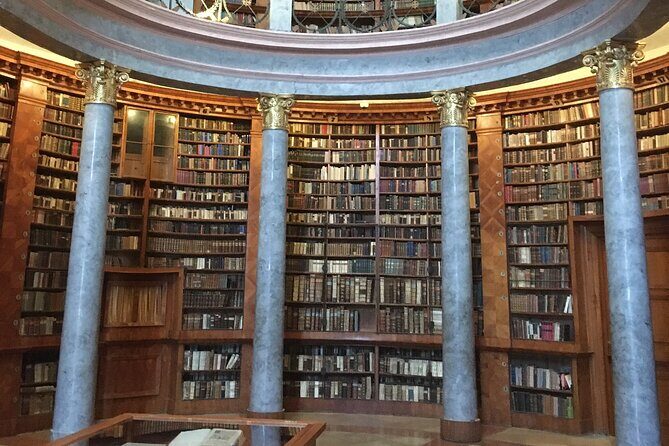
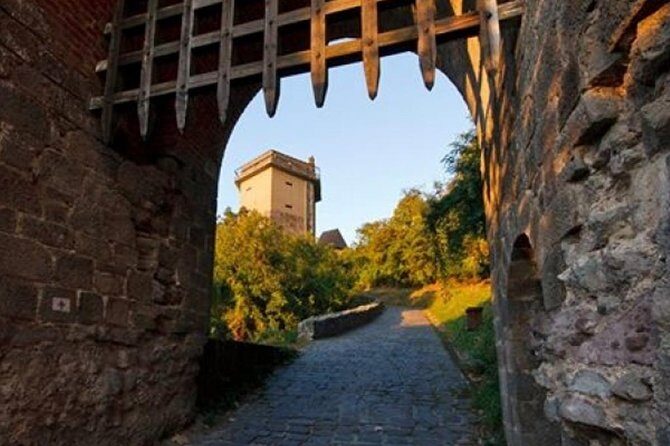
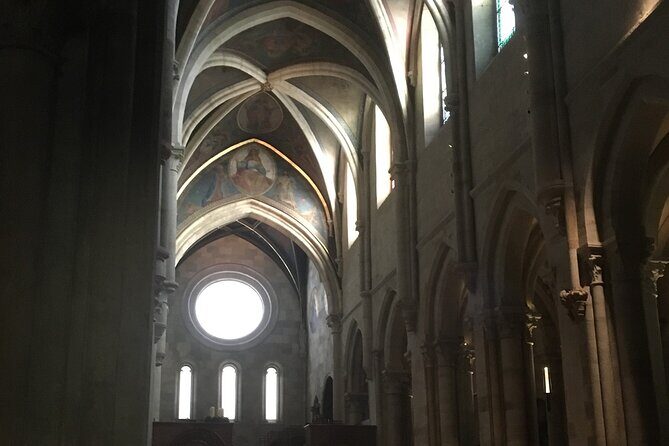
This is the heart of the day. Pannonhalma Archabbey is UNESCO-protected, and the experience is structured to help you understand why it’s still relevant after 1,000 years.
You’ll spend about two hours here with an included guided visit and time to absorb the atmosphere. The key sites you’ll see include:
- The medieval subchurch
- The cathedral
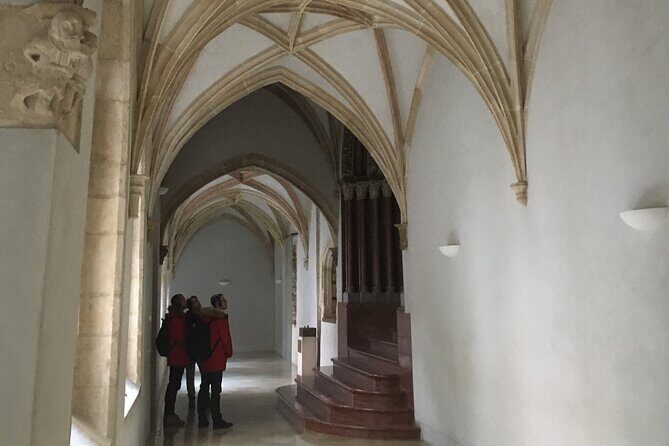
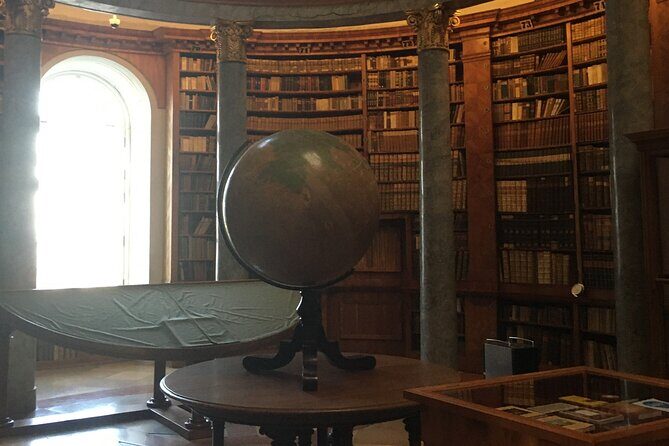
- The Benedictine Abbey cloister and library
The cloister and library are the places where a guide’s explanations pay off. They’re not just beautiful rooms. They represent how monastic life organized learning, reflection, and community rhythm over centuries.
Then comes the part you’ll remember even if you forget the details: the terrace view. From there you’ll see the countryside spread out beyond the abbey grounds, and it helps the whole site click. You stop thinking of the abbey as an isolated monument and start seeing it as part of a landscape of work, farming, and daily life.
One more reason people leave Pannonhalma feeling satisfied: the abbey experience isn’t only about stone and silence. You’ll also notice the monk-cared herb and lavender garden. And in the shop, you can buy products from the abbey’s own work—like lavender chocolate and wine made in the abbey’s own winery. Even if you don’t buy anything, it gives you a tangible connection to present-day monastic tradition.






The Lébény stop: St James the Apostle church
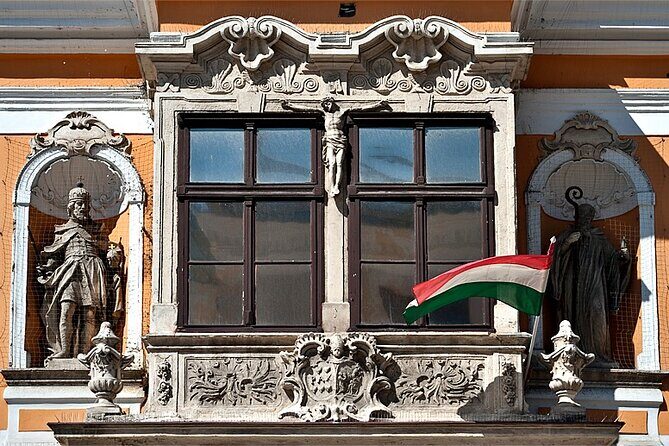
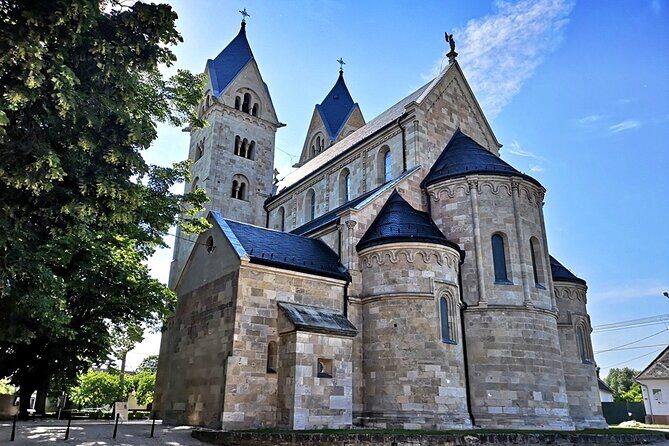
Between the big-name monastery and the city walk, there’s a smaller but meaningful stop: Lébény’s Roman Catholic church of St James the Apostle.
We don’t get a long time here, so treat it as a quick reset and a chance to see a different side of the region. This kind of stop is perfect when you want variety without spending the entire day on travel logistics. Even a short church visit can add context to what you saw at Pannonhalma—another piece of the area’s religious and architectural pattern.
If you’re someone who loves to compare churches, pay attention to how the design choices feel different from the abbey complex. It’s not about one being better. It’s about learning how style changes with place, era, and community needs.
Timing, pacing, and how to plan your day
The total duration is about 7 to 9 hours, which is just long enough to feel like a real excursion, but short enough that you won’t lose your whole day.
The schedule also matters. You’ll do Győr first and then head to Pannonhalma, which is a nice flow. Győr gets you moving through town energy, and Pannonhalma gives you that slower, reflective switch.
Here’s how I’d plan your personal rhythm:
- Eat before you go, or plan a snack for mid-day. Since no food is included, you’ll want control over meals.
- Bring a water bottle. Even if the weather is mild, you’ll spend time walking and standing to look.
- Give yourself permission to linger at the terrace view. That spot is the payoff moment.
What to wear: comfortable shoes and layers help. Abbey interiors and church spaces can feel cooler than outside, and you’ll likely switch between sunlit terrace moments and indoor areas.
Booking outlook: when to reserve
This tour averages about 115 days ahead when people book. That’s a sign it’s popular for a specific kind of traveler: people who want culture without the hassle of planning, and who prefer a private format.
If you’re traveling during peak season or on a weekend, I’d book early so you can match the tour time to your Budapest schedule. The tour also offers a mobile ticket, which is convenient, and it runs in English.
Who this tour is best for
This private day works especially well if you:
- Want one guided day that blends UNESCO heritage and a baroque city walk
- Prefer a private experience rather than a large group tour
- Enjoy church and architecture history, but don’t want to sit for hours listening without breaks
- Appreciate small details like abbey products and named landmarks such as Napoleon’s house
It may be less ideal if you:
- Want to pack in lots of stops but hate long days
- Expect meals to be included
- Prefer a purely self-paced visit without a guide’s narrative
Should you book this private Pannonhalma and Győr day trip?
I’d book it if you want a high-quality cultural day with strong structure. The combination of Pannonhalma’s guided UNESCO visit plus Győr’s Old Town sights hits a sweet spot: monastery depth and city variety, without constant travel headaches.
It’s also a good choice when you value the human side of touring. The guide experience, including Ildikó’s style, is a standout part of the appeal because it turns “seeing buildings” into “understanding what you’re looking at.”
One last practical thought: because food and drinks aren’t included, treat the day like a long outing. Plan snacks, keep your energy up, and you’ll have an easier time enjoying both the terrace views and the city walk.
If that sounds like your travel style, this is an excellent private day from Budapest.
FAQ
How long is the tour?
It’s about 7 to 9 hours total.
What does the tour include?
Hotel pickup and drop-off, a professional guide, and entry into Pannonhalma Archabbey.
Is Pannonhalma admission included?
Yes, admission for Pannonhalma Archabbey is included.
What are the main stops during the day?
The tour includes Győr Old Town, Pannonhalma Archabbey, and a visit to the church of St James the Apostle in Lébény.
How long do we spend in Győr and Pannonhalma?
Győr is about 2 hours, and Pannonhalma is about 2 hours.
Is the tour language English?
Yes, the tour is offered in English.
What about cancellation or refunds?
Free cancellation is available up to 24 hours in advance for a full refund.