REVIEW · BUDAPEST
Budapest Small-Group Guided Tour on MonsteRoller e-Scooter
Book on Viator →Operated by E-Magine Rides Budapest · Bookable on Viator
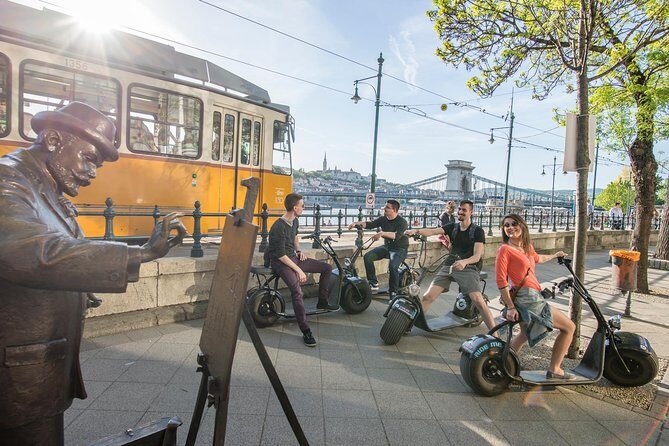
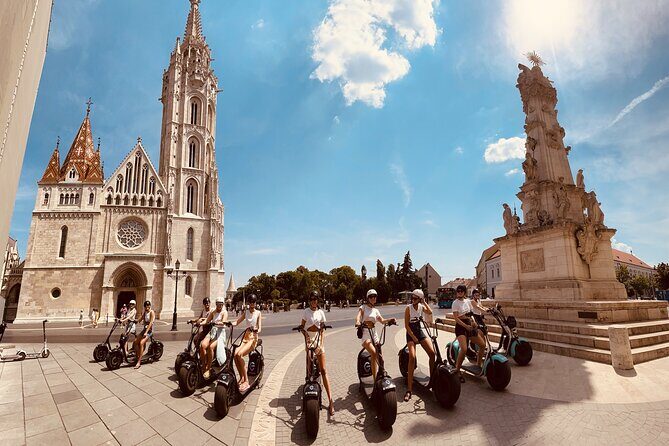
Budapest moves fast on a MonsteRoller. You get an expert-guided loop that covers major sights on both sides of the river, with pre-ride coaching so you don’t waste time figuring it out. I especially like the guided navigation (no wandering) and the way the scooters help you reach places buses can’t, fast and smoothly.
One thing to consider: this is mostly an outside-sights tour. You’re not going inside big monuments like the Parliament, and part of the ride can include road traffic, so you’ll want to feel comfortable on two wheels before the full-speed sections.
In This Review
- Quick hits before you go
- MonsteRoller scooters: how this tour actually feels
- Price and value: $72.44 for a 1–3 hour highlights sprint
- Picking a route: Essence, Castle, Heroes, and All-In styles
- Stop 1: Parliament Building area views (no entry, lots of context)
- Buda Castle District: outside views you can actually enjoy
- Szent István Bazilika: the exterior pause that helps your navigation
- Liberty Square (Szabadság tér): monuments, history, and an interactive fountain
- Margaret Island: the break that makes the scooter day feel humane
- Castle Garden Bazaar: a restored complex at the foot of the hill
- Danube riverbank rides: panoramas without the walking tax
- Heroes’ Square and City Park: Andrássy Avenue to big symbolism
- Opera House lobby: a quick interior that adds texture
- Vajdahunyad Castle and the Ethnography Museum lobby
- Citadella: city panorama with some construction reality
- Parliament Viewpoint: the quick photo moment that’s easy to miss
- Safety and comfort: how to ride without white-knuckle stress
- Weather: what happens when Budapest turns wet
- Who should book this scooter tour (and who should skip it)
- Should you book the Budapest MonsteRoller e-Scooter tour?
- FAQ
- How long is the Budapest MonsteRoller e-scooter tour?
- What is included in the price?
- Does the tour require a driving license?
- What’s the maximum speed?
- What is the minimum driving age?
- Are the stops inside major buildings?
- Is admission included for the stops?
- How big is the group?
- Is hotel pickup included?
- What should I do if the weather is bad?
Quick hits before you go
- Pre-tour test ride builds confidence fast, even if you’re new to scooters
- Small groups (max 15) keep the pace friendly and the guide easier to hear
- Outside-only sightseeing means lots of moving and photo stops, not long museum time
- Danube riverbank segments give big views of both Buda and Pest
- Guides often shoot short videos and photos, adding value to your sightseeing memories
- Speed is capped at 25 km/h, so it’s fun without feeling out of control
MonsteRoller scooters: how this tour actually feels
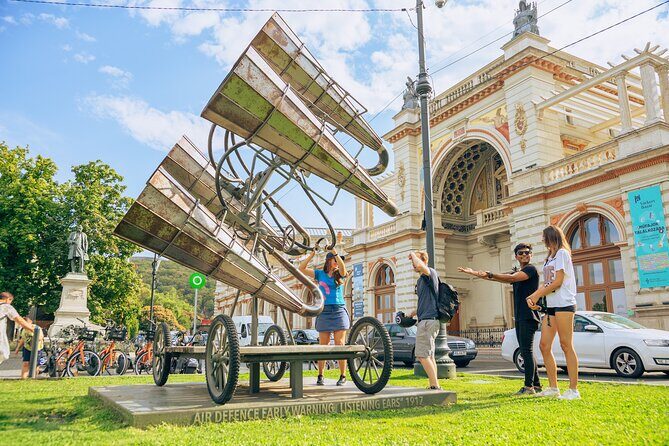
This is one of those Budapest ideas that makes sense the moment you see it. The scooters are compact, quick to learn, and built for cruising city routes without the stop-and-go misery of walking—or the “bus can’t reach that” problem you hit with bigger vehicles.
What makes it work is the pacing. You don’t just get dropped off at monuments. You follow a local English-speaking guide (German is also offered), and they keep the group together while pointing out what matters. In the better moments, the route turns into a moving history lesson—where you’re not only looking, you’re also understanding what you’re seeing.
And yes, the ride itself is the hook. People consistently talk about how easy the scooters are to get going with the brief training. The max speed of 25 km/h keeps things predictable. If you’re used to a bicycle, you’ll likely adapt fast. If you’re not, plan on a couple of slower minutes at the start to find your balance and steering rhythm.
You can also read our reviews of more guided tours in Budapest



Price and value: $72.44 for a 1–3 hour highlights sprint
$72.44 per person is the kind of price that only feels “worth it” if the tour saves you time and stress. That’s exactly what this does. You’re paying for a short window to cover a lot of Budapest in a way that feels like sightseeing, not logistics.
Here’s the value equation I’d use:
- Time savings: In a few hours you can cross key areas on both banks of the Danube without trekking between far-apart sites.
- Guided context: The guide ties each stop to what you’re looking at—past and present—so photos don’t become just selfies.
- Included gear: Helmet plus rain poncho and/or warm gloves (when needed) removes a chunk of “what if the weather turns” anxiety.
- Extra media: Multiple guides have a reputation for filming short clips and taking photos, so you come home with more than just your own camera roll.
If you’re only in Budapest for a day or two, this becomes a smart first “get your bearings” move. If you have more time, it still works, because it shows you where everything sits so your later walks make more sense.
Picking a route: Essence, Castle, Heroes, and All-In styles
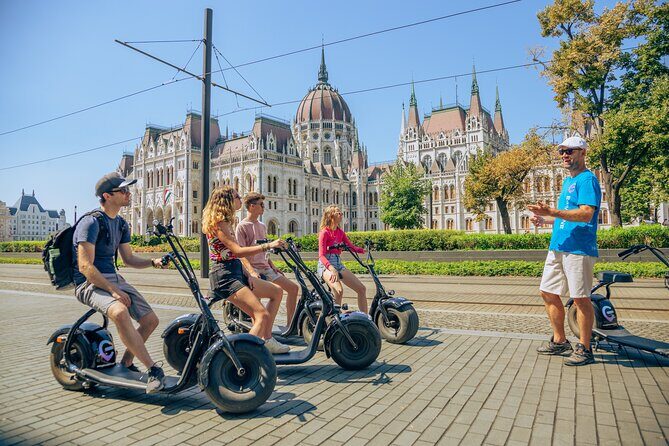
You can choose among different routes based on what you want most. The tour structure is built around clusters of highlights, so you don’t waste time zigzagging across town in the wrong order.
A few route patterns that matter for planning:
- Buda-forward routes focus on the Castle District area views and key skyline stops.
- Heroes’ Square and City Park routes connect major landmarks via long, scenic avenues and then loop through the cultural core of the park area.
- Danube riverbank moments often appear in multiple routes, so even if you pick one theme, you still tend to get those river panorama breaks.
- The All-In option is basically the “see the most in one go” choice, stacking the big names with more photo pauses.
If you want the easiest win, pick the route that matches your itinerary days. For example, if your walking day is scheduled for one bank, choose the scooter route to cover the other bank and keep your legs fresher.
Stop 1: Parliament Building area views (no entry, lots of context)
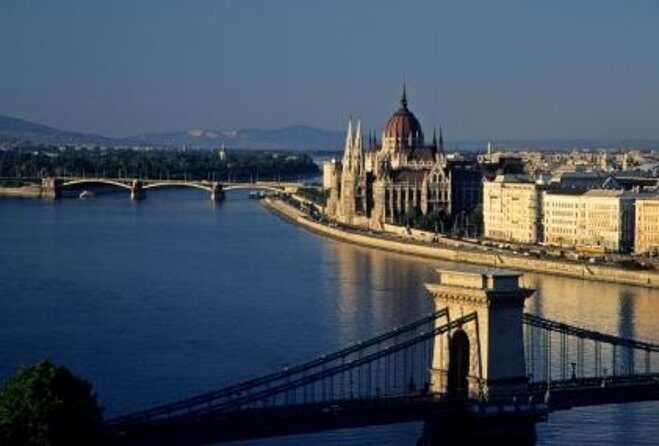
The tour starts (on the Essence and All-In style routes) near the Hungarian Parliament Building. Plan for a short stop—about 15 minutes—and remember: you’re not going inside. That can sound like a downside, but it’s actually a smart use of time. The guide points out what you need to notice from the outside, plus the key stories behind the building’s role then and now.
What you get:
- A quick orientation to one of Budapest’s most photographed silhouettes.
- A chance to understand how the building fits into the city’s political and cultural image.
- Room for photos without waiting in lines.
What to watch for:
- If you’re hoping for a full interior visit, you’ll need a separate plan. This tour is built for outside views and moving on.
Buda Castle District: outside views you can actually enjoy
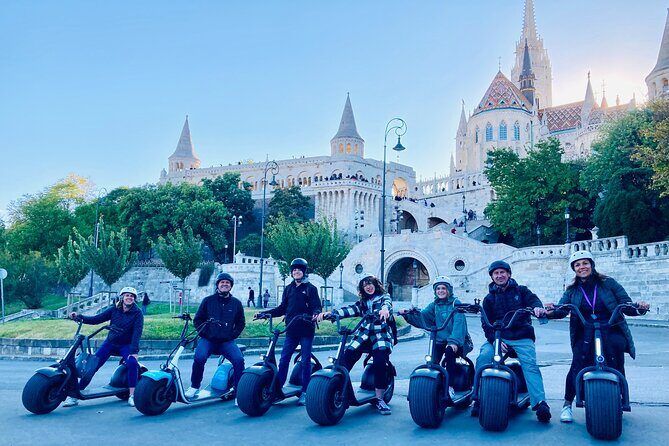
On Castle-focused routes (and All-In), you’ll spend time in the Buda Castle district. Expect about 30 minutes for the main Castle area stop, and note the approach: outside visits only. That means you’re free to look around without ticket chaos, and the guide can keep you moving to viewpoints instead of waiting behind gates.
This stop is one of the best “shape of Budapest” moments. The Castle District sits above the Danube, and from here you see why the city grew the way it did. You’ll also feel the shift in atmosphere: it’s quieter up on the hill, more stone and stairs, and less of the flat-city feel you get elsewhere.
Nearby, you may also get the Matthias Church stop by daylight on certain routes (about 10 minutes). Again, outside only. It’s still worth it. The architecture reads differently when you’re standing close, and your guide can show you what to notice even without entering.
You can also read our reviews of more tours and experiences in Budapest






Szent István Bazilika: the exterior pause that helps your navigation

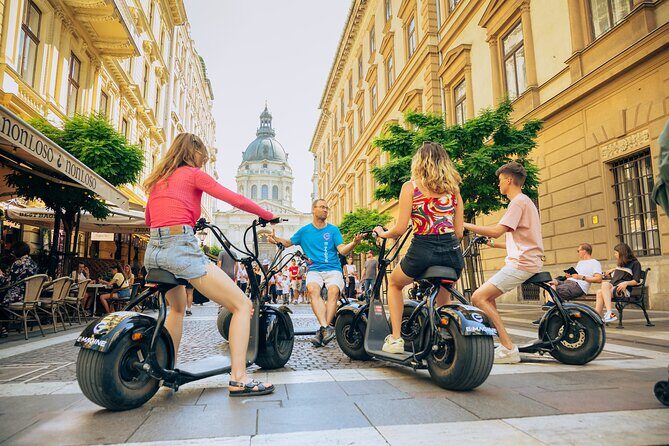
On Essence and All-In routes, one of the stops is Szent István Bazilika. It’s outside-only and usually brief—around 10 minutes—so you’re not lingering. But that’s the point. This is a “place on the map” stop that makes the rest of your day easier.
Why it matters:
- You see a major landmark early enough to use later as a reference point.
- Your photos come out better when you’ve got time to reframe your angle from the sidewalk and nearby viewpoints.
If you’re planning to revisit the Basilica later, this stop can act like a scouting pass.
Liberty Square (Szabadság tér): monuments, history, and an interactive fountain
The Szabadsag ter stop (Liberty Square) shows up on Essence and All-In routes. Expect around 10 minutes. The square has a few layers going on: major monuments plus an interactive fountain that’s fun if weather is decent and you happen to travel at a time when the fountain is running.
There’s also a darker note here. One monument relates to Nazi Occupation/Holocaust memory. A good guide won’t rush past it. They’ll explain what it is and why it’s part of the square’s modern meaning.
Possible drawback: squares can feel busy depending on the day. Your best move is to let the guide place you for photos, then enjoy the fountain area if it’s operating.
Margaret Island: the break that makes the scooter day feel humane
This is often the mental reset. Margaret Island appears on Fairy Garden style routes and All-In variations, with about 20 minutes. You’re trading city streets for greener space: trees, gardens, and a calmer rhythm that contrasts the big monuments.
If you’ve been walking all day, this stop alone can be worth choosing the route with it. On a scooter, you still feel like you’re doing something active, but the surroundings lower the stress level.
Practical note from real riding experience: speed and steering feel different when the surface or turns change. This island section can be a highlight for learning how to handle the scooter smoothly.
Castle Garden Bazaar: a restored complex at the foot of the hill
On Castle and All-In routes, you may stop at Castle Garden—a restored 19th-century Neo-Renaissance complex at the base of Buda Castle Hill. The stop is short, around 10 minutes, and it’s meant to give you context about what sits at the “feet” of the main Castle sights.
What makes it useful:
- It breaks up the long hill-and-view pattern with a different kind of place: gardens and cultural spaces.
- It’s a quick orientation point so you understand the Castle District isn’t only churches and lookouts.
Because it’s short, don’t plan on shopping or deep browsing. Think of it as a “spot check” for your future return.
Danube riverbank rides: panoramas without the walking tax
Even when you’re not stopping at every river point, many routes include riding along the Danube riverbank. This is where the scooter does its best work: you get broad views of both sides—Buda and Pest—without having to hike between viewpoints.
Look for the moments when your guide shifts you into photo positions. That’s often when the Danube views turn from “nice” into “I get it now” photos.
If you’re sensitive to wind or cold, plan layers. The river area can feel cooler than the streets.
Heroes’ Square and City Park: Andrássy Avenue to big symbolism
The Heroes’ Square stop is on the Heroes’ Square & City Park style route. The ride itself includes Andrássy Avenue, and you’ll go straight through toward the square—this matters because it’s a long, scenic approach, not a random hop.
After arriving, expect about 15 minutes at Heroes’ Square. From there you’ll also explore the renewed City Park area, with a quick look at cultural buildings and projects that have been updated and restored.
The guide’s job here is important: this is a lot of architecture and statuary in a short window. A good guide helps you connect names, symbolism, and why the city built this grand public space.
Then, you head back downtown through what’s described as Budapest’s “party district.” Translation: you’ll get a peek at the city’s modern nightlife energy too, not only its museum sides.
Opera House lobby: a quick interior that adds texture
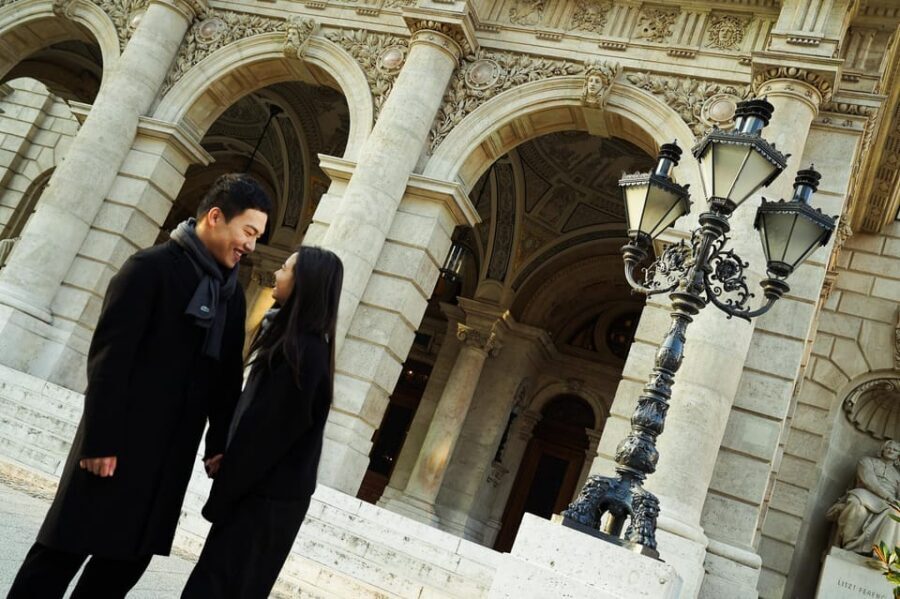
On Heroes’ Square routes, there’s a short stop near the Hungarian State Opera House (Magyar Állami Operaház). You don’t see the full show or a full interior tour. Instead, you get a brief visit inside the lobby to see the interiors.
This is a smart middle ground. You get the feeling of the building without the time sink of a deeper guided visit. It also helps you understand why Andrássy Avenue is such an important ceremonial corridor in the city.
Vajdahunyad Castle and the Ethnography Museum lobby
More City Park highlights follow in quick hits:
- Vajdahunyad Castle (about 10 minutes): a whimsical complex that showcases different Hungarian building styles, originally built for the 1896 Millenium Expo.
- Museum of Ethnography lobby stop (about 10 minutes): you see the lobby area, which also works as a City Park Visitor Center.
These stops are short, but they do something valuable: they keep you from spending the whole ride only on the biggest monuments. You get variety—styles, eras, and the feeling of Hungarian identity expressed through architecture.
Citadella: city panorama with some construction reality
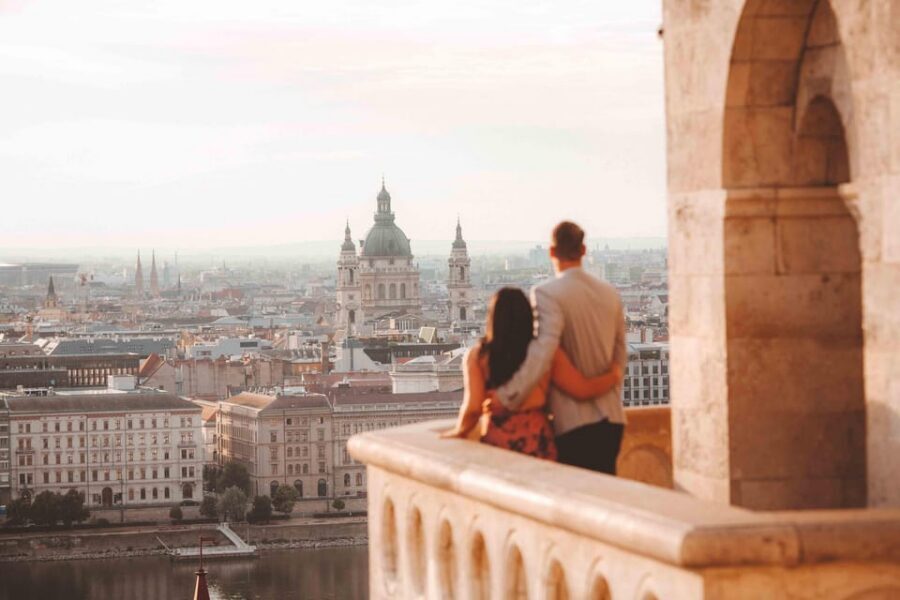
On Citadel-style routes, you’ll reach Citadella, with about 15 minutes. The big draw is the panorama—this is the kind of view that makes Budapest look like it’s stacked intentionally.
One practical note: Citadella has been under renovation, with an expected completion date listed for 2023. That means you might see work happening during your visit, and your viewpoint might be shaped by the construction setup. Still, the stop exists because the views are worth it.
Parliament Viewpoint: the quick photo moment that’s easy to miss
On several routes, there’s a small added stop called a Parliament Viewpoint, about 5 minutes. It’s a perfect photo spot with a view of the Parliament building across the river.
This stop is short, but it can massively improve your photos because it gives you a different angle than the main Parliament area stop.
If you’re the type who wants great pictures without spending 45 minutes hunting angles, take this moment seriously.
Safety and comfort: how to ride without white-knuckle stress
The tour runs at a capped speed and uses a mix of roads and bike roads. That sounds straightforward, but in real city riding, what matters is how you handle turns and how you manage traffic sharing.
Here’s what you should do:
- Wear the included helmet. Don’t skip it.
- Dress in layered, leisurely clothing. Avoid high-heel shoes and skirts as advised.
- If the steering feels new, remember the guide gives you a pre-tour test ride. Take that time seriously.
- On sharper turns, slow down and let the scooter respond before you force it.
Also, the guide actively watches your comfort and ride line. Several experiences describe guides keeping an eye on riders to prevent mistakes.
If you’re nervous about roads, bring that up at the start. Guides can adjust pacing and help you settle in.
Weather: what happens when Budapest turns wet
This tour depends on good weather. The operator includes rain poncho and/or warm gloves when needed, and that helps. Still, if conditions get unsafe, you should expect the plan to change. One experience involved a rainstorm with lightning and a refusal to refund because the day’s safety situation led to a non-departure and scheduling conflict.
My advice: if storms are on the forecast, don’t assume you’re guaranteed to ride no matter what. Check what the operator says for that day, and be flexible.
Who should book this scooter tour (and who should skip it)
Best fit:
- You want a first-day Budapest overview without running on fumes.
- You like moving fast between landmarks but still want a guide to explain what you’re seeing.
- You’re comfortable riding a bicycle or you’ll pay attention during the pre-ride training.
- You want photos and short video clips as part of the experience.
Maybe skip if:
- You want long, inside museum time or guided indoor ticketed experiences.
- You feel strongly uneasy about riding near cars, even with helmets and guide control.
- You’re traveling with limited mobility or you prefer fully pedestrian sightseeing.
One more tip: this is a small group. That can make the stories feel personal, especially with guides like Attila, who tends to mix humor with site explanations and also does photo and video work. You might also meet guides such as Gabor, Balint, and Yanka, who all show up in the guide stories people share.
Should you book the Budapest MonsteRoller e-Scooter tour?
If your goal is to see Budapest efficiently, feel where the city’s sights sit, and keep your day fun, I’d book it. It’s one of the best ways to connect Buda and Pest in a short window without turning your trip into pure commuting.
I would book it especially if you’re:
- short on time,
- curious about architecture and major landmarks,
- and okay with the tour being mostly outside viewing plus ride time, not indoor ticket adventures.
If weather worries you, choose a flexible day and pack layers. If you’re unsure about scooters, trust the initial training and go slow on your first turns. Do that, and you’ll end up with a very Budapest day: river views, hill panoramas, big squares, and a ride that feels like the city is handing you the highlights instead of making you chase them.
FAQ
How long is the Budapest MonsteRoller e-scooter tour?
It runs for about 1 to 3 hours, depending on the route and tour option you choose.
What is included in the price?
You get use of the MonsteRoller electric scooter, helmets, and rain poncho and/or warm gloves when needed. You also get a local expert guide (English or German options) and all taxes and fees.
Does the tour require a driving license?
No driving license is required.
What’s the maximum speed?
The maximum speed is 25 km/h.
What is the minimum driving age?
The minimum driving age is 14 years, with adult supervision.
Are the stops inside major buildings?
For several major stops, visits are outside only (for example, the Parliament Building area and Buda Castle area). You may also visit a lobby area such as the Opera House lobby, but many sights are not entered.
Is admission included for the stops?
Admission is listed as free for the included stops, and the tour indicates outside visits for key areas (so you generally don’t need paid tickets during stops).
How big is the group?
The tour has a maximum of 15 travelers.
Is hotel pickup included?
No. Hotel pickup and drop-off are not included.
What should I do if the weather is bad?
The experience requires good weather. If it’s canceled due to poor weather, you’ll be offered a different date or a full refund.