REVIEW · BUDAPEST
Tiny Sculptures, Big Stories: Kolodko mini statue tour
Book on GetYourGuide →Operated by ET Alternative · Bookable on GetYourGuide
Find bronze secrets on the street. This Kolodko mini statue tour turns Budapest into a scavenger hunt, guided by ET as you track Mihail Kolodko’s tiny bronze characters and match each one to a local legend and neighborhood mood. I especially liked the storytelling-to-sight ratio (you’re not just looking, you’re decoding), and the fact that public transport is built in so you cover more than a slow stroll. One drawback: the statues are small and sometimes tucked where you’d never notice them on your own, so bring comfy shoes and plan for time outdoors in whatever weather shows up.
In 2.5 hours, you start at New York Café Budapest on the Pest side and finish around Szent Gellért tér on Buda side at a spot that’s easy to return from. It’s an English small group (max 10), and the ticket price includes public transport rides, so the afternoon feels smooth instead of logistically messy.
In This Review
- Key highlights you’ll care about
- Mihail Kolodko mini statues: why tiny bronze matters
- Starting at New York Café Budapest: how the tour gets moving
- The 2.5-hour scavenger hunt: Pest to Buda with public transport
- ET’s storytelling style: how the art connects to neighborhoods
- Synagogue and Danube: where the tiny art meets the big landmarks
- Price and value: is $35 worth a Kolodko mini statue tour?
- What to wear and bring so you enjoy every statue
- Who this tour suits best (and who might skip it)
- Quick decision guide: should you book Tiny Sculptures, Big Stories?
- FAQ
- Where do I meet for the Kolodko mini statue tour?
- How long is the tour?
- What’s the price per person?
- Is the tour in English?
- Is this a small group tour?
- What does the tour include?
- What are the main sights I’ll see?
- Can I cancel or change plans?
Key highlights you’ll care about
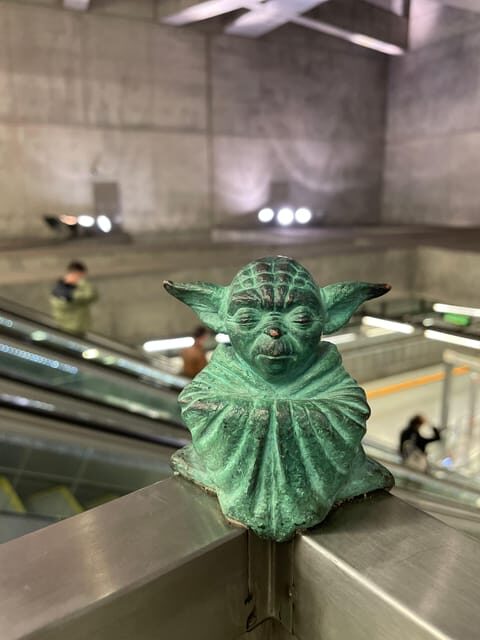
- Mihail Kolodko mini bronzes: you’re searching for the very small works that most people miss
- ET’s interactive format: spot the statue, then get the story that connects it to the street around it
- Pest-to-Buda route: you get movement across the city in a short time window
- Synagogue and Danube moments: the tiny art still leads you to big landmarks
- Transit tickets included: less scrambling, more time looking and listening
- Worth repeat noticing: you’ll likely spot more Kolodko statues later, using what ET teaches you
Mihail Kolodko mini statues: why tiny bronze matters
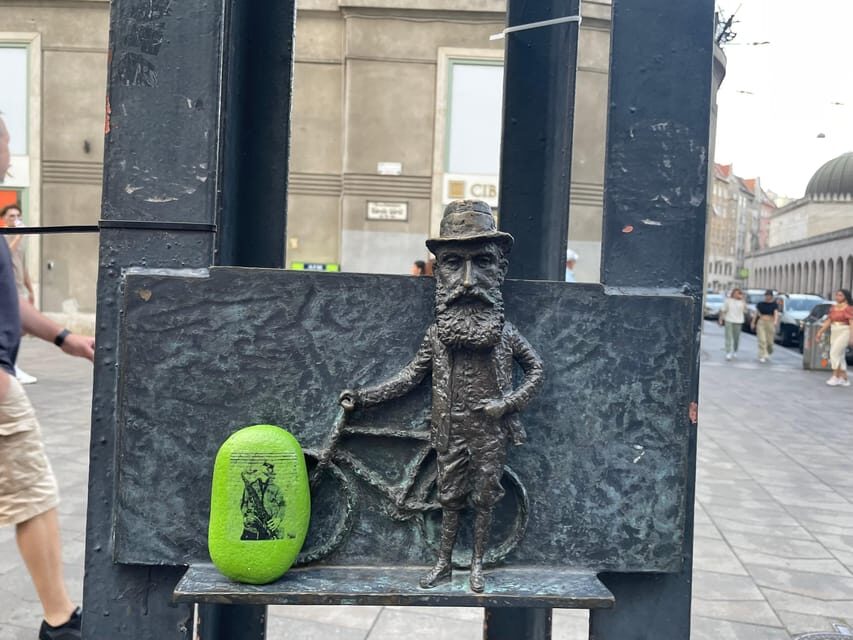
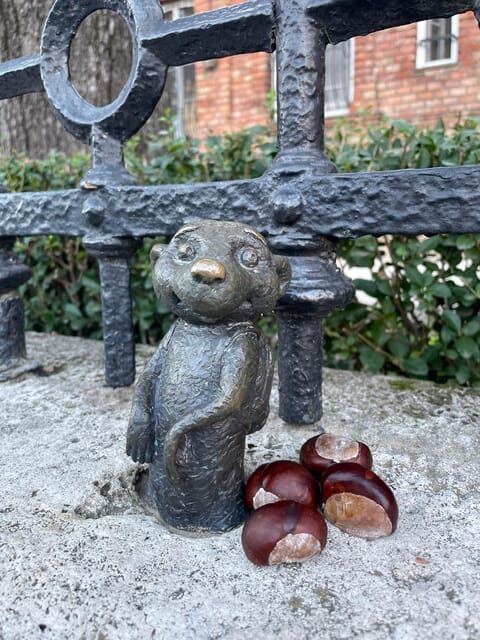
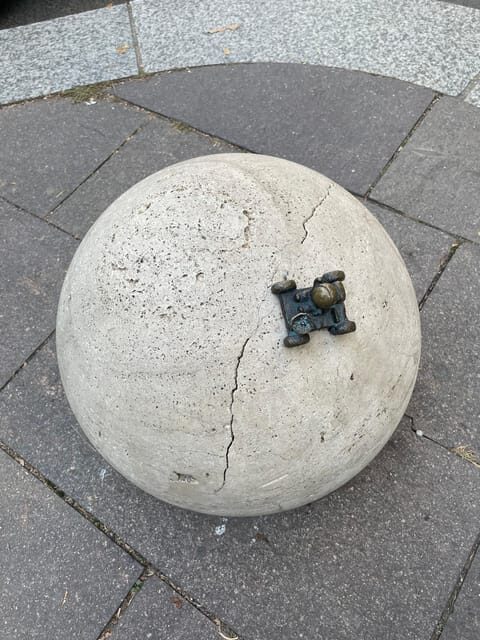
The core idea is simple: these aren’t big monuments you can photograph from far away. Kolodko’s work is made to reward walking, staring, and noticing. And that’s the hook—Budapest stops feeling like a checklist and starts feeling like a living storybook written at sidewalk level.
What I like about this kind of art tour is that it changes how you look at a city. Instead of asking What’s the name of that building? you start asking Why is this here? and Who is meant to see it? Kolodko mini statues often work like neighborhood footnotes: small figures with context, humor, and references that you miss if you only visit the obvious sites.
ET’s role matters because the statues are easy to overlook. The tour guides you toward seeing what’s already around you. Then the story gives the statue a reason to exist. That two-step process is what makes the bronze feel personal instead of random.
You can also read our reviews of more tours and experiences in Budapest.



Starting at New York Café Budapest: how the tour gets moving
You meet at the entrance of New York Café Budapest, and that’s a great choice. It’s a landmark meeting point that’s easy to find, and it also signals the tone of the tour: Budapest with a sense of style, but not stiff.
From the start, you’re not doing a long lecture. You’re getting a walking rhythm, plus a focus technique: ET encourages you to actively look for the mini statues as you move through the city. That means the first minutes matter. Once you learn what to look for, the rest of the afternoon feels like it speeds up.
Also, this is an English, live-guided tour with a small headcount. With a group capped at 10, the pace stays friendly, and you can ask quick questions when a story hits a theme you care about.
The 2.5-hour scavenger hunt: Pest to Buda with public transport
The tour is designed to cover a useful chunk of Budapest without wasting time. You start on the Pest side and finish on the Buda side, ending near Szent Gellért tér. In practice, that direction helps you avoid the classic problem of repeating the same area when you only have a half-day.
Even though a lot of the experience is walking, public transport is part of the plan. That’s a big deal in a city like Budapest where neighborhoods shift quickly and distances add up. With the transport tickets included, you spend less time buying, re-checking, and figuring out routes. You also get the sense of moving like a local rather than hopping from attraction to attraction.
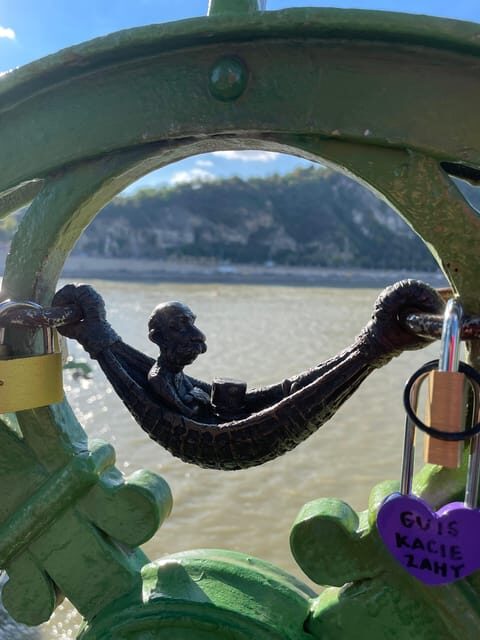
The tour also works like a mini treasure hunt. Some Kolodko statues are so small—or so perfectly placed—that you might walk right past them without guidance. During this kind of tour, you learn to spot details at street level: the scale, the placement, and the way the figure relates to what’s nearby.
Timing-wise, the experience is short enough to keep energy up, but long enough to build a pattern. You’ll usually see around 15 to 25 statues, depending on the flow that day and how your group keeps pace. If you like wordplay, pop culture references, or local politics, the stories add extra layers to what you’re seeing.
ET’s storytelling style: how the art connects to neighborhoods
A Kolodko statue is never only a statue. The point is the link to local legends and the neighborhoods around each piece. ET tells the stories in a way that makes the figures feel like they belong to the street, not to a museum case.
What stood out to me is how the stories help you read the city differently. You start noticing patterns: recurring themes in the art, little nods to what people talk about, and cultural references that don’t show up in standard guidebooks. When ET mentions the alternative scene and the pop-culture angles in the sculpting, the bronze suddenly feels current, not old-fashioned.
The best part of this format is that it stays interactive without turning into chaos. You’re given cues, invited to look, and then offered the story. That keeps the tour fun for people who want history, and also for people who just enjoy quirky street art.
One more small perk: because the tour isn’t rigid like a museum circuit, it can feel adaptable. If you’re curious about a theme—street art culture, local life, or politics—ET can steer the story threads to match your interests.
Synagogue and Danube: where the tiny art meets the big landmarks
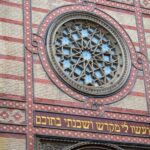
The highlights include a synagogue and the Danube, which helps balance the tour. You’re mostly hunting small bronze figures, but you still get those bigger visual anchors that make Budapest feel like Budapest.
When the tour touches landmark areas like the synagogue, the mini statue stories add context to place. Instead of treating buildings as backdrops, you’re learning how local culture and community life connect to the surrounding streets where Kolodko works.
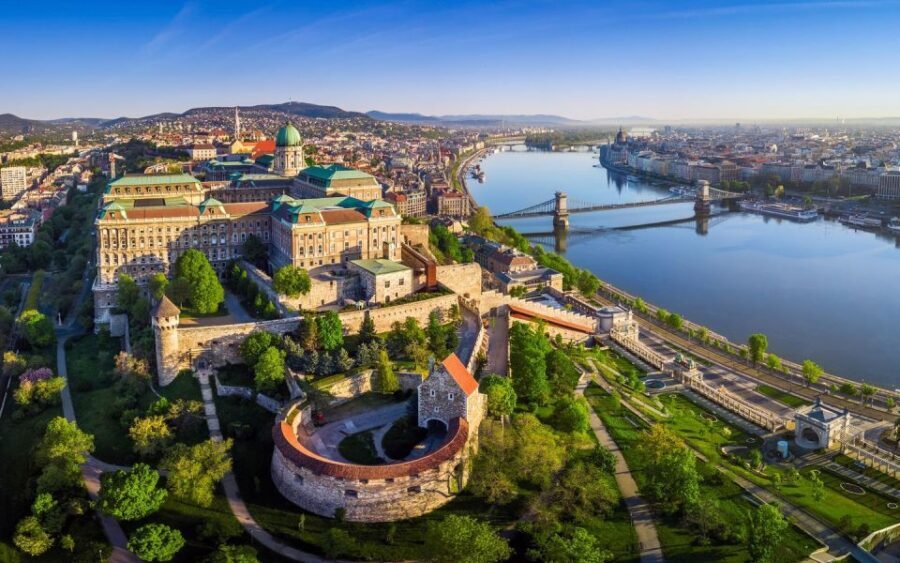
The Danube moment is especially useful because it gives you a wide-angle feeling after all the close-up looking. Even if the statues are the headline, the river view helps reset your brain and lets you link neighborhood stories to the bigger geography of the city.
This blend matters because it keeps the afternoon from feeling one-note. You’re not just chasing small objects; you’re building a mental map that includes both details and scale.






Price and value: is $35 worth a Kolodko mini statue tour?
At $35 per person for about 2.5 hours, the value makes sense if you factor in three things: a live English guide, a small group, and public transport tickets included.
Lots of tours charge extra for transit or time-consuming directions. Here, the ticket supports the logistics so you can focus on the experience. In a short window, that efficiency pays off.
The small-group limit (max 10) also matters. You’ll spend less time waiting and more time looking. And because the tour works like a hunt, the guide’s attention is part of what you’re buying—ET’s cues help you spot what you’d miss.
You should also like the “slow attention” style of this tour. If you only want headline sights and fast photos, the price might feel less justified. But if you enjoy street-level details, stories, and figuring out a city through small clues, this is solid value.
What to wear and bring so you enjoy every statue
This tour is part walking, part transit, and heavy on close-looking. Your feet will do real work.
Bring:
- Comfy shoes (you’ll be scanning streets and sidewalks)
- Layers for cold or wind (there are winter experiences in the mix, so don’t count on mild weather)
- A phone with enough battery for quick notes and photos
If you’re sensitive to weather, dress like you’re going outside for a while, not like you’re ducking in and out of cafes every 10 minutes.
Also, give yourself permission to slow down. The statues are tiny by design. The moment you rush, you’ll miss the joy of noticing.
Who this tour suits best (and who might skip it)
This is a great fit if you want Budapest to feel personal and a little off-script. You’ll likely enjoy it most if you like:
- quirky street art and small-scale creative work
- story-driven walking tours
- using public transport like a local
- a route that moves across the city in a short time
It’s also good for people who are happy asking questions. ET’s format makes it easy to connect themes—culture, politics, local references—to what you’re seeing in bronze.
You might want to skip it if:
- you strongly prefer large, famous attractions over smaller details
- you hate walking or being outside for portions of the tour
- you want a strict, fixed itinerary with no flexibility
That said, the route still stays organized: you start at New York Café Budapest and end at Szent Gellért tér, with the main idea of Kolodko statues guiding the way.
Quick decision guide: should you book Tiny Sculptures, Big Stories?
Yes, if you want a smart, fun way to see Budapest through the eyes of the street. For $35, you’re paying for a guide who can turn tiny bronzes into stories you remember, plus transit support so you don’t waste your afternoon figuring things out.
Skip it only if your ideal day is mostly big-ticket landmarks and minimal walking. Otherwise, this tour is one of those experiences that trains your eyes. After you leave, you’re far more likely to notice Kolodko statues on your own and appreciate how Budapest tells its stories at human scale.
FAQ
Where do I meet for the Kolodko mini statue tour?
You meet in front of the entrance of New York Café Budapest.
How long is the tour?
The tour duration is 2.5 hours.
What’s the price per person?
The price is $35 per person.
Is the tour in English?
Yes, the live tour guide speaks English.
Is this a small group tour?
Yes. The group is limited to 10 participants.
What does the tour include?
It includes local stories and public transport tickets.
What are the main sights I’ll see?
The focus is on Kolodko mini statues, and the highlights also include a synagogue and the Danube.
Can I cancel or change plans?
You can cancel up to 24 hours in advance for a full refund, and you can reserve now and pay later to keep your plans flexible.