REVIEW · BUDAPEST
Budapest Highlights Bike Tour with a local guide
Book on GetYourGuide →Operated by Budapest Bike Breeze · Bookable on GetYourGuide
Budapest looks best on a bike. This 3.5-hour ride strings together major landmarks with local storytelling, so the city clicks into place fast. I love the comfortable pace and the way your guide connects sights to real Hungarian life, with English commentary from guides like Danny, Daniel, Balázs, and Ivana. The one drawback: it’s not for riders who can’t pedal confidently, and it runs rain or shine.
What makes it especially good value is that you’re not just “moving through photos.” You get a live guide explaining history across both sides of the Danube, plus stop after stop at big-ticket sites—aimed at making you feel oriented by the end. You also get a practical intro to where to go next, which matters on day one (or day three) in town.
If you’re the type who wants long museum time, you might feel a bit rushed. This tour is designed for seeing a lot, not lingering for hours.
In This Review
- Key points to know before you book
- Why a 3.5-hour bike route works so well in Budapest
- Meeting at Rumbach Sebestyén u. 10 and settling into the ride
- Pest side highlights: Elizabeth Square, Andrassy Avenue, Opera, and Heroes’ Square
- Thermal bath area and culture stops: Széchenyi, Vajdahunyad Castle, and the museums
- The House of Terror and St. Stephen’s Basilica: heavy history, handled carefully
- Parliament, Chain Bridge, Buda Castle-Bazaar, and Elizabeth Bridge views
- The guide’s role: stories that connect buildings to real life
- Pace, distance, and the e-bike option
- Price and value: $34 for bike + helmet + live history
- Who should book this ride, and who should skip it
- Should you book Budapest Bike Breeze?
- FAQ
- How long is the Budapest Highlights Bike Tour?
- Where do we meet, and how do we find the group?
- Is the tour really rain or shine?
- What’s the minimum age, and is it suitable for kids?
- Are e-bikes available?
- What’s included in the price?
Key points to know before you book
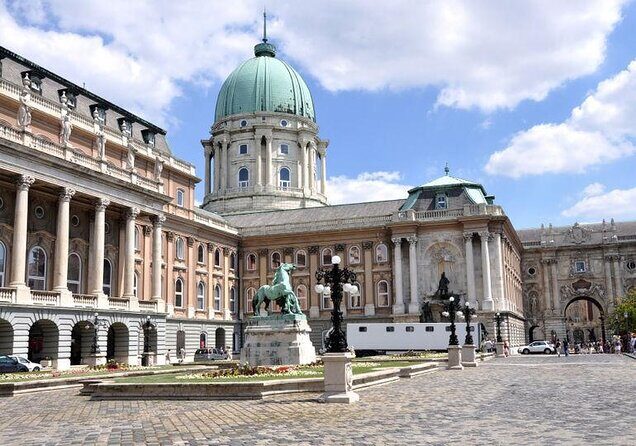
- UNESCO World Heritage sights on a time-friendly route across iconic areas of Budapest
- Both sides of the Danube in one half-day loop, with Chain Bridge and major river views
- History told through entertaining stops, including the city’s founding story and later occupations
- Quality bike + helmet included, built for a smooth ride at a “not too fast” pace
- Orientation support for the rest of your stay, plus concrete suggestions from your guide
- Optional e-bikes if you want less effort without sacrificing the sights
Why a 3.5-hour bike route works so well in Budapest
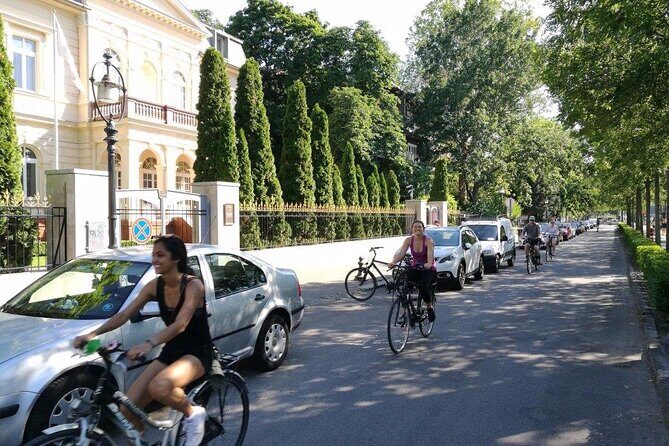
Budapest is huge in mood and history, but your time is usually limited. This tour is built for that reality: in about half a day, you get the kind of snapshot that would take much longer on foot or by bus.
I like that the ride is structured around real city orientation. You start near Elizabeth Square and immediately move onto major streets and squares that show up again and again in guidebooks and everyday life. Then you work your way toward Heroes’ Square and the big park area. After that, you cross bridges to reach the Parliament side and finish with the Castle-Bazaar area view.
The tour also makes history feel less like a textbook. You’ll hear entertaining stories tied to what you’re looking at, and the guide’s focus is very practical: how Hungarian people think about their past, why certain buildings matter, and how major eras shaped daily life. If history is part of why you travel, this style fits.
And yes, this is a bike tour, so you get that summer-breeze feeling while still covering distances that would be annoying on foot. One rider even reported about 15 km with lots of stops—so you get an active, satisfying day without planning a full route yourself.
You can also read our reviews of more cycling tours in Budapest

Meeting at Rumbach Sebestyén u. 10 and settling into the ride
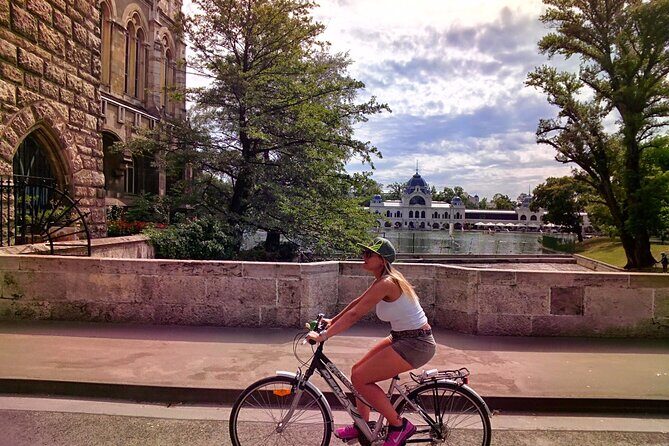
You meet at Rumbach Sebestyén u. 10, 1075, in the courtyard. The instruction is simple: ring the bell no. 105 at the main gate, and you’ll be guided to the group.
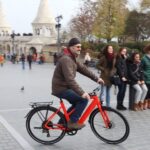
What I think is smart here is the setup: you get your quality bike and helmet as part of the tour. That removes two common headaches—renting the wrong bike and second-guessing if the gear is safe or comfortable.
A few practical notes that affect your day:
- The tour runs rain or shine, so bring something that handles weather fast.
- Minimum age is 12, and it’s not suitable if you can’t ride a bike.
- The route is designed for a comfortable pace, and the frequent photo stops keep it from turning into a workout-only ride.
If you’re worried about comfort, remember there’s an e-bike option available as an extra. That’s a useful way to keep the experience enjoyable if you don’t want to work as hard or you’re traveling with someone who prefers less effort.
Pest side highlights: Elizabeth Square, Andrassy Avenue, Opera, and Heroes’ Square
Right away, you’re dropped into the kind of Budapest that makes first-time visitors sit up a little. The early rhythm is all about big “landmark moments” you can recognize later, from postcards to street corners.
Elizabeth Square (10 minutes, photo stop): This is your first orientation point. Think of it as a warm-up that places you near one of the city’s central public spaces.
Andrássy Avenue (15 minutes, photo stop): This is one of the defining streets in Budapest. Bikes make it easy to take in the scale without craning your neck for too long. Your guide’s stories here help connect the street’s importance to the people and eras that shaped it.
Hungarian State Opera House (10 minutes, photo stop): Even if you’ve never attended a performance, the building reads like a major cultural statement. A quick photo stop works well because it gives you context without dragging the day.
Heroes’ Square (10 minutes, photo stop): This is where grand national symbolism takes center stage. One rider noted the Millennium Monument area and the founding story tied to Hungary’s history—exactly the kind of “what you’re looking at and why it matters” framing you want on a first ride.
Városliget (15 minutes, photo stop): Then the vibe shifts from stone-and-statue to park space. It’s a breather. And on a bike, that matters because you’re not just seeing buildings—you’re also experiencing how Budapest organizes leisure.
This whole Pest-side segment is about building your mental map. By the time you reach Városliget, you’ll understand where the city’s ceremonial areas sit and how the main avenues connect.
Thermal bath area and culture stops: Széchenyi, Vajdahunyad Castle, and the museums
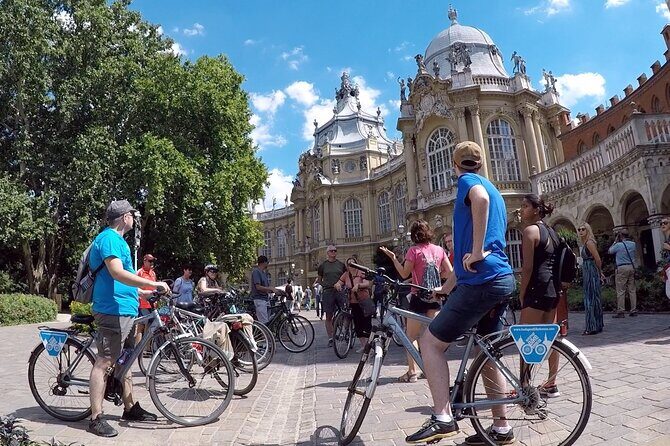
After Heroes’ Square, the tour heads into the park-zone landmarks that help explain why Budapest feels both historic and livable.
Széchenyi Thermal Bath (10 minutes, photo stop): You don’t need to book a soak to appreciate the site. Even from the outside, the thermal bath area looks like a Budapest landmark that belongs on a bucket list for a reason—people come for relaxation and tradition, and your guide can put that culture in context.
Vajdahunyad Castle (15 minutes, photo stop): This stop is visually fun and story-friendly. Castles in Budapest can feel like stage sets, but the guide helps you see how they relate to Hungarian identity and historical imagination.
House of Music Hungary (5 minutes, photo stop): A shorter stop, but it works as a modern counterpart to all the old-city symbolism you’ve been seeing.
Ethnographic Museum (5 minutes, photo stop): This is another quick hit that signals how Budapest thinks about culture: not just monuments, but everyday identity, traditions, and what makes the country itself.
These museum-adjacent stops might feel brief on paper. In practice, they’re useful because the tour’s real goal is orientation and storytelling. You get enough to decide if you want to return later—and which building deserves your time.
The House of Terror and St. Stephen’s Basilica: heavy history, handled carefully
Then the tour steers into the darker chapters of 20th-century history. This is where the guide’s delivery really matters.
House of Terror (5 minutes, photo stop): Even if you’re not going inside, you’re seeing a site strongly tied to Hungary’s experience under brutal regimes. The guide’s narration helps explain what those eras meant for real people, not just abstract political shifts.
Szabadság Square (10 minutes, photo stop): This stop gives you a sense of how cities communicate values through space—what gets remembered, what gets displayed, and how power shows up in public areas.
St. Stephen’s Basilica (10 minutes, photo stop): After heavier history, the Basilica works like a visual reset. It’s another defining Budapest sight, and it’s easy to understand why it’s on almost every visitor list. If you like to match stories to architecture, this is a good moment to do it.
One theme that comes up in this tour’s storytelling style is the impact of major occupations and political eras. Riders highlighted discussions that covered Ottoman rule, National Socialism, and Communist occupation. On a bike tour, that kind of context lands well because you’re not trapped indoors—it stays connected to the city streets.
You can also read our reviews of more guided tours in Budapest





Parliament, Chain Bridge, Buda Castle-Bazaar, and Elizabeth Bridge views
Now you’re moving toward the river-crossing section, where Budapest earns its nickname as the city of grand perspectives.
Hungarian Parliament Building (10 minutes, photo stop): This is the “everyone recognizes it” stop. From the bike you get a better sense of surroundings than you would standing still, because you’re moving along the area and can see how the building anchors the whole scene.
Chain Bridge (10 minutes, photo stop): Crossing by bike is part of the magic. You feel the shift in neighborhoods and get classic Danube views without waiting for a ferry or arranging another transit step. This is one of those photo moments that turns into a real memory because you’re physically moving through the landmark, not just visiting it.
Castle-Bazaar (10 minutes, photo stop): On the Buda side, the feel changes again—steep streets, historic textures, and a sense of elevated old-city energy. This stop sets you up for future exploring because it shows where the Castle area lives and how it connects back toward the core.
Elizabeth Bridge (photo stop, 10 minutes): You get one more major crossing point, which helps you understand the layout of bridges and how to plan future rides or walks.
By the end of this segment, you’ll have a map in your head. You’ll also have several “I need to come back for that” targets, especially along the river and around the Castle zone.
The guide’s role: stories that connect buildings to real life
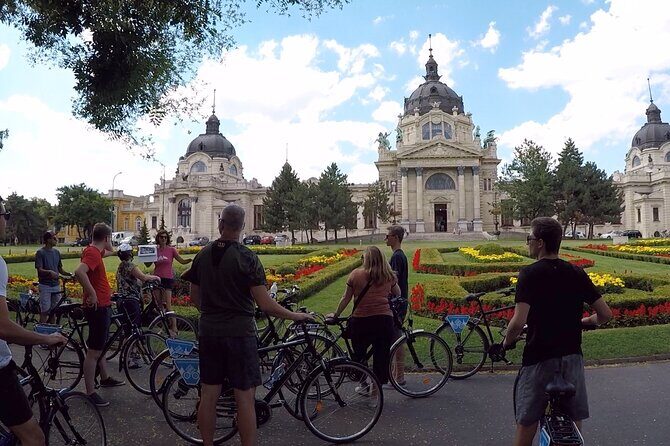
This kind of tour lives or dies by the guide. The strongest part here is that the narration is entertainment-forward, not just lecture-style.
You’ll hear history tied to landmarks, including big milestones that help explain why certain places are revered. One rider mentioned learning about the founding of Hungary more than 1100 years ago and how the 1896 millennium celebrations fit into the national story. Another highlighted the guide’s ability to answer questions across serious topics like historical occupations.
Names you might get are Danny, Daniel, Balázs, and Ivana—and across those different guides, the common thread is that they explain what you’re seeing in a way that makes the city feel personal. People also noted that guides stayed friendly and took care of the group throughout, which matters because you’re riding in traffic and you want someone paying attention to the flow.
If you like your history with actual human stakes—who had power, what changed, what endured—this approach makes the landmarks feel less like decoration and more like evidence.
Pace, distance, and the e-bike option
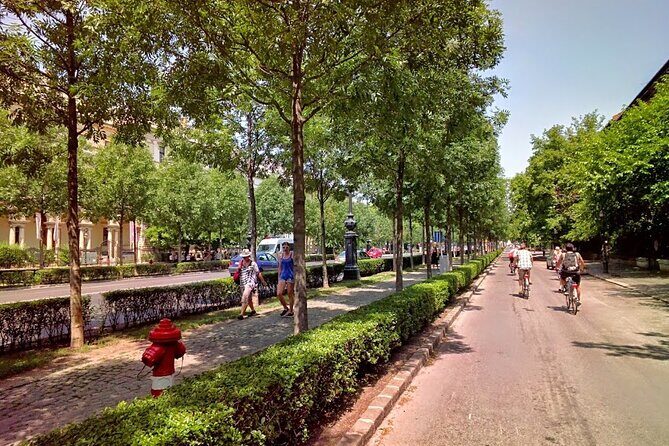
The tour is marketed as a comfortable pace, with plenty of short stops for photos and explanation. Still, it is a bike tour, so you should expect some physical effort and concentration—especially if you’re riding in busier stretches.
Duration is 3.5 hours, and one rider reported about 15 km over roughly 4 hours with lots of stops. Treat that as a useful reality check rather than a guaranteed metric, since the number of stops and your group’s speed can shift.
If you’re unsure about your stamina, the e-bike add-on can be a smart way to keep the day enjoyable. It’s also a good idea if you’re traveling with friends who want the same sights but different comfort levels.
Bottom line: the structure is built so you’re not exhausted by the time you want to explore on foot afterward. You finish the ride with energy for a meal and the confidence to navigate.
Price and value: $34 for bike + helmet + live history
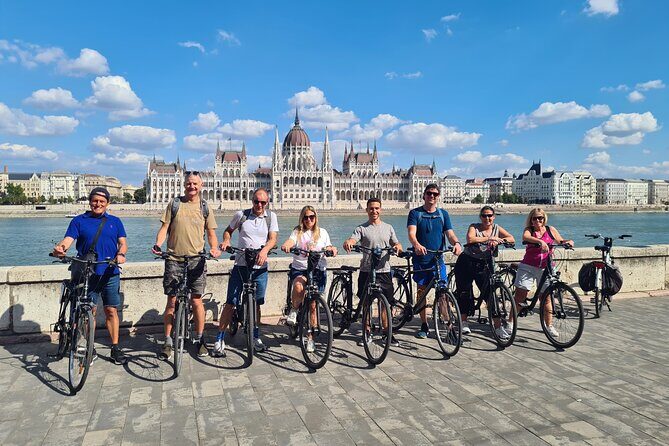
At $34 per person, the value comes from what’s included—not just the bike.
You get:
- Use of a quality bike and helmet
- A local, English-speaking, professional guide
- A fast route to major sites across central Budapest in about 3.5 hours
- Multiple scenic stops (15 stops are part of the tour design)
- UNESCO World Heritage sites along the way
That combo matters because renting a bike, paying for a guide, and then trying to cover this many sites yourself adds up quickly. The tour also saves time. Even if you could cobble together a similar route using maps, you’d still lose the “why this matters” context that makes Budapest feel coherent.
So yes, the price is low. But it also feels low because you’re getting a guided format that does the planning for you.
Who should book this ride, and who should skip it
This tour fits best if:
- You’re visiting Budapest for the first time and want orientation fast
- You like history explained through real city landmarks
- You want to cover both Pest and Buda without juggling multiple tickets and transit plans
- You’d rather ride and listen than manage a map all morning
Skip it (or consider another option) if:
- You can’t ride a bike confidently
- You want long indoor time at museums or want to treat each stop as a half-day destination
- You’re traveling with kids under 12 (minimum age is 12)
If you’re coming with a group and need something tailored, the provider mentions private family bike tours available by contacting them directly. That can be a better match when ages and comfort levels vary.
Should you book Budapest Bike Breeze?
I’d book this tour if you want a practical introduction that still feels meaningful. The route hits big Budapest essentials—Andrássy Avenue, Heroes’ Square, Széchenyi Thermal Bath area, St. Stephen’s Basilica, the Parliament zone, Chain Bridge, and the Castle-Bazaar viewpoint—while your guide stitches it together with stories about Hungary’s national timeline and the forces that shaped modern life.
I’d think twice if you hate biking in traffic-adjacent city conditions, or if you’d rather spend your time inside attractions with longer visits. This is a ride that prioritizes motion, context, and recognizable sights over deep museum time.
FAQ
How long is the Budapest Highlights Bike Tour?
The tour lasts 3.5 hours.
Where do we meet, and how do we find the group?
Meet at Rumbach Sebestyén u. 10, Budapest (1075). Ring the bell no. 105 at the main gate, and the group is in the courtyard.
Is the tour really rain or shine?
Yes. The tour takes place rain or shine.
What’s the minimum age, and is it suitable for kids?
The minimum age is 12 years. It’s not suitable for children under 12.
Are e-bikes available?
E-bikes can be booked as an extra.
What’s included in the price?
The price includes use of a quality bike and helmet, plus a local English-speaking professional guide.