REVIEW · BUDAPEST
Budapest: Classical Music Concerts in St Stephen’s Basilica
Book on GetYourGuide →Operated by DKN Zenei Ügynökség Kft. · Bookable on GetYourGuide
A grand church, then music hits like a spell.
St. Stephen’s Basilica is a showpiece neo-classical space, and the best part is how the sound carries while excellent soloists bring the repertoire to life. I also like that you can choose among three concert programs and multiple seating classes to fit your taste and budget. One thing to keep in mind: on certain holiday dates, the venue may switch away from the Basilica (notably Dec 30), so double-check your exact location before you go.
This is a straightforward plan: you arrive at the church, get your seat, and spend about 1 hour to 70 minutes listening to a polished classical set in a truly special room. I found it’s the kind of evening that works even if you are not a die-hard music nerd, because the classics are the point and the atmosphere does half the convincing for you.
In This Review
- Key things I’d focus on before you book
- Why St. Stephen’s Basilica sounds and feels like a concert venue
- Picking your night: Requiem, the Organ program, or Ave Maria Air Alleluja II
- Option 1: Requiem night (Mozart’s D minor)
- Option 2: Organ concert (Bach, Handel, Vivaldi, and more)
- Option 3: Ave Maria Air Alleluja II (and the holiday variation)
- Music set flow: what the program does to your evening
- Seats, comfort, and how to manage the reverb
- Seating classes and first-come reality
- Comfort: benches can be an issue
- Sound: impressive, but not always “clean”
- Entering the Basilica: your time buffer is your best friend
- Value and what you’re actually paying for (around $70)
- What to pair with it in your Budapest evening plan
- Who should book this concert
- Should you book? My practical verdict
- FAQ
- Where is the meeting point for the concert?
- How long is the concert?
- What music is performed?
- Is the venue wheelchair accessible?
- Where is the concert on December 30?
- Is food or drinks included?
Key things I’d focus on before you book
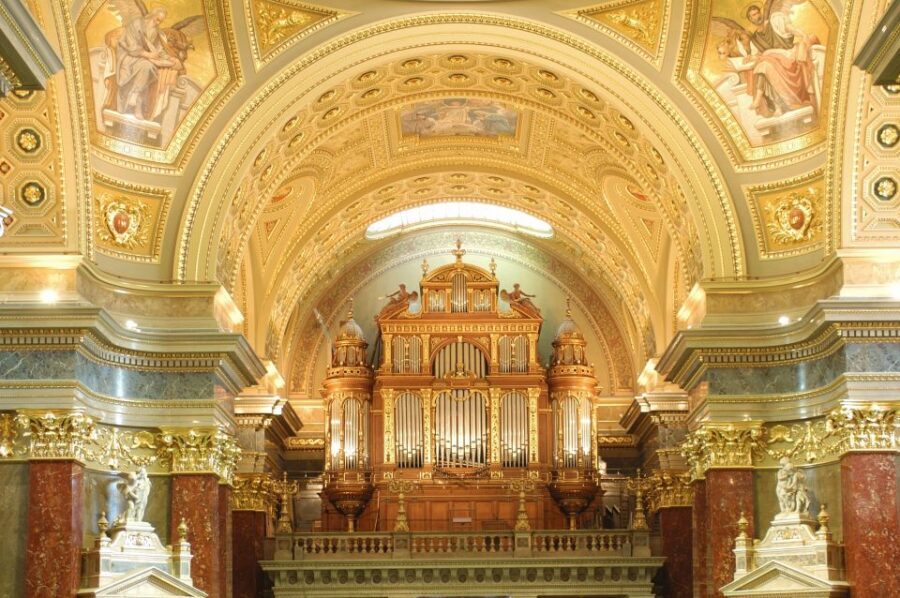
- Cathedral reverb is part of the experience: expect long, glowing sound, not studio clarity
- Three themed concert options: Requiem, an organ-centered program, or Ave Maria Air Alleluja II
- Seating is first-come first-served (even for VIP), so arrive early if you care about position
- Heat and bench comfort vary: the church can feel warm and some seats are not super comfy
- Holiday venue changes happen: Dec 30 is specifically noted for Matthias Church instead of the Basilica
Why St. Stephen’s Basilica sounds and feels like a concert venue
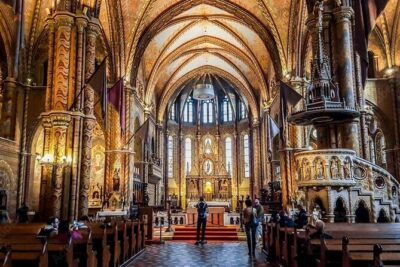
Budapest’s St. Stephen’s Basilica doesn’t behave like a regular church. It’s ornate, tall, and built to make sound travel. That’s exactly why this kind of event works: you don’t just watch musicians, you hear the architecture join in.
In the reviews, I kept seeing the same pattern. People rave about the acoustics and the overall polish of the performers, especially the vocalists and lead instrumentalists. One listener even said the music was felt best with your eyes closed, which is a nice clue for what to expect: this is not background music. It’s music that benefits from your full attention.
That said, don’t expect concert-hall dryness. Several comments point out the reverb can feel like it’s turned high. If you prefer clean, close, no-nonsense sound, this may feel a bit echo-heavy. If you like lush resonance and a cathedral-style bloom, you’ll probably love it.
You can also read our reviews of more tours and experiences in Budapest


Picking your night: Requiem, the Organ program, or Ave Maria Air Alleluja II
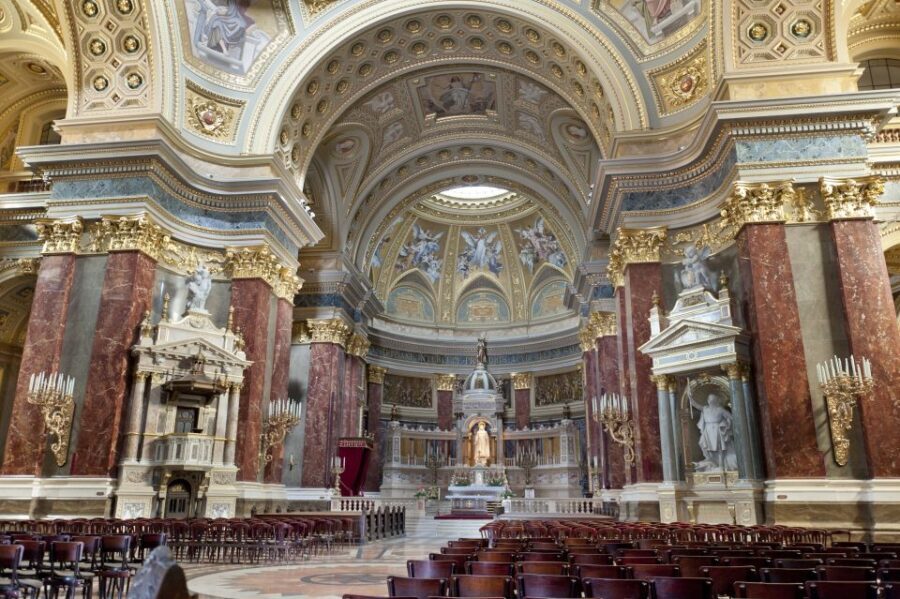
The big advantage here is choice. You’re not locked into one kind of classical experience, because the program depends on the concert you book. Across the three options, the selection is built around recognizable masterpieces and popular movements.
Option 1: Requiem night (Mozart’s D minor)
If you want the most dramatic, emotionally charged program, this is it. The listing includes W. A. Mozart: Requiem in D minor, K. 626, broken down into major sections like Kyrie and the Dies Irae sequence, plus Introitus, Sequenzia movements, and the final Lux Aeterna-style conclusion.
What this means for you: this is a structured journey through a mass for the dead, so the tone shifts from pleading to thunder. It’s also a “classic-scope” concert, because Mozart’s writing is so familiar even when you do not know every movement by name.
Option 2: Organ concert (Bach, Handel, Vivaldi, and more)
This option is more varied in sound color because it leans hard into organ works and church favorites. The program includes:
- J. S. Bach: Toccata, Air
- Handel: Messiah highlights like Rejoice, plus Xerxes Largo
- Vivaldi: The Four Seasons (Winter, Largo)
- Gounod: Ave Maria
- Widor: Toccata from the Organ Symphony
- Liszt: Ave Maris Stella
- Franck: Panis Angelicus
- Schubert: Ave Maria
- Mozart: Alleluja from Exultant, Jubilate
What this means for you: you’ll hear both keyboard/organ flair and lush vocal moments, with multiple “you’ve heard this before” passages.
One review even noted a wish for the pipe organ to be used more. That doesn’t automatically mean something will go wrong—just remember that if you’re coming for a heavy organ spotlight, you’ll want your expectations set around an organ-forward program rather than a solo organ recital.
Option 3: Ave Maria Air Alleluja II (and the holiday variation)
This one is built around sacred vocal atmosphere: Bach Air, Handel Messiah Rejoice, Purcell, Gounod Ave Maria, Vivaldi Winter, plus Massenet Thais Meditation and more. The listing also includes W. A. Mozart Requiem movements (Lacrimosa and Alleluja from Exultant, Jubilate).
The day matters because the listing flags a special Ave Maria Air Alleluja II variation for Dec 25 and Dec 31. Expect the core vibe to stay the same, with the exact sequence adjusted.
What this means for you: this is the smoothest “evening mood” option. If you want a sing-along-in-your-head kind of classical experience—beautiful, recognizable, and emotionally warm—this is often the safest bet.






Music set flow: what the program does to your evening
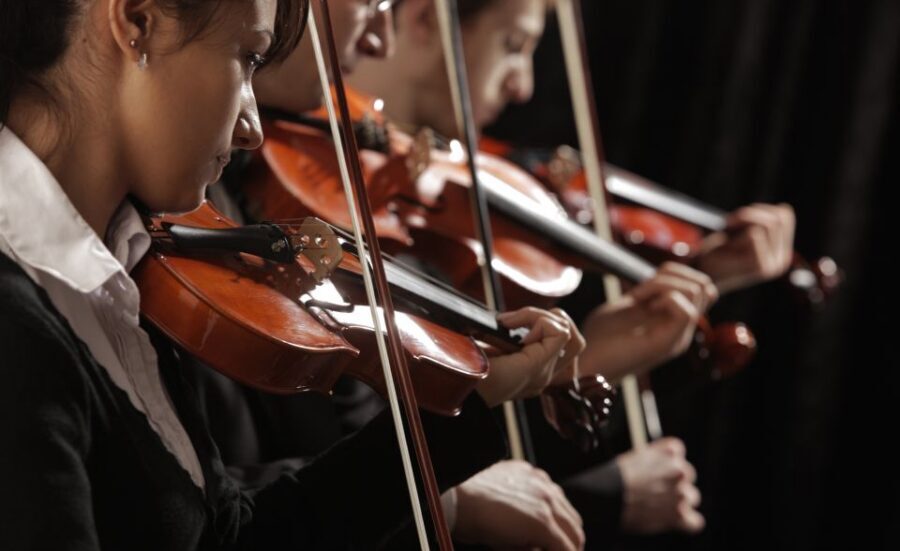
Even without an official run-time breakdown of every movement, the structure of the repertoire tells you how the concert will feel.
A Requiem-style program starts with formality and grows teeth. The Dies Irae and related sections naturally create that sensation of a big, cinematic arc. You’ll likely feel the contrast between softer introspective sections and the louder climaxes.
The organ-centered night usually alternates between orchestral-in-spirit moments and vocal-leaning highlights. The effect is like changing color filters: one piece feels bright and architectural, another feels more lyrical and tender.
The Ave Maria Air Alleluja II style leans toward a consistent devotional tone. You may still get dramatic moments (Handel and Mozart sections can hit hard), but the overall experience stays gentle and song-like.
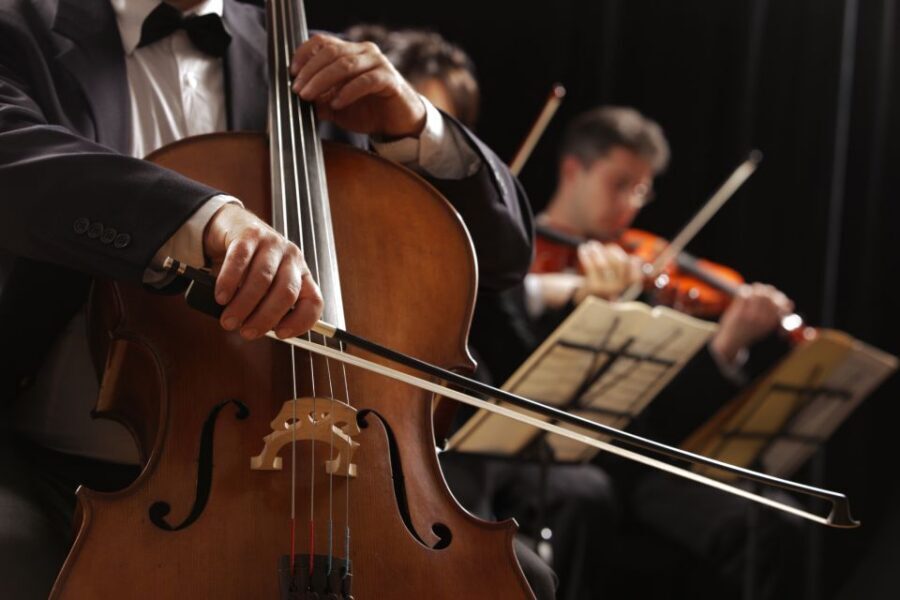
Across all three options, the reviews stress excellent soloists and strong performance quality. One reason people come back is that this kind of concert gives you a rare “front-row” feeling of professionalism without needing years of music knowledge.
Seats, comfort, and how to manage the reverb
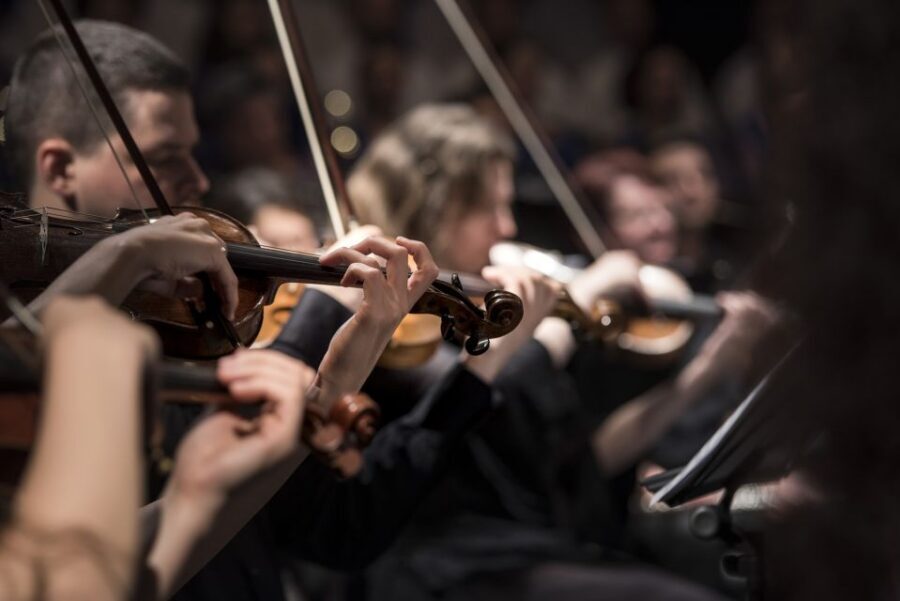
You’re buying a ticket to sit in one room and let the space do its work. That affects everything: sound, comfort, and how well you can follow performers.
Seating classes and first-come reality
The listing includes 4 seating classes. The important thing is that reviews mention seats are not assigned and that VIP access can be first come first served. If you care about being close to the stage or want the best sightlines, arrive early.
If you arrive right at the start time, you might still have a good experience, but don’t expect to control your exact position once inside.
Comfort: benches can be an issue
A couple of reviews mention bench comfort and heat. One person found the seating uncomfortable. Another noted the basilica got warm, and a different comment flagged that there wouldn’t be heating, so dress accordingly.
My practical advice:
- Bring a layer you can wear or remove easily
- Expect the church to feel warm in winter or cool in summer depending on your day
- If you’re sensitive to discomfort, plan to stand and stretch before sitting, then settle in for the full duration
Sound: impressive, but not always “clean”
The same cathedral reverb that makes the Basilica magical also brings the potential drawback. Several people note the reverb can be on the high side, which may reduce clarity if you want razor-sharp detail.
The upside: vocals and strings often turn extra emotional in that kind of room. One review specifically praised the acoustics for singer and orchestra.
So think of it like this: if you love atmosphere and emotional resonance, the sound will probably work for you. If you prefer close-mic clarity, manage that expectation.
Entering the Basilica: your time buffer is your best friend
The experience starts before the music. Reviews point out the meeting point description can be confusing, and entry may be through a side door rather than the main entrance where you might expect the line.
Here’s how to keep this stress-free:
- Arrive earlier than you think you need, because the inside seating and entry flow are part of the whole night
- Expect to use a side entrance if that’s how the organizers guide you
- If you’re unsure, look for where washrooms are mentioned in the entry area and follow the staff approach rather than the biggest exterior queue
One review also mentioned that the venue change email (in at least one case) wasn’t explained much beyond it being changed. That’s another reason to check your exact venue and confirm where you should meet before you leave.
A small but useful detail: there’s a restroom inside, but at least one person said it’s usable only before the concert. So handle it early, then relax.
Value and what you’re actually paying for (around $70)
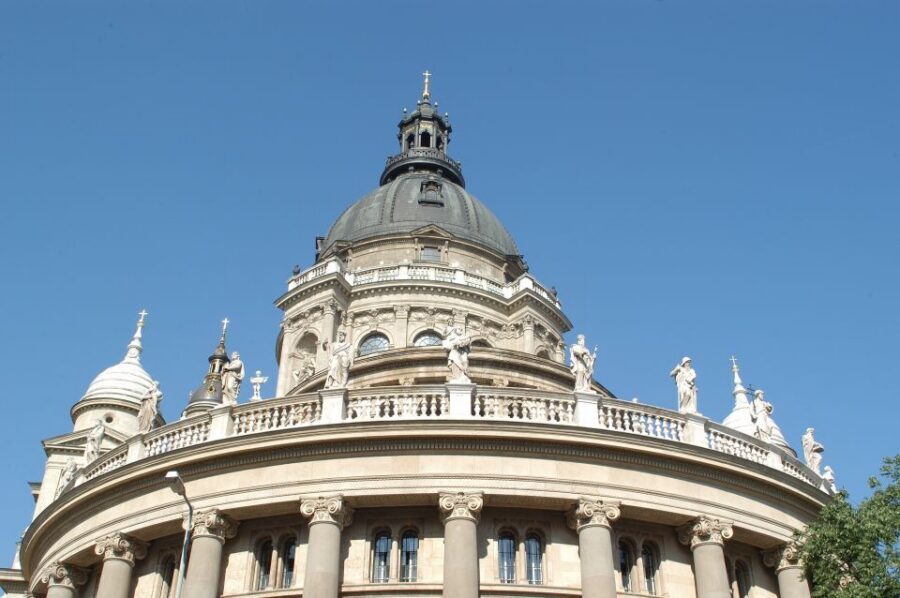
At about $70 per person for roughly 1 hour to 70 minutes, you’re not paying for a tour guide narration. You’re paying for three things:
1) a historic, iconic room to hear the music in
2) professional-level musicians and soloists
3) a choice of programs so you can match your mood
When you price this against what you’d spend on a typical evening out, it can feel like good value if you were already planning to be in the city center anyway. One review specifically called out good value for money and praised the setting plus acoustics. Another called it a highlight of the trip, which usually means the emotional payoff was strong.
Is it a perfect deal? Not if you get picky about sound clarity or you need assigned seating and precise views. But if you’re flexible and you show up early, this is one of those “book once, enjoy for years” cultural nights.
What to pair with it in your Budapest evening plan
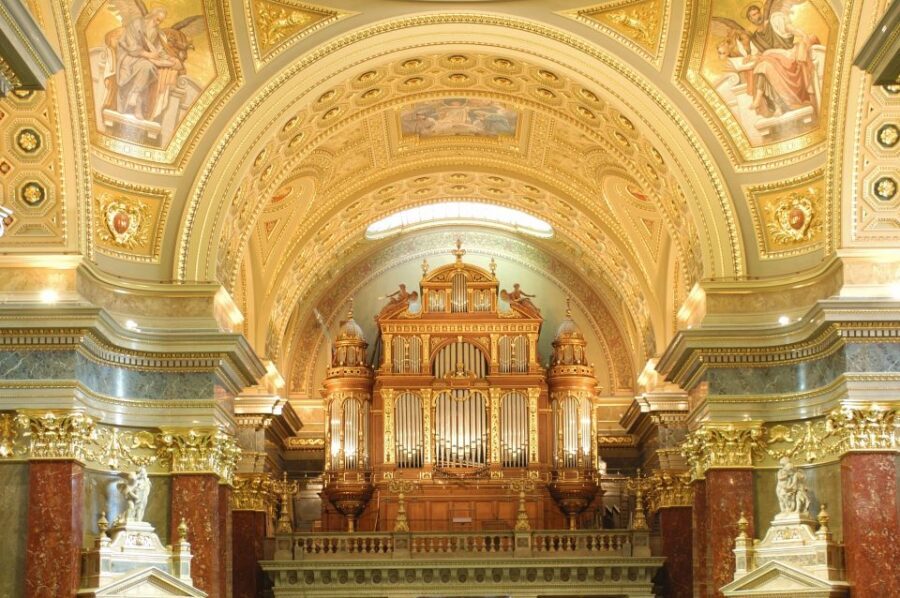
This is best as an anchor activity. You can build the rest of the night around it without needing complicated logistics.
The Basilica is central, so you can easily grab dinner beforehand or after. One review even noted it’s close to a large restaurant strip, which is helpful if you like options.
If you’re dinner-first, plan a buffer. There was at least one case where the concert time didn’t match what someone expected, which could scramble dinner reservations. Treat the concert time as real, but build in some slack so you don’t feel rushed.
Who should book this concert
This works especially well if you:
- love classical music with familiar names like Mozart, Bach, Handel, and Vivaldi
- want a “Budapest at night” cultural experience without a long day commitment
- like big-voice performances, since reviews mention soprano highlights and excellent vocal moments
- enjoy being in a stunning building even more than you enjoy studying program notes
It may not be your best match if you:
- strongly prefer dry sound with minimal reverb
- need perfectly comfortable seating for extended periods
- can’t handle the possibility of a holiday venue switch
Should you book? My practical verdict
If your goal is one memorable classical night in one of Budapest’s most famous interiors, I think this is a very sensible booking. The combination of Basilica setting, recognizable repertoire, and strong performer quality is exactly what makes concerts like this worth paying for.
Book it if you can arrive early for better seating and you’re excited about cathedral-style sound. Consider a second check before you go if it’s near the end of December, since the listing explicitly notes a venue change on Dec 30.
If you tell me which dates you’re traveling, and whether you’re more into Requiem drama or Ave Maria mood, I can help you pick the best of the three program types.
FAQ
Where is the meeting point for the concert?
The meeting point listed is St. Stephen’s Basilica, Budapest, Szent István tér 1, 1051 Hungary.
How long is the concert?
The concert duration is listed as 1 hour to 70 minutes. Start times vary by availability.
What music is performed?
There are 3 different concert programs depending on the day: Requiem (Mozart’s Requiem in D minor, K. 626), an Organ concert (including Bach, Handel, Vivaldi, Gounod, Widor, Liszt, Franck, Schubert, and Mozart), and Ave Maria Air Alleluja II (including Bach Air, Handel Messiah Rejoice, Gounod Ave Maria, Vivaldi Winter, Purcell, Massenet, and more). A Dec 25 and Dec 31 version of Ave Maria Air Alleluja II is also listed.
Is the venue wheelchair accessible?
Yes, wheelchair accessibility is listed for this activity.
Where is the concert on December 30?
The Dec 30 concert is noted as taking place in Matthias Church, not in St. Stephen’s Basilica. Matthias Church is on Castle Hill and is reachable from the city center.
Is food or drinks included?
No. Concert tickets are included, but food and drinks are not included.