REVIEW · BUDAPEST
Budapest: Organ Concert in St. Stephen’s Basilica
Book on GetYourGuide →Operated by Hungaria Koncert Ltd. · Bookable on GetYourGuide
Organ music in a towering church feels personal. This concert happens inside St. Stephen’s Basilica, one of Budapest’s most striking neo-classical landmarks, and it mixes organ writing with singing and a special flute spotlight. I especially love that the program pairs big-name classical composers with more unusual choices like Stradella’s Pietà Signore and a Liszt/Saint-Saëns bird-themed legend.
I also like the vocal centerpiece: Kolos Kováts, a top Hungarian concert and oratorio singer with major honors including the Liszt Ferenc prize, Merit of Art, and the Kossuth Prize. The music is the star, but the human voice helps you hear every emotion shift in real time.
One practical thing to consider: there’s no pick-up or drop-off included, so you’ll need to get yourself to St. Stephen’s Basilica by the 19:40 meeting time.
In This Review
- Key Things I’d Mark on Your Map
- St. Stephen’s Basilica at 19:40: the venue that shapes the sound
- The performers: Kolos Kováts, Miklos Teleki, and Eleonóra Krusic
- The musical program: what each composer brings to the night
- Mozart: Fantasie in F minor, K 506
- Stradella: Pietà Signore
- Albinoni: Adagio
- Liszt / Camille Saint-Saëns: Legend in A major (St. Francis and the birds)
- Verdi: Prayer of Fiesco from Simone Boccanegra
- Bach: Polonaise, Minuet, Badinerie from Suite in B minor BWV 1067
- Bach: Toccata and Fugue in D minor BWV 565 (the big finish)
- Ticket categories and row ranges: how to choose your seat without guessing
- Value for your Budapest evening: a focused show, not a whole “tour”
- Who this is best for (and who should think twice)
- Final verdict: should you book this organ concert?
- FAQ
- FAQ
- What time should I meet at St. Stephen’s Basilica?
- Where does the concert take place?
- Are concert tickets included in the experience?
- Are pick-up and drop-off included?
- Which performers are featured in the concert?
- What ticket seating categories are available?
- What music is included in the program?
Key Things I’d Mark on Your Map

- St. Stephen’s Basilica: a neo-classical showpiece with the kind of room that amplifies organ sound
- Kolos Kováts’ voice: big Hungarian recognition, plus concert and oratorio experience
- Eleonóra Krusic on flute: added color beyond the organ and vocals
- A program with variety: Mozart’s fantasia, Verdi’s prayer, and Bach’s fireworks
- Clear seating tiers: Category I through III tied to row ranges (Row 1–6, 7–16, 17–26)
St. Stephen’s Basilica at 19:40: the venue that shapes the sound

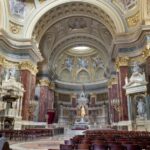
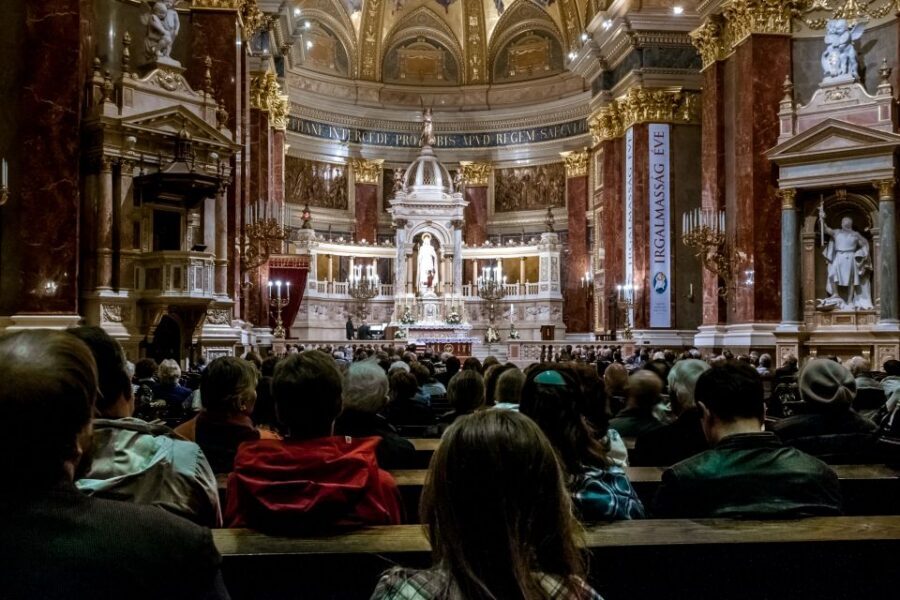
St. Stephen’s Basilica isn’t just a pretty backdrop. It’s the actual stage, and that matters because organ music lives on space and resonance. You go in expecting “a concert,” but you leave feeling like you watched sound travel—long notes bloom, and fast passages feel sharper because the room carries them.
The meeting point is simple: show up at St. Stephen’s Basilica at 19:40. Plan to arrive with time to find your seating without rushing. Even when a concert is well-organized, churches can have multiple entrances, crowds, and folks trying to do math on aisle numbers.
And yes, the building is gorgeous enough to distract you for a few minutes, so don’t let that steal your whole pre-show time. I like to do a quick look, then focus on getting seated early so you’re not scrambling when the music starts.
You can also read our reviews of more tours and experiences in Budapest

The performers: Kolos Kováts, Miklos Teleki, and Eleonóra Krusic
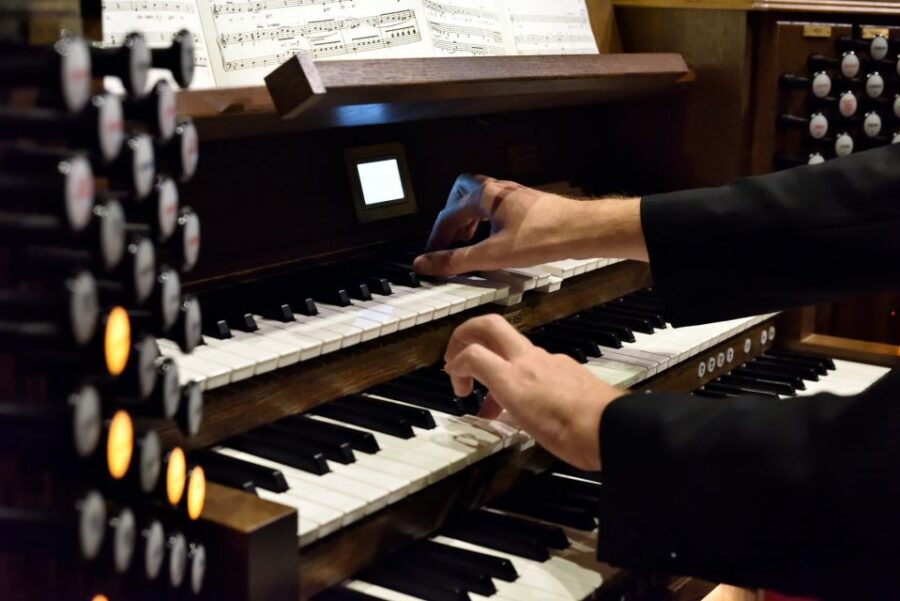
This isn’t a “mystery musicians” kind of night. You’ll hear named performers, and the lineup tells you what kind of sound balance to expect.
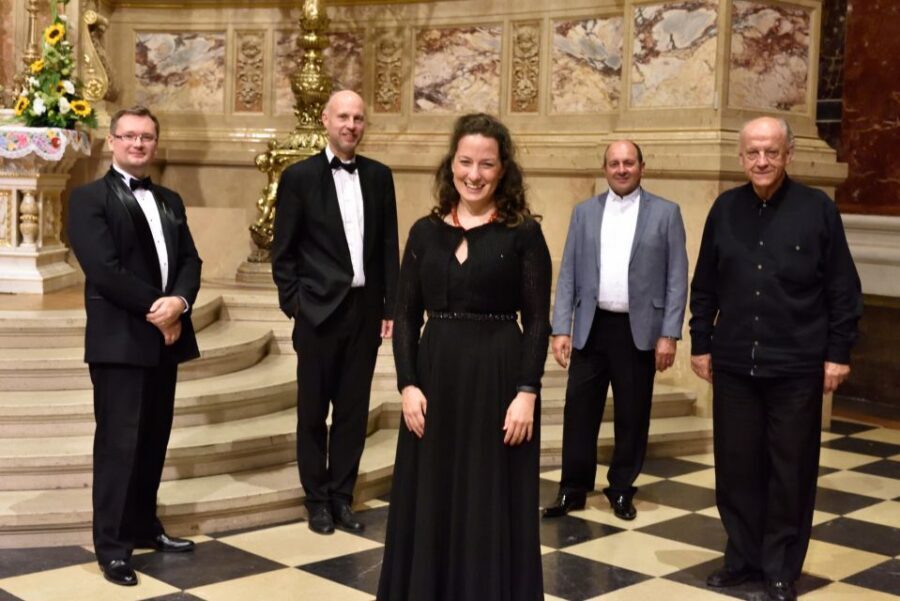
Kolos Kováts brings the vocal side of the program. He’s described as one of Hungary’s most famous concert and oratorio singers, and his credentials include the Liszt Ferenc prize, Merit of Art, and the Kossuth Prize. If you like performances where diction and phrasing matter, he’s the reason the program has emotional weight—not just impressive technique.
Miklos Teleki is also part of the concert. Since this is an organ concert format, you can expect his role to connect directly to the core instrument and musical structure.
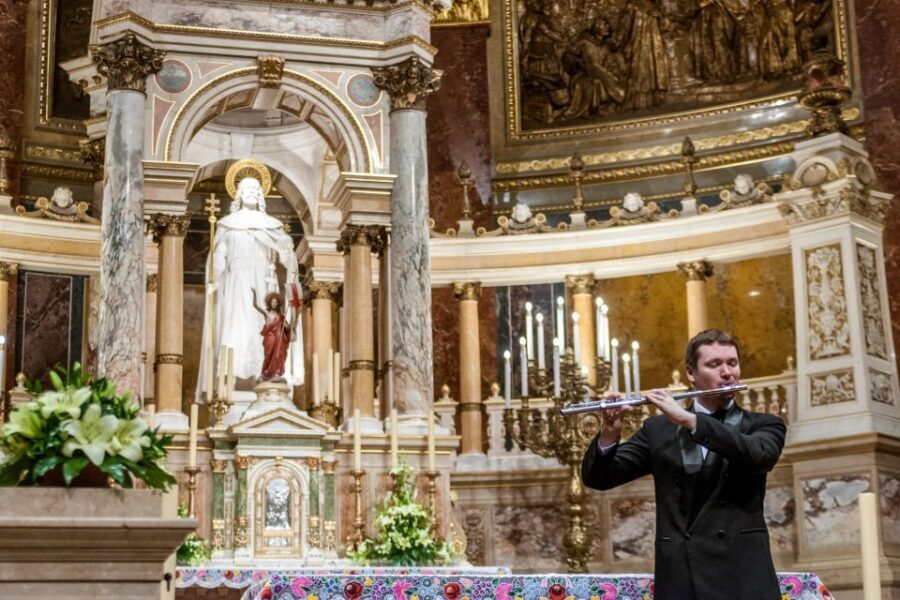
Then there’s Eleonóra Krusic on flute. The flute appearance is a real change of texture: the organ can sound grand and continuous, while flute lines cut through with clarity. If you’re the type who notices timbre—how different instruments color the same melody—this added flute spot is one of the best reasons to pick this show.
The musical program: what each composer brings to the night
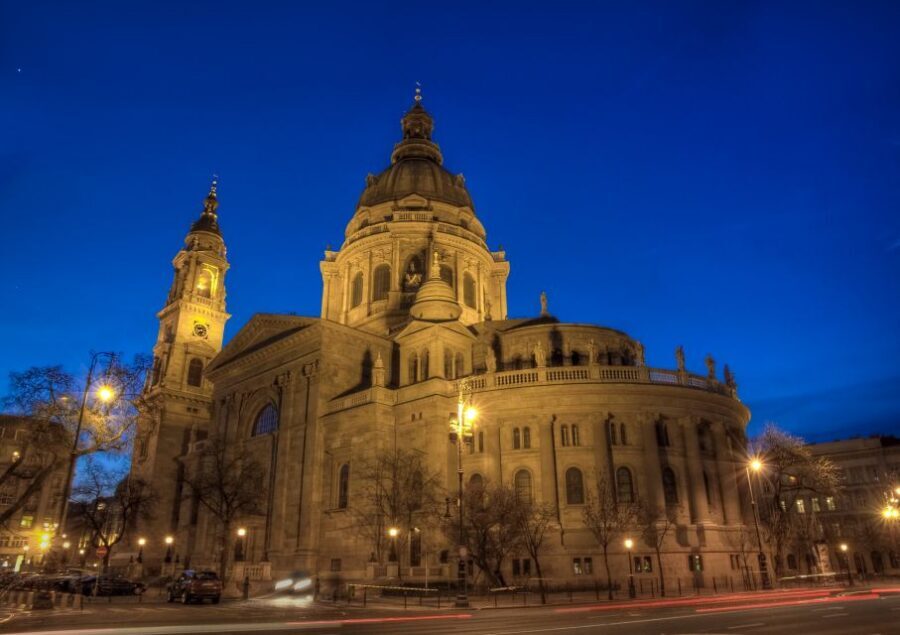
The program moves like a storyteller. It starts with a mood-dark opening, goes through prayers and lyrical reflections, then ramps up into lively Baroque brilliance and ends with one of Bach’s most dramatic organ statements.
Mozart: Fantasie in F minor, K 506
Mozart’s Fantasie in F minor sets a serious tone right away. Fantasia writing is all about shifts—restless energy, sudden calm, then a return to tension. It’s a great opener for an organ recital because it gives the instrument room to show both control and emotional bite.
Stradella: Pietà Signore
Then you move from instrumental drama toward something more devotional with Alessandro Stradella’s Pietà Signore. This is the point where the concert’s vocal element becomes especially important. Expect a more direct “singing narrative,” with the phrasing designed to land the message clearly.




Albinoni: Adagio
Tomaso Albinoni’s Adagio slows things down. In a concert like this, the adagio section acts like a reset button. It lets you hear how the hall sustains a long line and how breath and sound interact, especially when vocals and organ tones share space.
Liszt / Camille Saint-Saëns: Legend in A major (St. Francis and the birds)
Next comes Liszt Ferenc / Camille Saint-Saëns’ Legend in A major, titled St. Francis of Assisi’s Sermon to the Birds. The title alone signals that this isn’t just “serious classical music.” It’s meant to feel vivid and expressive—more image-based than purely abstract.
Verdi: Prayer of Fiesco from Simone Boccanegra
Giuseppe Verdi’s Prayer of Fiesco lands in that emotional middle ground between operatic drama and sacred feeling. Verdi’s writing often has an aching clarity, and in a concert setting, it can feel even more intimate than in a full stage production—especially when you’re seated close enough to track the singer’s shape of sound.
Bach: Polonaise, Minuet, Badinerie from Suite in B minor BWV 1067
Bach’s pieces are a crowd-friendly swing back to dance rhythms. The Polonaise, Minuet, and Badinerie from Suite in B minor bring lightness and momentum. This section is a good moment to notice how quickly your ear adjusts: the organ can sound monumental, but Bach’s style keeps it moving and musical, not heavy.
Bach: Toccata and Fugue in D minor BWV 565 (the big finish)
The final movement is Bach’s Toccata and Fugue in D minor, BWV 565. This one is famous for a reason: it’s dramatic, intense, and built for the kind of resonance a basilica offers. If you want your last minutes to feel like a musical “closing scene,” this is your payoff.
Ticket categories and row ranges: how to choose your seat without guessing
You’ll choose between three categories, based on where you sit:
- Category I: Rows 1–6
- Category II: Rows 7–16
- Category III: Rows 17–26
With no other seat details provided, the simplest rule is this: the closer the row, the more “direct” the performance feels. Category I is your best bet if you want to catch how singers shape phrases and how flute lines cut cleanly through the organ texture.
Category II is often the practical sweet spot. You get good sightlines for performers while usually spending less than the closest rows. Category III is fine if you’re there for the sound first and you don’t need the closest visual connection.
Also keep expectations realistic: since this is a basilica, the viewing experience is part architecture, part acoustics. Pick your row based on whether you care more about close detail or about letting the hall do the work.
Value for your Budapest evening: a focused show, not a whole “tour”
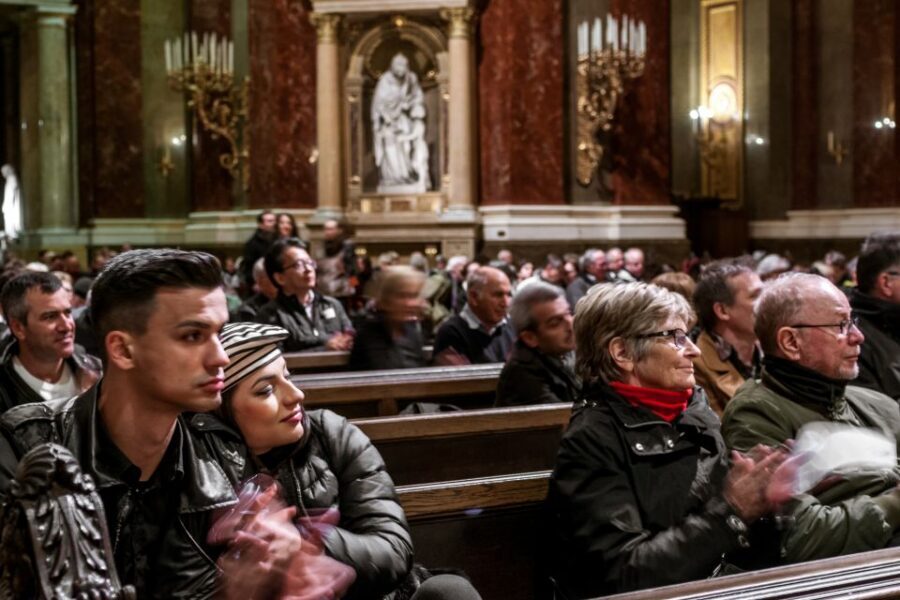
This experience is straightforward: concert tickets are included, and that’s the whole activity. You’re not trying to fit in multiple stops, museums, or long transit gaps. That’s a form of value too, because it gives you a clean slot in your itinerary for music in one of Budapest’s most recognizable church spaces.
You’re also not locked into a complicated pickup plan. Pick-up and drop-off are not included, though they’re available for an additional cost. So if you enjoy navigating cities independently, you’ll likely find it easy. If you’d rather reduce effort, consider adding the transport option—but only if it fits your schedule.
The real value comes from the mixture of performers and repertoire:
- famous Hungarian singing talent (Kolos Kováts with major awards)
- a varied composer lineup (Mozart, Stradella, Albinoni, Liszt/Saint-Saëns, Verdi, Bach)
- a flute feature (Eleonóra Krusic) that changes the sound palette
If you like classical concerts that don’t feel like a textbook recital, this program does the job.
Who this is best for (and who should think twice)
This is ideal if you:
- want a single-night cultural plan that’s easy to fit in
- enjoy hearing classical works in a live sacred venue
- like concerts that include both vocal and instrumental moments
- appreciate specific performers, not just “generic organ music”
It’s less ideal if you:
- dislike waiting in a church environment and prefer activities with a built-in, changing scenery plan
- want a full guided explanation of the music beyond what the concert program provides (the provided info doesn’t specify extra narration)
Final verdict: should you book this organ concert?
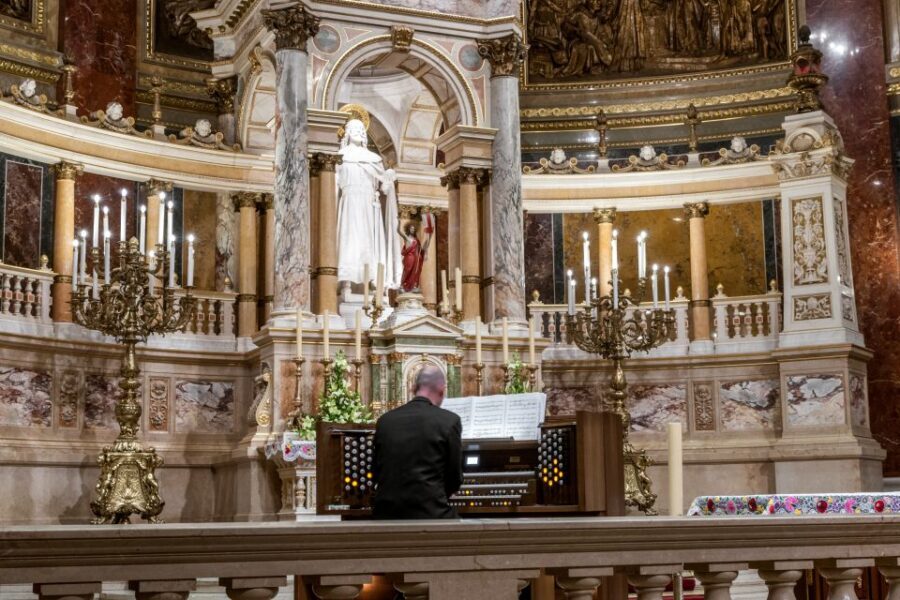
Yes—if you want one evening in Budapest that’s genuinely about music, not about racing between landmarks. The combination of St. Stephen’s Basilica as the setting, Kolos Kováts’ award-winning vocal presence, and a program that spans Mozart to Bach gives you variety without turning the night into a fragmented schedule.
I’d book Category I if you care about close detail (especially vocals and flute). If you’re mainly in it for the sound and atmosphere, Category II or Category III can still make sense. Either way, this is the kind of performance where your brain stops multitasking and just listens.
FAQ
FAQ
What time should I meet at St. Stephen’s Basilica?
Please come to St. Stephen’s Basilica at 19:40.
Where does the concert take place?
The concert is held at St. Stephen’s Basilica in Budapest.
Are concert tickets included in the experience?
Yes. Concert tickets are included.
Are pick-up and drop-off included?
No. Pick-up and drop-off are not included, but they’re available at an additional cost.
Which performers are featured in the concert?
The highlighted performers are Miklos Teleki and Kolos Kováts, with a flute performance by Eleonóra Krusic.
What ticket seating categories are available?
There are three categories:
Category I (Rows 1–6), Category II (Rows 7–16), and Category III (Rows 17–26).
What music is included in the program?
The program includes works by Mozart, Stradella, Albinoni, Liszt/Saint-Saëns, Verdi, and Bach, including Bach’s Toccata and Fugue in D minor (BWV 565).