Roman ruins and Hungarian bites in Óbuda. This Budapest food tour swaps the usual city-center trail for a calmer neighborhood, then connects the meal stops to big landmarks like the ancient Amphitheatrum site and the Danube riverfront. You’ll also get 8+ tastings of classic Hungarian foods and drinks during about 3.5 hours.
I love two things most: the small-group limit of 12, which keeps the pace comfortable, and the way the food menu covers both street-style favorites and hearty comfort dishes. I also like that guides such as Zoltan and George tend to explain what you’re eating in the broader story of the region and Budapest.
One heads-up: there’s fair walking, so if you’re not into moving for 3+ hours, this may feel tiring even though the stops are paced.
In This Review
- Key points to know before you go
- Where Óbuda Food Beats the Usual Budapest Routine
- Price and Logistics: What You’re Paying For
- Meeting Point Timing and the Walk Pace That Matters
- Stop 1: Amphitheatrum and Aquincum’s Roman-Food Connection
- Stop 2: Danube River Views and the Buda–Pest Divide
- Stop 3: Óbuda Neighborhood Walk and Local Plates
- The Tastings You Actually Care About (8+ Stops Worth of Eating)
- How the Guide Turns Food Into a City Story
- Who This Tour Suits Best (and Who Should Skip It)
- Value Check: Does $118.52 Add Up?
- Weather, Seat Availability, and When Plans Change
- Should You Book the Budapest Food Tour in Óbuda?
- FAQ
- How long is the Budapest Food Tour in Óbuda?
- How many food and drink tastings are included?
- Is there a limit on group size?
- Where do I start and end the tour?
- Is hotel pick-up or drop-off included?
- Can the tour accommodate dietary requirements?
- What happens if I need to cancel, or if weather is bad?
Key points to know before you go
- Óbuda instead of the usual tourist zone: you’ll spend time where locals actually shop and eat
- An ancient amphitheater stop: built in the 2nd century AD, tied to Aquincum’s Roman presence
- Danube views built into the route: the river split of Buda and Pest comes into focus
- A full sampling menu: strudel, lángos, gulyás, pickles, sausages or pork knuckle, pálinka, coffee
- Guide-driven stories: expect history and culture woven into each bite, with guides like Zoltan and George often praised for it
Where Óbuda Food Beats the Usual Budapest Routine
If you’ve already seen the big postcard sites, you’ll probably like this change of pace. Óbuda (Óbuda/Obuda) is less about slogans and more about daily life—shops, neighborhood streets, parks, and the kind of food stops you’d miss if you only stick to the central boulevards.
What makes this tour work is the mix of place + plate. You start with an archaeological site tied to Roman-era Budapest, then you walk to the Danube for classic city identity, and then you spend real time in Óbuda. The result is that you don’t just taste Hungarian food—you get a sense of where the traditions grew from.
You can also read our reviews of more food & drink experiences in Budapest


Price and Logistics: What You’re Paying For
At $118.52 per person for about 3 hours 30 minutes, you’re paying for three things at once: time with a guide, a structured walking route, and a menu that includes multiple tastings (not just one snack stop).
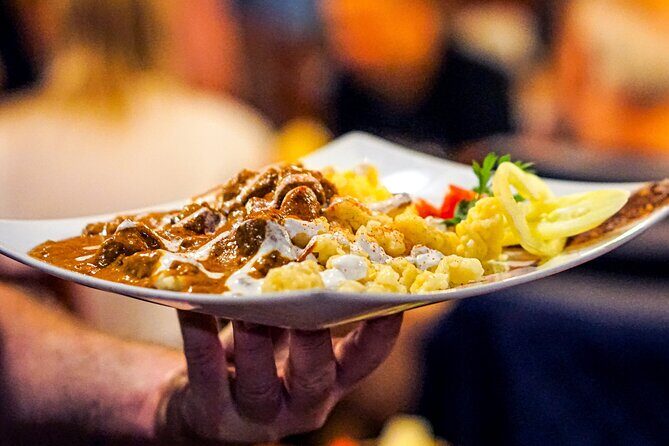
The value gets better because the core sightseeing stops are listed as free where tickets aren’t required (the Amphitheatrum stop and the Danube portion). You’re also not paying extra for the tastings—sweet strudel, crispy lángos, Hungarian sausages or pork knuckle, pickles, gulyás soup, freshly baked bread, pálinka, plus coffee and a secret dish are all included.
One practical thing to plan for: there’s no hotel pick-up or drop-off. You’ll start at the Statue of Árpád (1034 Budapest) and finish at Korona tér 1 (1036 Budapest), near the Buda side of Árpád Bridge by the Hungarian Museum of Commerce and Hospitality. So pick a neighborhood base that’s easy for you to reach by public transport.
Meeting Point Timing and the Walk Pace That Matters
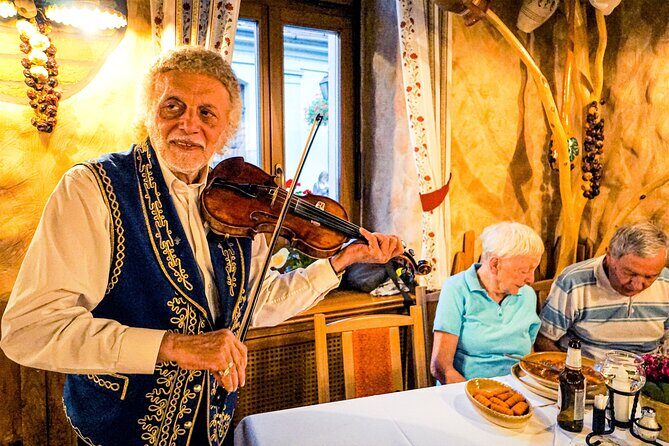
This is a walking-focused tour, and the description is clear about that. Expect a fair amount of strolling across the stops, with comfortable shoes as the smart move. The route is short enough that it doesn’t feel like a long hike, but it’s still a full block of time—so don’t schedule it as a quick add-on right before an evening you can’t move.
Also note that it runs as a small group experience with a maximum of 12 travelers. That matters because you’re more likely to get time to ask questions and get practical context when you’re not packed shoulder-to-shoulder.
If you’re planning around menus and restaurant seating, booking earlier helps. This one averages being booked about 57 days in advance, so earlier is better if your dates are fixed.
Stop 1: Amphitheatrum and Aquincum’s Roman-Food Connection
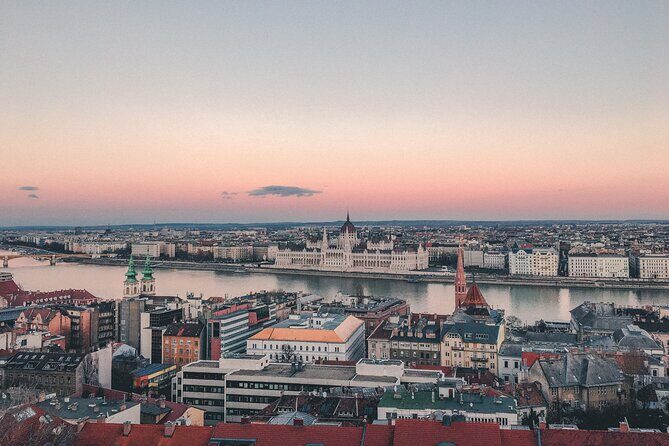
The tour kicks off at Amphitheatrum, an archaeological site connected to the ruins of Aquincum. This amphitheater dates to the 2nd century AD and once hosted large public entertainment—gladiatorial contests, theatrical performances, and other spectacles. It’s the kind of place that makes you look at Budapest differently, because it shows the city wasn’t always the modern capital you know today.
The practical win here: you get history without needing a ticket purchase. The stop is listed with admission ticket free, and it’s built into the pacing of the tour—so you’re not stuck away from the food too long.
What I like about starting with this is psychological. Before you eat, you’re already in the mindset of layers: Roman-era roots, then the Danube shaping the city, and finally Óbuda as a living neighborhood. That context makes the food stops feel less random.
Stop 2: Danube River Views and the Buda–Pest Divide
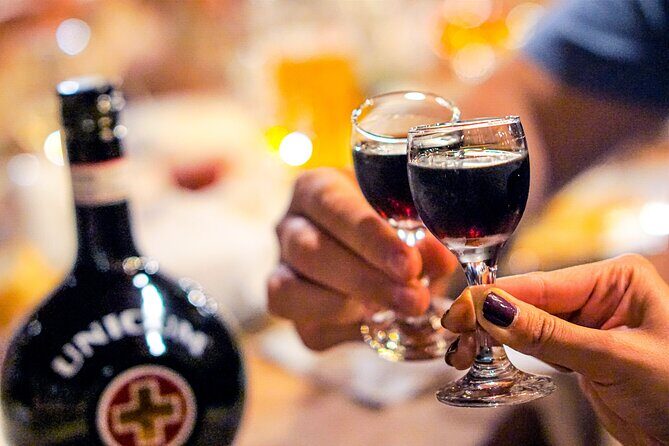
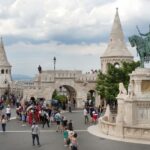
Next comes the Danube River. It’s one of Europe’s most famous waterways, and in Budapest it has a special job: it divides the city into Buda and Pest. As you move along the river area, you get panoramic context for major landmarks like the Hungarian Parliament Building and Buda Castle.
This isn’t just a scenic pause. It’s a reminder that Budapest’s food culture didn’t develop in a vacuum. Rivers bring trade, trade brings ingredients and cooking ideas, and a city with this kind of geography tends to keep flavors from multiple eras.
The stop is also listed as admission ticket free, so you’re mostly paying for time and guidance—not entry fees.
You can also read our reviews of more tours and experiences in Budapest
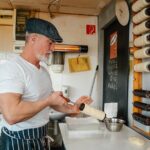


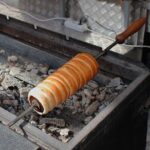
Stop 3: Óbuda Neighborhood Walk and Local Plates

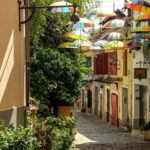
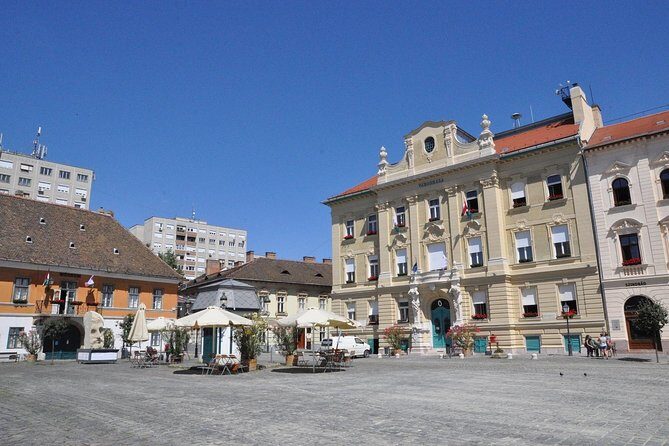
Óbuda is the heart of why this tour exists. The area is described as a charming neighborhood with a blend of history and everyday life—older streets and community feel, plus parks, amenities, and newer touches.
I like that this is where the tour shifts from big landmarks to human-scale eating. You’re in the district long enough to feel the difference from the most tour-heavy parts of Budapest. And because you’re with a small group, the experience stays grounded, more like following a friend to practical places than racing from one major sight to another.
The Tastings You Actually Care About (8+ Stops Worth of Eating)
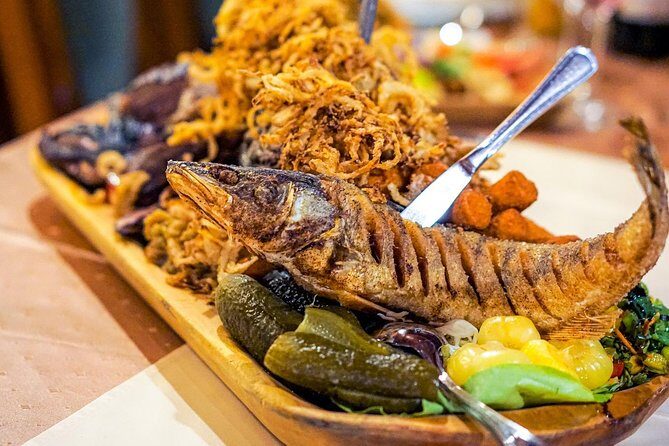
This is not a diet plan disguised as culture. The menu is built around multiple tastings, and the included list gives you a strong idea of what to expect:
- Sweet strudel (a classic Hungarian pastry)
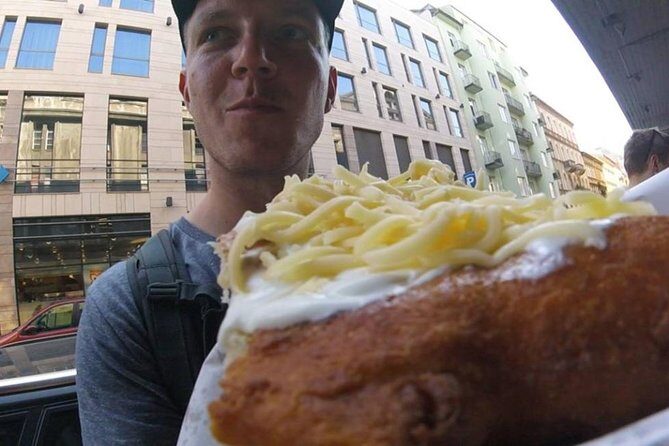
- Crispy lángos (street-food style, usually fried and served hot)
- Hungarian sausages or pork knuckle (two very different, very traditional directions)
- Pickles to cut through the richness
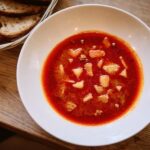
- Gulyás soup, comforting and hearty
- Freshly baked bread with your savory tastings
- A shot of pálinka (Hungarian fruit brandy)
- Our delicious secret dish (included, but the exact item can change)
- Coffee to round out the meal arc
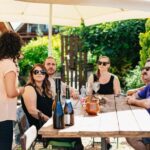
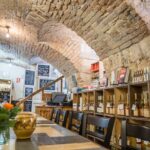
On top of that menu baseline, the guides described in the experiences I looked at point to an itinerary rhythm that often includes a pastry shop for strudel, a butcher-style stop for hot and cold meats, a restaurant-style stop featuring stuffed cabbage (a dish that clearly hit a favorite for at least one person), and a wine shop pairing cheese, wine, and pálinka.
If you drink alcohol, pálinka is part of the package. If you don’t, tell your guide during dietary discussions ahead of time. The tour explicitly asks you to contact them in advance for any dietary requirement so they can cater as best they can.
And here’s the realistic takeaway: portions are sized for variety, not for a light snack. One common piece of feedback was that the servings can feel a bit generous—so if you’re the type who prefers smaller bites, come hungry but plan to pace yourself. You’ll still get to sample multiple foods.
How the Guide Turns Food Into a City Story
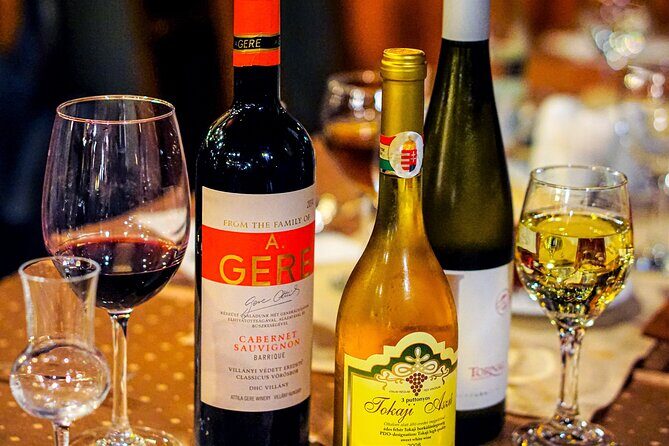
The guide experience is a big part of the value here. People praised guides like Zoltan and George for being funny, friendly, and especially good at connecting dishes to local history and culture.
That story-telling matters, because Hungarian cuisine has regional character and it’s shaped by history, farming, and food traditions that don’t fit into a quick one-line description. When your guide explains what you’re tasting and why it shows up the way it does, you’re more likely to remember the flavor—and to recognize it later if you order it on your own.
I also like the small-group setting (max 12), because questions don’t feel like you’re waiting your turn for a microphone. You’re also less likely to feel rushed if the guide stops to explain something you didn’t know you cared about.
Who This Tour Suits Best (and Who Should Skip It)
This tour is a great match if you want:
- Hungarian food in a structured way, with multiple tastings included
- A non-central neighborhood perspective in Óbuda
- A route that combines Roman-era context, the Danube identity, and actual local eating
It may not be the best fit if:
- You hate walking for a few hours, even at a normal pace
- You’re looking for a gentle, minimal-food experience (this is designed to feed you)
- You’re very picky about alcohol and strong flavors, since pálinka is part of the included menu
One more note: most people can participate. But if you have mobility limits, consider how comfortable you are with uneven outdoor walking and a route that’s built around neighborhood streets.
Value Check: Does $118.52 Add Up?
For me, the value is strongest if you compare what’s included versus what you’d likely pay if you tried to copy the route on your own.
You’re getting:
- A guided route over several key areas
- 8+ tastings, including soup, pastry, fried street-style food, meats, pickles, bread, coffee, plus a pálinka shot
- A secret dish and at least one coffee stop included
- No extra admission tickets listed for the main sightseeing stops
Even if you only price a few items you know you’d order—like gulyás soup, lángos, strudel, and drinks—you can see how the package makes sense. This is the kind of tour where the money turns into less decision fatigue. You spend the day eating and learning what to look for, not trying to guess where to go.
Weather, Seat Availability, and When Plans Change
This is a good-weather type of tour. The tour notes that if it’s canceled due to poor weather, you’ll be offered a different date or a full refund. It also mentions that the itinerary and menu can change based on location availability, weather, and other circumstances.
So think of it as a plan that stays faithful to the general menu and style, even if the exact pairing might shift. That flexibility is normal for walking food tours.
Should You Book the Budapest Food Tour in Óbuda?
Yes, book it if you want Budapest that feels local instead of just famous. The big selling point is the combination: Roman-era Amphitheatrum and Danube context on the way to a real neighborhood, plus a menu that hits multiple Hungarian classics without making you do restaurant research.
Skip it if you need hotel pick-up, zero walking, or a very light snack format. Also, if alcohol is a deal-breaker, reach out ahead of time so the team can handle what they can.
If your goal is a fun, story-driven food day in Budapest that doesn’t confine you to the busiest sights, this Óbuda tour is a strong choice.
FAQ
How long is the Budapest Food Tour in Óbuda?
It’s about 3 hours 30 minutes.
How many food and drink tastings are included?
The tour includes 8+ tastings, including items like sweet strudel, crispy lángos, Hungarian sausages or pork knuckle, gulyás soup, pálinka, and coffee, plus a secret dish.
Is there a limit on group size?
Yes. The maximum group size is 12 travelers.
Where do I start and end the tour?
You start at the Statue of Árpád in Budapest (1034 Hungary). The tour ends at Korona tér 1 (1036 Hungary), near Árpád Bridge on the Buda side by the Hungarian Museum of Commerce and Hospitality.
Is hotel pick-up or drop-off included?
No. Hotel pick-up and drop-off are not included.
Can the tour accommodate dietary requirements?
The tour asks you to contact them in advance about any dietary requirements so they can cater for them as best they can.
What happens if I need to cancel, or if weather is bad?
Cancellation is free up to 24 hours in advance for a full refund. If it’s canceled due to poor weather, you’ll be offered a different date or a full refund. The experience also requires a minimum number of travelers, and if that isn’t met, you’ll be offered an alternative date/experience or a full refund.