REVIEW · BUDAPEST
Budapest Grand Half-Day Jewish Heritage Tour
Book on GetYourGuide →Operated by Hungaria Koncert Ltd. · Bookable on GetYourGuide
Two synagogues, one ghetto route, big feelings. This Budapest Grand Jewish Heritage Tour connects the grand scale of Dohány Street Synagogue with the streets of the Jewish Quarter, where history and everyday life overlap in a very human way.
I especially love how the route balances sacred spaces with real context: the Jewish Museum and cemetery stop help you understand what you’re looking at, not just what it is. I also like the pace and the guide style on the best days—English explanations that make room for questions (many people remember guides like Benjamin, Orsi, Petra, and Borcsa for exactly that).
One possible drawback: the tour packs a lot into four hours, so you need to stay mentally flexible—some departures can run shorter than expected if timing shifts.
In This Review
- Key things that make this tour worth your time
- Entering Budapest’s Jewish story from Dohány Street Synagogue
- Dohány Street Synagogue: more than a huge room
- Jewish Museum Budapest and the cemetery stop that gives you context
- Raoul Wallenberg Holocaust Memorial Park and the Tree of Life
- Carl Lutz Memorial: the Schindler connection you actually understand
- Walking the Jewish Quarter: former ghetto streets, synagogues, and daily life
- Temple of Heroes and the Jewish Center: outside views with inside meaning
- Kazinczy Street Synagogue: Orthodox practice in Art Nouveau form
- Group pace, timing, and the four-hour reality check
- Price check: is $116 for a guided Jewish heritage route fair?
- Who this tour suits best
- Should you book this Budapest Jewish Heritage Tour?
- FAQ
- How long is the Budapest Grand Half-Day Jewish Heritage Tour?
- Where does the tour start?
- Is pickup included?
- What’s included in the price?
- Do I need to bring ID?
- Is the tour offered in English?
- What items are not allowed?
- Is there an option to skip lines?
- Is it wheelchair accessible?
Key things that make this tour worth your time
- Dohány Street Synagogue: you see the largest synagogue in Europe and spend real time inside
- Jewish Museum Budapest: guided context that turns photos and plaques into a story you can follow
- Holocaust memory outdoors: Raoul Wallenberg Holocaust Memorial Park plus the Tree of Life
- Carl Lutz Memorial: a focused stop tied to Hungary’s Schindler nickname
- Jewish Quarter walking route: former-ghetto streets with synagogues, monuments, and kosher spots
- Kazinczy Street Synagogue: an outside-and-inside mix, including the Art Nouveau style and Orthodox presence
Entering Budapest’s Jewish story from Dohány Street Synagogue
If Budapest has a single address that signals you’re in the right place, it’s Dohány Street. This tour starts at Dohány u. 2, right by the Dohány Street Synagogue, so you get oriented immediately. From the first steps, you feel the contrast between a monumental building and a neighborhood that has kept going through upheaval.
Expect a guided walk that starts formal and ends street-level. You’ll move from interiors (with guided explanation) to memorial parks and then into the Jewish Quarter, where the story becomes geography. That mix matters: memorial sites hit hard, but the neighborhood streets help you understand continuity—what survived, what changed, and what is still practiced today.
Bring comfortable shoes. You’re walking. And bring a passport or ID card, because that’s explicitly part of the on-site requirements.
You can also read our reviews of more historical tours in Budapest



Dohány Street Synagogue: more than a huge room
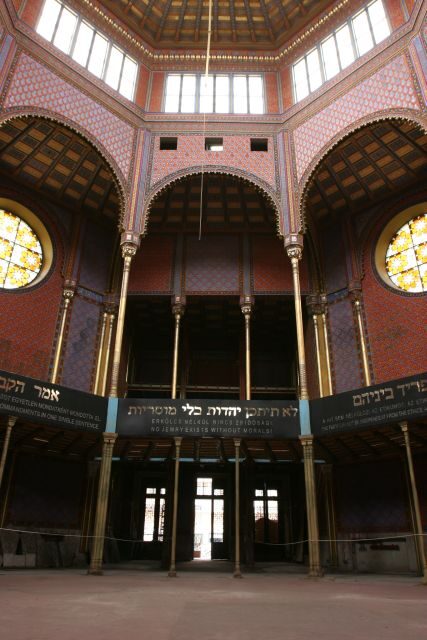
Dohány Street Synagogue isn’t just big; it’s central. You’ll get an interior visit with guided interpretation, so you’re not standing in awe with only your own imagination. This is the kind of stop where small details—layout, memorial spaces, and what the guide points out—can make the architecture feel personal.
What I like most here is that the tour doesn’t treat the synagogue as a museum object. It’s framed as a living landmark within a community with deep roots. If you’re the type who likes to connect buildings to people, this is where you start doing that.
One practical note: you’ll also benefit from skip-the-line access via a separate entrance. That’s not a small perk when your schedule is tight and you’re heading outdoors soon after.
Jewish Museum Budapest and the cemetery stop that gives you context
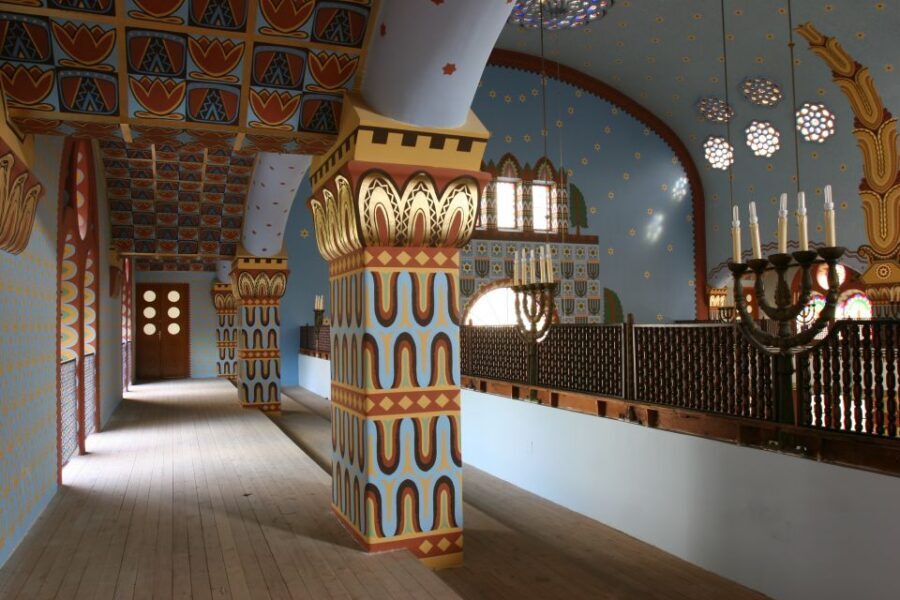
After the synagogue, you transition to understanding. The Jewish Museum Budapest visit is guided, and that changes everything. Instead of learning dates only, you learn how everyday Jewish life, religious practice, and historical events shaped what you see around you.
If you’ve ever visited a memorial and felt like you needed the missing background, this is where the tour fills it in. The museum portion is also the spot where serious topics get organized, so you can absorb them without feeling lost.
You’ll also include a cemetery-related stop as part of the core route. Cemeteries are different from memorial parks: they’re about names, time, and the fact that a community had individuals—not just a collective story. Walking with a guide through this kind of place can help you read the landscape instead of rushing past it.
Raoul Wallenberg Holocaust Memorial Park and the Tree of Life

Then the tour shifts outdoors into the memory spaces. Raoul Wallenberg Holocaust Memorial Park is one of those places where the design does some of the emotional work for you. You’ll get guided commentary as you walk through, and it’s built for reflection rather than photo stops.
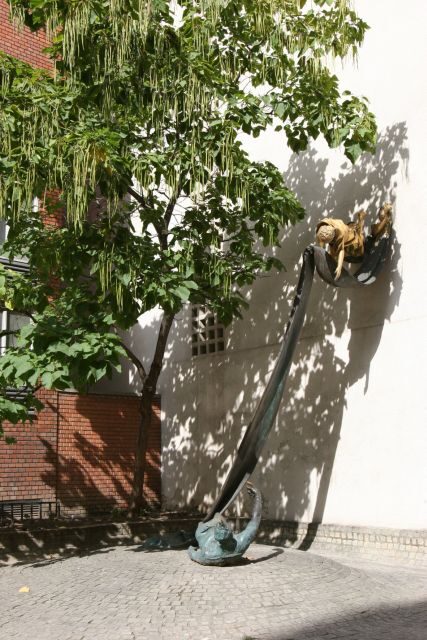
Right nearby, you’ll encounter the Tree of Life. That detail matters because it adds a different emotional tone: it points you toward renewal and continuity rather than only loss. The best guides explain why that design choice feels meaningful in context—why not just grieve, but also record survival and identity.
This is also where the tour balances perspectives. You’ll be moving through places tied to specific individuals, but the guide connects them back to the wider story of Hungarian and European Jewish history.
Carl Lutz Memorial: the Schindler connection you actually understand

The route includes a memorial dedicated to Carl Lutz, described here as Hungary’s Schindler. That nickname can sound familiar from pop-history, but this stop helps you treat it as something specific and grounded. You’ll learn why his actions mattered and how rescue efforts fit into the larger chaos of the period.
What I appreciate is that this memorial doesn’t float away as a standalone anecdote. It stays tied to the surrounding geography of the Jewish Quarter and the earlier context you built at the synagogue and museum. By the time you’re here, you’re not just collecting names. You’re learning a chain.
You can also read our reviews of more tours and experiences in Budapest






Walking the Jewish Quarter: former ghetto streets, synagogues, and daily life
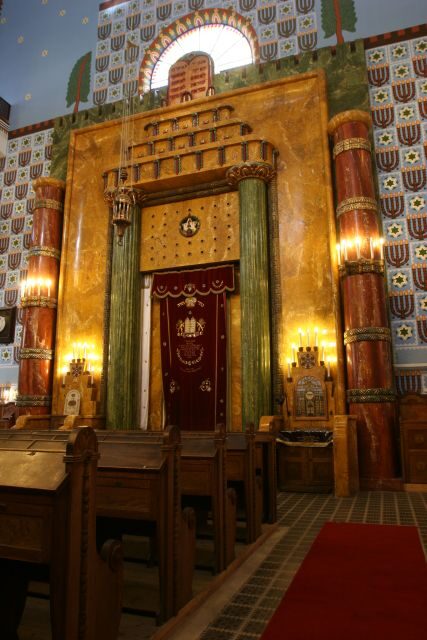
Once you break from the earlier cluster of stops, you move into the neighborhood itself: the Jewish Quarter and streets of the former ghetto. This part of the tour is where the city starts talking back to you.
Your guide gives local stories and useful facts about Budapest, which helps you connect what you see to how the city functions today. You’ll pass synagogues, monuments, and also practical, modern markers of Jewish life—like kosher restaurants and kosher shops.
You’ll also walk past Madách Square and Gozsdu Passage. These areas aren’t only about the past; they show how Budapest keeps remixing its districts. If you’re trying to understand what heritage tourism should feel like, this is a good example: respectful, but not sealed in a time capsule.
Rumbach Street also appears in the route as a stop tied to the synagogue triangle. In the planned overview, Rumbach Synagogue is outside—so your goal here is observing the building and letting the guide connect it to what you learned earlier about the community’s physical and religious footprint.
Temple of Heroes and the Jewish Center: outside views with inside meaning
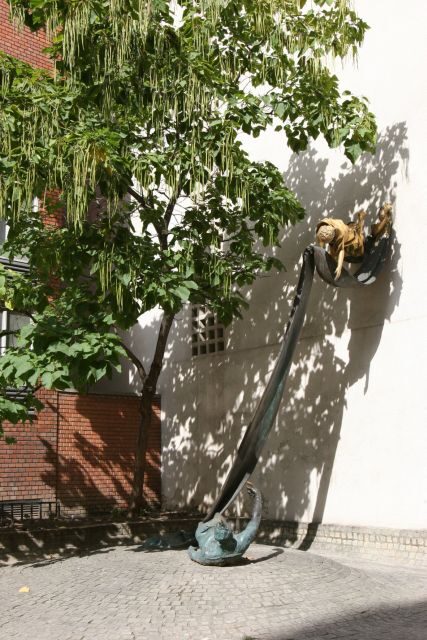
You’ll see Heroes’ Temple from the outside as part of the core set of sights. You’ll also pass the Jewish Centre as another key point in the landscape. These outside visits can feel less dramatic than an interior stop, but they do an important job: they broaden your sense of where Jewish life has been anchored across the city.
A good guide can make outside views feel like more than a quick glance. Here, you should listen for details like positioning, how these spaces relate to the wider district, and what the tour is trying to show about community organization and endurance.
If you’re short on time, outside views can be a real strength. You still get the bigger map of the story without the schedule losing momentum.
Kazinczy Street Synagogue: Orthodox practice in Art Nouveau form

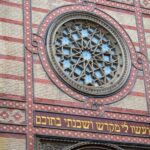
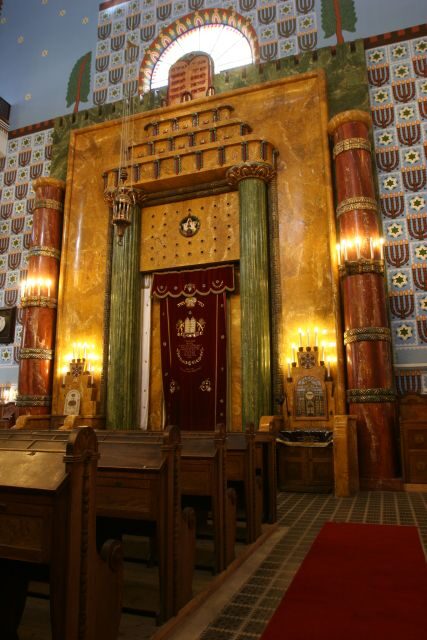
The final synagogue highlight is Kazinczy Street Synagogue. You’ll get an outside look on the route and an inside visit as part of the tour plan. This synagogue is described as one of the largest operating Orthodox synagogues in Europe, and it’s built in Art Nouveau style, which makes the architecture a standout even if you’re not an architectural nerd.
Inside, the focus is on the religious and cultural meaning of the space. The Orthodox presence here matters because it shows that Budapest’s Jewish heritage isn’t only memorial. It’s also active.
One practical thing: this is one of the stops where your guide’s explanations can help you “read” what you’re seeing quickly. If you care about religious spaces, ask questions here. This tour format is built for that kind of interaction—when the guide is strong, you’ll leave with a clearer sense of how Orthodox life shapes the community.
There’s also a break built into the overall day. You’ll stop for cake and coffee in a kosher confectionary, and there’s a 10% discount at Carmel Restaurant with a lunch option. Even if you don’t take the lunch offer, it’s a nice reset that keeps the tour from feeling all heavy, all the time.
Group pace, timing, and the four-hour reality check
This is a half-day experience, not an all-day deep seminar. The upside is you’ll see a lot without spending your whole day in transit or lines. The downside is you need to handle the schedule as a plan, not a promise.
The tour includes several interior moments and several outdoor segments, plus a walking stretch through the Quarter. That means your experience depends on group flow and how the guide manages time at each stop.
If your time in Budapest is extremely tight, build a little buffer afterward. If you’re the type who hates being rushed, you may want to arrive a few minutes early at the meeting point and mentally commit to staying flexible once you’re on the move.
Also, plan for the walking. The tour notes it’s not suitable for wheelchair users, and it also restricts luggage or large bags. Keep your day light.
Price check: is $116 for a guided Jewish heritage route fair?
At $116 per person for about four hours, the value comes from three things:
First, you’re paying for a professional guide throughout. This isn’t a self-guided “hit these points” route. The tour’s strength is the guided explanations that connect synagogue interiors, museum context, and memorial design.
Second, several entrances are included, including the Jewish Museum, Dohány Street Synagogue, the Raoul Wallenberg Holocaust Memorial Park, and Kazinczy Street Synagogue. Entrance fees add up fast in places like this, and inclusion reduces your planning stress.
Third, you’re getting a structured walk through the Jewish Quarter with both history and local context. That kind of guided city-reading is hard to replicate solo without time, language comfort, or the wrong kind of sources.
Could it feel like a lot if the timing runs short? Yes—that’s the main value risk. But if the guide keeps the flow smooth and spends quality time where it counts, it’s a fair price for a dense, meaningful route.
Who this tour suits best
I think this works best if you want structure. If you like having someone translate the significance of what you’re seeing—especially at the synagogue and museum parts—this tour delivers.
It also suits you if you’re visiting for the first time and want to understand Budapest’s Jewish heritage without building a day of complicated planning. The route is designed to give you a working map: big landmarks, memorial spaces, and the neighborhood streets that hold the living story.
This is less suitable if you need step-free access. It’s also not ideal if you’re trying to carry heavy luggage.
If you’re traveling with teenagers or multiple generations, this kind of guided pacing often lands well because it mixes formal sites with street-level landmarks. In the same group you can have someone who wants architecture, someone who wants history, and someone who just wants to understand what happened and what’s present now.
Should you book this Budapest Jewish Heritage Tour?
I’d book it if you want a guided route that connects major sites in a logical order. The synagogue-and-museum pairing is the core strength, and the memorial stops add the seriousness you shouldn’t skip. Finish it with the Orthodox focus at Kazinczy Street Synagogue, and you get a rounded picture: past, memory, and ongoing practice.
If you hate any chance of schedule shifting, be aware that a tour packed into four hours can run tighter than you expect. Still, even with that caution, it’s one of the better ways to do this theme in Budapest without turning the day into a scavenger hunt.
If you can, choose a departure time that leaves slack afterward. Then show up ready to walk, listen, and ask questions.
FAQ
How long is the Budapest Grand Half-Day Jewish Heritage Tour?
The tour lasts about 4 hours.
Where does the tour start?
The meeting point is Dohány Street Synagogue, Dohány u. 2, 1074.
Is pickup included?
No, pickup is not included.
What’s included in the price?
The tour includes a professional guide throughout and entrance fees for the Jewish Museum, Dohány Street Synagogue, Raoul Wallenberg Holocaust Memorial Park, and Kazinczy Street Synagogue.
Do I need to bring ID?
Yes. You should bring a passport or ID card.
Is the tour offered in English?
Yes. The live tour guide provides the tour in English.
What items are not allowed?
Pets are not allowed, and luggage or large bags are not allowed.
Is there an option to skip lines?
Yes. You’ll use a separate entrance to skip the line.
Is it wheelchair accessible?
No. It is not suitable for wheelchair users.