REVIEW · BUDAPEST
Budapest Trabant Tour- Go Trabi Go
Book on Viator →Operated by Budapest Trabant Tour - Day Tours · Bookable on Viator
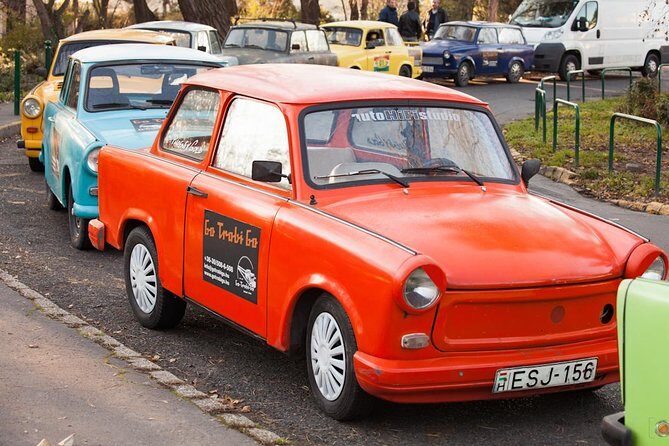
A Trabant turns Budapest into a time machine. This 2-hour option lets you explore the city in a real DDR-era car, with the fun twist that you’re often behind the wheel in a manual, 2-stroke machine. I like that the company runs a large fleet in Hungary, so you’re not stuck waiting for a rare model, and that the experience comes with practical support like pickup and clear guidance.
Two things I especially like: first, the chance to drive a Trabant without modern aids gives you that old-school mechanical feel, and the learning moment is part of the payoff. Second, the “self-driving, but private” setup means you can go at your own pace while still experiencing Budapest’s highlights from a totally different angle.
One drawback to consider: this is an un-guided self-driving experience, so you’ll want to think ahead about your route, and the car itself is not “easy mode.” You must bring a valid driving license and ID, and plan for manual steering and braking because there’s no power steering or power brake.
In This Review
- Quick hits before you book
- Why a Trabant feels like Budapest in another era
- The 2-hour plan: how to use your time well
- Driving a 2-stroke Trabant: the real-world challenge
- Your route choices: Budapest highlights you can hit (at your pace)
- Chauffeur versus self-driving: which version fits your style
- Car size, seating limits, and group math
- Where it starts and what to know about timing
- Price and value: why $131 can be a smart splurge
- Best-fit types of travelers (and when to pass)
- A fun prep idea: the movie reference
- Should you book Go Trabi Go Budapest?
- FAQ
- How long is the Budapest Trabant tour?
- Is this self-driving or guided?
- Where do I meet for the tour?
- What documents do I need to drive?
- Is the Trabant automatic?
- How big is the group per car?
- Is there a deposit?
Quick hits before you book
- Self-driving, un-guided: you pick up the car and explore under your own plan
- Manual, 3 pedals: clutch plus no power steering or power brake
- Car capacity rules: up to 3 adults per Trabi, 4 adults need a second car
- Deposit required: 30,000 HUF or 100€ refunded after safe return
- Great meetup location: Hungarian Academy of Sciences at Széchenyi István tér 9
Why a Trabant feels like Budapest in another era
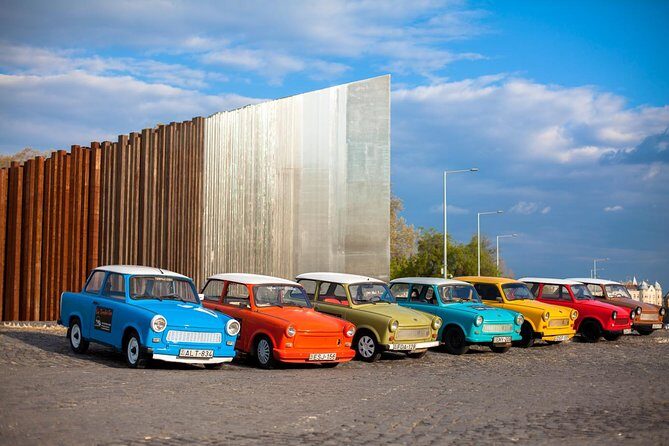
A lot of Budapest tours show you the city. This one makes you feel it. When you’re sitting in a Trabant, the whole experience changes: the cabin is smaller than modern cars, the controls feel basic, and the way the car moves through traffic turns a drive into a story.
The company behind Go Trabi Go says it has the largest Trabant fleet in Hungary, which matters more than it sounds. More cars usually means more availability, and less waiting around for the “one right vehicle.” And since the ride is in an official DDR-style icon, you’re not just renting a novelty car. You’re stepping into a specific slice of European life that still shows up in Budapest’s look and attitude.
There’s also a built-in social bonus. Even if you’re riding solo, people notice the car. That attention can make photos easier and makes your time feel less like a chore and more like an event. In several experiences, that “everyone looks” factor is part of the fun.
You can also read our reviews of more tours and experiences in Budapest.



The 2-hour plan: how to use your time well

This activity runs for about 2 hours, and the start and end are the same place: the Hungarian Academy of Sciences, Széchenyi István tér 9 (1051). From there, you’ll shift into the self-driving mode.
Here’s the practical mindset that helps you get your money’s worth: a 2-hour window goes fast once you factor in pickup, driving practice, photo stops, and time spent looping back. If you show up with a route plan, you’ll spend more time cruising and less time thinking.
Also, the “un-guided” part means you won’t have a narrator steering your schedule. You’re the captain. That can be a huge plus if you like flexibility. It’s also why planning matters. If you prefer someone else to handle pacing and turns, you might want a chauffeur-style option instead of self-drive.
A few people also liked longer time blocks when comparing formats. Their point is simple: Budapest has enough streets worth sampling that 2 hours can feel short if you want to do more than a few photo stops.
Driving a 2-stroke Trabant: the real-world challenge
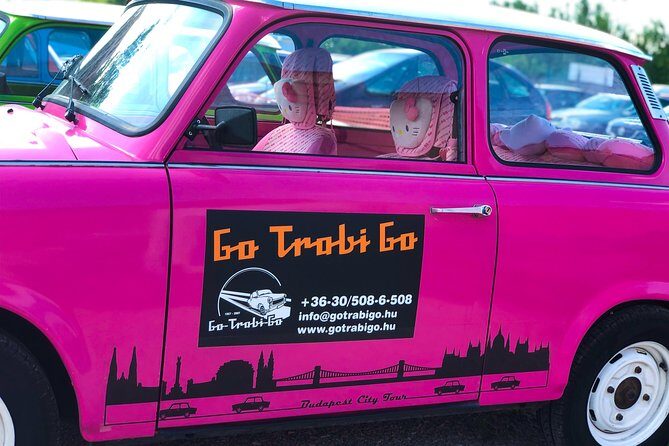
The Trabant experience has a big appeal: it’s a chance to drive a 2-stroke, manual car that doesn’t have today’s electronic conveniences. That’s exactly why it’s fun, and it’s also why you should go in ready.
Key details you should not ignore:
- It’s a manual gearbox with 3 pedals (including the clutch).
- There’s no power steering and no power brake, so parking and slow-speed maneuvering take more physical effort.
- You must bring your ID and valid driving license.
If you’ve never driven a manual in a while, treat the first minutes like a warm-up session. Take your time with the clutch and don’t be surprised if steering feels heavier than modern cars. The people who have the best time tend to stay calm, practice in low-stress conditions first, and drive smoothly rather than trying to power through.
Another detail to plan for: the car may have a specific smell. One common experience is that it can feel unpleasant at first and then you adjust. If that kind of sensory thing bothers you, keep windows adjusted and give yourself a minute to settle.
Your route choices: Budapest highlights you can hit (at your pace)
Because this is un-guided self-driving, you control the sights. That’s your advantage. You can do a “classic Budapest loop,” or you can aim for quieter stretches and make the car part of the sightseeing.
What I recommend is building a route around 2 ideas:
1) Pick one major “must-see” zone, and
2) Add one or two photo-and-stroll stops nearby so you’re not burning time crossing the whole city.
You’ll likely want to focus on areas where streets are interesting to cruise and where you can stop without stress. The car’s size is a factor too. The Trabant is smaller than most modern cars, which can help with squeezing into tight spots, but it also means you’ll feel every maneuver more clearly.
If you’re choosing between stop styles, remember this: the car looks great in photos, but your time is limited. Short stops are better than long ones here. Think: pull over, take pictures, and move on.
Chauffeur versus self-driving: which version fits your style

The core offer is self-driving. But the wider “Go Trabi Go” setup can include options where someone drives you instead. That matters if you’re traveling with someone who isn’t comfortable with manual driving.
A few experiences mention a chauffeur-driven approach where the driver handled the road while the passengers enjoyed the ride and sightseeing. Names mentioned include Cindy for chauffeur experiences and Balázs for guide-led experiences that included extra information and personal context.
So here’s the rule of thumb:
- If you want the mechanical experience and you enjoy learning controls, choose self-driving.
- If you want maximum sightseeing time with less effort, or you’re not confident in manual driving, choose a chauffeur format if available.
Even in self-driving mode, you can still get help. The company provides instruction for how to handle these older cars. That early coaching is one of the main reasons people report a smooth transition after the first few minutes.






Car size, seating limits, and group math
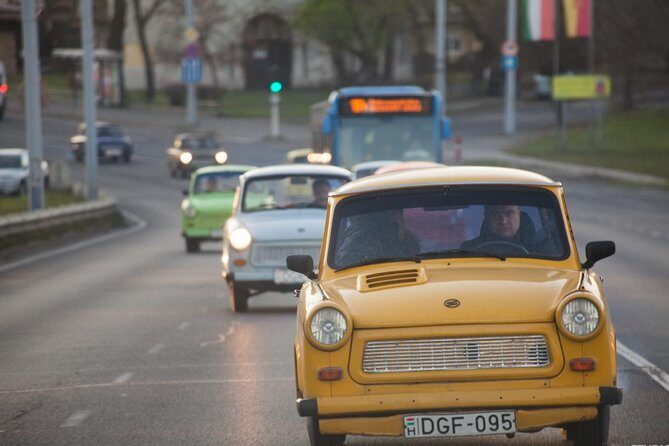
This is a practical rental, so do the math before you arrive.
- For comfort, the limit is max. 3 adults per Trabi.
- If you have 4 adults, you should book 2 Trabant cars.
- Children and youngsters up to age 17 are free if they sit together in the Trabi with their accompanying adult.
- You should plan seating realistically. Some car variants can feel tighter in the back, depending on the model and how tall everyone is.
If you’re traveling as a family or a group of friends, it’s often easier than you think to split into two cars. Two cars also means you’re not compromising on comfort, and you’ll have flexibility if someone wants to stop for photos while the other car keeps moving.
Where it starts and what to know about timing
The meetup is at the Hungarian Academy of Sciences, Széchenyi István tér 9. It’s also listed as being near public transportation, which is helpful when you’re traveling without a car.
Operating hours are 8:00 AM to 3:00 PM daily. So if you’re hoping to do it near sunset, this might not match your schedule. Plan your day so you can start earlier and still enjoy the rest of your Budapest time after the 2-hour slot.
The experience uses a mobile ticket, and you should receive confirmation at the time of booking. You’ll also bring ID and a valid driving license because you’re driving.
There’s also a required deposit:
- 30,000 HUF or 100€, refunded when the car returns safely.
This deposit system is common for car rentals, but with these cars it has an extra layer: the vehicle is older and you’re driving it yourself, so treat the whole session like a careful, respectful use of a vintage machine.
Price and value: why $131 can be a smart splurge

At about $131 for around 2 hours, this isn’t the cheapest way to “see Budapest.” But the value isn’t just sightseeing. You’re paying for access to a very specific form of transport: a Trabant you can actually drive (or be driven in), plus the chance to experience the city with a mechanical, 2-stroke vibe.
The way to judge value is to compare this to normal sightseeing time. If you’d otherwise spend 2 hours on a bus or walking tour, you’re getting something more personal: the route is yours, the car is unforgettable, and the experience has a strong photo and memory factor.
That deposit can affect how you feel about value, especially if you’re traveling light. But the refund is part of the deal, and you’re not paying for a guide’s bus ticket or a multi-stop itinerary. You’re renting a very unusual way to explore.
If you’re with just one or two people, this can be a great deal. If you’re a bigger group, the pricing might effectively rise because of the seating limit and the potential need for multiple cars.
Best-fit types of travelers (and when to pass)

This is a great fit if you:
- Like cars, even if you’re not an expert. People get satisfaction from feeling how the car works.
- Want a lighthearted, vintage way to see Budapest that still feels practical.
- Prefer flexibility over a strict group itinerary.
It’s less ideal if you:
- Don’t want to manage a manual transmission.
- Hate the idea of steering without power assistance.
- Want a fully guided, structured tour with narration all the way through.
If you’re unsure, consider booking the version that matches your comfort level. Manual driving isn’t hard for everyone, but it does require a bit of willingness and patience at low speeds.
A fun prep idea: the movie reference
One reviewer suggestion is to watch Go Trabi Go (1991) on YouTube before you go. I’m not saying it’s required. But if you like context, it can make the whole Trabant vibe land faster when you’re sitting behind the wheel.
Even without the movie, the car itself is the storyline. The streets of Budapest become a set, and your ride becomes the scene.
Should you book Go Trabi Go Budapest?
Book it if you want a hands-on, time-bending way to explore Budapest, especially if you’re comfortable driving a manual car and you don’t need a scripted tour. The price can feel like a splurge, but the experience is unusual enough that it often pays you back in memories and photos.
Skip or switch to chauffeur mode if you’re worried about manual driving or you want a more relaxed sightseeing flow. And if you only have a short window, go in with a route plan so those 2 hours don’t get eaten by indecision.
If you time it right and respect the car’s quirks, you’ll get a Budapest day that feels more like a quirky adventure than a checklist.
FAQ
How long is the Budapest Trabant tour?
The experience is listed as approximately 2 hours.
Is this self-driving or guided?
It’s a self-driving setup and described as un-guided. You pick up the car for the duration and explore on your own.
Where do I meet for the tour?
The meeting point is the Hungarian Academy of Sciences, Budapest, Széchenyi István tér 9, 1051 Hungary. It also ends back at the same meeting point.
What documents do I need to drive?
You will drive the 2-stroke Trabant, so you need to bring your ID and a valid driving licence.
Is the Trabant automatic?
No. It has a manual gear-box and 3 pedals, including a clutch. There is also no power steering and no power brake.
How big is the group per car?
For comfort, the limit is max 3 adults per Trabi. If you have 4 adults, you should book 2 Trabant. Children and youngsters up to age 17 are free if they sit together with their accompanying adult.
Is there a deposit?
Yes. A deposit of 30,000 HUF or 100€ is needed and is refunded when the car returns safely.