REVIEW · BUDAPEST
Budapest: Museum of Ethnography Entry Ticket
Book on GetYourGuide →Operated by Hungaria Koncert Ltd. · Bookable on GetYourGuide
A rooftop garden with museum-grade culture. At Néprajzi Múzeum, you can pair that view with world-class exhibition spaces spread across 7,000 m², all designed for serious looking and easy pacing. I like how the museum frames everyday life across Hungary and the world, not just as facts in cases, but as stories about people, traditions, and how culture changes.
One thing to watch: the value depends on the ticket choice. If you end up with a ZOOM-only option, you may get only that specific permanent exhibition instead of access to the full set of galleries, so it’s worth double-checking what your entry includes.
In This Review
- Key highlights to plan for
- Entering Néprajzi Múzeum: what your visit starts with
- Budapest from above: the rooftop garden payoff
- 7,000 m² of exhibitions: how to see it in one day
- Five continents and a Hungarian lens: what you’re really learning
- Temporary exhibitions, research depth, and a useful reality check
- Audio guide and Ethnoshop: small extras that add up
- Price and value: is $8 worth your time?
- Who should book this ticket (and who might skip)
- Should you book this Museum of Ethnography ticket?
- FAQ
- Is the Museum of Ethnography open every day?
- What time should I plan my visit?
- What exhibitions are included with this entry ticket?
- Are there any free days?
- What languages are available for the audioguide?
- Can I take photos inside?
Key highlights to plan for
- Rooftop garden Budapest views: a welcome break after indoor galleries
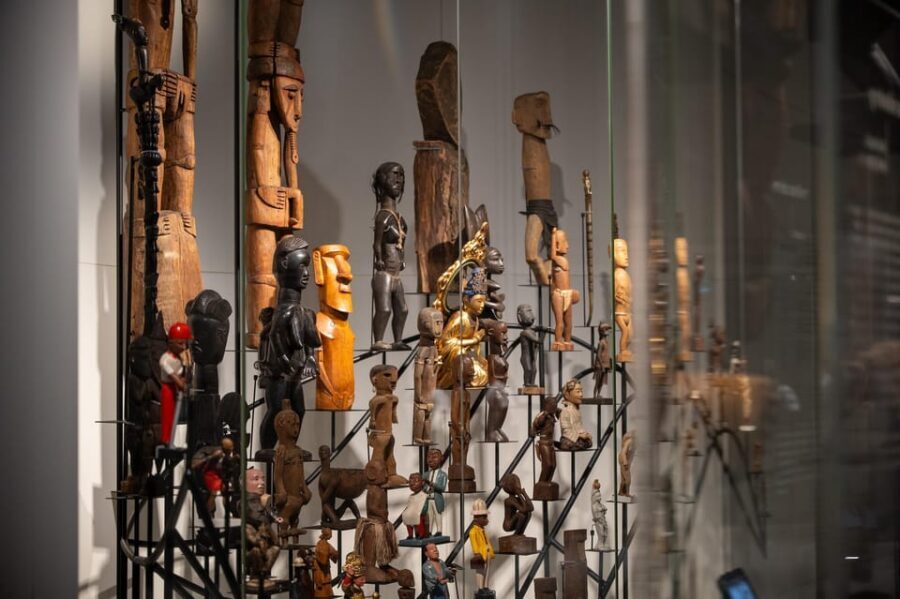
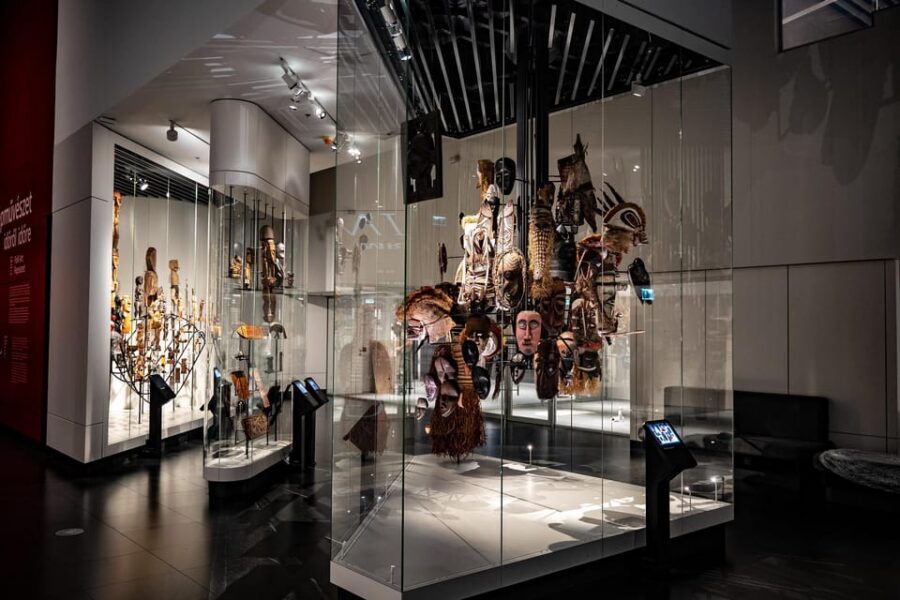
- 7,000 m² of exhibition space: permanent and temporary displays in protected lighting
- Five continents under one roof: ethnography that links Hungary to global communities
- Audioguide support: English or Hungarian, including guidance tied to ZOOM and Ceramics spaces
- Ethnoshop perk: 10% discount included with entry to all exhibitions
Entering Néprajzi Múzeum: what your visit starts with
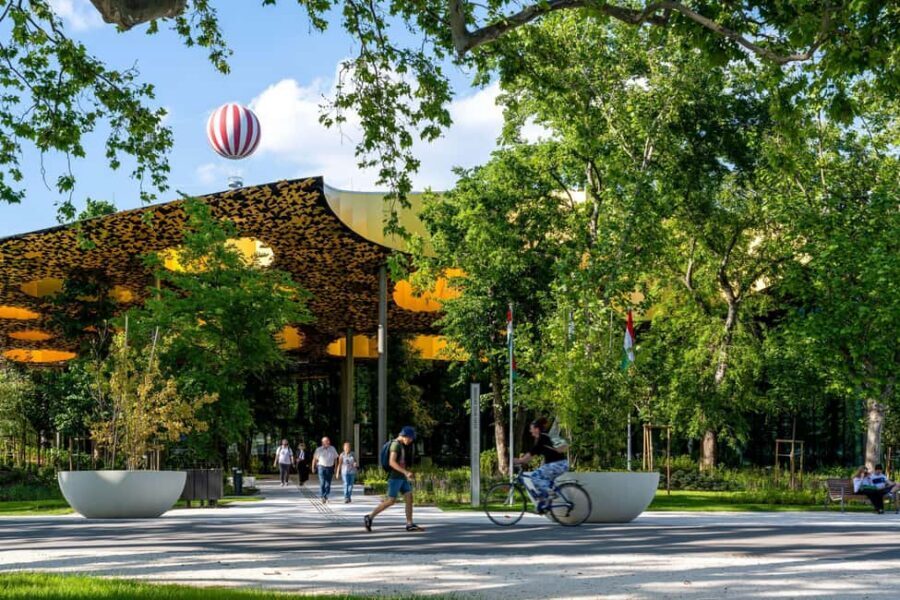
Your day begins at Néprajzi Múzeum, the Museum of Ethnography in Budapest. This is not a tiny specialist stop. The museum sits at the entrance to one of Budapest’s main parks, so it’s easy to turn your museum visit into a longer walk—especially if you’re timing your day around good light outside.
The museum is also older than you’d guess. It was founded in 1872, and it’s still one of the earliest specialized ethnographic museums in Europe. That matters, because it means the collection has had time to build depth, not just novelty. You’re not just seeing a one-off cultural exhibit; you’re stepping into an institution with a long research tradition.
Inside the museum’s new building, the approach feels modern: exhibition spaces are protected from natural light, which helps if you’re visiting in bright afternoon sun or you just hate glare. You also get the sense the museum is built for a full visit. Even if you only have one day, you’ll want a plan so you don’t get stuck wandering without direction.
You can also read our reviews of more tours and experiences in Budapest



Budapest from above: the rooftop garden payoff
The museum’s rooftop garden is one of those “yes, do this” moments. Ethnography can be fascinating, but it can also be head-down reading and close looking. The rooftop gives you a reset—fresh air and a real Budapest city view, right after you’ve spent time indoors.
This is a smart place to slow down for a few minutes. Look at the city first, then go back inside and connect what you’re seeing to the museum’s themes of daily life and local identity. The rooftop view also helps with timing. If you’re unsure how long you’ll spend on exhibitions, you can use the rooftop as your built-in checkpoint: once you’ve done it, you know you’re halfway or close to the finish.
If you’re visiting when the weather is good, I’d treat the rooftop garden as a non-negotiable stop rather than a bonus. Even if your focus is art or architecture, the perspective shift is worth the time.
7,000 m² of exhibitions: how to see it in one day
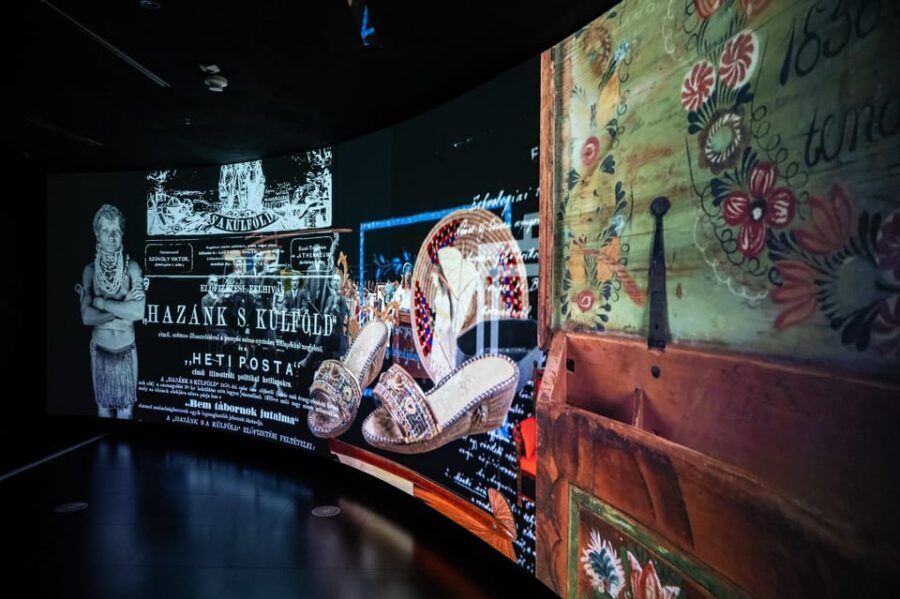
The ticket experience is built around exhibition access. The museum covers 7,000 square meters, with both permanent and temporary exhibitions. That’s a lot of space, so your biggest challenge won’t be finding something to see—it’ll be choosing the order that keeps your brain interested instead of exhausted.
Here’s a practical way to structure a one-day visit:
- Start with the permanent displays so you understand the museum’s core themes first.
- Then move into temporary exhibitions while you still feel oriented.
- Finish with the rooftop garden so you end with an experience that doesn’t require you to read labels the whole time.
The museum’s galleries are designed to reduce natural light, which makes it easier to spend time with objects and text without squinting. And because there are both permanent and temporary shows, you can tailor the visit. If you like “big picture” themes, you’ll spend more time in permanent galleries. If you prefer one focused theme, you can spend extra time where temporary exhibitions catch your attention.
One more tip: plan on your pace, not the clock. The museum has last admission one hour before closing time, so build in a cushion. If you arrive late, you might feel rushed in the final galleries. If you arrive earlier, you can move slower and get more from the stories behind the objects.
Five continents and a Hungarian lens: what you’re really learning
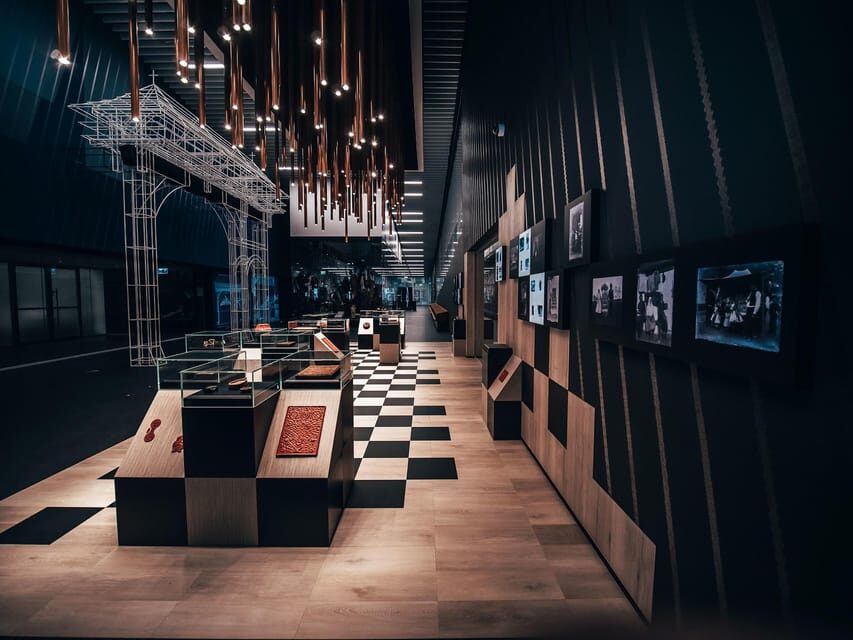
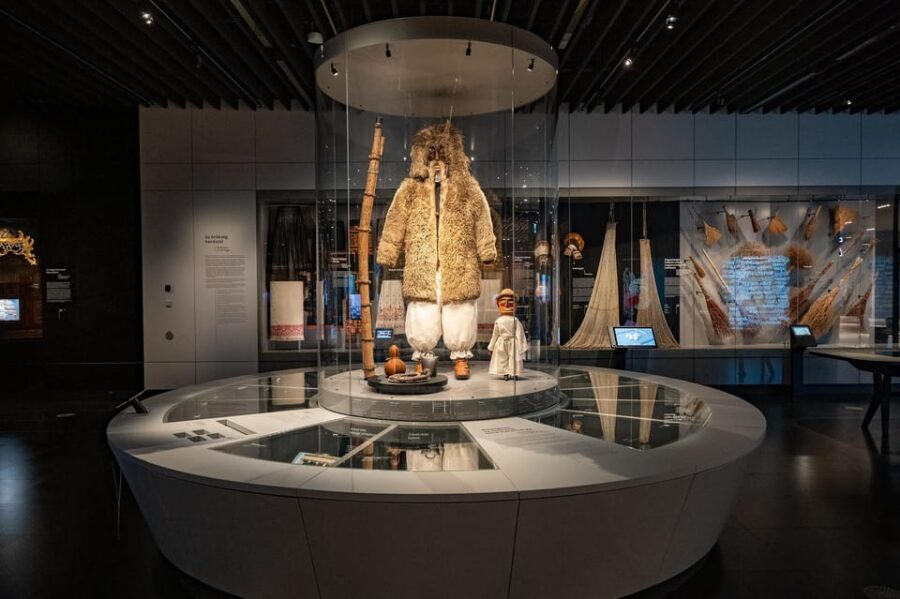
The museum’s central promise is cultural comparison. You’ll be walking through exhibitions that cover cultures from five continents, with a focus on shared human patterns: community life, belief systems, crafts, and the way traditions get preserved—or reshaped.
What I like about this approach is that it avoids the “tour guide facts only” feel. Instead, the museum leans into the idea that ethnography is research about people. You’re not just collecting impressions. You’re seeing how different societies document and transmit culture, and you can notice how objects and practices often carry meaning far beyond their materials.
You’ll also see Hungarian identity threaded through the bigger global view. The museum highlights Hungarian communities while placing them in a larger European and world context. That structure helps if you’re new to Budapest. It gives you a way to connect what you see outside—food, festivals, family life—with what you’re learning inside.
Another layer: the museum aims to collect and preserve intangible cultural heritage linked to ethnographic research. In plain terms, that’s the stuff that doesn’t live only in a building: customs, knowledge, and practices. Seeing how a museum tackles that kind of heritage can change how you look at everyday culture in your own travels.
Temporary exhibitions, research depth, and a useful reality check
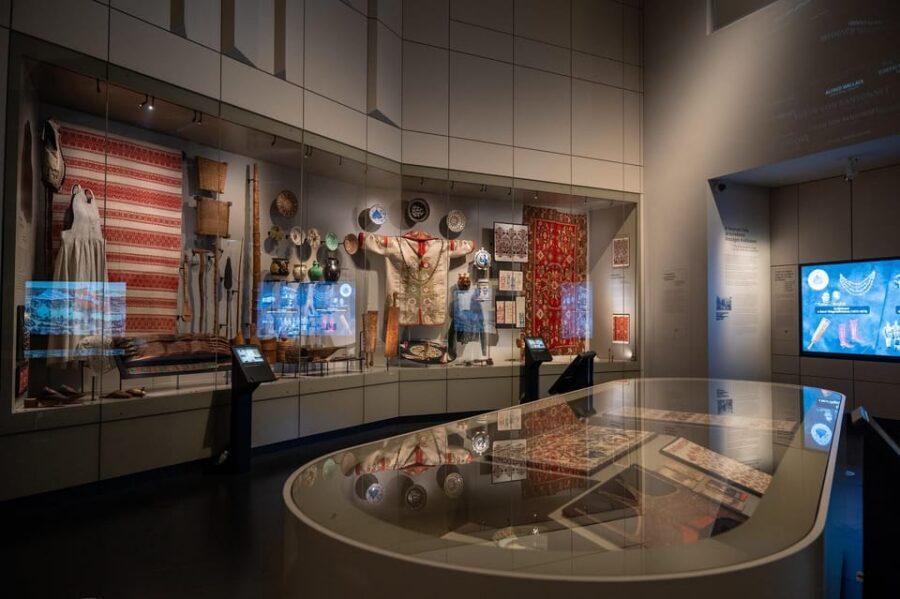
Temporary exhibitions can be a highlight because they add a sharper, more current angle. The museum also positions itself as a major center in Hungary for museological research and the renewal of ethnographic museology. Translation: this isn’t just a storage space for artifacts. It’s a place that thinks about how museums should present culture and why that presentation matters.
You might be lucky and catch a temporary show connected to a notable Hungarian figure. On one visit described through the experience, a temporary exhibition was dedicated to Herman Ottó, and it brought his work on birds and early Hungarian ethnography into the spotlight. The interesting part wasn’t only the subject matter—it was how that kind of scholarship connects to cultural documentation and how research shaped what later generations preserved.
Just keep a reality check in mind: temporary exhibitions change. So if you’re visiting at a specific time waiting for a specific theme, don’t rely on it. Use temporary exhibitions as a bonus layer that you enjoy if it lines up with your interests, while your permanent galleries handle the “core value.”
You can also read our reviews of more museum experiences in Budapest




Audio guide and Ethnoshop: small extras that add up
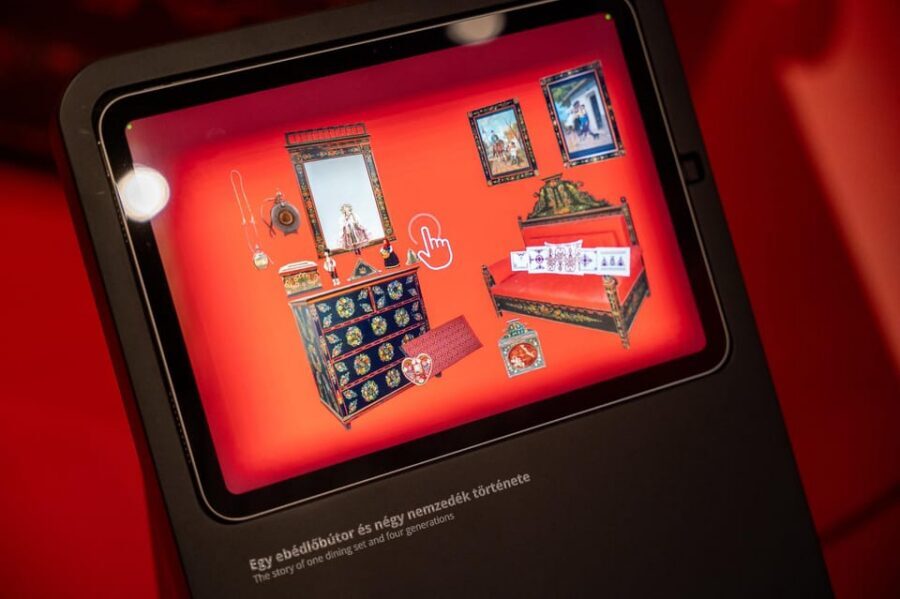
The museum visit includes options that make it easier to use your time well. Your ticket can include an audioguide, with English or Hungarian available. The audioguide is available in the Zoom and Ceramics spaces, so if you like explanations that help you interpret what you’re seeing, don’t skip those rooms.
This is one of those “small” inclusions that improves the experience if you’re the type who reads every label, but you’ll appreciate it even more if you want to move through without feeling lost. You’ll get cues for what to look at and how the museum is framing the material.
There’s also a practical perk: a 10% discount at the Ethnoshop included with entry for all exhibitions. If you like souvenirs that don’t feel like mass-produced postcards, this is a smart place to browse. Even if you don’t buy anything, it’s a nice way to turn your learning into a take-home reference.
Photography is allowed without flash, so you can document what you care about and revisit it later—especially useful for objects and display details you won’t fully absorb in a single pass.
Price and value: is $8 worth your time?
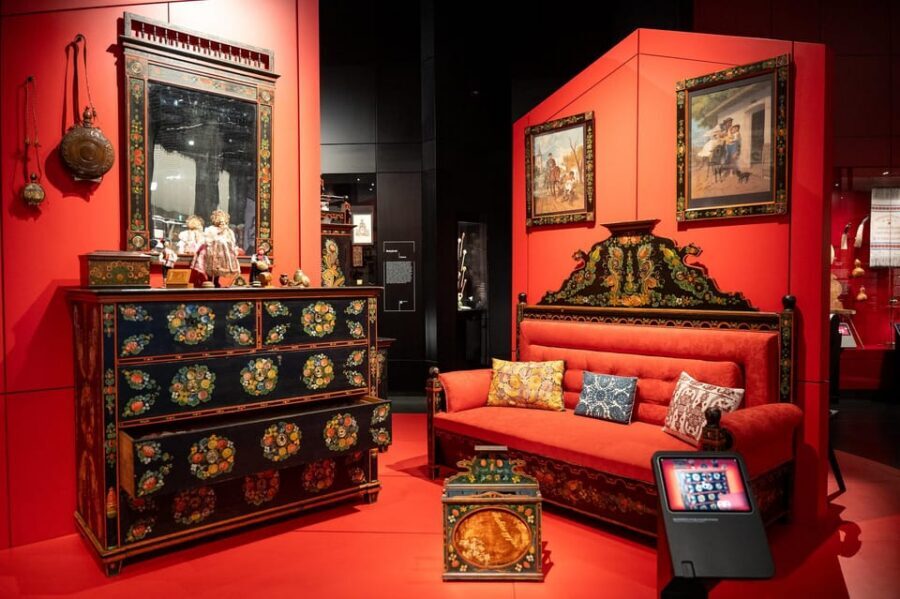
At around $8 per person, this is a good deal—mainly because you’re not paying for a short, narrow program. You’re paying for access to a large museum footprint, 7,000 m² of exhibitions, plus audioguide support (tied to specific areas) and a discount in the shop.
Here’s how I’d judge value for this ticket:
- If you like museums that connect culture to daily life and human stories, the price is fair-to-good.
- If you want a quick hit and you hate reading labels, you might feel the museum is “too much,” and you’ll need to choose only a few galleries.
- If you pick the wrong option (like a ZOOM-only entry), then the value drops fast because you’d miss other exhibition access.
So yes, it’s priced like a bargain. But the real question is whether you’ll use the museum like a museum—slow enough to learn, not just walk through. If you’ll do that, $8 feels like you got away with something.
Who should book this ticket (and who might skip)
This ticket fits best if you want something more thoughtful than the classic highlights. If you like museums about people, objects with stories, and culture that isn’t just staged for visitors, you’ll feel at home here.
It’s also a strong choice if you’re traveling with teens or you’re the family type who enjoys structured indoor time. And there’s a specific reason: the museum has a free permanent-exhibitions day tied to age and eligibility. If you’re in that group, you can stretch your budget further.
If you’re short on time, you can still make it work. Just don’t treat the visit as optional wandering. Choose a route: pick the permanent highlights, then add temporary exhibitions that fit your interests, then end on the rooftop garden.
Should you book this Museum of Ethnography ticket?
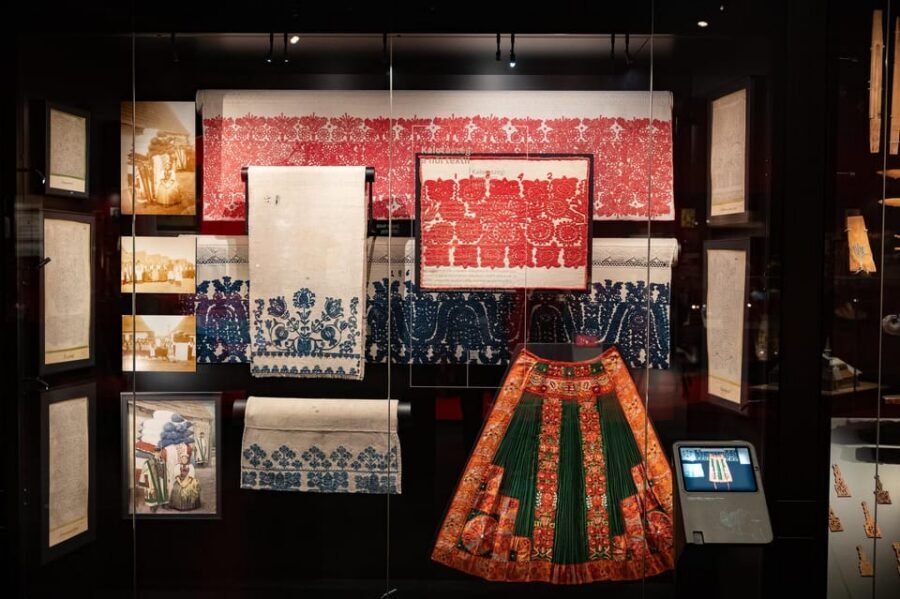
I’d book it if you want a meaningful Budapest museum day without paying big-city museum prices. The main reasons are simple: the museum is old-school important (founded in 1872), the building is built for real viewing with lighting control, and the rooftop garden gives you a clean, satisfying outdoor payoff.
I’d pause before booking only if you’re the type who needs a guided, timed itinerary to stay focused. This is an entry-ticket museum experience, so your results depend on how you plan your route.
If you do book, double-check that your entry includes all exhibitions (not just ZOOM). Once you get that right, you’ll likely spend a full, satisfying day linking Hungarian culture with broader global stories—then walking out with a view you won’t get from street level.
FAQ
Is the Museum of Ethnography open every day?
No. The museum is closed on Mondays.
What time should I plan my visit?
Last admission is one hour before closing time, so plan to arrive with enough time to finish the galleries you care about.
What exhibitions are included with this entry ticket?
The all-exhibitions option includes access to all permanent and temporary exhibitions, plus an audioguide available in the Zoom and Ceramics space. There is also a 10% discount at the museum’s Ethnoshop. A ZOOM option includes access only to the ZOOM – A Change in Perspectives permanent exhibition.
Are there any free days?
Yes. On the 3rd Saturday of each month, permanent exhibitions are free for Hungarian and other EEA nationals who meet specific age or accompanying requirements listed by the museum.
What languages are available for the audioguide?
English and Hungarian.
Can I take photos inside?
Yes. Photography is allowed without flash.