
REVIEW · BUDAPEST
Enjoy a Hungarian Strudel Class & Local Wine Tasting
Book on Viator →Operated by eatwith · Bookable on Viator
Flour, families, and great wine, all in two hours. This Budapest strudel class is led by Zita and designed for all cooking levels, with hands-on strudel making and a local white/rose wine tasting. You do real work, not just watch, and you get a home-kitchen feel fast—plus tips from the family about what to eat and see next.
The one thing to flag up front is gluten is the deal-breaker. Most other dietary needs can be handled if you tell the hosts at least 48 hours before, but if you avoid gluten, this won’t work for you.
In This Review
- Key things to know
- Why Hungarian Strudel Classes Feel Like a Real Budapest Home Moment
- Meeting at Pannónia u. and Starting on Time (Without Stress)
- The Hands-On Cooking Part: Making Savory and Sweet Strudels
- What you’ll actually make
- How the instruction tends to feel
- One caution: expect hands-on mess
- Fillings, Dough, and Timing: What Matters in the Kitchen
- Lunch Without the Lunch Rush: Snacks, Oven Time, and Family Table
- What if you’re dieting?
- Hungarian Wine Tasting: White and Rosé Pairing With Pastry
- Why the wine pairing is actually useful
- Price and Value: Why $126.66 Can Make Sense
- Logistics That Matter: Group Size, English, and Getting Help
- Who Should Book This Strudel and Wine Class
- Tips to Get the Most Out of Your 2 Hours
- Should You Book This Strudel and Wine Experience?
- FAQ
- How long is the Hungarian strudel class and wine tasting?
- What time does the class start in Budapest?
- Where do I meet the guide?
- Is the class offered in English?
- What group size should I expect?
- What food and drinks are included?
- Can the class accommodate dietary restrictions?
- Do I need to be of legal drinking age to have the wine?
- Is there a mobile ticket?
- What is the cancellation policy?
Key things to know
- Small group (max 12) means more hands-on help and a friendlier pace.
- All levels welcome, including if you’re nervous in the kitchen.
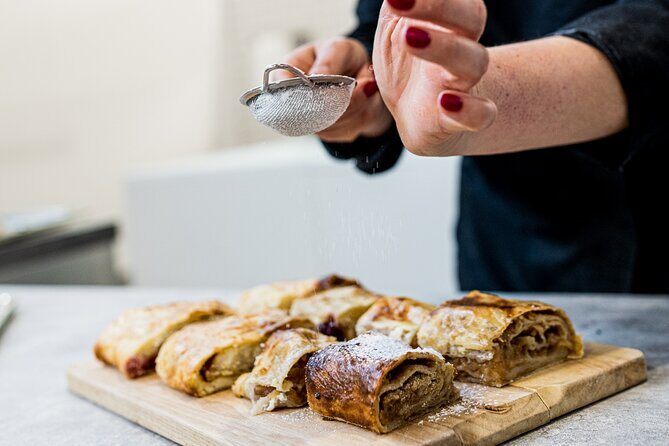
- You’ll make savory and sweet strudels with seasonal fillings like cottage cheese-sour cherry, poppy seed-zucchini, and apple-cinnamon.
- Lunch is included, so you can skip the mid-day food hunt.
- Alcohol is included as a tasting, but you must be of legal drinking age.
- You’ll also get city food-and-sight advice from the host family as part of the experience.
Why Hungarian Strudel Classes Feel Like a Real Budapest Home Moment
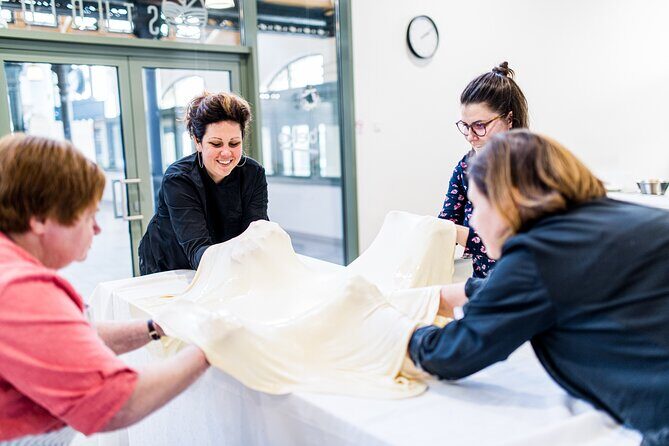
Budapest has plenty of food tours. This one is different because it runs like a family day. You’re not just learning recipes on paper—you’re learning technique, timing, and how to handle thin dough without panic.
I like that the class keeps things practical. You get guidance for stretching and shaping dough so it’s workable, not just pretty. And because the group is capped at a small 12 people, you’re more likely to get correction when you need it, not just encouragement when you’re already done.
The other big draw is the pairing: sweet and savory strudels with a local white/rose wine tasting. It turns what could be a short pastry workshop into a fuller Budapest flavor lesson. One of the nicest surprises in prior classes is how natural it feels to sit and chat with multiple generations in the host family—an experience that sticks in your memory because it’s normal life, not performance.
One drawback: it’s only about two hours. If you want a long sit-down meal with a full course timeline, this won’t stretch that way. But if you want high value per hour, it’s a good fit.
You can also read our reviews of more food & drink experiences in Budapest


Meeting at Pannónia u. and Starting on Time (Without Stress)
You meet at Pannónia Street, Pannónia u., 1136 Hungary at 10:00 am, and the activity ends back at the same meeting point. That round-trip setup is useful. You’re not stuck figuring out transport at the end while you’re hungry and your hands smell like pastry.
This start location is described as near public transportation, which matters in Budapest. The city’s transit is good, but the address-level details can be confusing if you show up late. If you’re arriving from somewhere else that morning, give yourself a little cushion, because you’ll want to settle in and get to work.
Also, you’ll use a mobile ticket, which is handy once you’re in transit mode. Bring the ticket up on your phone so you can get checked in quickly and get seated.
The Hands-On Cooking Part: Making Savory and Sweet Strudels
This is a true cooking class. You’ll work with dough and fillings, and you’ll learn technique step by step. It’s designed to be approachable for all levels—even if you’ve never stretched dough before.
What you’ll actually make
You’ll create a mix of savory and sweet strudels, using seasonal fillings such as:
- Cottage cheese with sour cherry
- Poppy seed with zucchini
- Apple with cinnamon
In real terms, this variety helps you understand Hungarian strudel logic rather than memorizing one recipe. You’ll see how flavor changes when the filling goes sweet, when it goes savory, and how dough handling changes depending on moisture and texture.
How the instruction tends to feel
In past sessions, the teaching style described is warm and very practical. One instructor, Palma, is specifically mentioned as making the process accessible when people felt intimidated. That’s exactly what you want here: a teacher who can explain the why, not just the how.
In other words, you’ll learn that strudel making takes skill—but not the kind you either have or you don’t. The class approach is more like, you do it once, you get corrected, and the second batch gets easier.
You can also read our reviews of more wine tours in Budapest





One caution: expect hands-on mess
You should expect to get flour on your hands and work surface. That’s normal. Wear clothes you don’t mind getting pastry-stained, and keep a small hand towel or napkins handy if you’re the type who hates the sticky feeling.
Fillings, Dough, and Timing: What Matters in the Kitchen
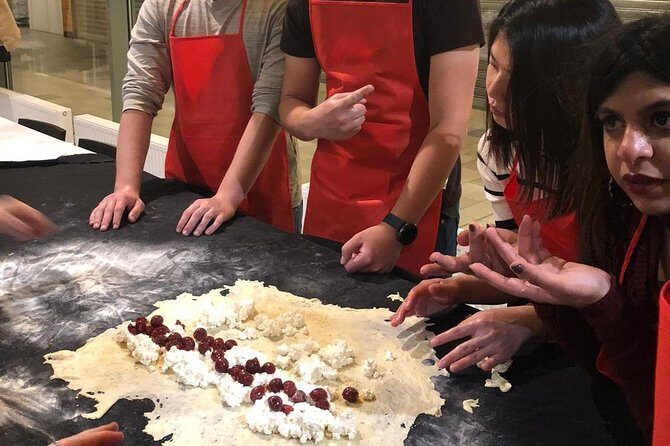
Strudel isn’t just a dessert or a savory snack. It’s technique. The key is getting the dough thin enough while keeping it strong enough to hold filling.
This class leans into that. You’re not just assembling; you’re practicing method. And because you’re doing multiple strudels, you’ll feel the learning curve instead of hearing theory and leaving with a vague sense of mastery.
Here’s what I’d watch for as you cook:
- Moisture control: Sweet fillings and savory fillings behave differently. If a filling is too wet, it can make dough harder to handle.
- Even thickness: Thin spots can tear; thick spots can stay doughy. Your instructor will likely guide you toward the balance.
- Confidence in shaping: You’ll get coaching on how to fold and form without losing the shape.
If you’re the kind of person who wants everything to be perfect, you’ll still have fun—but you’ll also learn that strudel is forgiving in the way home cooking should be. The goal is understanding, not chasing perfection.
Lunch Without the Lunch Rush: Snacks, Oven Time, and Family Table
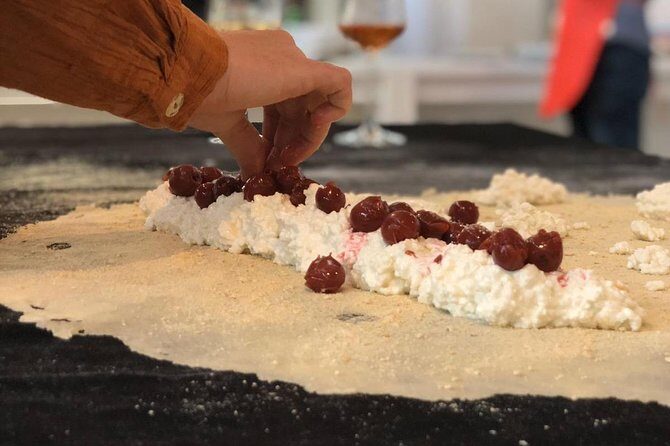
One of the most practical benefits is that you do not need to buy lunch. Lunch is included while the strudels bake, so you can plan your day around the class instead of squeezing in another stop.
There’s also a starter component: snacks while the strudel is in the oven. In one session, wine and cheeses were mentioned as part of the tasting period before the strudels were fully enjoyed. Even if that part varies slightly by group flow, the idea is consistent: you don’t wait around hungry.
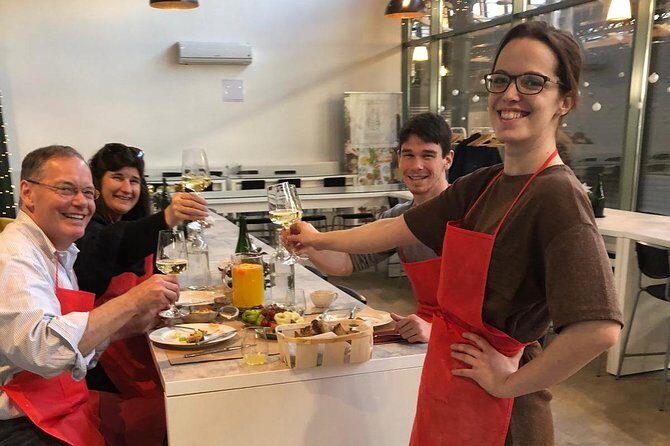
The kitchen-to-table moment is one of the reasons this class lands well. In descriptions of prior experiences, people talk about sitting down in the family’s home and chatting like you’re a guest, not a customer. You also get tips from the host about what to see and eat in Budapest—useful advice, not generic postcard stuff.
What if you’re dieting?
You can request most special diets except gluten. Hosts ask that you communicate needs like allergies or special dietary requirements at least 48 hours in advance. Do it early. It’s the difference between a smooth plan and a last-minute scramble.
And yes, there’s a clear line: gluten can’t be accommodated because it’s a key ingredient for strudel dough. If gluten-free is a must, skip this one.
Hungarian Wine Tasting: White and Rosé Pairing With Pastry
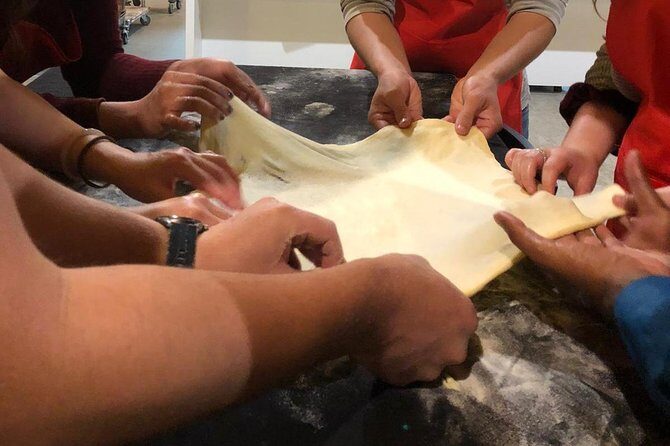
After the cooking comes the drinking. You’ll have Hungarian white/rose wine tasting as part of the class experience, alongside still water and Nespresso coffee.
Alcohol is served only if you’re of legal drinking age. That’s standard, but it’s still worth noting if you’re traveling with younger adults or if you prefer to keep it non-alcoholic.
Why the wine pairing is actually useful
A tasting doesn’t just feel nice. It helps you connect flavors. You’ll taste the wine while the strudels are fresh and warm, so you can notice what complements:
- sweet fillings with fruity notes
- savory strudels with something crisp or lightly textured
It also keeps the class from being only about dessert. The savory element matters, and the wine helps anchor the whole spread.
Price and Value: Why $126.66 Can Make Sense
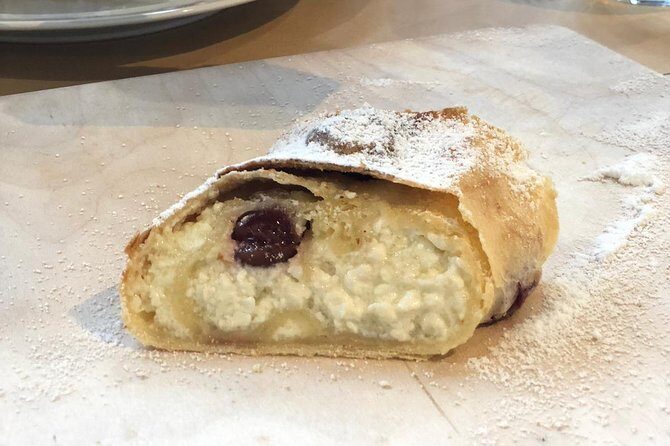
At $126.66 per person, you might wonder if a two-hour class is worth it. Here’s how it pencils out in real-world terms.
You’re paying for:
- a small-group cooking lesson with hands-on instruction
- multiple strudels with different fillings (not one roll-and-go pastry)
- snacks during baking
- lunch included in the class timing
- coffee, still water
- a Hungarian wine tasting
If you tried to recreate this alone, you’d spend money on ingredients, baking tools, and—most importantly—time with skilled coaching. Buying lunch separately would also erase some of the savings. The big value play is that lunch and tasting are bundled, so your time and money both feel used.
Also, the group size stays small. That tends to improve the quality of instruction, especially for technique-heavy tasks like strudel dough.
Logistics That Matter: Group Size, English, and Getting Help
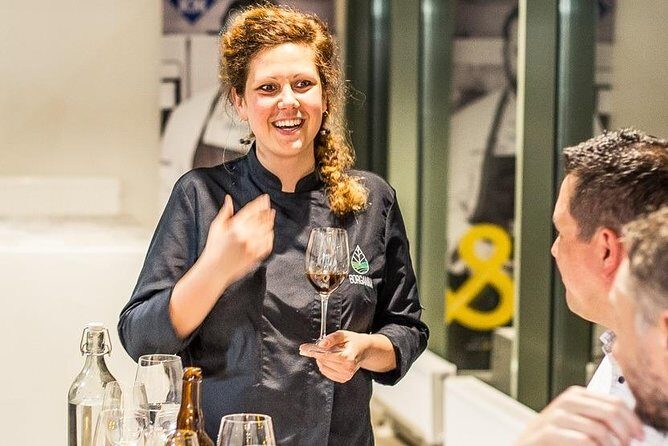
This class is offered in English, and it’s described as easy to meet the guide at a centrally located spot. That’s a big deal when you’re in Budapest for only a few days. You don’t want to burn time tracking down a hard-to-find address while everyone else is already cooking.
The max group size is 12 travelers, which keeps the class from turning into a wave of people rotating through one station. In a hands-on workshop, fewer people usually means:
- faster feedback
- clearer demonstrations
- more time for questions
You’ll also get confirmation at booking, and you’ll use a mobile ticket the day of the class. No complicated paperwork vibes.
Who Should Book This Strudel and Wine Class
This is a great choice if you want:
- a morning or late breakfast-style plan that turns into lunch
- hands-on cooking without needing advanced skills
- a small-group experience that feels social, not crowded
- Hungarian food culture through technique and family table conversation
It’s especially good for couples, friends, and small groups who like food and want something more memorable than a museum stop.
Where it may not fit:
- If you need a gluten-free experience, this won’t work due to ingredient requirements.
- If you want an all-day culinary deep immersion, the time here is limited.
The best part is that the class doesn’t pretend you’re a pastry expert on arrival. It treats you like a person who can learn in real time.
Tips to Get the Most Out of Your 2 Hours
If you want this to go smoothly, do a few simple things.
Dress smart:
- wear comfortable clothes that can handle flour
- consider closed-toe shoes for kitchen time
Communicate early:
- if you have allergies or dietary needs, send them at least 48 hours in advance
- remember: gluten is not included, so plan accordingly
Plan your day:
- because you’ll have lunch included, try not to schedule a heavy meal right before class
- keep your next activity later in the day with some buffer, since you’ll likely leave with a warm satisfied feeling
If you’re nervous:
- that’s normal. Strudel has a reputation.
- lean into the guidance. You don’t need perfection; you need practice.
Should You Book This Strudel and Wine Experience?
If you like food, you should book this. The value is strong because you’re not paying only for a recipe—you’re paying for coaching, lunch, and a local tasting in one compact morning window. The small group size also helps you get real guidance instead of being a spectator.
Just be honest about one thing: gluten-friendly needs can’t be met. If that’s you, don’t waste time or money. If it isn’t, this is a fun, skill-building Budapest experience that also gives you an easy way to learn what to eat and where to go next, straight from a host family who actually knows the city.
FAQ
How long is the Hungarian strudel class and wine tasting?
It lasts about 2 hours.
What time does the class start in Budapest?
The start time is 10:00 am.
Where do I meet the guide?
You meet at Pannónia Street, Pannónia u., 1136 Hungary.
Is the class offered in English?
Yes, it is offered in English.
What group size should I expect?
The class has a maximum of 12 travelers.
What food and drinks are included?
You’ll make savory and sweet strudels, have starter snacks while the strudels are in the oven, enjoy lunch included with the class, and get a Hungarian white/rose wine tasting plus still water and Nespresso coffee.
Can the class accommodate dietary restrictions?
Most special dietary requests can be accommodated except for gluten, since gluten is a key ingredient. You need to communicate dietary requests at least 48 hours in advance.
Do I need to be of legal drinking age to have the wine?
Yes. Guests must be of legal drinking age to be served alcohol.
Is there a mobile ticket?
Yes, the tour includes a mobile ticket.
What is the cancellation policy?
Free cancellation is available. You can cancel up to 24 hours in advance for a full refund, and changes made less than 24 hours before the start time aren’t accepted. If the minimum number of travelers isn’t met, you’ll be offered another date/experience or a full refund.