REVIEW · BUDAPEST
Hungarian Cooking Class with Iconic Dishes
Book on GetYourGuide →Operated by Cooking Hungary - Culinary Experiences · Bookable on GetYourGuide
Hungarian food tastes better when you make it. This small-group class in central Budapest turns classic comfort dishes into a practical cooking session with stories about everyday life and traditions. You’ll be cooking in a cozy studio apartment setting, starting and ending at Flavors of Budapest on Király u., not a noisy tour-factory kitchen.
I like that the experience is genuinely hands-on. You’re not just watching while someone else works; you’re cooking your dish, tasting Hungarian bites during the session, and taking home all recipes and useful kitchen tips to repeat it for family or friends.
The main thing to consider is focus: you cook one iconic dish from the four menu options. If you’re hoping to taste everything, you’ll want to plan your choice carefully before you go.
In This Review
- Key things that make this class worth your evening
- Central Budapest in a Studio Apartment Setting (Not a Tourist Kitchen)
- What You’ll Cook: Goulash, Paprikash, Stuffed Cabbage, or Hortobágy Crêpe
- The 2.5-Hour Session That Teaches You, Then Lets You Sit and Eat
- The Chef’s Approach: Stories, Tradition, and Real Comfort Food
- Hungarian Bites and Drinks: Wine, Homemade Soft Drinks, and Mineral Water
- Where the Value Really Comes From (Price, Small Group, and What’s Included)
- Who This Cooking Class Is Perfect For (And Who Might Skip It)
- Should You Book This Hungarian Cooking Class in Budapest?
- FAQ
- How long is the Hungarian cooking class?
- What dishes can I choose to cook?
- Is this class a small group?
- What’s included with the price?
- Can the class accommodate dietary needs?
- Where do I meet for the class?
Key things that make this class worth your evening
- Choose from four iconic dishes: goulash soup, chicken paprikash with small dumplings, stuffed cabbage, or Hortobágy-style meat crêpe
- Small group limit (8 participants) keeps the teaching personal and the kitchen calm
- A cozy studio apartment in central Budapest gives you a more local-feeling setting than a standard tourist space
- Drinks built into the experience: wine plus homemade soft drinks, alongside mineral water
- Take-home recipes and kitchen tips so you can cook again, not just eat once
- Culture through stories, including Hungarian customs and history
Central Budapest in a Studio Apartment Setting (Not a Tourist Kitchen)
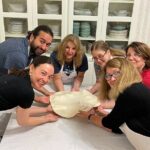
This class is built for people who like their travel experiences to feel human-sized. The group is limited to 8 participants, which matters because a cooking class isn’t just about eating. It’s about getting enough attention to do things right, from timing to technique to what to do when something smells off in the pot. A small group also helps the room feel like a proper workshop instead of a line for photos.
The cooking happens in a cozy studio apartment in the centre of Budapest. The meeting point is Flavors of Budapest, Király u. 77, 1077 Hungary, and you return there at the end. You’re basically turning one evening into a mini home-kitchen lesson in the middle of the city.
In one of the strongest signals you’ll see from the experience info and feedback: this is not staged like a big commercial show. Even though it’s an apartment setting, the class is run in a way that stays legal and practical, and the space is described as stylish and quiet. That’s a big deal if you’ve had enough of crowded, scripted “tourist kitchens” where the hosts race through everything and you leave with zero real confidence.
Practical note: because it’s a studio apartment, it helps to come ready to roll up sleeves, stand close, and work in a compact kitchen zone. If you prefer wide open restaurant layouts and lots of personal space, you might find the apartment feel a bit snug.
You can also read our reviews of more cooking classes in Budapest



What You’ll Cook: Goulash, Paprikash, Stuffed Cabbage, or Hortobágy Crêpe
This is a choose-one menu situation, and that’s actually a good way to keep the class focused. You pick one dish out of four options, and you’ll cook it from scratch with ingredients and tools provided.
Your menu choices are:
- Goulash soup (beef, celery)
- Chicken paprikash with small dumplings (dairy, egg, flour)
- Stuffed cabbage (pork, dairy, egg)
- Savoury meat crêpe – Hortobágy style (dairy, egg, flour)
Why this works for most people: each dish represents a different side of Hungarian cooking. Goulash leans into a hearty soup bowl comfort. Chicken paprikash plus small dumplings is the one if you like the idea of sauce-and-carbs together. Stuffed cabbage is old-school, filling, and satisfying, with a more involved feel. The Hortobágy-style meat crêpe gives you a chance to learn how a different format of comfort food fits into Hungarian flavors.
Dietary needs are addressed directly. If you’re vegetarian, you can ask. If you have dietary restrictions like gluten-free, lactose-free, or nut allergies, you can also request adjustments. That’s important because Hungarian classics often include dairy and wheat-based elements, so having the option to work around them can turn a “maybe” into a yes.
One more detail worth paying attention to: you’re not choosing a random dish. These are the iconic names you’d expect if you’re trying to understand Hungarian food, not just try Hungarian food.
The 2.5-Hour Session That Teaches You, Then Lets You Sit and Eat
The class runs about 2.5 hours. Exact starting times vary, but the structure stays the same: hands-on cooking plus built-in eating and drinking. The goal isn’t to feed you fast and send you out. It’s to guide you through cooking, then let you enjoy what you made.
Here’s what the experience includes during that time:
- You cook one selected Hungarian dish.
- You get cooking practice and “tricks” and tips from the chef.
- You eat Hungarian bites during the session.
- You enjoy drinks while you work.
That “while you work” part matters more than people think. When your class includes bites and drinks during cooking, you’re not stuck hungry and waiting for the end. You also get a more natural rhythm, like you would at a home gathering: cook, taste, adjust, talk, then eat.
You should also expect stories. This is one of the defining characteristics of the evening: the chef shares stories about Hungarian customs, culture, and history while you cook. In a couple of accounts, the host is described as warm and welcoming, with the feeling of being treated like an old friend rather than a paying customer. That tone often changes how much you remember, because you’re not just absorbing facts. You’re connecting food to people and place.
And yes, the recipe handoff matters. You’ll receive take-home recipes along with useful kitchen tips, which is what turns this from a fun dinner into something that can improve your next home-cooked meal.
The Chef’s Approach: Stories, Tradition, and Real Comfort Food
The cooking is led by a professional local chef connected with Hungarian food traditions. One of the most praised parts of the experience is the host style: welcoming, talkative, and clearly passionate about what she cooks and why it matters.
A detail that stands out from feedback: the chef is described as using recipes connected to family heritage, including recipes drawn from a husband’s grandmother’s books, with the added note that the grandmother was still alive to teach and guide. Even if you don’t care about genealogy, this kind of background tends to show up in the final results. It’s usually why the food lands as “home-style” instead of “restaurant copy.”
Another recurring element is the breadth of the conversation. You’re not only hearing about the dish in front of you. You’re also getting context about Hungarian life and culture, including references to Hungarian history and Jewish community traditions. That mix makes the evening feel more like cultural exchange than a narrow cooking demo.
Also, pay attention to how the host handles drink knowledge. In feedback, the chef is described as having deep familiarity with wine from growing up in a wine region. That kind of practical background helps the wine portion feel intentional instead of generic. If you enjoy understanding what you’re drinking, you’ll likely appreciate this angle.
Hungarian Bites and Drinks: Wine, Homemade Soft Drinks, and Mineral Water
Food classes often under-plan the drink and tasting parts. This one doesn’t. You’ll be served:
- wine (white and/or red)
- mineral water (still and/or sparkling)
- two types of homemade soft drinks
You also get Hungarian bites during the session, and the experience includes a farmer’s plate. That combination means you’re not waiting until the end to start enjoying the table. You’ll have food in the mix while you cook, which helps you stay engaged and feel like you’re part of a meal rather than a workshop.
The homemade soft drinks are mentioned with extra emphasis in feedback, and that’s worth noting. Homemade non-alcoholic drinks can be a pleasant surprise when they’re genuinely prepared for the group, not poured from a bottle and forgotten. Pair that with wine knowledge from the chef, and you get an evening where the drinks have a story, not just a role.
If you’re trying to keep things light, you can lean on the mineral water and soft drinks. The menu includes non-alcoholic options, so you don’t feel pressured to drink wine to participate fully.
You can also read our reviews of more tours and experiences in Budapest





Where the Value Really Comes From (Price, Small Group, and What’s Included)
At $102 per person, this class sits in the “you’re paying for the experience” tier. The question is whether you get enough to justify it. In this case, you do, because the price covers a lot more than a meal.
What’s included:
- a single iconic dish (one option chosen from four)
- all ingredients
- kitchen tools and equipment
- Hungarian bites and the farmer’s plate
- drinks: wine, homemade soft drinks, mineral water
- cultural stories and cooking tips
- take-home recipes and useful kitchen tips
- a cozy studio apartment setup in central Budapest
- small group format (limited to 8)
Value isn’t just “cheap.” Value is when you leave with more than you came for. Here, you get:
1) a cooked dish you can recreate
2) a stack of practical notes in the form of recipes and kitchen tips
3) a stronger sense of Hungary through culture and food stories
That’s why it can feel worth it even if you’re used to eating out. You’re not only buying dinner. You’re buying a skill transfer plus a local-host evening.
The one drawback to value is the one-dish focus. You’ll leave satisfied, but you won’t come home with a sampler platter of every major Hungarian classic. If you love variety, pick the dish you’re most curious about and commit.
Who This Cooking Class Is Perfect For (And Who Might Skip It)
This is a great fit if you:
- want a small group cooking experience, not a big bus-and-bite format
- prefer learning by doing, with ingredient prep and hands-on cooking
- enjoy when food includes context, like customs and history woven into conversation
- want something central in Budapest that feels more local than a standard tourist stop
- care about bringing recipes home, not just taking photos
It may not be your best choice if you:
- want to sample multiple main dishes in one night
- prefer ultra-spacious venues where you don’t work close to others in a compact apartment kitchen
- plan to skip any taste-and-drink pairing, since the session is designed to include bites and beverages during cooking
For dietary needs, it’s a strong option to ask ahead about adjustments. The experience explicitly mentions vegetarian and requests for gluten-free, lactose-free, and nut allergy accommodation. That’s usually the difference between “sounds fun” and “I can actually enjoy it.”
Should You Book This Hungarian Cooking Class in Budapest?
If you like the idea of learning Hungarian classics in a calm, small-group format, I think this is an easy yes. The combination of hands-on cooking, a pro chef’s guidance, and take-home recipes is what turns the evening into something useful. Add in Hungarian bites, wine, and homemade soft drinks, and you get a full night out without feeling like you paid for only a meal.
Book it if you’re ready to choose between goulash, chicken paprikash with small dumplings, stuffed cabbage, or Hortobágy-style meat crêpe and cook that dish well. Skip it only if your priority is tasting many different Hungarian specialties in one sitting.
FAQ
How long is the Hungarian cooking class?
The experience lasts about 2.5 hours. Starting times vary, so you’ll want to check availability for the schedule.
What dishes can I choose to cook?
You can choose one of four options: goulash soup (beef, celery), chicken paprikash with small dumplings, stuffed cabbage (pork, dairy, egg), or a savoury meat crêpe in the Hortobágy style.
Is this class a small group?
Yes. It’s limited to 8 participants, and it’s run in a cozy studio apartment setting in central Budapest.
What’s included with the price?
You’ll get the cooking experience for one dish, Hungarian bites and a farmer’s plate, drinks (wine, homemade soft drinks, mineral water), all ingredients and kitchen tools, and take-home recipes plus useful kitchen tips.
Can the class accommodate dietary needs?
Yes, you can request vegetarian options and also ask for gluten-free, lactose-free, or nut allergy adjustments.
Where do I meet for the class?
You meet at Flavors of Budapest, Király u. 77, 1077 Hungary, and the experience ends back at the meeting point.