REVIEW · BUDAPEST
Hungarian Cooking and optional Local Market Tour
Book on Viator →Operated by Chefparade Cooking School · Bookable on Viator
Budapest has a way of turning food into a full-on experience. In this 4-hour class, you cook a three-course Hungarian menu from scratch and eat what you make, with wine and a small palinka tasting. If you add the optional market walk, you’ll also get guided shopping-time for local ingredients and the kind of market atmosphere you can’t replicate later.
I especially like the hands-on pace and the small group size (max 15), which means you actually get attention from the instructor instead of watching from the sidelines. The other big win is the market focus if you book it, including sampling local flavors and learning what’s worth buying. One consideration: the market portion can feel time-tight, and in at least one case the optional add-on wasn’t handled smoothly, so double-check that your market tour is confirmed.
In This Review
- Key highlights you’ll care about
- How the class flows: what you’re paying for
- Central Market Hall and Páva Street: the ingredient hunt (with optional shopping time)
- The three-course Hungarian menu: what you’ll cook and why it matters
- Goulash soup (starter)
- Chicken paprikash with nokedli/spätzle (main)
- Mushroom paprikash (main)
- Apple strudel (dessert)
- Stop expectations: what happens at Páva Street vs. Central Market Hall
- Your instructor: small group attention, clear English, and real technique
- Wine, palinka, beer, and that end-of-meal Hungarian finish
- Getting to the cooking school without stress
- Price and value: why this can beat a restaurant meal
- Who should book (and who should skip)
- Should you book this Hungarian Cooking and Market experience?
- FAQ
- How long is the Hungarian cooking experience?
- What does the price include?
- What dishes will I cook?
- Is the local market tour included or optional?
- Can I request a vegetarian menu?
- Are there dietary options for allergies or religious restrictions?
- Where do I meet, and where does the activity end?
- Is free cancellation available?
- What group size should I expect?
Key highlights you’ll care about
- Three-course cooking in 3–4 hours, with a full sit-down meal at the end
- Optional local market tour focused on how Hungarians shop and snack
- Small group size (up to 15) for more instructor attention
- Central Market Hall as a starting point, plus a stop around Páva Street
- Hungarian drinks included, typically wine/beer with a palinka moment
- Recipe handouts so you can cook again at home
How the class flows: what you’re paying for
This isn’t a demo. It’s a working cooking class where you make multiple dishes yourself, then eat them as a proper lunch. The whole session runs about 4 hours, which is a smart length for visitors: long enough to learn real technique, short enough that you’re not dragging the rest of your day around.
The menu centers on classic Hungarian comfort food, built around paprika-forward flavors and starches that soak up sauce. You’ll also get drinks while you cook, and there’s even a small palinka tasting, which is exactly the kind of local detail that makes the meal feel like Hungary, not just food-with-a-background.
Price-wise, $126.98 per person can feel like a splurge until you break down what’s included: a three-course meal made by you (not just served), ingredient-focused guidance if you choose the market tour, plus alcohol tastings. For many people, it works out as better value than paying for a restaurant meal plus a separate food experience.
You can also read our reviews of more shopping tours in Budapest

Central Market Hall and Páva Street: the ingredient hunt (with optional shopping time)
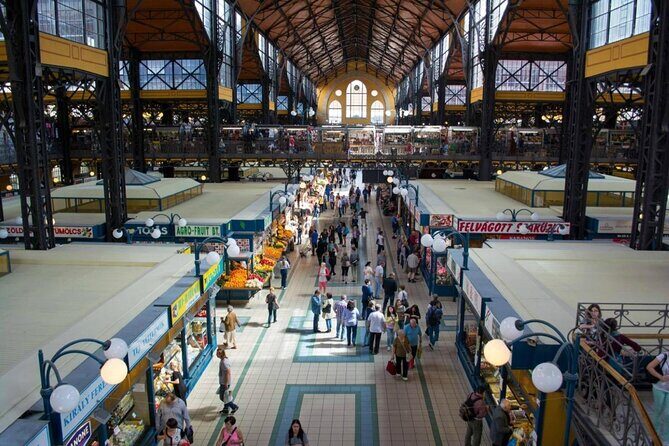
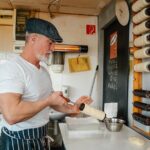
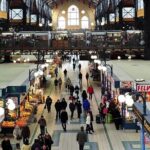
The optional Market Tour is the difference between learning recipes and understanding the ingredients behind them. Instead of rushing straight into the cooking school, you get guided market-walking at Central Market Hall and time in the surrounding Páva Street area as part of the route.
In practical terms, this is where you’ll learn what to buy and why. Multiple instructors are praised for explaining which produce and pantry items taste better in Hungary than the versions you’re used to at home. One review specifically called out the difference you can smell in Hungarian peppers, and another highlighted how the guide helped people notice quality differences across cheese, meats, pastries, and other staples you’ll later see reflected in your cooking.
If your travel style includes food markets as a major activity, this add-on is worth your attention. If you’re the type who wants a lot of free time to browse and compare prices, you should know the market portion is guided and time-managed. That’s great for clarity, but it can feel rushed if you’re hoping to do heavy shopping.
The three-course Hungarian menu: what you’ll cook and why it matters
Your class is built around a classic set of dishes. The specific menu you prepare typically includes:
Goulash soup (starter)
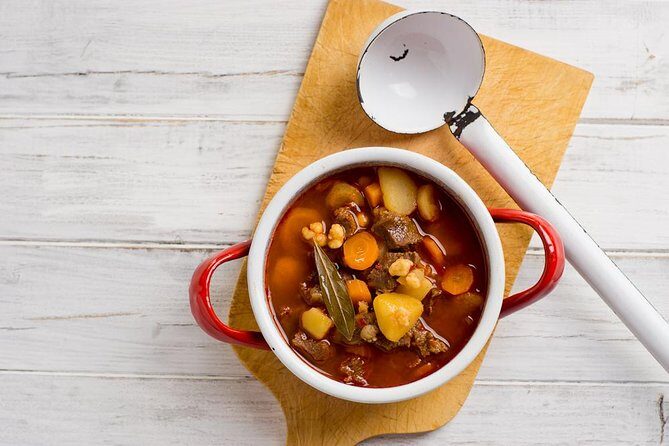
You start with goulash soup, a hearty beef-and-vegetable bowl that sets the tone for what Hungarian cooking does best: bold paprika flavor plus long-simmered comfort. Expect a soup that feels substantial even before the mains arrive.
Chicken paprikash with nokedli/spätzle (main)
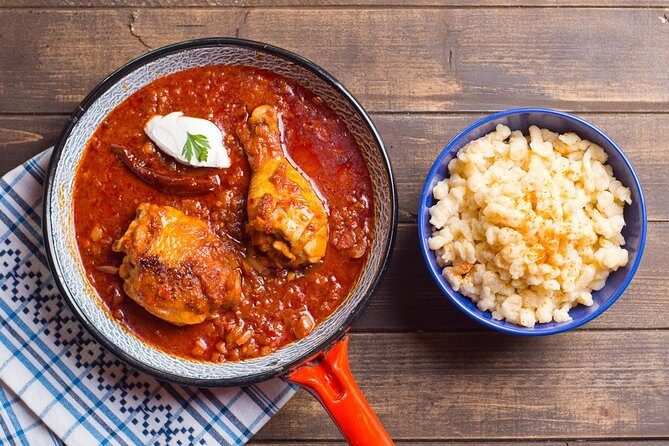
The best-known Hungarian dish here is chicken paprikash, usually paired with nokedli or fresh-made spätzle (the class uses fresh pasta-style dumplings). Several reviews mention close attention to technique and stirring/turning so the sauce and chicken come out right.
Why this is valuable for you: it’s one thing to eat paprikash at a restaurant. It’s another to understand how the sauce consistency is built and how the dumplings should fit the dish. If you’ve ever tried making it at home and wondered why your version tasted flatter, this is the step-by-step fix.
You can also read our reviews of more tours and experiences in Budapest

Mushroom paprikash (main)
After the chicken, there’s also a mushroom paprikash option. It keeps the same comfort-sauce idea but swaps in mushrooms for that earthy, slow-cooked feel. This dish also reinforces the paprika-and-cream balance that Hungarian cooking does so well.
Apple strudel (dessert)
To close, you’ll make apple strudel with thin phyllo pastry and an apple-cinnamon filling. Strudel is a dessert where technique matters, especially around dough handling and filling moisture. One review noted being able to take extra strudel home, which is a very real bonus if you’re going to enjoy your work again later.
A small note on variety: while your class menu is centered on goulash, paprikash, and strudel, some groups reported additional Hungarian dishes showing up in similar cooking sessions (for example, a potato soup course or palacsinta). If you’re choosing this for a specific dish, plan around the core items above.
Stop expectations: what happens at Páva Street vs. Central Market Hall
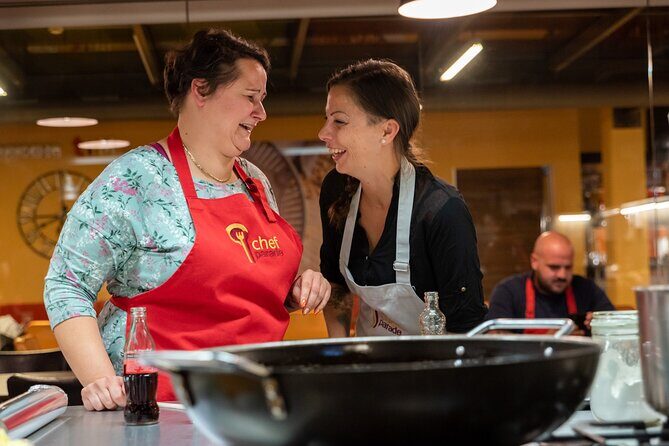
You’ll be guided through two food-focused areas as part of the overall program: Páva Street and Central Market Hall. Think of these as two chapters of the same story.
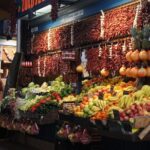
Central Market Hall is where the lesson about ingredients becomes visible. It’s the place for produce, meats, cheese, and pastries you’ll recognize later in the menu you cook. Páva Street fits the idea of Hungarian “market life” beyond just one indoor hall. Together, these stops help you connect what you’re tasting with what you’ll be chopping, cooking, and serving in the kitchen.
The one practical thing to keep in mind: the class is scheduled tightly, and walking time matters. Wear comfortable shoes, especially if you’re combining the market tour with the cooking portion.
Your instructor: small group attention, clear English, and real technique
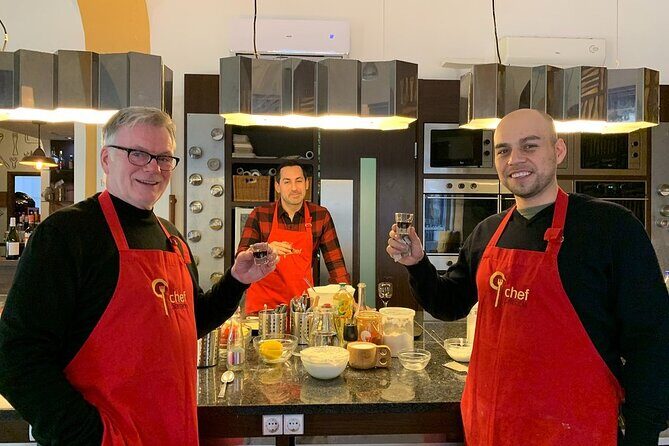
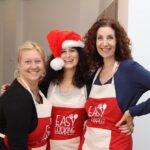
This class works partly because the teaching is structured and patient. Reviews repeatedly praise instructors for being clear in English and for giving step-by-step support, especially to non-cooks.
Common instructor names showing up in positive feedback include Vesna, Brigitte, Bernadette, Betty, Adrienne, and Sylvia. What I’d take from that, even if you don’t know which instructor you’ll get: the school seems to run with a “you can do this” style. People mention easy-to-follow instructions, patience, and explanations that go beyond the recipe card.
You’ll also get the practical takeaway: recipe copies to cook at home, plus the understanding of why you do things a certain way (like how you keep sauce from breaking or how dumplings cook up when timing is right). That’s what makes the class repeatable.
Wine, palinka, beer, and that end-of-meal Hungarian finish
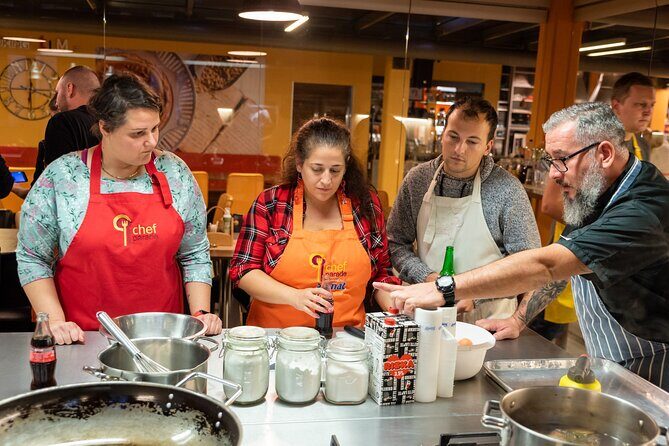
Food in Hungary is rarely just food. Even the drinks are part of the pacing. The tour description promises amazing wines, a little palinka tasting, and a lot of storytelling about culture and gastronomy.
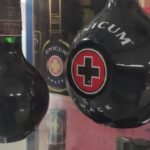
In real-world feedback, people mention trying local Hungarian wines as they cook, plus beer/wine paired with the meal. One review also mentioned an Unicum digest served in the lobby after dinner. If you see something like that on your day, don’t worry about it being out of place. Hungarian hosts often use a small digestif moment as a closing ritual.
Getting to the cooking school without stress
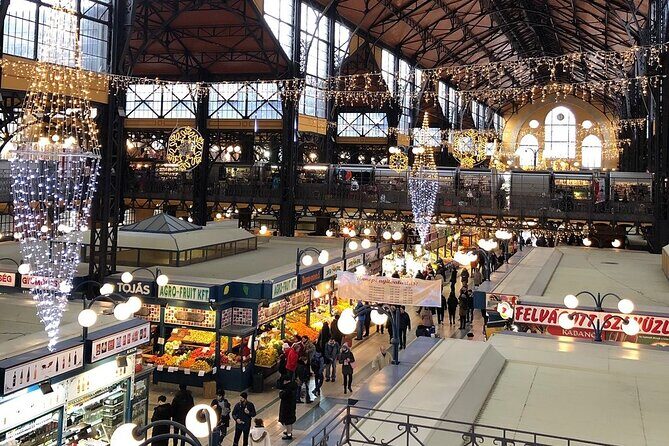
Your meeting point is Central Market Hall, Budapest (1093 Hungary). The activity ends back at that meeting point, but the cooking school itself is listed as one of two addresses: Bécsi street 27 (Buda) or Páva street 13 (Pest).
What this means for you: expect a short move from the market area into the cooking-school setting, then a return at the end. The school is described as near public transportation, which is helpful if you want a smooth, low-stress plan.
One logistics tip based on a reported issue: if you’re booking the market tour as an add-on, and especially if your listing offers different package levels, confirm what’s included in your exact booking (especially anything about return transport). A single group reported confusion about whether certain extras were included with their purchase, and they had to sort rides at the end.
Price and value: why this can beat a restaurant meal
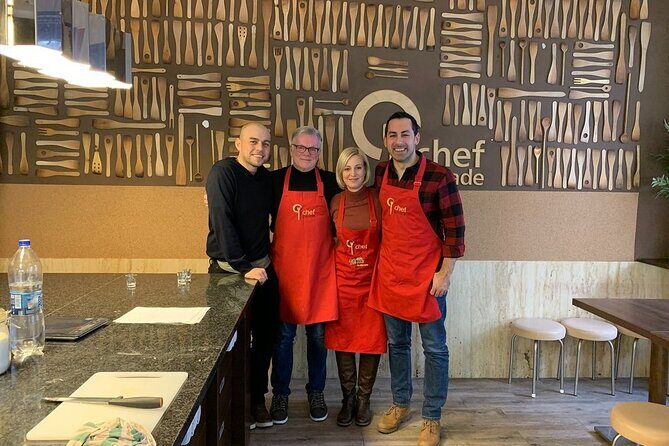
Let’s talk value in the way that actually helps you decide.
For $126.98, you’re paying for:
- A three-course meal you prepare and eat (not just taste)
- Instructor-led guidance through multiple dishes
- Drink tastings during the session
- Optional ingredient-focused market guidance if you add it
- Small group attention and recipe handouts
Several reviews say the food was better than high-end restaurant meals, and that’s believable because you’re eating what you worked on, right when it’s fresh. Also, the dishes are the kinds you can’t easily recreate without knowing the technique steps. If you’ll cook at home again even twice, the class pays you back in saved trial-and-error.
Who should book (and who should skip)
Book this if:
- You want a hands-on cooking lesson in Hungarian classics, not just a meal
- You enjoy food markets and want a guided way to understand what to buy
- You’d like a compact activity that still feels immersive
- You travel in a small group or as a solo visitor who appreciates structured guidance
Consider skipping or choosing carefully if:
- You want long, free shopping time at the market (the market tour is guided and time-managed)
- You’re sensitive to schedule confusion and prefer every detail confirmed before you arrive
- You’re only interested in one single dish and don’t care about the rest of the meal flow
Should you book this Hungarian Cooking and Market experience?
Yes, if your goal is to leave Budapest with real skills and a meal that tastes like Hungary, not “European cooking class food.” The strong theme across feedback is instruction quality, patience, and the feeling that you do actual cooking, not just assembling.
If the optional market tour matters to you, book it and verify your add-on is included in your exact reservation. Then show up hungry, wear comfortable shoes, and be ready to snack and taste while you learn why Hungarian paprika, dairy, dumplings, and strudel technique all work together.
FAQ
How long is the Hungarian cooking experience?
The duration is about 4 hours.
What does the price include?
You prepare and eat a traditional 3-course Hungarian menu, and the experience includes drinks during the class (including a small palinka tasting). An optional local market tour may be added.
What dishes will I cook?
The sample menu includes goulash soup as a starter; chicken paprikash with nokedli or fresh-made spätzle; mushroom paprikash with fresh-made spätzle; and apple strudel for dessert.
Is the local market tour included or optional?
The local market tour is optional. If you choose it, you’ll be guided through a market-walking atmosphere and you’ll taste very Hungarian flavors.
Can I request a vegetarian menu?
Yes. A vegetarian menu is available upon request, and you should specify your dietary requirements at booking.
Are there dietary options for allergies or religious restrictions?
You should specify dietary requirements at the time of booking. Options for allergies and religious dietary restrictions may be limited.
Where do I meet, and where does the activity end?
You meet at Central Market Hall in Budapest (1093). The activity ends back at the meeting point, and the cooking school is listed at either Bécsi street 27 (Buda) or Páva street 13 (Pest).
Is free cancellation available?
Yes. Free cancellation is available up to 24 hours in advance for a full refund.
What group size should I expect?
The tour has a maximum of 15 travelers, which helps keep the experience more personal.