REVIEW · BUDAPEST
Life Under Communism with House of Terror or Statue Park
Book on GetYourGuide →Operated by FUNGARIAN · Bookable on GetYourGuide
Budapest’s Communist era comes alive fast. Starting at Bambi Eszpresszó, you get an interactive look at everyday life from the 1960s through the late 1980s, led by Annamaria and Miklos. I love how the guides tailor the pacing to your group and make real space for questions, plus you’ll get printed materials, notebooks, and pens. One consideration: this isn’t a sit-and-watch outing, and it isn’t suitable for people with mobility impairments.
I also like that it isn’t stuck only on big political slogans. You’ll learn how the system worked on multiple levels, then connect those ideas to what you see around central Budapest (including time on public transportation, when possible). If you want a very light, feel-good city stroll, this might feel heavier than expected—but if you want context, it delivers it fast.
In This Review
- Key highlights you’ll actually feel
- Why this Budapest communist tour starts at Bambi Eszpresszó
- Meeting your guides: Annamaria and Miklos set the tone
- The interactive presentation: how the system shaped daily life
- Moving through central Budapest (and why public transit is part of the lesson)
- House of Terror or Statue Park: using a landmark to anchor what you learned
- What’s included (and why the materials are more useful than you think)
- Price and value: $282 per group up to 5 people
- Timing and logistics that matter for a smooth day
- Who should book this tour (and who may not love it)
- Should you book Life Under Communism with House of Terror or Statue Park?
- FAQ
- How long is the Life Under Communism tour?
- Where does the tour start?
- Do you get hotel pickup in Budapest?
- What does the tour include?
- Are food and drinks included?
- Is transportation included?
- What languages is the guide available in?
- Is this tour private or group-based?
- Who is the tour not suitable for?
- What’s the cancellation policy?
Key highlights you’ll actually feel
- Bambi Eszpresszó as the opening scene, tied to the 1980s meeting-place vibe
- Annamaria and Miklos lead the experience with an interactive, personal presentation
- Everyday life in Budapest, explained across decades from the 1960s to late 1980s
- Private group format with room to ask questions and steer the discussion
- A chance to use public transportation to see parts of Budapest you might miss
- Printed materials plus notebooks and pens to keep your notes straight
Why this Budapest communist tour starts at Bambi Eszpresszó

Starting at Bambi Eszpresszó matters more than it sounds. It’s described as a symbolic meeting place of the 1980s, so the tour begins in the kind of real-world social setting where people talked, waited, compared schedules, and got through ordinary days.
This isn’t a museum lecture that floats above everyday life. It’s framed like a guided time jump, with the meeting place acting as your first anchor to the era you’re learning about.
If you’re the type who learns best by seeing how people lived, that start point helps you take the history in with your whole brain, not just your ears.
You can also read our reviews of more tours and experiences in Budapest.



Meeting your guides: Annamaria and Miklos set the tone
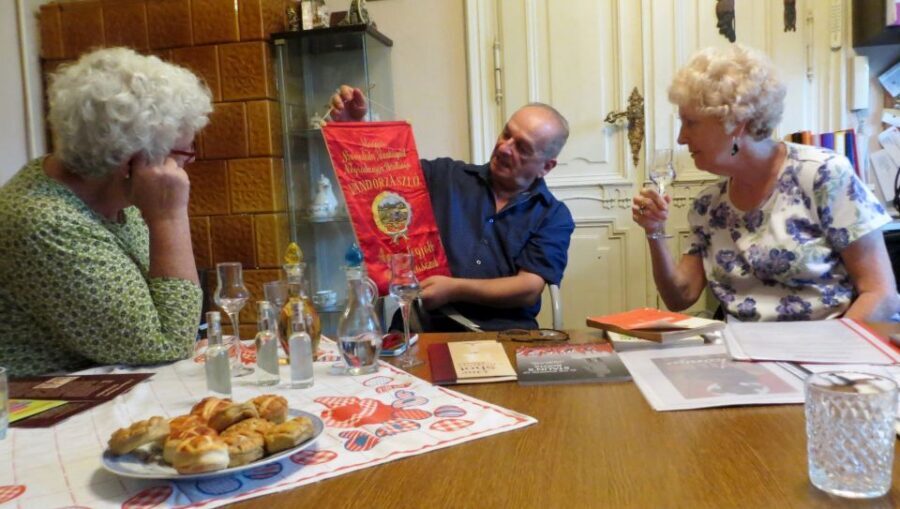
This tour is led by two people, Annamaria and Miklos, and the format is personal rather than scripted. I like that the experience is designed as an interactive presentation, not a one-way talk, and you can adapt the discussion to what your group cares about.
One practical bonus: the guide picks you up at your accommodation in Budapest. That removes the little friction that can turn a good tour into a stressful one—especially in a city where you might otherwise burn time figuring out the first meeting point.
You’ll also have multiple language options—English, German, and French—so you can match the guide’s communication style to your comfort level.
The interactive presentation: how the system shaped daily life
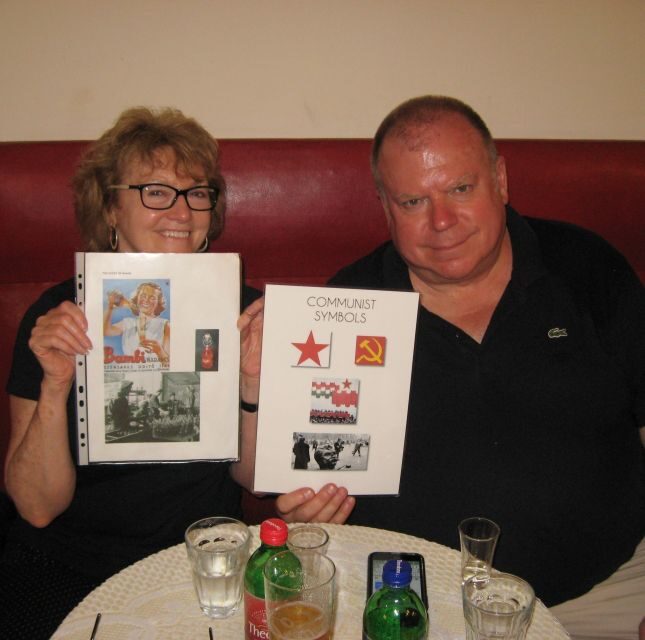
The core promise is clear: you’ll get an overview of how the communist system worked on multiple levels, then you’ll zoom in on the details of everyday communist life in Budapest.
The time span is also one of the stronger points. You’re looking at the 1960s through to the late 1980s, which helps you understand that life didn’t stay frozen. You get a sense of how things felt, how rules shaped behavior, and how the city carried the weight of decades of communism.
In my view, the best part of this kind of tour is the contrast. You’re shown not only what life looked like back then, but also how changes over the past fifty years shaped what you see today.
Expect conversation, not just facts. One of the provided reviews highlights that the guide shared personal experiences from the Hungarian Communist era and kept the discussion honest, with room for dialogue. That human angle makes the material feel less like a textbook summary.
Moving through central Budapest (and why public transit is part of the lesson)
A 3-hour tour leaves time for a real connection to place, not just an interior talk. You’ll move from the start location together and spend time in central Budapest with a guide who’s focused on both history and how people moved through their day.
One review specifically mentions a chance to ride the public transportation system as part of the experience. That’s a small detail, but it’s actually smart: transit is where you see how a city functions, how schedules work, and how daily routines shape social life.
Another practical point: the tour includes transportation in the sense that you’ll travel between stops with your guide, but transportation costs aren’t listed as included. In plain terms, keep a little cash or card budget ready for fares if the plan uses public transit.
Wear shoes you can stand in for a bit. This is a tour with enough movement that comfort matters.
House of Terror or Statue Park: using a landmark to anchor what you learned
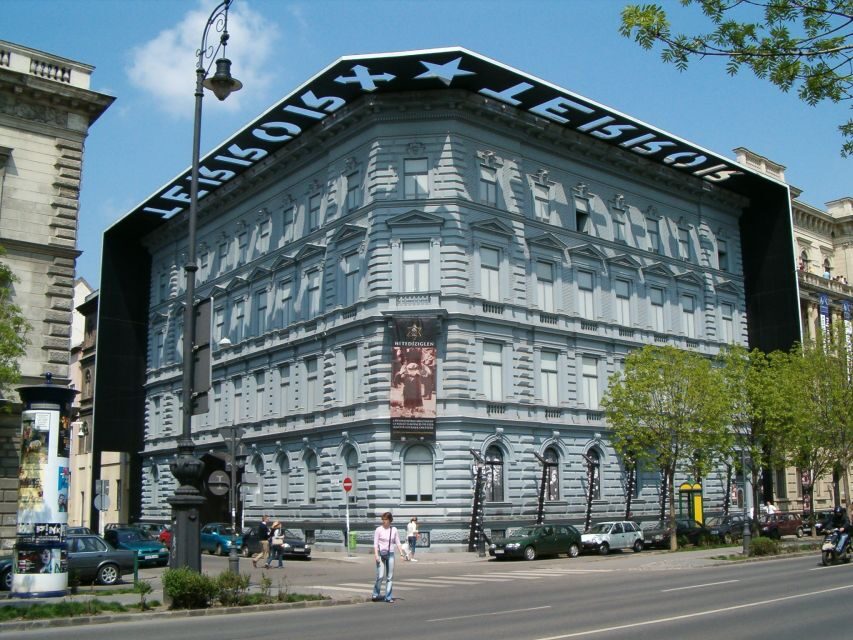
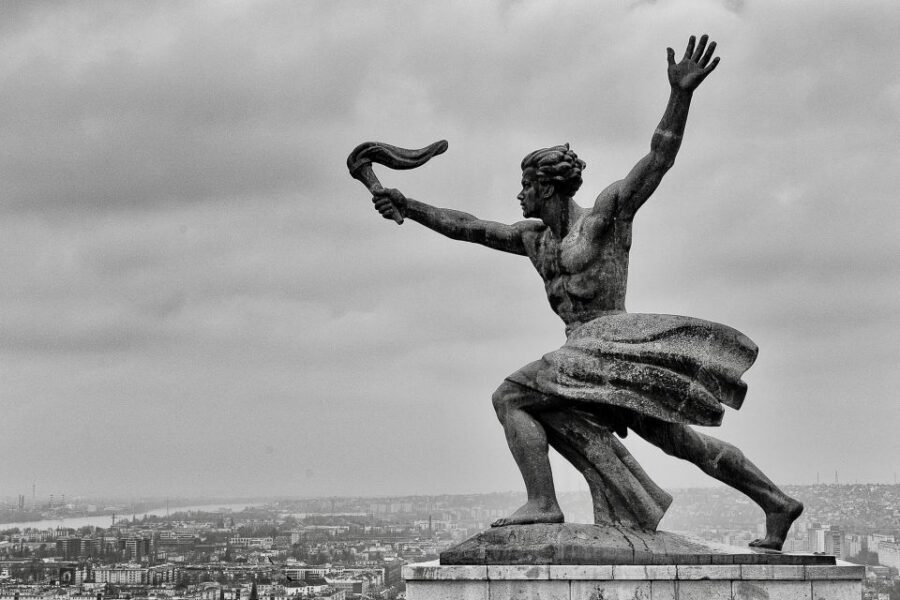
Your experience pairs the communist-life theme with House of Terror or Statue Park. Even without turning the whole day into a heavy site visit, the idea is the same: you connect abstract system mechanics to the kind of physical reminders that still exist in Budapest.
Here’s the value for you. When you learn about how everyday life was affected, a landmark can help your brain build a stronger mental map. It turns the era from a set of dates into something you can point to and connect to real locations.
Potential drawback: if you’re expecting the entire experience to be one long site walk, you might find the balance leans toward the interactive presentation. The program is positioned as an overview plus everyday-life focus, with the landmark support to give it context.
If you’re the type who likes your history tied to what’s visible now, this pairing works well.






What’s included (and why the materials are more useful than you think)
Included in the tour:
- An interactive, personal presentation
- Some printed materials
- Notebooks and pens
Those small items can actually change how much you remember. When you’re learning about a period that’s emotionally loaded, having something to jot down helps you keep the facts straight while the guide is speaking.
Printed materials also act like a safety net. If you’re traveling with limited time in Budapest, you can review your notes after the tour while the details are still fresh.
Nothing about the format suggests a rushed delivery. The structure is built for questions and adapting to your group’s knowledge level, which is a big deal when you want the tour to match your interests.
Price and value: $282 per group up to 5 people
The price is $282 per group up to 5, and the duration is 3 hours. That pricing is really about group value and guide time, not per-person. If you’re traveling with friends or family, this often turns out to be a strong deal because the cost spreads across your group.
Is it worth it if you’re solo? It depends on what you want. This is a private group format, so you’re paying for a personalized discussion and pickup from your accommodation. If you want that one-on-one style attention, you’re paying for the convenience and the tailoring.
From a value standpoint, I like that you’re not paying extra just for the guide. The core experience includes the interactive presentation plus printed materials and writing tools.
Also note what isn’t included: food and drinks, and transportation. That means you should budget modestly for any transit fares or snacks on your own.
Timing and logistics that matter for a smooth day
Duration is 3 hours, which is long enough to cover real ground and short enough to fit into a busy Budapest schedule.
Pickup is included, and the guide meets you at your accommodation in Budapest. You tell the local partner where you want to be picked up, and then you head to the first stop together.
Languages are English, German, and French. If your group has mixed language preferences, confirm your language at booking so the experience stays comfortable for everyone.
Weather matters here. You’re advised to dress for the conditions and wear comfortable clothes. The tour is not described as a fully indoor-only experience, so plan like you’ll be standing and walking some of the time.
Finally, it isn’t suitable for people with mobility impairments. If that applies to you, you’ll want to look for a different format that’s designed for accessibility.
Who should book this tour (and who may not love it)
I think this experience fits best when you:
- Like history that explains systems, not just dates
- Prefer guided conversation over passive sightseeing
- Want context for what you see around Budapest today
- Are comfortable with a tour that covers difficult political realities
It may be less ideal if you want a light, casual walk with zero heavy topics. Communism as a theme can be emotionally intense, even when it’s handled in an educational way.
Also, because it’s private and geared toward interactive discussion, it shines when you’re traveling with people who enjoy asking questions. If you’re the only one in your group who wants the topic deeply, consider how that group dynamic will feel during a 3-hour private session.
Should you book Life Under Communism with House of Terror or Statue Park?
If you want a guided, human-sized explanation of how communism shaped everyday life in Budapest, I’d book it. The strongest reasons are practical: pickup, a private group setup, and an interactive format led by Annamaria and Miklos that can adjust to your questions and knowledge level.
Book it if you’re curious about the years between the 1960s and late 1980s and you want that timeline tied to real places like Bambi Eszpresszó and the paired landmark option.
Skip it (or at least think twice) if accessibility is a concern or if you want a purely visual, casual tour. This one is designed to teach and discuss, not just to take photos.
One more tip before you go: wear comfortable shoes and bring a notepad mindset. You’ll likely get more out of it when you can track names, themes, and the small details the guide brings into the conversation.
FAQ
How long is the Life Under Communism tour?
The tour lasts 3 hours.
Where does the tour start?
It starts at Bambi Eszpresszó.
Do you get hotel pickup in Budapest?
Yes. Your guide meets you at your accommodation in Budapest, and then you go together to the first stop.
What does the tour include?
It includes an interactive, personal presentation plus some printed materials, notebooks, and pens.
Are food and drinks included?
No. Food and drinks are not included.
Is transportation included?
Transportation is not listed as included. If the plan uses public transportation during the tour, you may need to cover any fares yourself.
What languages is the guide available in?
The live tour guide is available in English, German, and French.
Is this tour private or group-based?
It’s a private group.
Who is the tour not suitable for?
It is not suitable for people with mobility impairments.
What’s the cancellation policy?
Free cancellation is available up to 24 hours in advance for a full refund.