REVIEW · BUDAPEST
Wonders of Budapest, private tour by car!
Book on Viator →Operated by Budapest Day Trips · Bookable on Viator
Budapest, minus the stress of bouncing between sites. You get hotel pickup and a comfortable private car that brings you to major sights without the constant stops and starts. It’s efficient and flexible, but be ready for some steps and uneven ground in the Castle District, even though the car handles the long rides.
This tour is built for people who want the key “Budapest postcard” stops in one go, then actually enjoy the rest of the day on their own. Expect an English-speaking, certified guide (names like Edith, Thomas, and Kinga have shown up in guide assignments), plus a route that includes everything from the Central Market Hall to the Parliament Building area—mostly quick photo time, with more attention at places like Fisherman’s Bastion and St. Stephen’s Basilica.
If you’re the type who likes to set a photo pace and ask questions, this is a strong plan. If you hate hills or move slowly, tell your guide early so the walking portions match your comfort level.
In This Review
- Key things that make this private car tour work
- A 4-hour private route that keeps the rest of your day free
- Central Market Hall: your easy first win in Budapest
- Fisherman’s Bastion: iconic views, plus a realistic walking chunk
- Buda Castle: atmospheric streets with more time to breathe
- Great / Central Synagogue area: Jewish heritage without rushing tickets
- St. Stephen’s Basilica: the one ticket stop that’s actually worth it
- Heroes’ Square and the UNESCO-style “big picture”
- Gellért Hill panoramas: where the city finally explains itself
- Vajdahunyad Castle courtyard time: history on a manageable schedule
- Széchenyi Baths and Rudas Baths: classic thermal bath stop-offs
- Andrássy Avenue, House of Terror, and the Millenium Underground
- Gresham Palace and the bridge landmarks: quick hits that add up
- Outside the Hungarian Parliament Building: the clock tower moment
- Price and value: is $230 per person actually fair?
- Guide quality matters: what I’d expect from your guide
- What to plan for on the ground: shoes, hills, and quick stops
- Should you book Wonders of Budapest by car?
- FAQ
- FAQ
- How long is the private car tour?
- Is hotel pickup and drop-off included?
- Is this tour private or shared?
- What language is the tour offered in?
- Are tickets included?
- What is the cancellation policy?
Key things that make this private car tour work
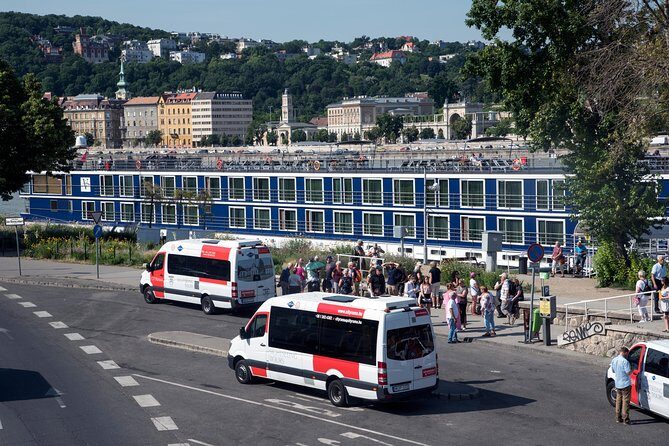
- Door-to-door pickup and drop-off from any hotel, apartment, port, or station
- A certified English-speaking guide to connect the sights to the stories
- A go-at-your-own-pace layout with built-in short stops and a couple of longer ones
- Castle and city-center viewpoints: Fisherman’s Bastion, Gellért Hill, Heroes’ Square
- Thermal bath stop-offs at Széchenyi and Rudas (great for orientation even if you’re not soaking)
- St. Stephen’s Basilica ticket included, plus many other sights listed as outside or free entry
A 4-hour private route that keeps the rest of your day free
The big value here is timing. You’re looking at about 4 hours of guided sightseeing, then you’re released back into Budapest. That matters because the best way to enjoy this city is to mix “must-sees” with wandering—especially around the Danube, the Jewish Quarter, and the various hilltop viewpoints.
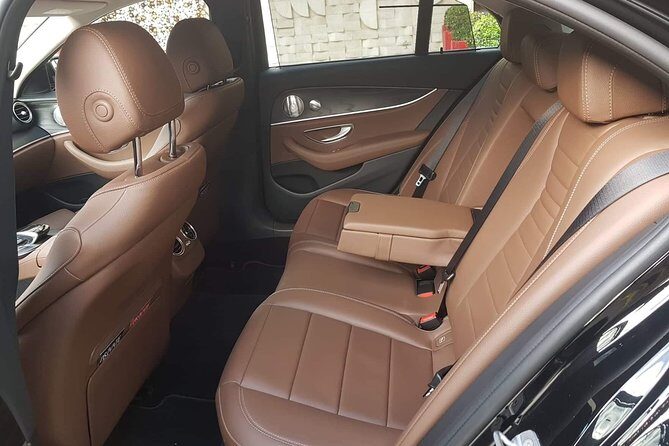
You’ll travel between sights in an air-conditioned private vehicle, with pickup and drop-off handled for you. In practice, that cuts down on transit time, confusion, and the mental load of figuring out where to stand and how long you’ll wait.
This is also truly private: only your group goes along. That means you can set a slower pace if you need it, and you can ask questions without feeling like you’re interrupting a herd.
You can also read our reviews of more private tours in Budapest



Central Market Hall: your easy first win in Budapest

You start at the Central Market Hall, the grand indoor market building people associate with Budapest even if they’ve never shopped there. It’s a perfect first stop because you get oriented fast: location, architecture, and the city’s food-and-craft vibe all in one place.
The tour lists admission ticket as free for this stop, so you’re not burning time on ticket lines. Plan for a quick explore—more “look and absorb” than shopping marathon—since the tour is designed to cover a lot.
A practical tip: if you’re sensitive to crowd flow, treat this as your early break. Morning energy in big markets can be intense, but going first keeps you from getting tired later when hills and stairs show up.
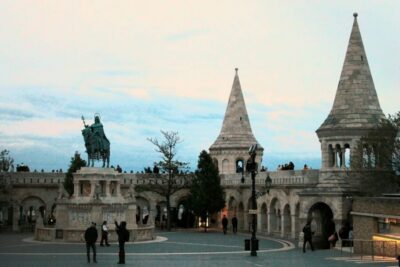
Fisherman’s Bastion: iconic views, plus a realistic walking chunk
Next up is Fisherman’s Bastion, one of those places you can recognize from a hundred photos. The tour gives it about 30 minutes, which is enough time to:
- see the terraces and viewpoints,
- grab photos,
- and understand why it’s such a magnet for visitors.
A key consideration: this is part of the Buda Castle area, and the terrain is not flat. Even with a private car handling the long rides, you’ll still do some walking on site. So if you’re traveling with limited mobility, plan ahead and let your guide know what pace works for you.
This is also where a good guide makes a difference. A strong guide helps you pick the best angles quickly so you don’t waste your limited time trekking between every viewpoint.
Buda Castle: atmospheric streets with more time to breathe
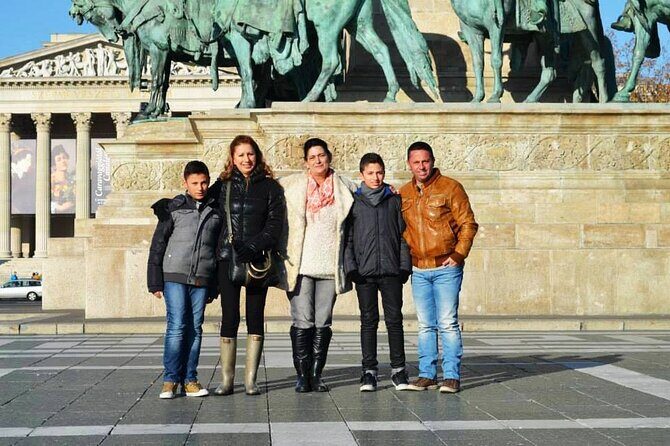
Then you move into Buda Castle, with about 1 hour allocated. This is the stop that feels less like a checklist and more like a place. You’re surrounded by historic walls, courtyards, and street corners that look like they belong to a movie set.
The tour lists admission ticket as free for this section, which keeps it flexible. You can wander the exterior areas without worrying that you’re forced to “do the whole thing” to get your money’s worth.
What I like about pairing Buda Castle with Fisherman’s Bastion back-to-back is simple: you get both the sweeping views and the atmospheric streets in one compact block. It’s also where your guide can steer you toward the best routes through the area so you’re not zig-zagging unnecessarily.
Great / Central Synagogue area: Jewish heritage without rushing tickets
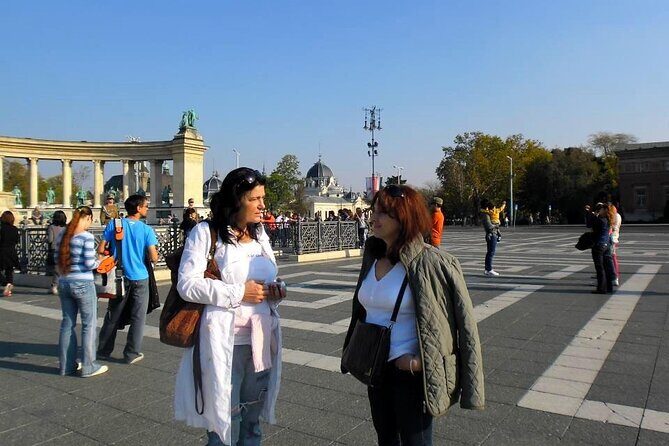
The route then shifts to the Great / Central Synagogue (Nagy Zsinagóga) area. This stop is listed as outside, around 20 minutes. The tour also points you toward nearby highlights like the Tree of Life and the Jewish Heritage Museum and the Heroes’ Temple nearby.
Outside time is underrated. It lets you build context quickly, and you can decide on your own later whether you want to do any interior museum visits with more time.
One more practical note: synagogues and memorial sites often require quiet attention and respectful behavior. Outside stops are a good way to take in the neighborhood and understand what you’re looking at without pulling focus from other sights on a tight schedule.






St. Stephen’s Basilica: the one ticket stop that’s actually worth it
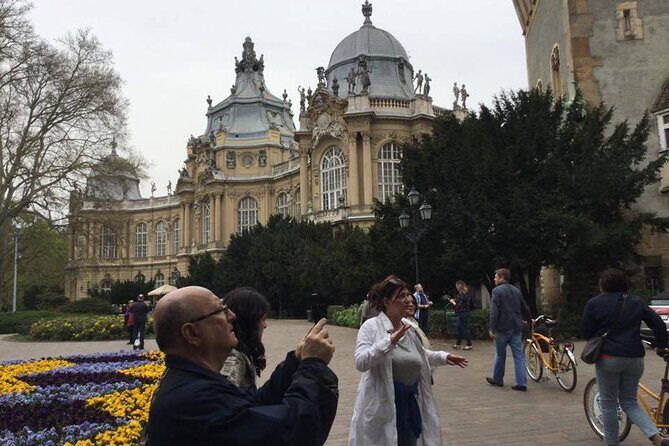
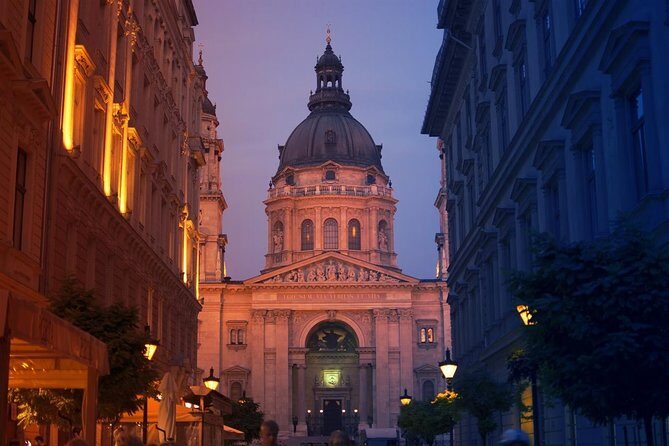
Your next longer, paid-feeling moment is Szent István Bazilika (St. Stephen’s Basilica). The tour allocates about 30 minutes, and here’s the standout detail: the admission ticket is included.
This basilica is especially memorable for its connection to Hungary’s revered heritage, including the Holy Right Hand of St. Stephen. Even if you don’t spend all your time inside staring at every detail, the included ticket removes friction. You get to enjoy the moment instead of spending the time coordinating with ticket counters.
If you’re short on energy, this is a good place to slow down. The interior experience tends to reward slower walking and a few pauses.
Heroes’ Square and the UNESCO-style “big picture”
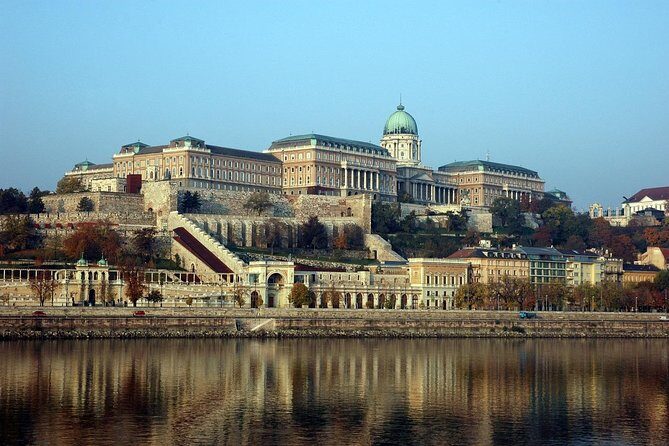
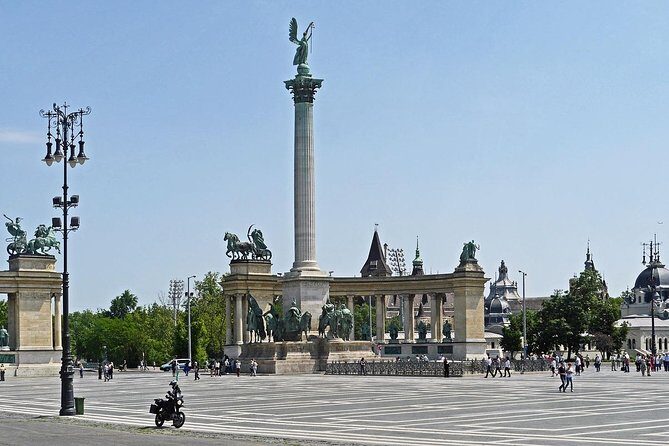
Then you’ll roll into Heroes’ Square, a UNESCO World Heritage site and one of Budapest’s most recognizable landmarks. The time on the ground is about 20 minutes, which is perfect for:
- taking in the monument scale,
- getting a clean photo,
- and understanding how the square frames the story of the city.
Heroes’ Square is the kind of place where a guide helps. Without context, it can feel like a pile of statues. With context, it clicks into a political and cultural map of Hungary.
Gellért Hill panoramas: where the city finally explains itself
After Heroes’ Square, you head to Gellért Hill for about 20 minutes. The payoff is the view—this is one of the best spots to see how Budapest is stitched together by river curves, bridges, and hilltop neighborhoods.
This stop is short by design, but it’s high value. Views make the rest of your city exploration easier because you start recognizing patterns: which direction you’re facing, where the bridges connect, and how Buda and Pest sit relative to each other.
If you’re prone to motion sickness or get tired quickly on hills, pace yourself here. Bring a moment of patience. This is where the city’s layout becomes clear.
Vajdahunyad Castle courtyard time: history on a manageable schedule
Next is Vajdahunyad Castle. The tour emphasizes that the courtyards are free and gives you about 20 minutes.
Courtyard time is a smart compromise. You get the look and the historic vibe without needing a long, ticket-heavy visit. It’s also a good break between bigger walking stretches, since you can move in short loops and still feel like you did something meaningful.
If you plan to visit City Park later, this stop helps you recognize the area immediately.
Széchenyi Baths and Rudas Baths: classic thermal bath stop-offs
Budapest is famous for thermal baths, and this tour works them into the route with quick orientation stops.
You’ll have a brief stop at Széchenyi Baths and Pool (listed at about 10 minutes) and then a stop at Rudas Baths near the Elizabeth Bridge area. The itinerary lists these with admission ticket free, which suggests this is mainly a view-and-photos moment rather than a long soaking session.
That said, even a short stop helps you understand the city’s culture. Budapest doesn’t treat baths like a modern spa fad. They’re part of how locals handle weather, social life, and wellness.
Practical advice: if you’re serious about bathing, I’d treat this tour as the “what this is” stage and leave a longer separate block for actual bath time.
Andrássy Avenue, House of Terror, and the Millenium Underground
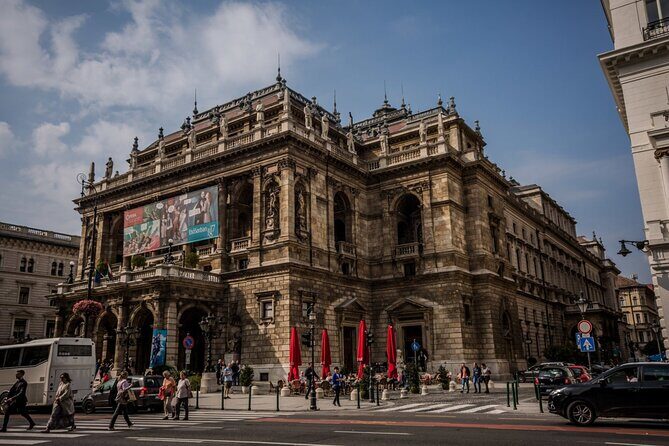
Then comes Andrássy Avenue, with time around the street highlights. You’ll see major points like the Opera House, Franz Liszt Museum, and the House of Terror area, plus the Millennium Underground line below the boulevard.
This is another smart use of time. You’re not only looking at buildings—you’re getting the feeling of a grand urban plan, with a boulevard that shapes how people move and where landmarks sit.
If House of Terror is on your list for a deeper visit later, this stop helps you understand where it is so you’re not scrambling on your own. Short street time is often the best “pre-visit” step you can do.
Gresham Palace and the bridge landmarks: quick hits that add up
You also pass the Gresham Palace, described as an outstanding Art Nouveau hotel, with a short stop (around 10 minutes). After that, you move along toward the Széchenyi Chain Bridge (listed as Szechenyi Lanchid) for a landmark view.
These are the kind of stops that feel small individually, but they matter because they tie together Budapest’s identity: river drama, elegant facades, and that unmistakable bridge geometry.
If you’re a photographer, this is where you’ll want to keep your camera ready. You might only get a few minutes at a time, so it helps to know what you want—wide bridge context or close architectural detail.
Outside the Hungarian Parliament Building: the clock tower moment
Finally, you reach the Hungarian Parliament Building area. The tour lists this as an outside stop with about 20 minutes.
The main point here is visual. The Parliament is huge, and outside viewing gives you the scale without the time cost of interior tickets. It also ties into the earlier city stops—this is the civic heart motif showing up again and again across Budapest’s layout.
If you’re planning your own evening afterward, this area is a great “anchor point” to revisit for photos at different light. The exterior presence changes as the sky shifts.
Price and value: is $230 per person actually fair?
At $230 per person for roughly 4 hours, this isn’t a bargain deal. It’s a premium service: private transportation, pickup and drop-off, an air-conditioned vehicle, and a certified guide, plus a ticket included for St. Stephen’s Basilica.
So the value comes from what you avoid:
- time spent figuring out transit,
- fatigue from repeated walking between scattered neighborhoods,
- and the cost of hiring a guide separately for a shorter, more focused plan.
This tour also helps you move smarter. When you’re crisscrossing between Buda and Pest, hills and distances stack up quickly. A private car makes the day feel manageable.
Where it feels especially worth it:
- families with kids who need fewer transitions,
- travelers with limited time who still want the major highlights,
- and anyone who prefers a guide-led route over self-navigating.
There’s also group discount mentioned for this type of private booking, which can make the same day feel less painful for larger groups.
Guide quality matters: what I’d expect from your guide
The biggest positive pattern tied to this kind of tour is simple: the guide sets the tone.
English-speaking guides have been described as:
- on time,
- friendly and accommodating,
- and willing to work around mobility limits, including knee injury support.
Some guides have also gone beyond the standard script, like helping with luggage and coordinating drop-off closeness when someone is connecting to another plan (like a boat).
That’s why, if you book, I’d message with your needs before day-of. If you use a cane or have knee or back issues, say it clearly. If you care about photo timing, say that too. A good guide can adjust how long you pause at Fisherman’s Bastion or Gellért Hill.
One caution from past experiences: pacing can be an issue if the guide expects everyone to keep up during climbs or if the guide doesn’t face the group when explaining. You can’t control another person’s style, but you can control your communication—ask to slow down when needed, and choose the center of the group when you need to hear the explanations.
What to plan for on the ground: shoes, hills, and quick stops
Even in a car-based day, Budapest demands footwear. This route includes viewpoints and castle-area streets, so expect some combination of:
- stairs,
- cobblestones,
- and uphill walking.
The tour is designed to be most travelers can participate, and service animals are allowed. Still, “can participate” doesn’t mean “zero walking.” If you’re traveling with limited mobility, plan on short walking segments that you might need to take slower.
Also remember: food and drinks aren’t included. That’s not a dealbreaker, but you’ll want a plan for a snack or a drink before you get tired—especially after a basilica interior and multiple viewpoints.
Should you book Wonders of Budapest by car?
I’d book this tour if you want a guided highlight run with pickup, private transportation, and a route that hits Buda Castle viewpoints, a major church stop, Budapest’s grand squares, and both thermal-bath icons—then gives you the rest of the day to roam.
I would hesitate if:
- you need minimal walking and aren’t comfortable with hills and uneven surfaces, or
- you prefer long museum time instead of quick “see it, understand it, move on” stops.
My decision rule is this: if your goal is to get Budapest’s big visual and historical anchors in one efficient day, this is a solid choice. If your goal is slow, deep, and relaxed only, you may prefer a smaller set of stops with more time at each one.
FAQ
FAQ
How long is the private car tour?
It runs for about 4 hours.
Is hotel pickup and drop-off included?
Yes. Pickup and drop-off are offered from any hotel, accommodation, port, railway station, or an agreed meeting place.
Is this tour private or shared?
It’s private. Only your group participates.
What language is the tour offered in?
The tour is offered in English.
Are tickets included?
St. Stephen’s Basilica ticket is included. Other stops are listed as free or outside in the tour schedule.
What is the cancellation policy?
You can cancel for a full refund up to 24 hours before the experience start time. If you cancel less than 24 hours before, the amount paid is not refunded.