REVIEW · BUDAPEST
Lives of Hungarians Under Communist and Capitalist system
Book on Viator →Operated by Triptobudapest.hu - Free Budapest Walking Tours · Bookable on Viator
Budapest can feel like a postcard. This tour explains the ink. You’ll walk through the city while guides connect Communism to daily life: housing, travel, education, religion, propaganda, and the long shadow of 1956. I like how the story is personal and how the route keeps jumping between big ideas and real stuff people dealt with every day.
Two things I especially appreciate: first, you get a short interactive history lesson early on so the terms make sense before the details start flying. Second, the guide approach is framed as balanced—Communism and the post-Communist years, with everyday experiences mixed in, not just speeches and dates. One thing to keep in mind: this is tip-based, so the low upfront price doesn’t mean the experience is free-free. Plan on budgeting for tips at the end.
In This Review
- Key Highlights You Should Know Before You Go
- Starting at Budapest Eye: Setting the Tone With Communism in Mind
- Fröccsterasz: Travel Documents and Communist-Era Movement
- Szent István Basilica: How Religion Could Feel Different at Home
- District V Inner City: Where Propaganda Met Daily Life
- Szabadság tér: Controversial Monuments and a Nuclear Bunker Exit
- Hungarian Parliament Building: 1956, Bullet Holes, and Childhood Memories
- Price and Value: How a Low Fee Turns Into a Real Conversation
- What You’ll Actually Do During the Walk (Stop by Stop)
- Best Fit: Who Should Book This Tour
- Quick Practical Help Before You Go
- Should You Book the Lives of Hungarians Under Communist and Capitalist System Tour?
- FAQ
- Where does the tour start?
- Where does the tour end?
- How long is the tour?
- What does the tour price include?
- Do I need to pay for admissions at the stops?
- How much should I tip the guide?
- How large is the group?
- Do I need a paper ticket?
- Can I cancel for a refund?
- Is the tour near public transportation?
Key Highlights You Should Know Before You Go
- Guides with lived perspective: you’re not just hearing facts, you’re hearing what everyday life felt like.
- Small group (max 20): easier questions, less rushing, and you can actually follow the thread.
- A focused route: Budapest Eye area, District V, Szabadság tér, then the Parliament area.
- Practical “how life worked” topics: travel documents, education, media culture, and housing.
- 1956 details you’ll notice: bullet holes and personal stories tied to the revolution.
Starting at Budapest Eye: Setting the Tone With Communism in Mind
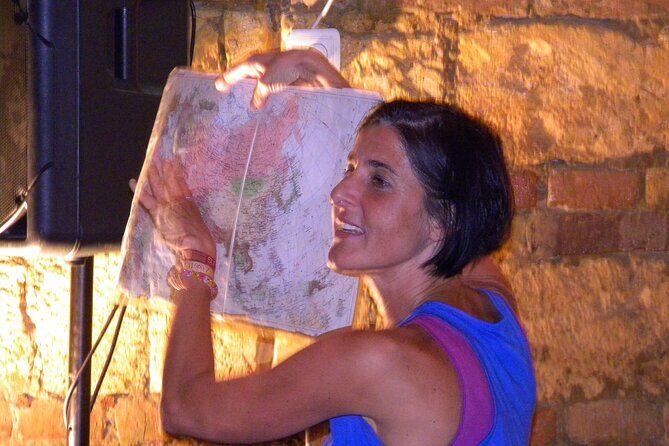
The tour kicks off near the Ferris Wheel of Budapest (Budapest Eye), and it’s a friendly start point because it’s easy to find and hard to miss. Your licensed guide meets you about 20 meters from the Budapest Eye, then you get an early framing: a 15-minute interactive history lesson on Hungarian and Central European Communism.
Why I think that matters: Communism can sound like a school chapter until you have a simple mental map. This quick opener helps you understand what you’re about to see later—why certain policies shaped everyday choices, and why some people still feel nostalgia today. It also sets expectations that this isn’t only about politics. It’s about how daily life got organized, controlled, and experienced.
At this point, you should pay attention even if you think you already know the basics. The guide is setting up connections you’ll catch later, like how travel works, how religion varied by family, and why the media message felt unavoidable.
You can also read our reviews of more tours and experiences in Budapest.

Fröccsterasz: Travel Documents and Communist-Era Movement
Next you head to Fröccsterasz, where the focus shifts from ideology to motion—how people traveled, what they needed, and what could complicate it. You’ll look at basic travel documents and hear stories about incoming and outgoing travel from Hungary. That’s the kind of detail you don’t get from a textbook.
You’ll also hear about Communist car types and other transportation from the period. Even if you’re not a car person, this part is useful because it shows how “systems” show up in ordinary life. Transportation isn’t just about getting from A to B. It’s about access, rules, availability, and what was normal back then.
One practical tip: keep your phone away for a moment and listen first. This stop depends on stories and explanations, not on sight-reading the city. If you’re the type who always wants photos, take one quick shot—but then give the guide a full minute to connect the dots.
Szent István Basilica: How Religion Could Feel Different at Home
At St. Stephen’s Basilica (Szent István Bazilika), the tone changes again. This stop isn’t about architecture deep-diving so much as lived experience—how Communism affected religious life and how it varied by denomination, and even family by family.
What you’ll pick up here is that Communist pressure wasn’t one uniform blanket. How religion was practiced, tolerated, or restricted could differ depending on where you were, who your neighbors were, and what your family believed. That’s a more human way to understand religion under state systems.
Possible drawback: if you came for purely “political history,” you may need to adjust your expectations. This stop is more about social reality—how people navigated faith and day-to-day consequences—so it may feel less dramatic than a battle history. Still, it’s exactly the kind of context that makes later stops, like housing and education, click.
District V Inner City: Where Propaganda Met Daily Life
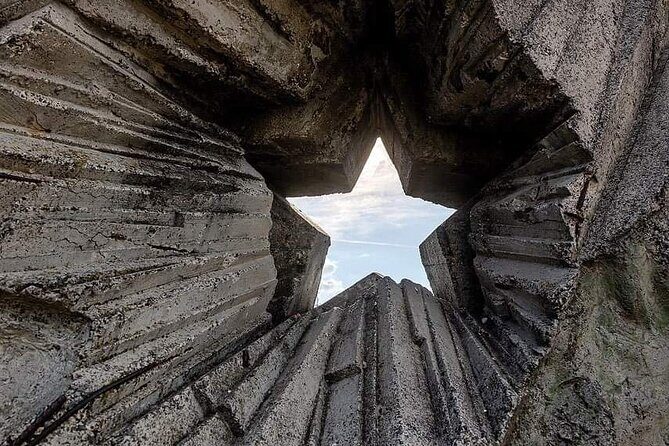
Now you enter District V / Inner City, and this is where the tour starts to feel like a guided translation of how society was built. The guide covers housing, health care, education, media culture and propaganda, and even sport and the Olympic Games in Communism and post-Communism. Then you’ll hear why some people have nostalgia for Communism.
This is one of the most valuable parts of the walk because it’s not only about what the state claimed. It’s about how people lived inside those claims—what got promised, what got limited, and what daily routines looked like.
Here’s the practical takeaway for you: when you learn how education and media operated, you start understanding why memories from that era can be complicated. Some people remember stability or certain social structures; others remember restrictions and fear. A balanced tour matters because it helps you avoid turning the past into a simple good-vs-bad movie.
If you’re traveling with teens or school-age kids, this is also where the conversation becomes easier. They can connect policy to questions they recognize: Who decides what you learn? What information do you get? How do schools shape identity?
Szabadság tér: Controversial Monuments and a Nuclear Bunker Exit
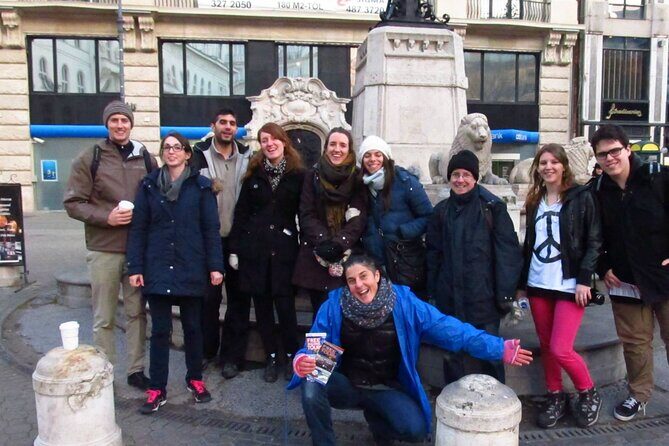
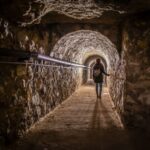
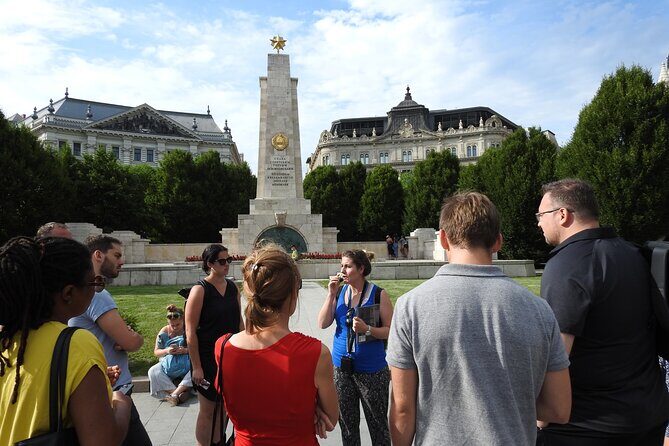
At Szabadság tér, the tour adds layers of visible history and hidden history. You’ll see controversial monuments side by side, plus urban art with a guerrilla vibe. Then things get very real with the mention of the emergency exit of the F4 military nuclear bunker.
Even if you don’t know anything about Budapest’s bunker history going in, this stop helps you grasp how governments prepared for crisis—and how those preparations shaped what people felt in the background. It’s not only about war history. It’s about the constant awareness that something could happen, and that plans existed out of sight.
The stop also includes a reference to the second most guarded building in Budapest, and how it provided shelter for a prominent Hungarian person for over 15 years. That’s the kind of detail that makes you look at the skyline differently. Buildings aren’t just buildings; they were part of a security and secrecy system.
Practical note: this stop includes a mix of monuments and street-level history. Wear comfortable shoes and keep your attention on the guide. You might spot details in the street art later, but the meaning will only land if you hear the connections first.
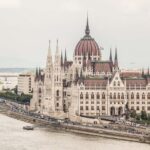
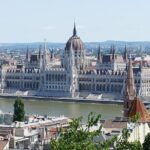
Hungarian Parliament Building: 1956, Bullet Holes, and Childhood Memories
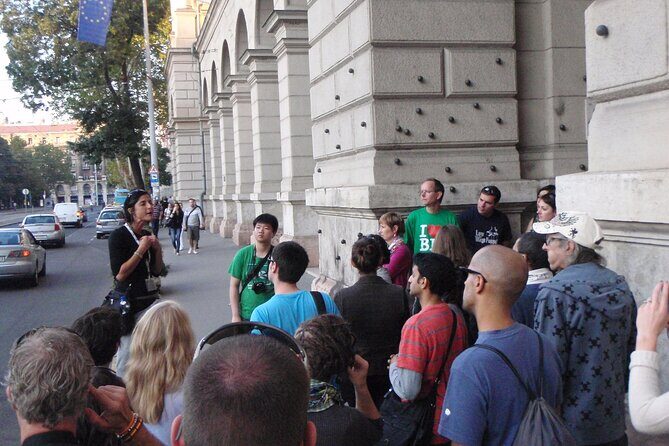
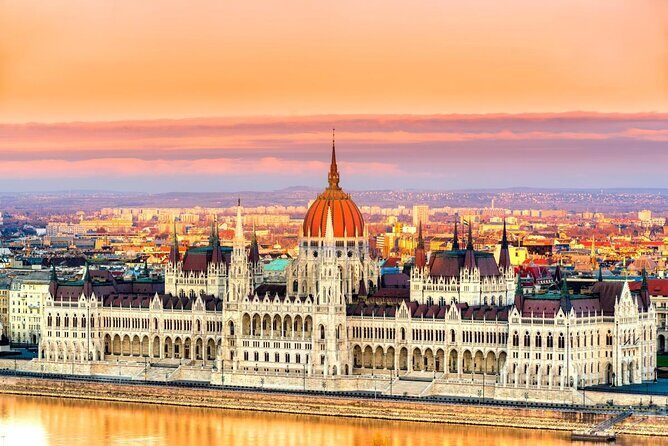
The tour ends at the Hungarian Parliament Building area, and the story goes straight to 1956. You’ll learn the 1956 uprising in depth and see bullet holes on the facade of some nearby residential buildings around the Parliament. That’s a rare way to experience history without it being sealed behind a museum label.
You’ll also learn about the heroes of 1956 and hear stories about experiencing the revolution as a child and what Communism felt like during that time. This personal angle is powerful because it turns political events into human timing: what it meant to be young during upheaval, and how fear and uncertainty can become normal.
Why this ending works: it ties together the earlier stops. Housing, education, travel constraints, media pressure—those pieces help explain why 1956 mattered so much. If you walk out thinking only about a single uprising, you miss the broader pattern this tour highlights: change doesn’t happen in isolation. It grows from the systems people live under.
Price and Value: How a Low Fee Turns Into a Real Conversation
The price is listed at $4.65 per person, and the key detail is that this booking fee is mainly administration and marketing. It’s not what your guide earns. Your guide’s work depends on your donation at the end, and the tour explicitly encourages tipping.
In practice, most guests tip €10 per person, and some tip more. The exact amount is yours, but if you want good value, show it in the tip—this is a small-group guided walk built on explanation and personal perspective, not a scripted audio tour.
I also like the timing: the tour starts at 3:30 pm and runs about 1 hour 30 minutes. That’s long enough to connect the dots and short enough that you don’t feel trapped in a lecture. It’s also a good slot if you want something meaningful in the late afternoon without losing your whole evening.
What You’ll Actually Do During the Walk (Stop by Stop)
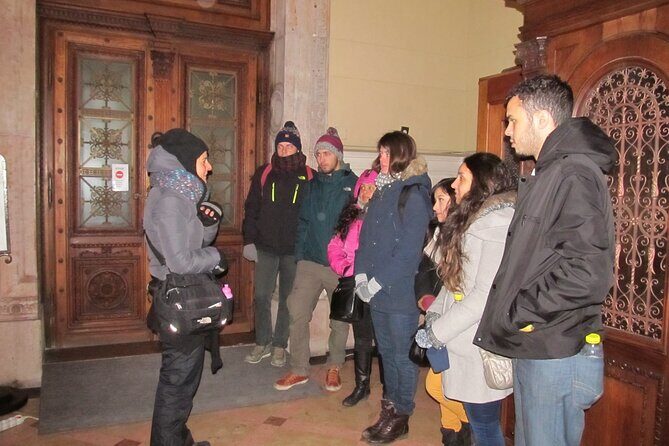
Here’s the flow as you experience it on the ground, in human terms:
- Near the Budapest Eye: you get your interactive Communism grounding and the route framing.
- At Fröccsterasz: you focus on travel documents, travel stories, and transportation details like Communist car types.
- At St. Stephen’s Basilica: you learn how Communism treated religion differently across denominations and families.
- In District V: you cover the big everyday pillars—housing, health care, education, media/propaganda, and sport.
- At Szabadság tér: you see monuments, street art, and the emergency exit of the F4 nuclear bunker.
- Near the Hungarian Parliament: you zoom in on 1956, including bullet holes and childhood memories.
Best Fit: Who Should Book This Tour
This tour is a strong match if you want more than “what happened.” I think you’ll like it if you’re curious how policy shaped everyday life and if you enjoy guides who bring the human layer to history.
It’s also a good choice for people traveling with teens, because the material is tied to schools, media, housing, and daily routines—things kids can picture. It’s not a good fit if you’re only looking for quick sightseeing photos and you hate listening to context.
Quick Practical Help Before You Go
A few things based on what’s provided:
- It’s limited to a maximum of 20 travelers, so expect a tighter group.
- You’ll use a mobile ticket.
- The end point is about 50 meters from the M2 red metro line, which makes it easy to continue your day.
- Service animals are allowed, and it’s described as suitable for most travelers.
- Your guide is fully licensed, which usually means the explanations are structured and you can ask questions without awkward pauses.
Should You Book the Lives of Hungarians Under Communist and Capitalist System Tour?
If you’re trying to understand Hungary beyond postcards, I’d book it. The value isn’t in a single monument—it’s in how the guide keeps linking policies to life: travel, education, media, housing, and what people remembered afterward. The tour also handles both Communism and post-Communism, which helps you avoid turning history into a one-note argument.
If you hate tip-based tours, or if you want a mostly visual, low-listening experience, you might feel uneasy. But if you’re willing to invest an hour and a half in real storytelling, this is exactly the kind of walk that helps Budapest make sense.
FAQ
Where does the tour start?
It starts at the Ferris Wheel of Budapest (Budapest Eye) at Erzsébet tér, 1051 Hungary. The guide meets you about 20 meters from the Budapest Eye.
Where does the tour end?
It ends at the Hungarian Parliament Building area at Kossuth Lajos tér 1-3, 1055 Hungary, about 50 meters from the M2 red metro line.
How long is the tour?
The duration is listed as approximately 1 hour 30 minutes.
What does the tour price include?
Your price covers the booking fee. The booking fee is for administration and does not contribute to the guide’s earnings.
Do I need to pay for admissions at the stops?
Admission tickets are listed as free for the stops mentioned.
How much should I tip the guide?
Tipping is not included in the tour price. The tour encourages tipping at the end, and it notes that most guests tip €10 per person, with some tipping more.
How large is the group?
The maximum group size is up to 20 travelers.
Do I need a paper ticket?
No. You get a mobile ticket.
Can I cancel for a refund?
Yes—there is free cancellation. You can cancel up to 24 hours in advance for a full refund.
Is the tour near public transportation?
Yes. It’s listed as being near public transportation, and the conclusion point is about 50 meters from the M2 red metro line.