REVIEW · BUDAPEST
Budapest: Hungarian Cuisine in the Market Hall (german)
Book on GetYourGuide →Operated by Gábor Glasner · Bookable on GetYourGuide
Hungarian flavor starts in a food maze. In Budapest’s Central Market Hall, a German-led tasting turns salami, cheese, paprika, pickles, honey, and more into a fast, tasty lesson you can actually remember. I especially like that the guide doesn’t treat the market like a backdrop; Gábor Glasner (GastroGuides Budapest) connects what you taste to how Hungarians cook and shop.
You’ll also come away with practical extras, like digital guides you can use after the tour. One thing to plan for: meat is a major part of Hungarian cuisine, so the experience is only partially suitable for vegans/vegetarians, and you may need to manage expectations if you’re strict.
In This Review
- Key Moments That Make This Market Hall Tasting Worth Your Time
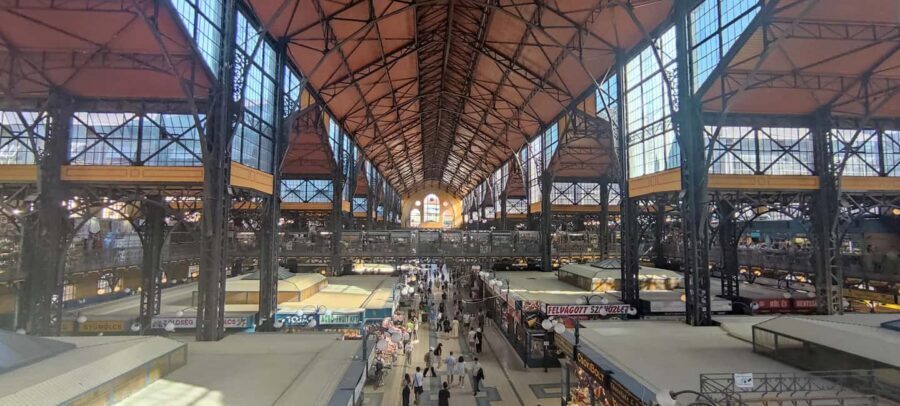
- Central Market Hall at Csarnok tér 1: Where the tour really begins
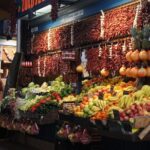
- What you taste: salami, sausage, cheese, paprika, pickles, and the other everyday favorites
- The itinerary flow: the market visit that makes the history make sense
- Unicum and homemade syrup: the Hungarian finish that actually teaches you flavor culture
- The German-language guide: great value if you’re comfortable with the language
- Digital take-home guides: your real souvenir is the planning tool
- Price and timing: is $28 for 85 minutes good value?
- Who should book this Budapest market hall tasting?
- Should you book this Hungarian cuisine tasting in the Market Hall?
- FAQ
- What language is the tour?
- How long is the Budapest Market Hall tasting?
- Where do I meet the guide?
- What’s included in the price?
- Is it vegetarian or vegan friendly?
- How much does it cost?
Key Moments That Make This Market Hall Tasting Worth Your Time
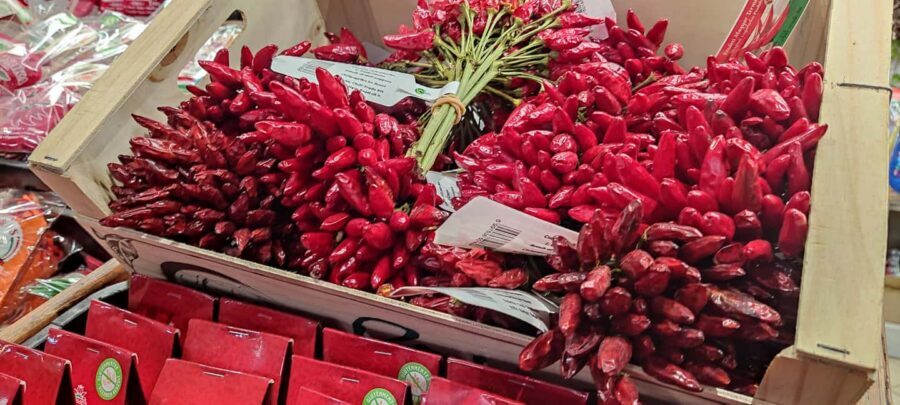
- Central Market Hall stops built around Hungarian staples: cold cuts, cheeses, paprika, pickles, honey, and traditional sweets
- A German guide with clear, context-heavy explanations that make ingredients click
- A signature finish with Unicum plus a homemade syrup tasting
- Market-walk history lessons that help you read menus with more confidence
- Digital take-home guides: a Budapest restaurant guide, a Hungarian receipt book, and a wine guide
- Quick and friendly, but portions can feel small for big appetites
Central Market Hall at Csarnok tér 1: Where the tour really begins
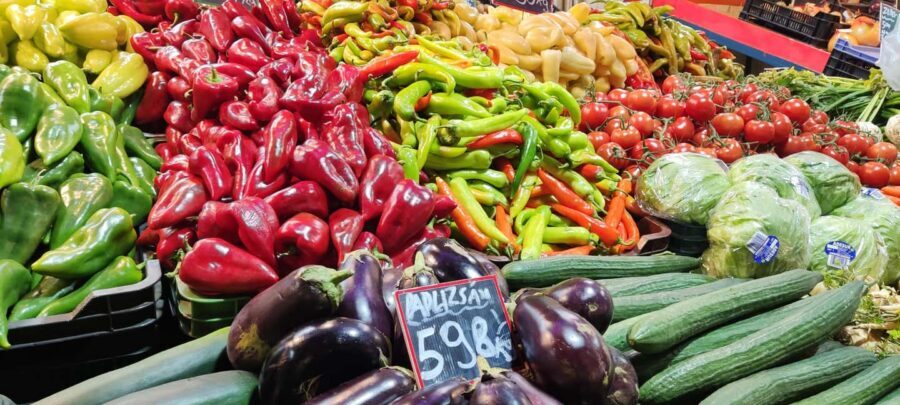
This is a straightforward, high-impact tour in one place: the Central Market Hall at Csarnok tér 1. You meet at the back entrance of the hall (the side against the garage entrance of Hotel Meininger). Look for your guide with the red sticker that says GastroGuides Budapest—this matters because the market is large and easy to get turned around in.
The tour runs about 85 minutes, which is just long enough to taste a solid spread without turning into a long, tiring food marathon. You’ll have the benefit of going with a guide rather than wandering aimlessly and guessing what you should try first.
One practical note: the details you’re given include both wheelchair-related statements (it mentions wheelchair accessibility, but it also says it’s not suitable for wheelchair users). If mobility is a factor, I’d treat that as a prompt to contact the operator before you book so you’re not surprised on arrival.
You can also read our reviews of more shopping tours in Budapest

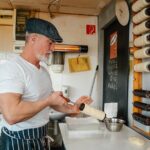
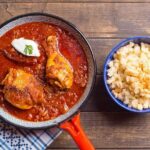
What you taste: salami, sausage, cheese, paprika, pickles, and the other everyday favorites
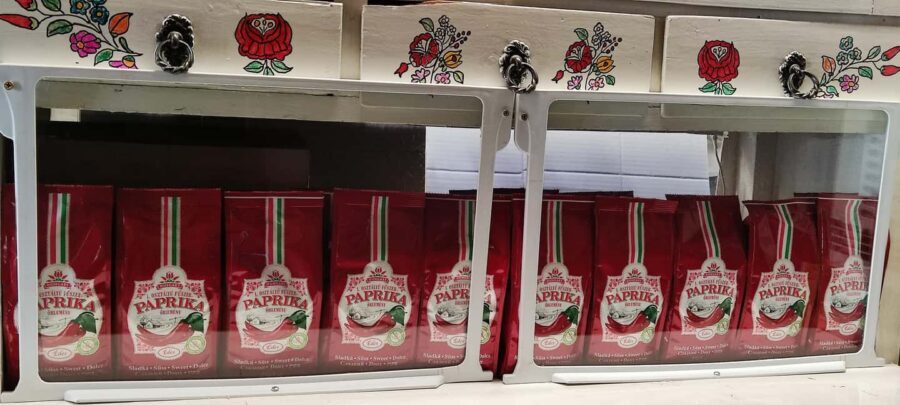
This tour is built around what Hungarians actually eat and buy in a market setting. Yes, goulash is part of the story in Hungary—but the point here is to show you the ingredients behind the flavor, and why locals reach for them again and again.
Plan on tastings that focus on the classic Hungarian lineup:
- Salami and sausage (meat is the star here)
- Cheese in more than one style
- Paprika, the spice that turns Hungarian cooking into a recognizable flavor profile
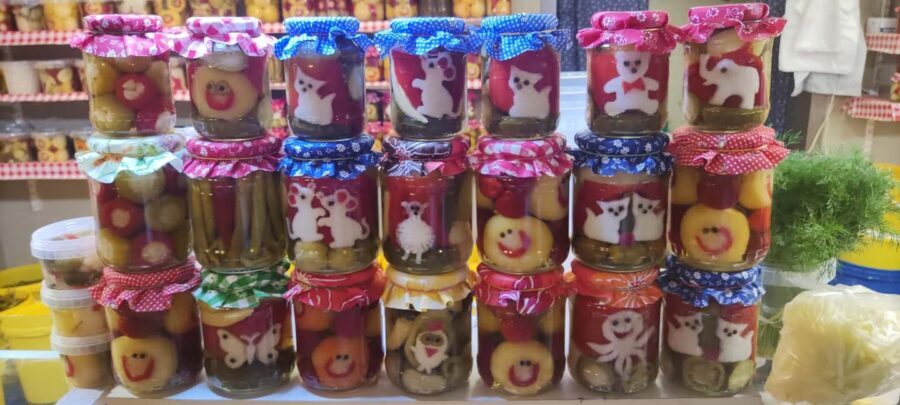
- Pickles, which show up as a sharp, tangy counterbalance to richer foods
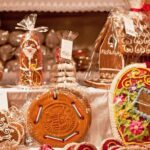
- Honey and traditional sweets, where sweetness isn’t an afterthought—it’s part of the balance
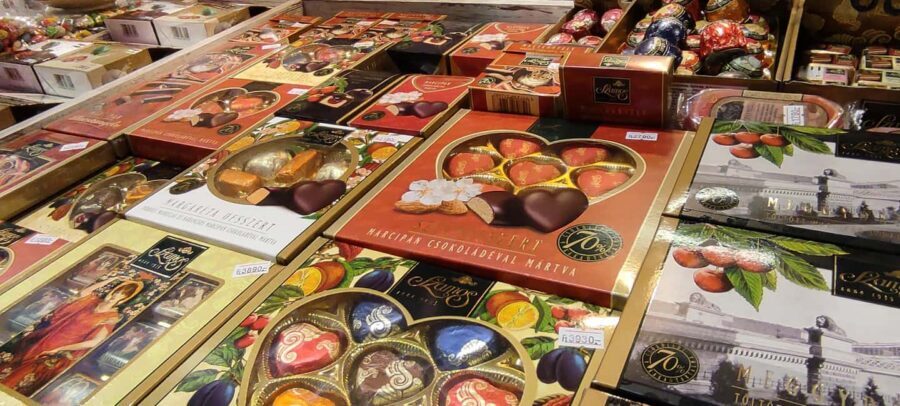
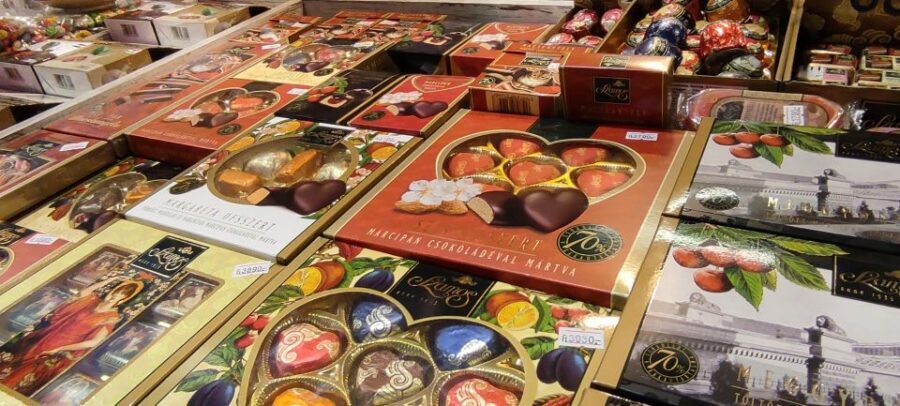
- Chocolate and other market specialties you’d see in stalls and shops
This is also the kind of tasting where you start spotting patterns. After trying salty cured meats plus creamy or tangy cheeses plus paprika-flavored notes, you begin to understand how Hungarian meals often balance intensity with acidity. Pickles help. Honey helps. Even the sweeter bites help you see why the overall flavor doesn’t just sit heavy on your tongue.
From the way the tastings are described and the kinds of items mentioned, you’re likely to get a spread that feels “sample-sized” rather than a full meal. That’s not a dealbreaker—85 minutes is short—but if you’re someone who needs a big food payoff, this is the main reason you might feel slightly underfed afterward.
The itinerary flow: the market visit that makes the history make sense
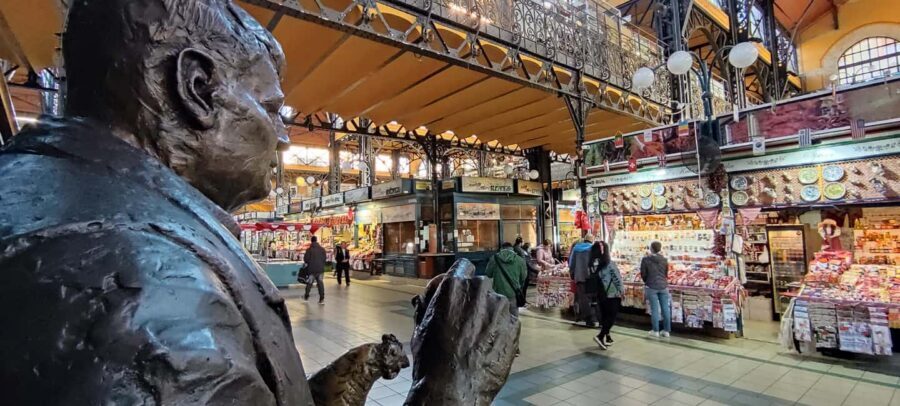
The tour follows a simple rhythm: start at the market hall, taste and learn through the Central Market Hall, then return to Csarnok tér 1 at the same meeting point. Within that, the “why” is what makes the experience useful.
You’re not only sampling products. You’re also getting a guided walking component inside the market area that connects Hungarian cuisine history to the food in front of you. That matters because Hungarian cuisine is full of ingredients that look ordinary until you know the context—then suddenly you understand why paprika, pickles, cured meats, and sweets keep showing up together.
At the market stop, you get a mix of:
- guided tour time in the hall
- cheese tasting and other local snacks
- food tasting plus a food market visit
This is the difference between eating samples and learning a system for ordering. By the end, you should feel more confident pointing at items on a menu and knowing what they’re for: salty protein, savory spice, tangy crunch, or sweet finish.
Unicum and homemade syrup: the Hungarian finish that actually teaches you flavor culture
Most food tours end with something fun. This one ends with something distinctly Hungarian: Unicum, plus a tasting of homemade syrup.
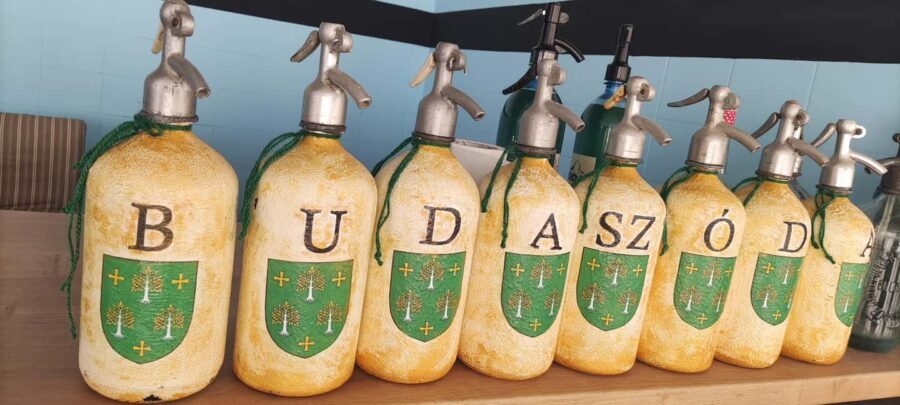
Why this is smart: Unicum isn’t just a quirky local drink. It’s part of the Hungarian tradition of strong, flavorful spirits and digestifs that cut through richness. If your earlier tastings have been heavy on cured meats and paprika-forward flavors, the Unicum finish helps your palate reset—and helps you understand why Hungarians like bold drinks alongside meals.
The homemade syrup adds a different angle: it pulls sweetness into the story without making the tour feel like one long sugar stop. It rounds out the flavor picture so you can better recognize how Hungarian sweetness and spice play off each other.
If you don’t normally drink spirits, you can still enjoy the experience as a tasting and a cultural lesson. Just keep in mind that the tour’s finale is built around these specific Hungarian specialties, not substitutes.
The German-language guide: great value if you’re comfortable with the language
This tour is conducted in German. The upside is that the guide explanations tend to be detailed and friendly—exactly what you want when you’re learning ingredient history and how to use what you taste in real ordering decisions.
One real-world caveat: if your German is limited, you can still enjoy the food, but you’ll lose some of the context that makes the tour feel like more than just tasting snacks. A couple people have pointed out that the guide’s clarity and friendliness make the German tour manageable, but language comfort still matters.
You can also read our reviews of more tours and experiences in Budapest


Digital take-home guides: your real souvenir is the planning tool
Here’s one part I wish more tours did: they give you digital resources you can use after you leave the market. You get three downloads:
- Budapest Restaurant Guide
- a Hungarian Receipt Book
- a Wine Guide of Hungary
This is the practical payoff. Food tours can end with a pleasant memory, but what helps you most is knowing where to go next. The restaurant guide helps you turn the tastings into actual plans. The receipt book is useful because it reinforces ingredient combinations you learned at the market. And the wine guide gives you something to reference when you’re standing in front of a wine list later.
If you’re the kind of traveler who wants to eat well without guessing, this is a big value add.
Price and timing: is $28 for 85 minutes good value?
At about $28 per person for 85 minutes, this is positioned as an easy add-on to your Budapest day. It’s not a long, multi-stop food festival. It’s a targeted market tasting with guide-led explanations and a distinct Hungarian spirit finale.
Here’s how I judge the value:
- You’re paying for guided context, not just food.
- You get tastings across a set of core Hungarian items: meats, cheeses, paprika, pickles, honey, sweets, and Unicum.
- You also get digital planning guides, which extend the value beyond the hour-and-a-half.
- The short duration means you can pair it with other Budapest sights without losing your entire day.
Where it might feel less like a “meal”: the portions are described as potentially small by at least some people. If you’re hungry-hungry, think of this as a taste-and-learn tour, not dinner.
Who should book this Budapest market hall tasting?
You’ll likely love it if:
- you want Hungarian flavors beyond goulash and want to understand the ingredients that shape the cuisine
- you like structured food experiences where someone tells you what to notice
- you enjoy markets and want a guided way to see what people buy
- you can handle German-language guidance (or you’re willing to follow along with the tasting even if you miss some details)
It may not be the best fit if:
- you’re strictly vegan and need meat-free tastings (this is only partially suitable for vegans/vegetarians)
- you want a big, full meal experience rather than a curated set of samples
- mobility is a priority, given the mixed wheelchair notes—check ahead
Should you book this Hungarian cuisine tasting in the Market Hall?
Yes, with smart expectations.
If you want a short, high-information way to understand Hungarian food culture, this tour does the job. You’ll leave with a clearer sense of which flavors matter most—paprika, pickles, cured meats, cheeses, honey—and you’ll get the Hungarian finishing act with Unicum and homemade syrup. On top of that, the digital guides are the kind of practical souvenir that helps you keep eating well after the tasting ends.
If you’re vegetarian/vegan, hungry for a full dinner, or sensitive to language barriers, you’ll need to weigh those factors carefully before booking. For me, the best decision rule is simple: if you’re excited by market food and you want to learn how Hungarians build flavor, this is a solid use of 85 minutes in Budapest.
FAQ
What language is the tour?
The tour is in German, with a live guide.
How long is the Budapest Market Hall tasting?
The duration is about 85 minutes.
Where do I meet the guide?
Meet at the back entrance of the Central Market Hall, against the entrance of the garage of Hotel Meininger. Your guide will have a red sticker that says GastroGuides Budapest.
What’s included in the price?
The tour includes an expert local guide, food samples (including soft drink and Unicum), a presentation of the Hungarian culinary world, and three digital guides (Budapest Restaurant Guide, Hungarian Receipt Book, and a Wine Guide of Hungary).
Is it vegetarian or vegan friendly?
Meat plays an important role in Hungarian cuisine, so the tour is only partially suitable for vegans/vegetarians.
How much does it cost?
The price is listed as $28 per person.