
REVIEW · BUDAPEST
Skip the Line: Aeropark Aviation Museum Entrance Ticket
Book on Viator →Operated by Aviation Cultural Center - Legikozlekedesi Kulturalis Kozpont · Bookable on Viator
Planes outside the runway fence can be surprisingly fun. I like the chance to see big Soviet-era aircraft up close, and I also like that your ticket bundles admission with guided time inside the museum grounds. The biggest drawback to plan for is that the experience can feel more like a working aviation display than a fully polished, English-forward museum visit.
Here’s the deal: you’re paying for access to a real collection (not just photos), including aircraft walkarounds, a simulator experience, and time with the museum shop and café at your own expense. Still, if you want lots of on-the-spot translation, audio guidance, or every plane fully open year-round, you may feel let down—especially if it’s hot or the planes’ interiors are hard to cool.
In This Review
- Key things to know before you go
- Getting to Aeropark: Budapest Airport area, minus the headache
- What you’ll see at Aeropark: a hangar-full of aircraft (mostly Soviet and Eastern Bloc)
- The guided visit: learning that’s useful, but plan for how you’ll understand it
- Simulator time: the included Cessna experience (and the paid Airbus option)
- Inside the aircraft displays: comfort, shade, and how much you can actually access
- Museum shop and café: useful stops, but keep spending optional
- Price and value: what $9.10 buys you near the airport
- Who should book Aeropark, and who might want a different plan
- Should you book? My decision rule
- FAQ
- What is included with the Aeropark Aviation Museum entrance ticket?
- Is there a simulator, and is it included?
- What aircraft are on display at Aeropark Budapest?
- How long should I plan for the visit?
- When is Aeropark open?
- How do I get there using public transport?
Key things to know before you go
- Skip-the-line prebooking helps so you’re not waiting around when you arrive near Budapest Ferenc Liszt Airport.
- Parking is free, which makes an easy half-day outing if you’re already driving.
- A Cessna simulator is included (an Airbus A320 simulator is mentioned as extra).
- Some aircraft may be closed or only viewable from outside, so manage your expectations.
- Limited comfort on sunny days: there’s little shade and the plane interiors may not feel airy.
- Small group size: the max group is 10 travelers, which can make the visit feel tighter and more manageable.
Getting to Aeropark: Budapest Airport area, minus the headache
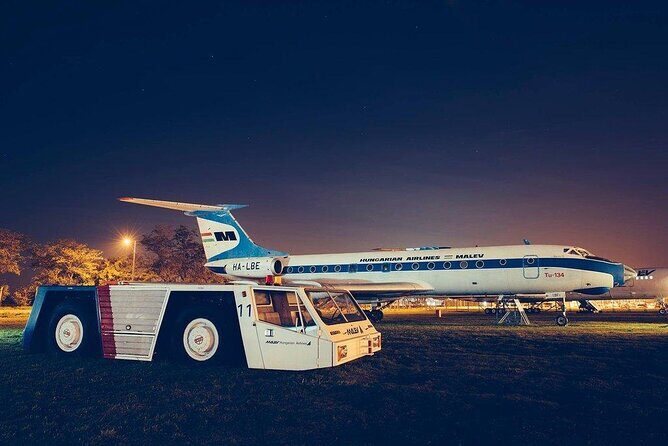
Aeropark Aviation Museum sits just outside Budapest, near Ferenc Liszt International Airport. That location is a plus if your schedule is flexible around airport time, because it’s easier to fit in than hopping across town for a specialized site.
You’ve got a couple of straightforward ways to reach it:
If you’re using public transport, take bus 200E from Kőbánya-Kispest metro or from Liszt Ferenc International Airport Terminal 2. Get off at the first stop after the terminal, named Repülomuzeum, then walk along the sidewalk.
If you’re driving, the good news is simple: free parking on site. That can matter for value, because even a short museum trip can get pricey once you factor in parking and transit logistics.
Timing helps too. The museum runs daily from the end of March until the end of October, and it’s open every weekend in between those seasons. Outside the peak season, hours narrow (notably weekends only in one date range). So before you lock in a day, line it up with the opening window—especially if you’re visiting Budapest in shoulder season.
You can also read our reviews of more tours and experiences in Budapest



What you’ll see at Aeropark: a hangar-full of aircraft (mostly Soviet and Eastern Bloc)
This is the heart of the attraction: a lineup of planes and helicopters that tells a very specific aviation story—Hungary and the wider region’s Cold War-era hardware. Your ticket gets you into the museum to explore the displays and learn from the on-site guide.
The aircraft lineup includes:
- Lisunov Li-2
- Ilyushin Il-14
- Ilyushin Il-18 (two aircraft)
- Antonov An-2 (two aircraft)
- Mil Mi-2 Helicopter
- Yakovlev Yak-40 (two aircraft)
- Let L-410
- Tupolev Tu-134
- Tupolev Tu-154
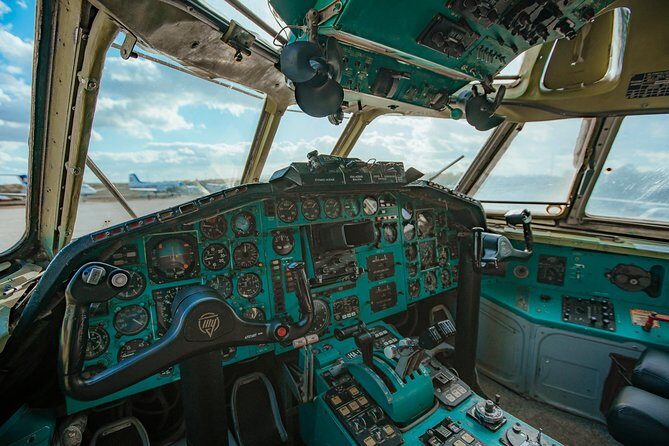
If you’re into aviation details, the value here is that it’s not just one token jet. There are multiple airframes, including several copies of the same model types. That variety means you can compare shapes, cockpit layouts, and how different aircraft were used in practice.
One practical thing to watch: not every aircraft may be open for full interior viewing. Some planes and vehicles can be visible mainly from the outside, which changes the experience from hands-on to mostly visual. If your ideal museum day is “open cockpit, quick photo, step inside,” keep that possibility in mind.
The guided visit: learning that’s useful, but plan for how you’ll understand it
Your ticket includes a guide. That’s important because aviation collections can be confusing if you only know the broad categories. A guide helps you connect the aircraft to what they were designed to do and where they fit historically—especially with Soviet-era planes like the Il-18.
That said, how much language support you get can affect your enjoyment. Some visitors have described the onsite communication as not very tourist-friendly, with limited English and little structured audio support. So if you’re the type who loves reading every label in-depth, expect that the experience may require more patience than a typical Western-style museum.
Here’s a way to make it work for you: go in with a short list of what you want to identify (a couple of model names, engines if you can spot them, what “civil” vs “military” looks like on the exterior). When you see those details, you’ll get satisfaction even if the finer print isn’t easy.
Also, remember the vibe of this place. It’s an aviation museum next to an airport, meaning it feels more functional than “white-glove indoor gallery.” That can be a good thing if you like real-world aircraft, not just neat displays behind glass.
Simulator time: the included Cessna experience (and the paid Airbus option)
One of the best value levers here is the simulator, and the key detail is that a Cessna simulator is included. That means you can get something interactive without paying extra on arrival.
There’s also mention of plans for an Airbus A320 simulator that would be charged separately. So if you’re specifically aiming for the Airbus experience, don’t assume it’s part of your ticket. Treat the Cessna as the safe included win.
Why this matters for your planning: a simulator often makes the difference between a 60-minute stop and a 3–4 hour mini-adventure. It also gives you something to do when outdoor viewing feels repetitive or when the weather turns.
I’d also mentally separate the day into two modes:
- Outdoor aircraft viewing and photos (the classic part)
- Indoor or interactive moments like the simulator (the part that adds energy)
If you’re budgeting time, prioritize the simulator earlier rather than later so you don’t feel rushed if the museum takes longer than expected.
Inside the aircraft displays: comfort, shade, and how much you can actually access
This museum is built around real aircraft sitting in real places. That sounds obvious, but it affects comfort and mobility in a big way.
Some planes may be only partially accessible. Even when aircraft are open, you might not get a carefree walk-through of every cockpit area. One factor you’ll feel quickly is temperature. If the weather is hot and sunny, you’ll likely notice there’s little shade and no air-conditioning inside the planes. Cloudy or cooler days tend to be easier on you, especially for families or anyone visiting longer than an hour.
So when you pick your time slot, think like this:
- If it’s warm: consider late afternoon or a day with better weather.
- If you’re sensitive to heat: bring water and expect outdoor time before you find comfortable pockets.
- If you’re visiting with kids: plan for short bursts inside the planes and quicker transitions to the simulator or shop.
Group size is capped at 10 travelers. That can help with flow. You’re less likely to feel trapped in a large crowd, but you still may need to follow the guide’s pacing around the aircraft that are open.
Also, don’t expect every display to be equally interactive. The collection is strong, but the hands-on level can vary depending on what’s accessible that day.
You can also read our reviews of more museum experiences in Budapest






Museum shop and café: useful stops, but keep spending optional
Your ticket covers admission and guided activities, and you can then decide what else you want. Two standouts for an easy half-day feel are the souvenir shop and the café.
The souvenir shop leans into aviation memorabilia—aircraft models, books, and collectibles connected to MALÉV Hungarian Airlines heritage. If you collect model kits or aviation books, this is the kind of place where you might actually find something specific, not generic trinkets.
The café offers coffee, tea, soft drinks, and beer, plus small snacks. That’s handy when you’ve been walking around aircraft and want a reset without leaving the site. Just remember the café is own expense, so treat it as a flexible add-on rather than a planned meal.
If you’re thinking about timing, build in 20–30 minutes for the shop or café. It’s an easy way to round out the visit, especially if you finish the aircraft walkthrough faster than you expected.
Price and value: what $9.10 buys you near the airport
At about $9.10 per person, this is priced like an entry ticket to a specialized museum rather than a big-ticket guided attraction. The “skip the line” angle also suggests prebooking can reduce waiting when you arrive.
What makes the price feel reasonable is that the ticket includes more than just access to the gates. You get a guide, and the experience is listed as including activities. The included Cessna simulator is the kind of extra that makes a low-cost ticket feel smarter.
Now, the only caution on value is expectation management. Some people have felt the aircraft access and inside viewing don’t match what they hoped for, and they also found that certain activities could cost extra on top of entry. The official framing you’ll see is that activities are included, so the best approach is to check onsite signage or ask the guide what’s included versus what’s add-on before you choose. That’s a small step that protects your budget.
If you want a simple equation, use this:
- If you enjoy aviation and don’t mind some “outside-only” viewing, it’s great value.
- If you need every cockpit open and fully English-supported narration, you might feel the price squeeze.
Who should book Aeropark, and who might want a different plan
This works best for:
- Aviation fans who like aircraft types more than generic museum topics
- Families who want a hands-on-feeling visit (especially with the included simulator)
- People who want a short, airport-area outing without complicated city transport
- Anyone combining Budapest sightseeing with a nearby specialized stop
It may not be ideal if:
- You’re very picky about translation and audio guides
- You want maximum interior access to every aircraft
- You’re visiting on an extremely hot day and really dislike outdoor waiting or warm plane cabins
The small group size helps, but the comfort and language factors still matter.
Should you book? My decision rule
Book it if you want a low-cost, aviation-focused afternoon near the airport, and you’ll use the included Cessna simulator as part of your plan. The aircraft lineup is strong on name-brand familiarity (Il series, Tu series, plus multiple models), and the location makes it a practical add-on.
Skip or reconsider if you’re expecting a highly curated, fully English, every-cockpit-open experience. The site is real aircraft on display, and that can mean uneven access and less polished messaging.
If you do book, come prepared: wear comfortable shoes, bring water, and aim for cooler hours. You’ll enjoy it more when you treat it like an aviation walk-through first, and a museum lesson second.
FAQ
What is included with the Aeropark Aviation Museum entrance ticket?
The ticket includes a guide/driver and admission to the museum activities. It also includes the activities listed for the experience, while the Airbus A320 simulator is mentioned as an extra option.
Is there a simulator, and is it included?
Yes. A Cessna simulator is listed as included. An Airbus A320 simulator is mentioned as planned and may be charged extra.
What aircraft are on display at Aeropark Budapest?
The displays include Lisunov Li-2, Ilyushin Il-14, Ilyushin Il-18 (two aircraft), Antonov An-2 (two aircraft), Mil Mi-2 helicopter, Yakovlev Yak-40 (two aircraft), Let L-410, Tupolev Tu-134, and Tupolev Tu-154.
How long should I plan for the visit?
The experience duration is approximately 1 to 4 hours.
When is Aeropark open?
Hours vary by season. From 03/31/2026 to 11/03/2026 it’s 9:00 AM to 6:00 PM daily. From 11/04/2026 to 12/23/2026 it’s 9:00 AM to 4:00 PM on Saturdays and Sundays.
How do I get there using public transport?
Use bus 200E from Kőbánya-Kispest metro station or Liszt Ferenc International Airport Terminal 2. Get off at the first stop after the terminal called Repülomuzeum, then walk along the sidewalk.