REVIEW · BUDAPEST
2 Hours Buda Castle Walking Tour – Walk with a Historian
Book on GetYourGuide →Operated by Kálmán Dániel - Walk with a Historian · Bookable on GetYourGuide
A walk here feels like turning pages. In just two hours you get Buda Castle’s big-name sights and a few smaller stops that explain how medieval Hungary turned into the modern city you see today. I particularly like how this tour keeps you moving through the Buda Castle district instead of circling the same viewpoints.
My second favorite part is the mix of famous landmarks and quieter religious history, including Matthias Church and the Buda Castle Synagogue-Museum. One thing to consider: this is a walking tour of historic sites, so if you want long café breaks or lots of downtime, you may find the pace brisk for two hours.
In This Review
- Key highlights you’ll care about
- Buda Castle in two hours: what you’ll actually get
- Where the walk starts at Buda Castle Gate
- Bécsi kapu Square and the civilian quarter story
- A small synagogue-museum stop with a big neighborhood story
- Mary Magdalene Church remains: how to read what’s missing
- Entering Matthias Church: the must-see with the right context
- Buda Castle itself: from royal seat to modern center
- The guide factor: Kálmán Dániel and why it matters
- Price and value: is $49 for two hours worth it?
- What to expect on the ground: timing, walking, and pacing
- Who this tour is best for
- Should you book this historian walk?
- FAQ
- How long is the Buda Castle walking tour?
- What does it cost?
- What sights are included on the walk?
- Is entry included for the churches and museum stops?
- Where do I meet the guide?
- What language is the tour guide speaking?
- Is there anything not included in the price?
- What is the cancellation policy?
- Can I reserve without paying right away?
Key highlights you’ll care about
- Historian guide Kálmán Dániel who covers many interesting topics in clear English
- Matthias Church entry included, so you spend time inside instead of just looking from outside
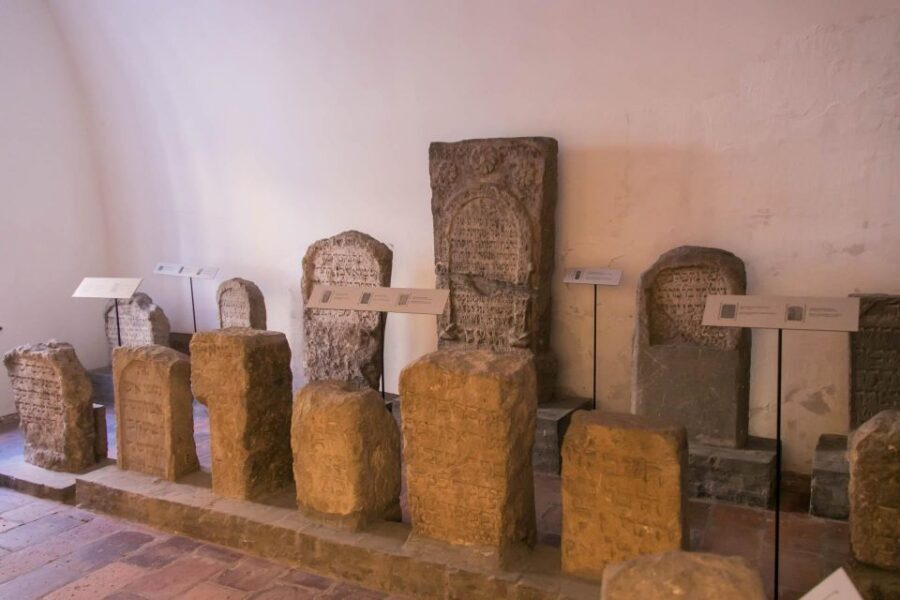
- Buda Castle Synagogue-Museum entry included, including the story behind a larger synagogue nearby
- Street-level stories in the civilian quarter and around Bécsi kapu Square, not just monuments
- A finish at Buda Castle itself, once the seat of Hungarian kings
Buda Castle in two hours: what you’ll actually get
Buda Castle is one of those places where you can easily lose half a day just wandering. This tour is different. It’s built as a focused route from the civilian parts up toward the ancient seat of Hungarian kings, with stops that connect the centuries.
You’ll cover medieval and Ottoman-era influences, then move into the modern period without having it turn into a lecture that never ends. The key is the way the walking route gives context: you aren’t just viewing buildings, you’re learning how the district itself changed roles over time.
And yes, you’ll see the famous stuff. But you’ll also get the kind of details you usually only notice when someone points them out and explains why they matter.
You can also read our reviews of more walking tours in Budapest



Where the walk starts at Buda Castle Gate
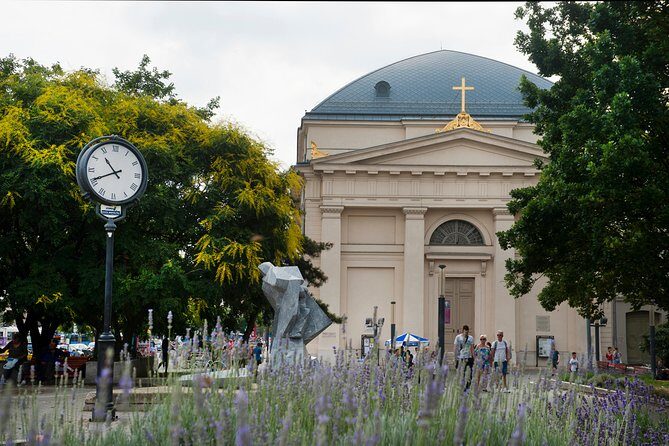
You meet in front of the Lutheran Church of Buda Castle, the white church just in front of the Castle Gate. That’s a smart starting point because it’s easy to orient yourself, and it places you right at the entry edge of the castle district.
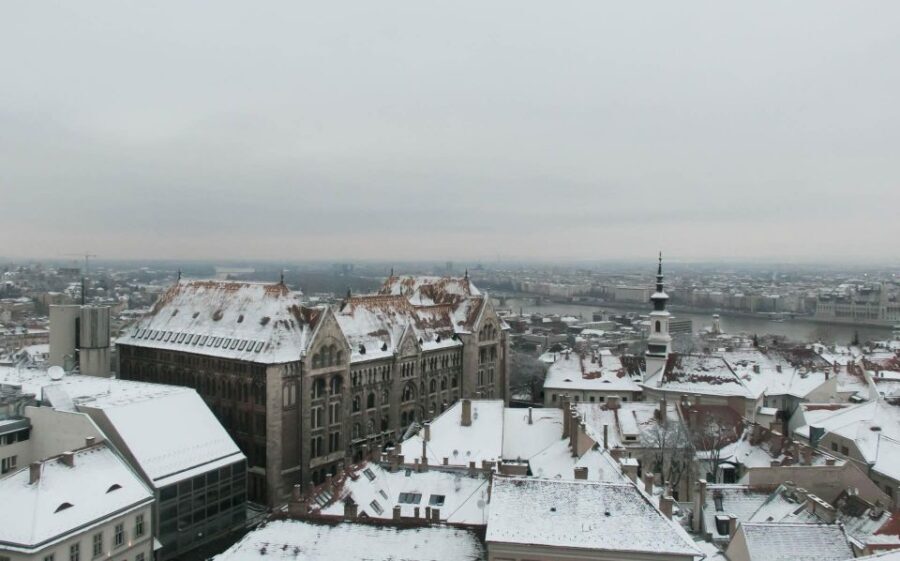
From there, the walk connects into the civilian quarter and heads toward Bécsi kapu Square. That matters because Buda Castle isn’t only about palaces. The story begins with the streets and everyday spaces that sit between the city and the royal complex.
If you’re prone to arriving and getting confused, take a moment before you start to locate that white church facade and the Castle Gate area. It’s the kind of landmark that keeps the whole day from turning into a scavenger hunt.
Bécsi kapu Square and the civilian quarter story
This tour doesn’t jump straight to the main monument. It starts in the parts of the district that weren’t purely royal. You’ll learn how the “civilian quarter” fits into Hungary’s larger story, including how different eras left marks on the same streets.
The value here is perspective. When you understand what life looked like around the castle, the later royal spaces feel less like a museum display and more like the power center of a living place.
Also, street-level details are part of the experience. You’ll be guided through the tales that surround the streets of the Buda Castle District. Even if you’ve visited Budapest before, this approach helps the area click into place.
A small synagogue-museum stop with a big neighborhood story
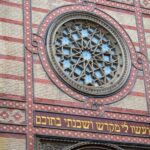
One of the more interesting moments comes early: a unique small Jewish Synagogue-Museum stop. You’ll learn the story of a bigger synagogue that once stood nearby, and you’ll hear what the smaller museum site represents today.
What I like about this kind of stop is that it makes a building feel personal, not just historic. You’re not only getting architecture. You’re getting community history—how people lived, worshiped, and were remembered in the city’s layout.
This is also one of the stops where having the entry included is practical. If you were doing it on your own, you’d have to handle ticket timing and planning. Here, it’s part of the flow, so you spend your time learning instead of troubleshooting.
Mary Magdalene Church remains: how to read what’s missing

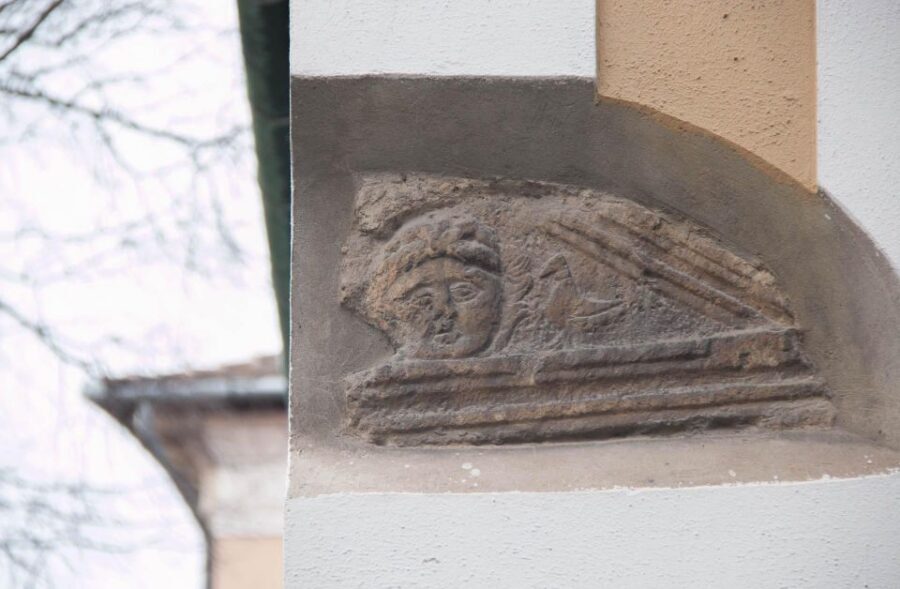
After the synagogue-museum, you’ll visit the remains of the Mary Magdalene Church. Remains can be tricky on your own because it’s easy to stare at stones and wonder what you’re supposed to notice.
In a guided setting, that changes. You’ll be able to connect the physical remnants to the broader timeline of what happened in the district across centuries.
This stop is valuable because it teaches you how to “read” a place. In historic cities, the most telling clues aren’t always the fully preserved buildings. Sometimes the key evidence is what survived, what disappeared, and what the street layout tells you.
You can also read our reviews of more tours and experiences in Budapest






Entering Matthias Church: the must-see with the right context
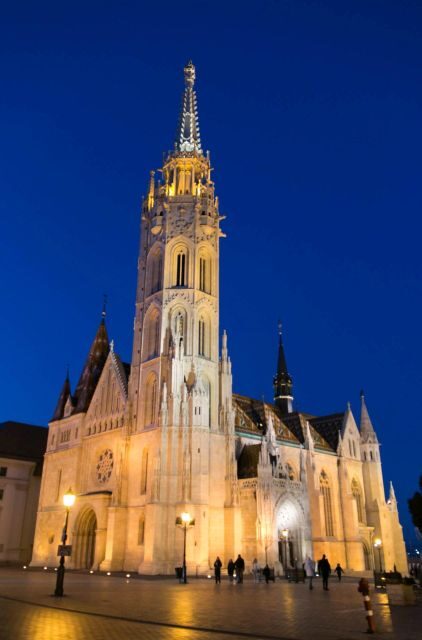
Then comes the star stop: Matthias Church. The tour includes entry, so you’ll get to see it from the inside—not just take photos outside and move on.
Matthias Church is famous for a reason, but the point of visiting on this walk is timing and context. You’ll understand why it sits where it does and how it connects to the identity of the castle district across eras.
Even if you’re not the type who loves churches, this is the kind of stop that benefits from a guide. It’s not only about what’s decorative. It’s about what the building signals in Hungarian history and how the district’s purpose shifts around places like this.
Buda Castle itself: from royal seat to modern center
The tour finishes with a visit to Buda Castle itself, described as the once seat of Hungarian kings and a natural ending point for the walking route.
This is where the walk’s theme pays off. If earlier stops were about community and the evolving district, the castle complex gives you the power-center view. You’ll be walking with the story in mind instead of treating it as a separate sightseeing island.
If you’ve only ever seen Buda Castle as a viewpoint, you might be surprised by how much meaning you can draw once you’ve heard the sequence of eras and how the district changed.
The guide factor: Kálmán Dániel and why it matters
This experience is led by Kálmán Dániel (listed as Walk with a Historian). The clearest takeaway from the guide approach is that he’s very informative and covers many interesting topics in English.
That’s not just a “nice” quality. For this specific kind of walking tour, it’s the difference between memorizing dates and actually understanding why certain streets feel the way they do. When the guide connects the monuments, the district feels coherent, even in two hours.
If you like tours where the history has practical meaning—why you’re standing where you are—this one fits that style.
Price and value: is $49 for two hours worth it?
At $49 per person for a two-hour walk, you’re paying for three big things: a historian guide, and entry to two key sites—Matthias Church and the Jewish Synagogue-Museum.
That changes the value equation. If you planned this day yourself, you’d still have to pay for entrances and you’d spend time deciding where to go in what order. Here, the route is already built, and the stops are sequenced to tell a story from civilian quarter up to the castle.
Is it a bargain? It’s not a throwaway price. But for a short, focused tour that includes two paid entries and a live English guide, it’s reasonable.
If you want a self-guided day with maximum flexibility, you might feel the cost less. If you want a structured, efficient route with interpretation, it’s easier to justify.
What to expect on the ground: timing, walking, and pacing
The duration is 2 hours, and it’s a real walking tour. That means you’ll move between stops without lots of long pauses.
The upside is that you’ll leave with a clear “mental map” of the castle district. The downside is that if you’re hoping to take your time at every single viewpoint, you may need to add extra time before or after the tour.
As for food, you’re not provided any café stop. Food and drink are optional on your own, so plan to grab something nearby before or after if you need it.
Who this tour is best for
This works especially well if you:
- Like history explained in plain language, tied directly to what you see
- Want Matthias Church and the synagogue-museum experience without planning every detail
- Prefer a guided route over random wandering in one of Budapest’s most visited areas
It may be less ideal if you:
- Want a long, slow day with big breaks
- Prefer only outdoor sights and no church or museum entry
Should you book this historian walk?
I’d book it if you want a tight two-hour plan that connects the castle district’s major religious landmarks with smaller, meaningful stops. The combination of Matthias Church entry, the Jewish Synagogue-Museum, and the Mary Magdalene Church remains gives you a clearer sense of how Hungary’s layers show up in the district.
Also, the guide factor matters here. When Kálmán Dániel is focused and informative, the history feels like it belongs to the streets you’re walking.
If you’re visiting for a limited time, or you want to make sure you see more than just the headline spots, this is a strong use of an afternoon or morning. Add a bit of extra time afterward for slow views from the castle area, and you’ll get the best of both worlds.
FAQ
How long is the Buda Castle walking tour?
The tour lasts 2 hours.
What does it cost?
The price is listed as $49 per person.
What sights are included on the walk?
You’ll visit Matthias Church, the Buda Castle Synagogue-Museum, the remains of the Mary Magdalene Church, and Buda Castle.
Is entry included for the churches and museum stops?
Yes. Entry to Matthias Church and the Jewish Synagogue-Museum is included.
Where do I meet the guide?
Meet in front of the Lutheran Church of Buda Castle, the white church in front of the Castle Gate.
What language is the tour guide speaking?
The tour is in English.
Is there anything not included in the price?
Food and drink at a local café are not included (optional).
What is the cancellation policy?
You get free cancellation up to 24 hours in advance for a full refund.
Can I reserve without paying right away?
Yes, it offers reserve now & pay later, meaning you can book your spot and pay nothing today.