REVIEW · BUDAPEST
Budapest: Classical Music Concert in St. Michael’s Church
Book on GetYourGuide →Operated by DKN Zenei Ügynökség Kft. · Bookable on GetYourGuide
Hardwood pews, heavenly sound. The big draw here is excellent acoustics inside St. Michael’s baroque shell, plus a big-name program that blends Vivaldi and Mozart. The main trade-off is wooden pews, which can feel hard even if your ticket includes extra comfort in some seat areas.
You’ll start at Budapest’s Inner-City Church of Saint Michael, sit down with a pre-booked ticket, and settle into an evening that runs about 70 minutes. Pick from three seating categories so you can manage comfort and budget before you even step inside.
Key Things I’d Pay Attention To
- Acoustics that carry: St. Michael’s design makes string and choral lines sound clean and close.
- A program with real variety: Vivaldi’s Four Seasons leads, then Mozart’s Requiem, then organ selections.
- Seating comfort can vary: some seats include heated pads, but the core experience is still pews.
- Short, focused timing: at 70 minutes, it’s an easy slot for an evening out.
- Classics done without fuss: you get a recognizable mix of familiar names—Vivaldi, Mozart, Bach, Handel, and Saint-Saëns.
- Good for a night on foot: it’s in central Budapest, near the walkable city-center core.
In This Review
- St. Michael’s Church: the Baroque Room That Makes the Music Work
- Your Ticket Experience: Pre-Booked Seats and a Clear 70-Minute Format
- The Main Event: Vivaldi’s Four Seasons, Then Mozart’s Requiem
- First up: Vivaldi’s Four Seasons style selections
- Then: Mozart’s Requiem in D minor
- A point worth noting: the performers
- The Organ Concert Segment: When the Church Shows Off
- Seating Categories and Comfort: Choose Based on Your Reality, Not Your Optimism
- Acoustics You’ll Feel: Why St. Michael’s Sounds Like a Concert Hall
- Before You Go: Quick, Useful Tips for a Smooth Night
- Value at About $53: When It’s Worth It
- Who This Concert Fits Best (and Who Might Want a Different Option)
- Should You Book This Budapest Classical Music Concert?
- FAQ
- How long is the concert?
- Where is the meeting point?
- What music is included in the program?
- Is food or drinks included?
- Can I choose different seating options?
- Is the venue wheelchair accessible?
- What is the cancellation policy?
St. Michael’s Church: the Baroque Room That Makes the Music Work
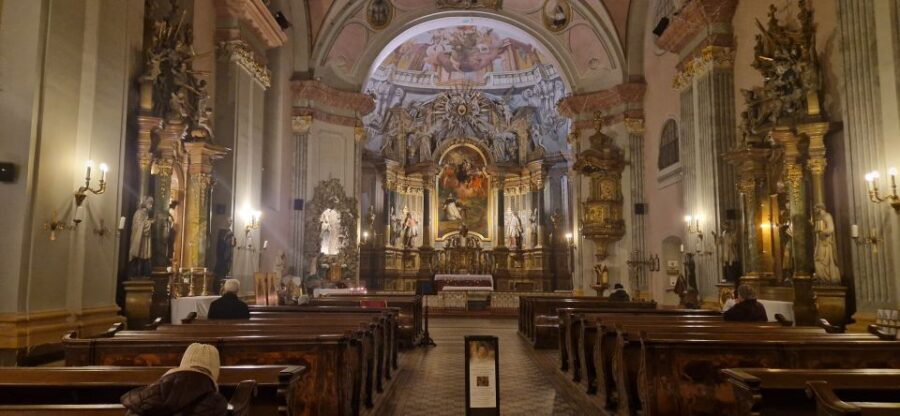
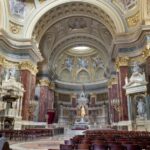
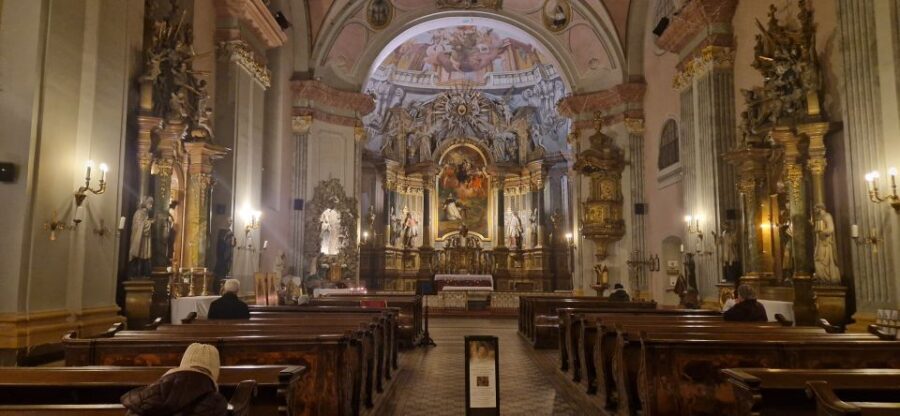
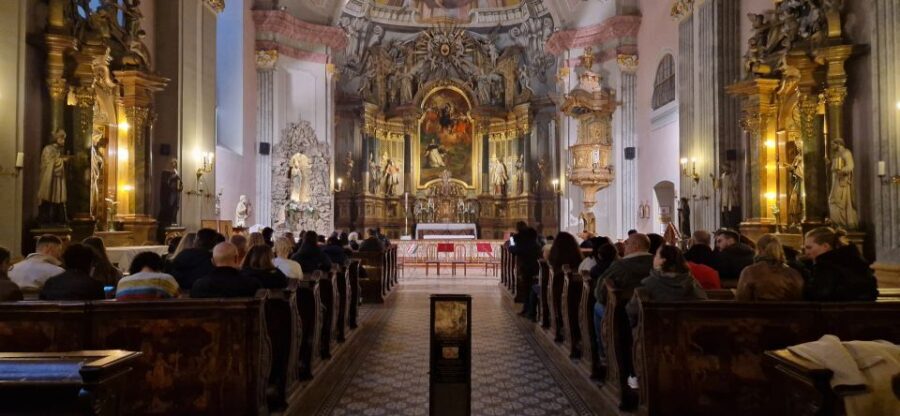
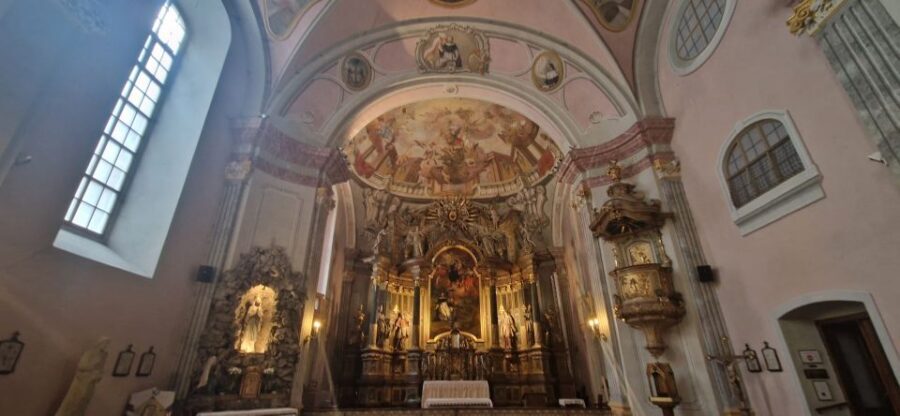
St. Michael’s Church sits in Budapest’s inner city area, and the whole concert idea makes sense the moment you enter. The space is historic and ornate, with baroque interiors that keep the sound moving. That matters for you, because you’re not listening to background music. You’re in a room designed for hearing details.
This is also a practical venue choice. A 70-minute concert is long enough to feel like an event, but short enough that you’re not trapped in a late-night schedule. For many visitors, it pairs nicely with an evening stroll in the same neighborhood rather than forcing a long commute.
Two things I love about the setting: the atmosphere and the sound. The church creates that Cathedral-quiet feeling—people settle in, and the music feels like the main event. Even if you choose a less expensive seat, the core experience stays intact because the acoustics do the heavy lifting.
One consideration: the church can be cool in winter, and in warmer months it may not feel ventilated like a modern hall. If you tend to get uncomfortable with temperature, plan for it before you blame the performance. Music can’t fix cold knees.
Your Ticket Experience: Pre-Booked Seats and a Clear 70-Minute Format
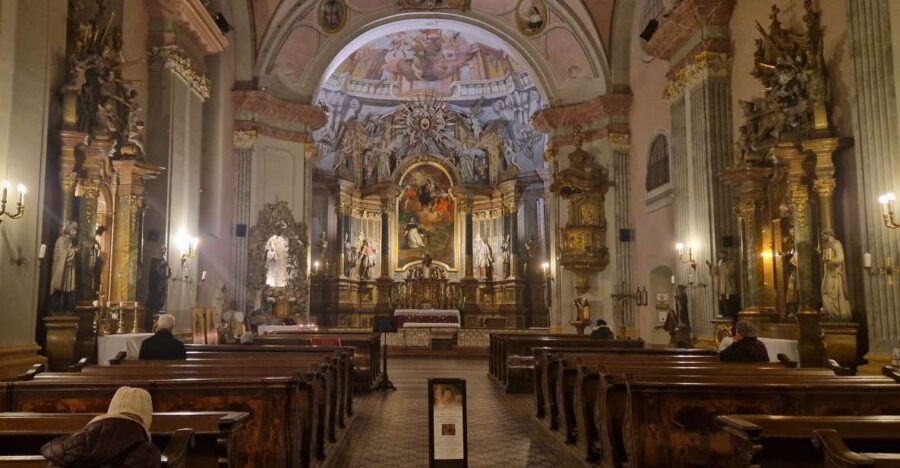
This concert is built around one simple promise: you buy your ticket ahead of time, you arrive at Saint Michael’s, you find your seat category, and the music starts. No confusing detours. No long pre-show lecture required to enjoy it.
Duration is about 70 minutes. That timing is ideal if you want culture without turning your night into a half-day project. You can still do dinner before or after without rushing across town.
Because tickets are tied to seating categories, your expectations should match how concerts work in churches. The venue isn’t a theater with identical sightlines from every seat. Some spots give you a more direct view and a more comfortable angle. Others are still great for listening, but you may work harder to settle in.
If you’re the type who hates searching for a good place once you’re inside, this is a plus. Pre-booked seating is one less stress moment on arrival.
You can also read our reviews of more tours and experiences in Budapest


The Main Event: Vivaldi’s Four Seasons, Then Mozart’s Requiem

The heart of the program centers on a mix of well-loved pieces that most people recognize within the first few minutes. It’s not one composer all night. It’s a crafted flow that moves from bright and seasonal Baroque energy to darker, more dramatic sacred music.
First up: Vivaldi’s Four Seasons style selections
The Vivaldi segment starts with pieces that set a celebratory tone—works like Pachelbel’s Canon and Vivaldi’s Gloria. Then the program reaches into the famous “Seasons” world with Vivaldi’s Four Seasons, including Summer, Winter, Spring, and Autumn.
Here’s why this matters for your listening: Four Seasons isn’t just one melody. It’s a sequence of moods. If you’ve ever loved Vivaldi for the emotional “picture painting,” this format gives you that feeling over and over again without requiring any background research.
You’ll also hear shorter sacred and lyrical pieces mixed around that main idea. Selections include:
- Schubert’s Ave Maria
- Mozart’s Church Sonate in D major (with Ave Verum)
- Saint-Saëns’ The Swan
- Mozart’s Alleluja
That combination helps keep the evening varied. You’re not waiting through filler. You get recognizable tone changes—religious, graceful, and then more dramatic.
Then: Mozart’s Requiem in D minor
After the Vivaldi world, the evening shifts gears with Mozart’s Requiem in D minor (K. 626). The program lists a full sweep of major parts, including the Introitus, Kyrie, Dies Irae sequence (with sections like Tuba Mirum and Rex Tremendae), and the Offertorium and Lux Aeterna.
This is the part that gives the concert its emotional weight. If Vivaldi feels like seasonal theater, Mozart’s Requiem feels like a steady descent into gravity. Even if you don’t know every movement title, the music has strong signposts—like when the intensity rises and when it softens.
If you like sacred classical music but find long church services too slow, this can be a great compromise. You get the dramatic arc in a concert-length window.
A point worth noting: the performers
You’ll hear the music performed by the Danube String Orchestra, and in this setup you’ll likely spot standout musicians up close on stage level. One name that comes up in past performances is Gabora Gyula, mentioned as an exceptional lead. That kind of front-player presence can make the phrasing feel more alive, especially in fast or expressive passages.






The Organ Concert Segment: When the Church Shows Off
The last segment leans into organ music, which fits St. Michael’s Church beautifully. An organ doesn’t just add sound. It adds a layer of depth that strings alone can’t. In a church this size, organ notes can feel like they fill the walls, not just the room.
The organ segment includes a mix of famous sacred and classical hits, such as:
- J.S. Bach: Toccata and Air
- Handel: Messiah selections (Rejoice) and Largo from Xerxes
- Vivaldi: Four Seasons Largo from Winter
- Gounod: Ave Maria
- Widor: Toccata from the Organ Symphony No. 5
- Liszt: Ave Maris Stella
- Franck: Panis Angelicus
- Massenet: Thais Meditation
- plus additional Ave Maria and Alleluja selections from Mozart
Why I think this is smart for you: even if you came for Vivaldi’s Four Seasons, the organ section gives you a second reason to stay sharp. It’s also a natural “end of the night” style finale, because organ music often lands with a sense of closure and scale.
Seating Categories and Comfort: Choose Based on Your Reality, Not Your Optimism
This concert offers three seating categories. That’s a huge help, because comfort in old churches is not a minor detail. You’ll be sitting in wooden pews, and some seats include heated pads, which can be a life-saver in cold weather.
If you’re going in winter, I strongly recommend leaning toward better seating rather than saving money. Heated seat pads are the kind of small upgrade that changes how long you can relax and listen. People have mentioned how welcome this is during cold months.
If you’re going in warmer weather, plan for heat too. One recurring issue is that there may be limited climate control. So, if you run hot, bring a small hand fan or something light you can use discreetly.
The other comfort issue is posture. Wooden pews aren’t built for long sitting. Some people found the back and seat area less forgiving over time. If you know you need support, consider the option that gets you closer to a better seat or more room to shift.
Practical tip: if you’re traveling with a group and comfort matters, don’t all pick the cheapest section. Split decisions by who will be the one most affected by hard seating. That single choice can turn a good concert into an easy one to enjoy.
Acoustics You’ll Feel: Why St. Michael’s Sounds Like a Concert Hall
The most repeated reason people keep coming back is the acoustics. In church venues, acoustics can either help you focus or make words and notes blur together. Here, the sound carries well enough that you can follow the musical structure without straining.
Strings benefit from clarity. Choral and sacred sections benefit from space. And organ notes benefit from resonance. In a room like St. Michael’s, the mix tends to land cleanly, which is exactly what you want for pieces like Mozart’s Requiem.
This is also why the short length works. If the sound is good, 70 minutes feels satisfying rather than rushed. You leave with the feeling that you heard a complete arc.
Before You Go: Quick, Useful Tips for a Smooth Night
Here’s how I’d set you up for a low-stress experience.
- Arrive a bit early if good seating matters to you. Even with assigned categories, getting settled early helps you stop adjusting once the music begins.
- Dress for church temperature, not just the Budapest weather outside. Old stone can cool quickly at night, even when the city feels mild.
- Bring a comfort plan. If you’re sensitive to hard seating, consider the more comfortable category and prepare for the realities of pews.
- Keep your phone down once the music starts. People notice screens when they pop up around you, and bright displays can distract from the mood. If you take photos, follow any venue guidance and keep it minimal.
Meeting point is straightforward: Budapest’s Inner-City Church of Saint Michael. You’ll head there directly and go inside for your seating category.
The experience is ticket-only—food and drinks aren’t included—so think about dinner separately. If you’re building the day around this concert, place meals so you’re not rushing right up to start time.
Value at About $53: When It’s Worth It
At around $53 per person for a 70-minute classical concert in a famous inner-city church, you’re paying for three things at once:
- A recognizable, varied program with big-name composers.
- A venue with acoustics built for this style of music.
- Pre-booked seating options so you don’t hunt around.
Is it a bargain compared with free concerts? Obviously not. But it’s also not a tourist-trap price for a real live performance setting. If you value classical music and you want it in a Budapest landmark, this is the kind of ticket that often feels like “done right.”
If you’re on a strict budget, compare the seating categories carefully. The cheaper seats might still deliver strong sound, but comfort can change your enjoyment. For many people, paying a little more for a better seat becomes money well spent.
Who This Concert Fits Best (and Who Might Want a Different Option)
This is a good match if you:
- love classical music and want a program with familiar composers (Vivaldi, Mozart, Bach, Handel, Saint-Saëns, plus others)
- want an evening that’s short, structured, and easy to plug into your Budapest plans
- care about venue atmosphere and listening in a historic church setting
- like string-led performances, with organ adding extra power later
It’s less ideal if you:
- can’t handle sitting on hard wooden pews for about an hour
- need modern comfort like climate control to stay comfortable
The good news is that seating categories give you a way to reduce that risk. Choose based on your tolerance for discomfort, not on hope.
Should You Book This Budapest Classical Music Concert?
If you want a classic Budapest night that mixes famous composers with a landmark church atmosphere, I’d book it. The combination of strong acoustics, a recognizable program, and a manageable 70-minute time window makes it easy to justify.
Make your decision like this:
- If you’re comfortable in churches and want a real live concert, this is an easy yes.
- If you’re picky about seating comfort, spend the extra attention on the seating category that sounds most forgiving.
- If you hate hard seating, plan for it before you arrive—because that’s the one issue that can quietly steal the joy.
Bottom line: for most people who care about classical music, this is the kind of ticket that turns an evening into a memory.
FAQ
How long is the concert?
The concert lasts about 70 minutes.
Where is the meeting point?
Go to Budapest’s Inner-City Church of Saint Michael.
What music is included in the program?
The program includes Vivaldi’s Four Seasons, Mozart’s Requiem, and an organ concert segment featuring works by composers such as Bach, Handel, Vivaldi, Gounod, Widor, Liszt, Franck, and Massenet.
Is food or drinks included?
No. Food and drinks are not included.
Can I choose different seating options?
Yes. You can choose from three seating categories.
Is the venue wheelchair accessible?
Yes, it is wheelchair accessible.
What is the cancellation policy?
Free cancellation is available up to 24 hours in advance for a full refund.