REVIEW · BUDAPEST
Budapest: 3-Hour Walking Tour of Pest with a Historian
Book on GetYourGuide →Operated by Budapest Explorers · Bookable on GetYourGuide
Three hours, Pest’s story on foot. This small-group walk turns central Budapest into something you can actually follow, with a historian guiding you through Downtown Pest and the city’s changing attitudes across centuries.
What I like most is how the tour mixes major landmarks with street-level context, so you’re not just collecting photos. You’ll also get room for questions, and guides such as Judit, Barbara, Monica, Andrea, Raymond, and Greg are praised for bringing Hungary’s past to life like it matters today.
Two highlights really anchor the experience: a ticketed visit to St. Stephen’s Basilica (Budapest’s largest church inside) and a ride on the Millennium Underground, the oldest subway on the continent. The combination makes the history feel physical—stone, street, and transit.
One possible drawback: it’s a solid walking-and-standing schedule for 3 hours. If weather’s rough or you tire easily, plan for slower breaks and wear comfy shoes.
In This Review
- Key things you’ll notice on this Pest tour
- Entering Pest: the “you can feel it” side of Budapest
- Meeting at Kempinski Corvinus and getting started without stress
- St. Stephen’s Basilica: a ticketed stop you’ll remember
- Downtown Pest walking: Danube Promenade, art nouveau, science, and cobblestones
- Heroes’ Square: 1000 years explained through people
- Andrássy Avenue and the Opera area: UNESCO-sited grandeur at street level
- Millennium Underground: the ride that makes history feel modern
- How the guide style shapes the whole 3 hours
- Price and value: what $57 buys you in real terms
- Who this tour is best for (and who should consider alternatives)
- Should you book this Pest walking tour?
- FAQ
- FAQ
- How long is the tour?
- How much does the Budapest Pest walking tour cost?
- Is the tour with a live guide or self-guided?
- What’s the group size?
- Where do we meet?
- How do I get to the meeting point by public transport?
- What main sights are included?
- Is St. Stephen’s Basilica admission included?
- Do I ride the Millennium Underground during the tour?
- Can I cancel for a refund?
Key things you’ll notice on this Pest tour
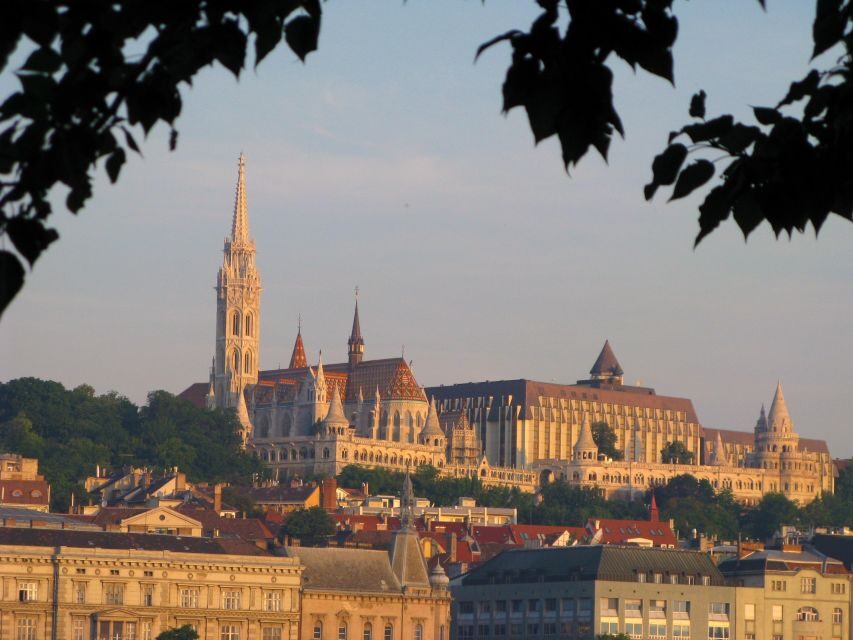
- St. Stephen’s Basilica entrance ticket included, so you’re not hunting for options on the day
- Millennium Underground ride, built into the route instead of being a separate detour
- Heroes’ Square and the 1000 years theme, with historical figures explained clearly
- Andrássy Avenue + Hungarian State Opera area, including UNESCO-sited architecture
- Downtown Pest stops on foot, from Danube Promenade views to art nouveau and cobblestone streets
- Small group (max 10), which keeps the pace conversational rather than rushed
Entering Pest: the “you can feel it” side of Budapest
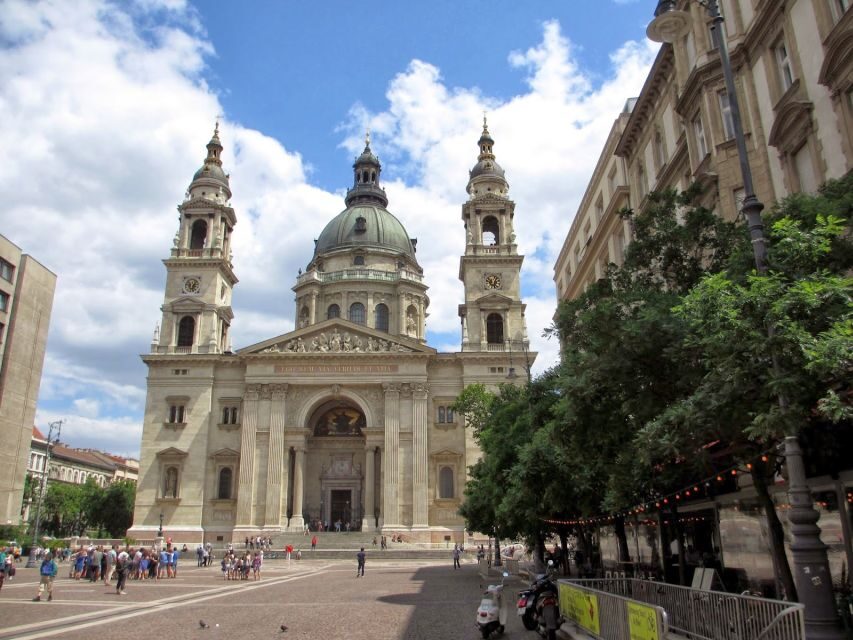
If Buda often gets framed as the scenic, hilltop part of town, Pest is the working heart you read through its streets. This tour focuses on Pest and Downtown Budapest, where you’ll see the layers: empire-era grandeur, bold civic spaces, and the everyday city life happening alongside it all.
The big value here is the way the guide connects places to ideas. You’re not just walking past sights; you’re learning how Pest developed its own mentality compared with Buda residents, and how Hungary’s past connects to what you see now. In practice, this makes it easier to orient yourself fast when you arrive, because the city starts to make sense.
And you’ll have a live English-speaking historian guide with you the whole time. That matters on a 3-hour tour. Short duration is great for attention, but only works if the guide can explain what you’re seeing right now.
You can also read our reviews of more walking tours in Budapest



Meeting at Kempinski Corvinus and getting started without stress
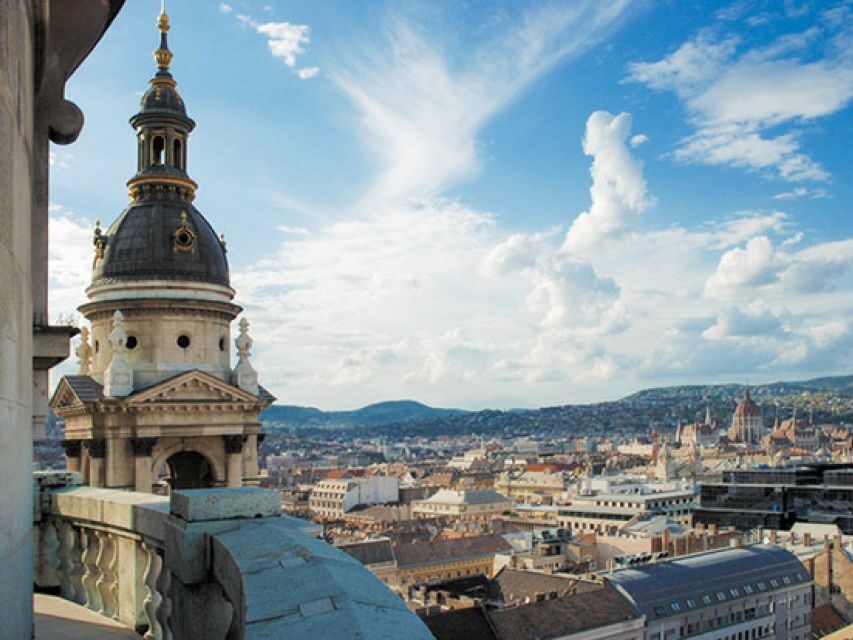
You meet in front of Kempinski Hotel Corvinus Budapest, on Erzsébet square, facing the Ferris wheel. The address is Erzsébet tér 7, 1051. This is a practical spot: you’ll find it easy to orient around the square before you start.
Getting there is straightforward. Use the M1, M2, or M3 subway lines to Deák Ferenc tér stop, and you can also reach the area by several buses and trams. If you’re early, take a minute to stand near the meeting side so you don’t waste time later.
This start point also helps you “set the direction” immediately. You’ll leave central Erzsébet tér territory and move into Downtown Pest sights right away, rather than spending your first hour commuting between neighborhoods. That’s a hidden value in short tours.
St. Stephen’s Basilica: a ticketed stop you’ll remember
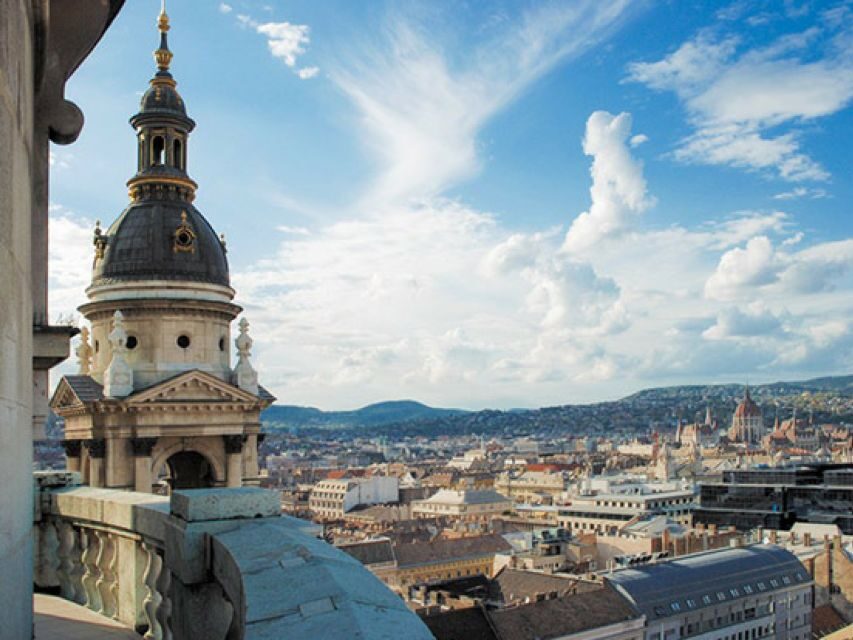
St. Stephen’s Basilica is your first big anchor, and the tour includes the entrance ticket. That’s important because it removes one of the most annoying parts of sightseeing: figuring out whether you should buy tickets, where the line is, or how long entry might take.
You’ll visit the basilica inside, and the guide will frame it as Budapest’s largest church. The interior visit is one of those moments where the tour’s historian role really pays off. It’s not just “look at the ceiling.” You get context that helps you understand why this church is such a central reference point in the city’s story.
One practical tip: because this is a major landmark, it can draw crowds. Arrive with patience, and keep your eyes on what the guide points out. If you only have limited time in Budapest, this ticketed stop is the kind of “spend your energy wisely” decision that makes the tour feel worth it.
Downtown Pest walking: Danube Promenade, art nouveau, science, and cobblestones
After the basilica, the route keeps you in the rhythm of Pest’s inner city—mixing major sights with smaller street details. Expect stops that include the Danube Promenade, the Art Nouveau splendor of Gresham Palace, the historic Academy of Sciences, and the cobblestones of Zrínyi street.
Here’s why this part works: Pest isn’t only about big squares. It’s also about texture. Cobbled streets change how you move. Grand facades change how you look. And when the guide ties those details to Hungary’s past and present, the city stops feeling like a list.
You’ll also get plenty of time for questions. Some guides on this tour style are praised for combining family-life perspective with historical context, which is exactly the kind of interpretation that turns “I saw a building” into “I get why it looks like that.”
If weather turns, this section can be the most tiring because you’re moving. Keep a layer handy, and treat breaks as part of the plan rather than interruptions.
Heroes’ Square: 1000 years explained through people
Then you reach Heroes’ Square, one of Budapest’s most iconic civic spaces. The tour doesn’t treat it as a quick photo moment. Instead, you’ll learn about Hungary’s most influential historical persons, with the big theme that you’re seeing 1000 years of Hungarian history in one focused area.
This is a smart use of time. Heroes’ Square can feel like a monument you either “get” immediately or don’t. With a historian guide explaining who the figures represent and why they mattered, the symbolism turns from decoration into a timeline you can hold onto.
I especially like the way the tour builds understanding rather than piling facts. You start noticing that monuments and street plans reflect power, identity, and political shifts. That’s what makes the square useful even after the tour ends—when you walk past it later, it sticks in your head with meaning, not just height and stone.
You can also read our reviews of more tours and experiences in Budapest






Andrássy Avenue and the Opera area: UNESCO-sited grandeur at street level
Next comes one of the most photogenic stretches of Pest: Andrássy Avenue, a UNESCO world heritage site. This is where Budapest’s “main character energy” shows up in architecture and perspective.
The tour includes time walking Andrássy Street, and you’ll also see the Hungarian State Opera area. Even if you don’t go inside (the tour description highlights outdoor sightseeing here), you’ll get a sense of how formal city planning shaped the experience of living in this part of Pest.
What’s genuinely useful: the guide doesn’t separate art and politics. The avenue isn’t only a pretty corridor; it’s connected to how Pest grew and how the city presented itself. That helps you understand why visitors often call this stretch the postcard part of Budapest—but locals still treat it like a lived-in part of town.
If you like architecture, this section will feel like a “walk with your eyes.” If you’re more into history, the guide’s explanations help you read the buildings like documents.
Millennium Underground: the ride that makes history feel modern
One of the tour highlights is getting to ride the Millennium Underground, described as the oldest one on the continent. This is the rare sightseeing element that isn’t just visual. You experience history with your body—movement, station feel, and the simple act of riding a transit system that predates what most visitors expect.
Why it’s valuable on a 3-hour tour: it breaks up the walking, but it’s not a random break. The ride is tied into the route’s story of Pest’s development and how the city modernized.
You’ll also see how the guide blends past and present. Some guides are praised for threading their own upbringing stories into the bigger narrative, which makes the subway ride more than trivia. It becomes a small example of how everyday routines can have deep historical roots.
How the guide style shapes the whole 3 hours
The standout across the guide names is their energy and willingness to answer questions. People mention guides like Judit and Greg for turning broad Hungarian history into clear, digestible explanation—at a fast but not chaotic pace.
One detail that stood out in the information I was given: Greg is described as able to condense 1000s of years of history into about 10 minutes early in the tour. That’s a big deal. When you get an early timeline, everything you see afterward becomes easier to place.
You’ll likely notice another pattern: guides often weave in current-life perspective alongside older events. That’s why this tour works for first-timers. You leave not only knowing what things are called, but how they fit together in the story of Hungary.
If you prefer a tour where you can talk back—ask questions about politics, daily life, and cultural differences—this format should feel natural. And since it’s limited to 10 participants, the group stays small enough for real interaction.
Price and value: what $57 buys you in real terms
At $57 per person for 3 hours, this tour is best understood as a bundle. You’re not just paying for walking and a guide; you’re also getting:
- Entrance ticket included for St. Stephen’s Basilica
- Subway ticket(s) included (since the Millennium Underground ride is part of the experience)
- A historian guide and guided route through central sights
That matters for value because tickets and transit add up fast when you travel independently. If you tried to build a similar route yourself, you’d spend time coordinating entries and transit, and you might miss the interpretive layer that makes landmarks meaningful.
The price also becomes easier to justify because the group stays small. Limited group size helps you ask questions without waiting your turn, and it supports a steady pace rather than a conveyor-belt tour.
Who this tour is best for (and who should consider alternatives)
This Pest tour is a great fit if you:
- Want an efficient introduction to central Budapest (Pest)
- Like historical context tied directly to the places you see
- Appreciate a guide who welcomes questions and answers beyond the basics
- Plan to visit major sites like St. Stephen’s Basilica, Heroes’ Square, and Andrássy Avenue but want them explained
It may be less ideal if you:
- Want a slow, sit-down tour with lots of long museum time
- Don’t like walking for long stretches in variable weather
- Prefer to explore fully on your own schedule without transit included
For most people visiting for the first time or with limited time, the structure is smart: major icons plus a few street-level textures, all in a compact window.
Should you book this Pest walking tour?
If you want to get your bearings in Budapest and understand what you’re seeing while you’re still there, this tour is a strong choice. The included Basilica ticket and the Millennium Underground ride give you more than a typical sight-walk, and the historian-led Q&A approach helps the history stick.
Book it if you like learning as you move and you’d rather ask questions than Google your way through a confusing city. Skip it only if you strongly prefer a slower pace or you plan to do a lot of independent Basilica/transport planning on your own.
FAQ
FAQ
How long is the tour?
The tour lasts 3 hours.
How much does the Budapest Pest walking tour cost?
The price is $57 per person.
Is the tour with a live guide or self-guided?
It’s a live tour with an English guide.
What’s the group size?
The group is small, limited to 10 participants.
Where do we meet?
You meet in front of Kempinski Hotel Corvinus Budapest, facing the Ferris wheel on Erzsébet square (Erzsébet tér 7, 1051).
How do I get to the meeting point by public transport?
You can take the M1, M2, or M3 subway to Deák Ferenc tér stop, then use buses or trams to reach the area.
What main sights are included?
The tour covers St. Stephen’s Basilica, Heroes’ Square, Andrássy Avenue, the Millennium Underground, plus sights like Danube Promenade, Gresham Palace, Academy of Sciences, Zrínyi street, and the Hungarian State Opera area.
Is St. Stephen’s Basilica admission included?
Yes, the tour includes an entrance ticket to St. Stephen’s Basilica.
Do I ride the Millennium Underground during the tour?
Yes. You’ll ride the Millennium Underground as part of the experience.
Can I cancel for a refund?
Yes. Free cancellation is available up to 24 hours in advance for a full refund.