REVIEW · BUDAPEST
Budapest: Hammer & Sickle Communism Walking Tour
Book on GetYourGuide →Operated by Absolute Tours · Bookable on GetYourGuide
Communism is history you can walk through. This 2.5-hour Budapest walking tour turns the Hammer & Sickle era into street-level stories, from working life to passport rules and the reality behind the Iron Curtain. I especially like how you get both daily-life details (the kind people remember) and the bigger political timeline, and you also get a stop at a 1956 Revolution exhibition plus time at Liberty Square. The main thing to consider is the walking: expect about 2 hours of continuous walking, and it’s not a good fit if you have mobility limits or if you’re traveling with kids under 14.
You’ll start in central Pest and move through places where the communist story still shows up in public space. I’m a fan of the guide-led approach here because you’re not just looking at monuments; you’re getting the why behind them, including how Hungary got to the moments that put it on Europe’s map. One possible drawback is that, like any guide-led tour, the pacing can feel different depending on who leads your group, so it’s worth choosing a departure time that matches your energy level.
In This Review
- Key things I’d focus on before you go
- Starting at Deák Ferenc tér: your launch point in central Pest
- What to wear and why it matters
- How everyday communism worked: Trabant streets, workplace rules, and passports
- A small but important reality check
- The 1956 Revolution exhibition: what it adds to the walking part
- Why this stop is worth your attention
- Liberty Square Soviet Memorial: standing face-to-face with the ending
- A note on expectations
- Walking toward the Hungarian Parliament: power, location, and symbolism
- Price and value: is $72 worth 2.5 hours?
- How the group experience can feel: small groups and real guide dynamics
- Practical advice: making the 2-hour walk feel manageable
- Who this tour is best for
- Who should skip it
- Should you book the Hammer & Sickle Communism Walking Tour in Budapest?
- FAQ
- How long is the Budapest Hammer & Sickle Communism Walking Tour?
- Where do I meet the guide?
- Is the tour guided and in English?
- What’s included in the price?
- What should I bring and wear?
- Is it suitable for children or mobility limitations?
Key things I’d focus on before you go
- Deák Ferenc tér meet-up: Easy to find, right by the pale yellow Lutheran Church steps.
- 1956 Revolution exhibition: A focused stop that helps the street scenes make sense.
- Liberty Square Soviet Memorial: A strong visual reminder of the final Soviet monument in the square.
- Parliament-area walking: You’ll connect political power to the physical city layout.
- Everyday-life stories: Trabant cars, workplace spirits, and how people handled daily paperwork.
- A real 2.5-hour structure: Enough time to connect themes, but still brisk.
Starting at Deák Ferenc tér: your launch point in central Pest
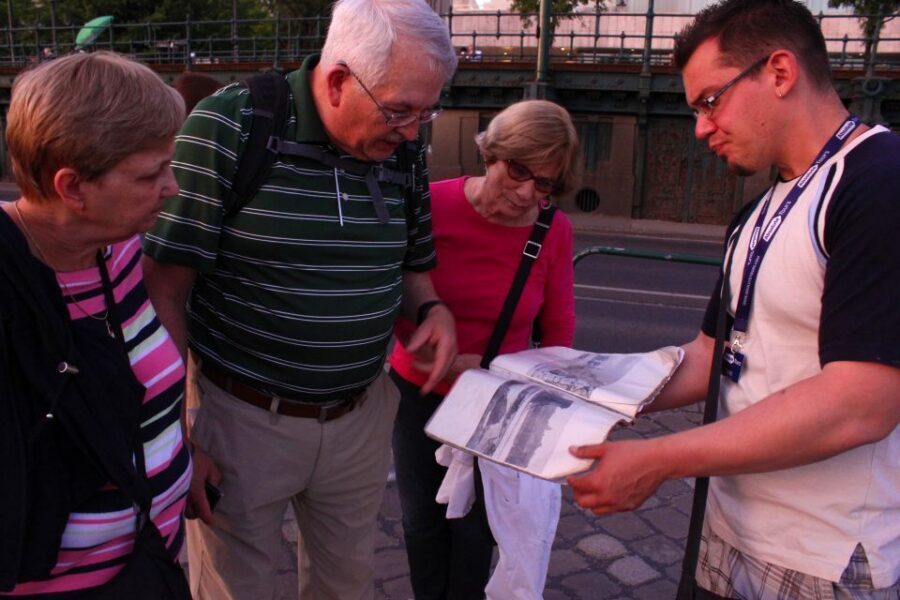
The tour begins at Deák Ferenc tér, at Deák Ferenc ter 4, in front of the Lutheran Church (pale yellow), with the guide waiting on the church steps. This is a smart start location because it’s central and walkable, so you’re not spending your limited tour time transferring between neighborhoods.
Early on, the guide frames what you’re about to see: not just slogans, but how the system shaped ordinary schedules and small choices. That matters because communist Hungary isn’t only about the dramatic moments you’ve heard in textbooks. It’s also about what people did on a Tuesday morning: how they got through workdays, what they drank after work, and how daily life had to bend around the rules.
You’ll also get the first sense of the tour’s tone. The best versions of this experience lean on storytelling, conversational explanations, and keeping the timeline coherent while you’re on your feet. In fact, guide George is singled out for being personable and well prepared, with a style that makes facts feel connected rather than recited.
You can also read our reviews of more walking tours in Budapest

What to wear and why it matters
You’ll be outside a lot. Bring comfortable shoes and dress for the weather, because the route is designed for walking. The tour runs in all conditions, so plan as if you’ll be walking unless the city is completely shut down for extreme weather.
How everyday communism worked: Trabant streets, workplace rules, and passports
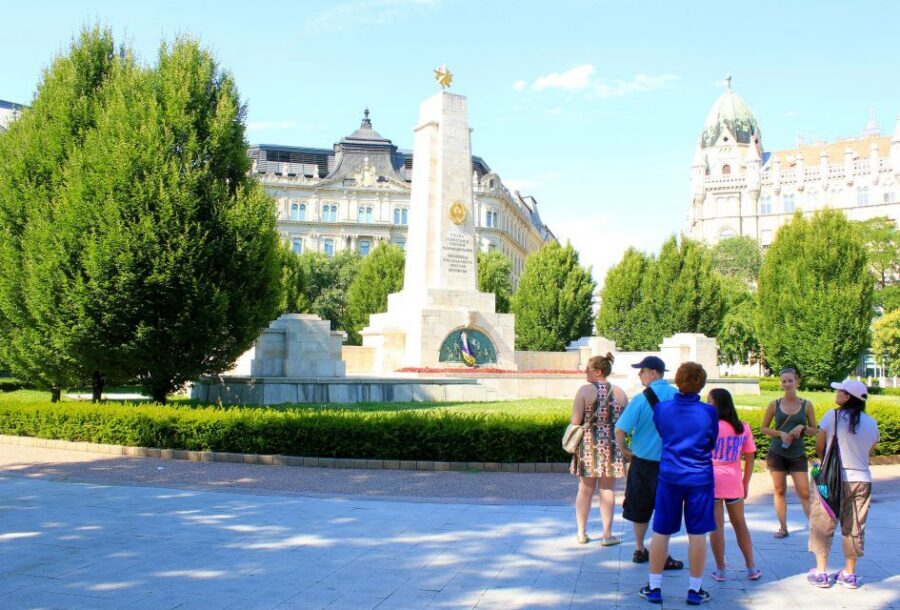
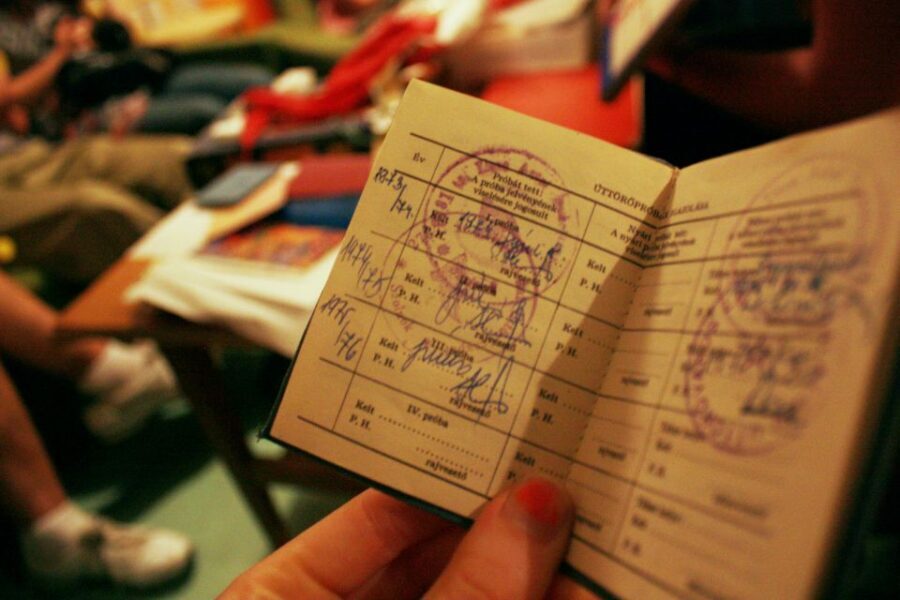
Once you start walking, the tour leans hard into everyday life under about 50 years of communist rule. That focus is what makes this tour stand out from the usual “big monuments only” approach. You’ll hear how people lived with an Iron Curtain reality, including details like how to get a passport, what school life looked like, and the way daily events required negotiation—sometimes quietly, sometimes through official channels.
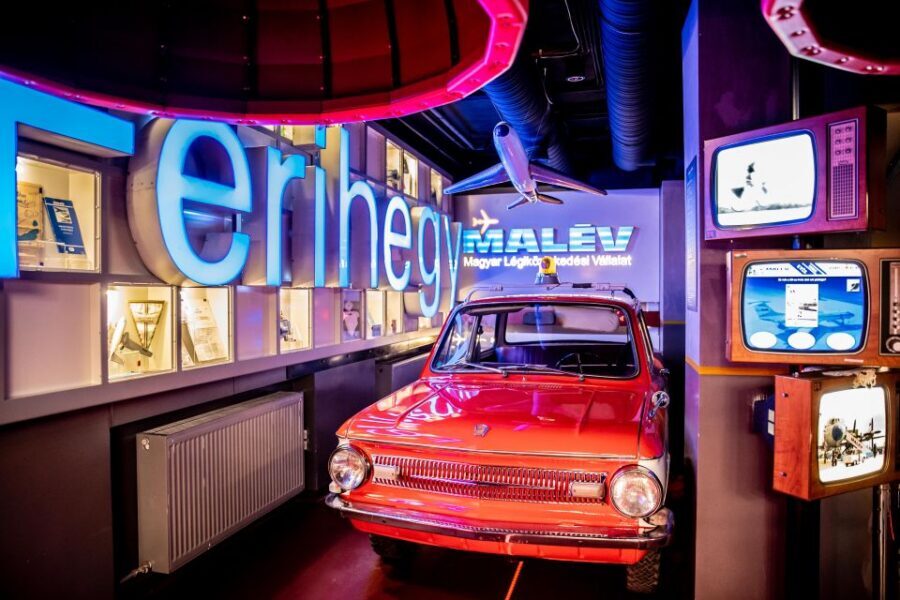
One story thread that tends to land well is the contrast between the everyday and the ideology. You may hear about Trabant cars (the iconic, practical, mass-made car of the era) and also about spirits consumed at work. These aren’t included just for flavor. They show how culture and routine still happened inside a system that controlled so much.
I like that you’re not asked to choose between personal stories and political context. The route connects both. You’ll also learn how historical events shaped Hungary’s position—why the country ended up reacting the way it did when the pressure changed.
A small but important reality check
This kind of tour works best if you’re mentally ready for the subject matter. The information is serious, and the tour isn’t recommended for children under 14. If you’re traveling with younger kids, you’ll likely find it difficult to keep interest and also difficult to match the emotional tone.
The 1956 Revolution exhibition: what it adds to the walking part
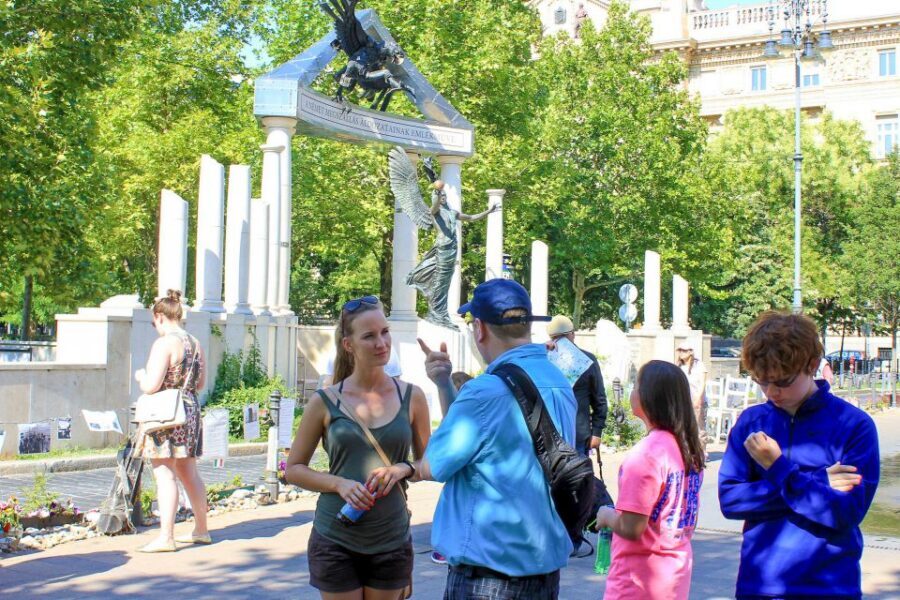
A highlight stop is a small exhibition about the 1956 Revolution. Even if you already know the headlines, the value here is how the exhibition helps you read the rest of the tour. Without that context, public squares and memorials can feel like just stone and metal. With it, you start to see the timeline behind the physical spaces.
The tour also references the revolution’s commemorations, including a small exhibition connected to the volleys. Again, you don’t need to be a history buff to benefit. You’ll get just enough structure to understand why 1956 became such a key moment and how it ties to the long story of control and resistance.






Why this stop is worth your attention
The exhibition is the tour’s “gravity.” It gives you an anchor so the rest of the walk feels like cause-and-effect rather than random stops. It also helps you connect the city’s present layout to the events that shaped it—especially once you move toward the Soviet-era memorial sites.
If your group includes a guide like Thomas, this part often comes across in a clear, personable way. Thomas is described as personable and informative, and that style can make the exhibition feel like a guided conversation instead of a scripted lecture.
Liberty Square Soviet Memorial: standing face-to-face with the ending
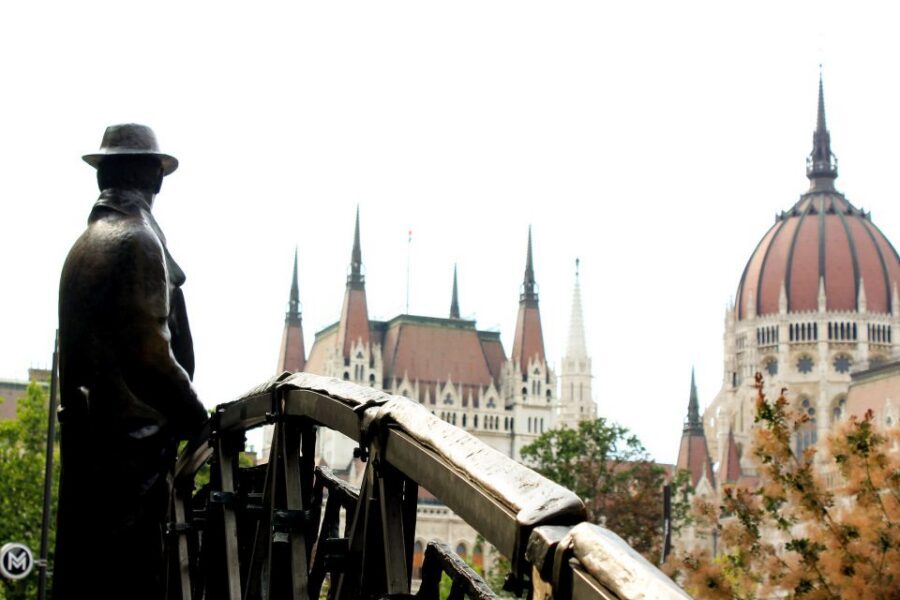
The route includes a walk to Liberty Square, specifically the area with the last Soviet monument and the Liberty Square Soviet Memorial. This is where the tour’s theme becomes very physical. You’re no longer just learning about an idea called communism. You’re standing at a public symbol of Soviet presence and power.
Liberty Square is also a good teaching location because it sits in a part of Budapest that’s easy to access and easy to orient around. That means you can focus on the meaning of the memorial without getting lost in complicated transit.
What makes this stop educational is that the guide doesn’t treat the monument as a standalone object. The discussion tends to connect Soviet influence, Hungary’s political choices, and the resistance narrative that shows up again and again in the 1956 story.
A note on expectations
This is the kind of stop where you may feel the weight of history quickly. The tour isn’t written for light entertainment. If you prefer a “fun facts only” tour, this might feel heavier than you want. But if you want to understand how Budapest’s communist era changed what people could say, do, and plan, Liberty Square delivers.
Walking toward the Hungarian Parliament: power, location, and symbolism
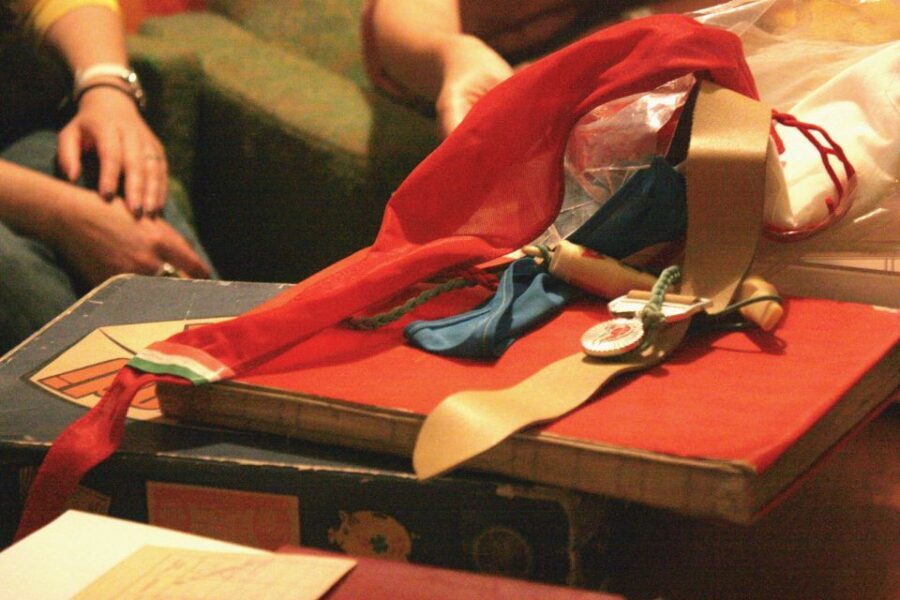
After Liberty Square, the tour continues through central Pest, including a walk that brings you to the area around the Hungarian Parliament. This part of the route matters because it helps you connect architecture and geography to politics.
When you travel in places that have shifted ideologies, the city layout becomes a clue. The tour uses the walking route to connect what you’ve learned about control and resistance to the locations that still represent state power today. Even if you don’t go inside, the outside walking perspective helps you “see” the city as it has been used over time.
This section is also where the tour’s pacing becomes important. You’ve already covered multiple themes: daily life, passport rules, school life, and the revolution exhibition. By the time you near the Parliament area, the guide’s job is to tie it together, not simply add facts.
Price and value: is $72 worth 2.5 hours?
At $72 per person for 2.5 hours, the big question is what you’re actually buying: time, expertise, and a guided narrative that connects details you’d probably miss on your own.
Here’s the practical value math:
- You get a licensed guide instead of a self-guided walk.
- You cover several high-impact stops in central Pest without needing to plan.
- You get refreshment (coffee, tea, or soft drink), which helps on a brisk walk.
- The tour includes real thematic content: daily life under communism plus a focused 1956 stop and memorial context.
Could you do this alone by reading plaques? Sure. But you’d lose the “how” and “why” that make the city story stick. I also think this tour is a good value if you’re the type who likes context—how people dealt with passports, school life, work culture, and protest history—rather than only looking at landmarks.
One reality check: not every guide experience will feel equally worth it. There’s at least one rating that suggests the value wasn’t there for the $60-ish level cited in that feedback era. The best way to protect yourself is to treat the tour as a history-and-stories walk, not a quick monument circuit.
How the group experience can feel: small groups and real guide dynamics
This tour runs with private or small groups available, and it’s live and English-language guided. A smaller group usually means less crowd noise and more chance for the guide to keep the conversation flowing.
The contrast in guide delivery shows up in the feedback. One lead is described as very professional and well prepared, while another description points to less enthusiasm and a weaker sense of sequence. That tells me one thing as a practical traveler: if you care about pacing and storytelling clarity, you’ll want to choose a departure time when you feel mentally ready for a steady walk and a steady talk.
Also remember the physical tempo. The tour includes 2 hours of continuous walking. That means even if the content is great, you’ll still feel the walking time.
Practical advice: making the 2-hour walk feel manageable

If you book this, do two things to make it more pleasant:
- Start with good shoes. You’re on your feet for most of the time.
- Layer your clothing. The tour runs in all weather conditions.
And here’s a simple planning trick. If you’re also visiting major sites in Budapest that day, don’t pack this tour into a tight sightseeing sprint. Treat it like a main activity—because it is.
Who this tour is best for
This tour is a strong match if you want:
- A clear explanation of Hungary’s communist era
- A guided visit connected to 1956 and the revolution narrative
- The “daily life” angle: how people handled passports, work rules, and school life
- A walk through central Pest that links memory to place
It’s also a decent choice if you already know some history and want a more grounded, human version of it. Some guide styles are especially good at connecting what you’ve heard before into a sharper local story.
Who should skip it
Skip it if:
- You have mobility impairments and can’t handle extended walking
- You’re bringing kids under 14
- You want minimal walking and mostly seated museum time
Should you book the Hammer & Sickle Communism Walking Tour in Budapest?
Book it if you like guided storytelling, you want to understand the communist era beyond slogans, and you’re interested in connecting everyday life to specific places like Liberty Square and the 1956 Revolution exhibition. The route makes sense, and the guide-led explanations give you a framework that’s hard to replicate from plaques alone.
Skip it if walking 2 hours continuously sounds like a stretch for your day, or if you’re traveling with younger kids. And if you dislike heavy historical topics, this one will feel weighty.
If you do book it, show up with comfortable shoes, a curious mind, and an expectation that you’ll be learning as you walk. That combination is what turns a good tour into a memorable one.
FAQ
How long is the Budapest Hammer & Sickle Communism Walking Tour?
The tour lasts 2.5 hours, with about 2 hours of continuous walking.
Where do I meet the guide?
Meet at 1052 Budapest, Deak Ferenc ter 4, in front of the Lutheran Church (pale yellow), on the church steps.
Is the tour guided and in English?
Yes, it has a live tour guide and the tour is in English.
What’s included in the price?
Included are a licensed expert guide and a refreshment (coffee, tea, or soft drink).
What should I bring and wear?
Bring comfortable shoes and comfortable clothes, and dress for the weather since the tour runs in all conditions.
Is it suitable for children or mobility limitations?
It is not recommended for children under 14 and is not suitable for people with mobility impairments due to the walking involved.