Budapest can feel like a lot at once. That’s why this 3-hour private highlights walk hits the major sights you’ll want and mixes in calmer corners with a guide who can adjust to your pace. I especially like the customizable feel and how the guide uses smart, practical commentary (often pairing history with street-level pointers), with people like Ferenc Vass, Benjamin, Alix, and Anikó Dömötör earning standout marks for clarity and going the extra mile. One thing to consider: at 3 hours, you’ll move briskly, so it’s best if you’re ready to walk and stay off your phone for a bit.
The route is built for real orientation fast—Danube views, castle district drama, and elegant avenues—then it ends with one of the most important memorial stops in the city. If you want a simple checklist tour, this will do it. If you want a guided city brain to plan the rest of your trip, it helps a lot.
In This Review
- Key things I’d circle before you book
- Why this 3-hour Budapest walk is such good orientation
- Meeting point: how to find your guide without stress
- Parliament and the Chain Bridge: start strong, get your bearings fast
- Buda Castle District: royal walls, Matthias Church, and the walk-in-feeling
- St. Stephen’s Basilica and Fisherman’s Bastion: two very different viewpoints
- Liberty Square and Andrássy Avenue: where the city turns elegant
- Shoes on the Danube Bank: the stop that requires a slower mind
- Guides make the difference: why the best part is the person behind the facts
- Comfort, timing, and what to wear for an efficient day
- Price and value: $35 isn’t cheap, but it’s not just you paying for walking
- Who should book this tour (and who might skip it)
- Should you book this Budapest Highlights and lesser-known spots walk?
- FAQ
- FAQ
- How long is the Budapest walking tour?
- Is this tour private or shared?
- Where do we meet the guide?
- What sights are included during the walk?
- Which languages are available?
- Is the tour wheelchair accessible?
- What is included in the price, and what is not?
- Can I cancel for a refund?
Key things I’d circle before you book
- Private, exclusive group so you’re not stuck waiting for the slowest person in a big pack
- Customizable pacing and focus, so you don’t have to pretend you love every stop equally
- Walking plus public transport to keep the day efficient, without turning it into a marathon
- Ticket help from the team for desired visits, which can save time you’ll otherwise spend hunting
- Local guide guidance on what to do next, not just what you’re seeing
- Award-worthy guide energy from names like Ferenc Vass, Benjamin, Alix, and Anikó Dömötör
Why this 3-hour Budapest walk is such good orientation
Budapest is one of those cities where the “main sights” are also the best landmarks for figuring out how neighborhoods connect. This tour is sized right for that. In about 3 hours, you’re guided through the core parts of the city—proper viewpoints, major architecture, and the Danube edge—so you leave with a map in your head, not just photos on your camera roll.
At $35 per person for a private and exclusive experience, the value isn’t just the sights. It’s the time you’re buying: a guide who can help you prioritize what matters to you, answer questions while you’re still close to the context, and suggest what to do next with your remaining hours. Plus, the tour includes walking and public transport (unless you choose an option that changes that), so you spend less time transferring on your own.
The other practical win: it’s designed for both first-timers and people returning to Budapest. First-timers get a clean overview. Repeat visitors still tend to learn small, useful context they missed the first time.
You can also read our reviews of more walking tours in Budapest


Meeting point: how to find your guide without stress
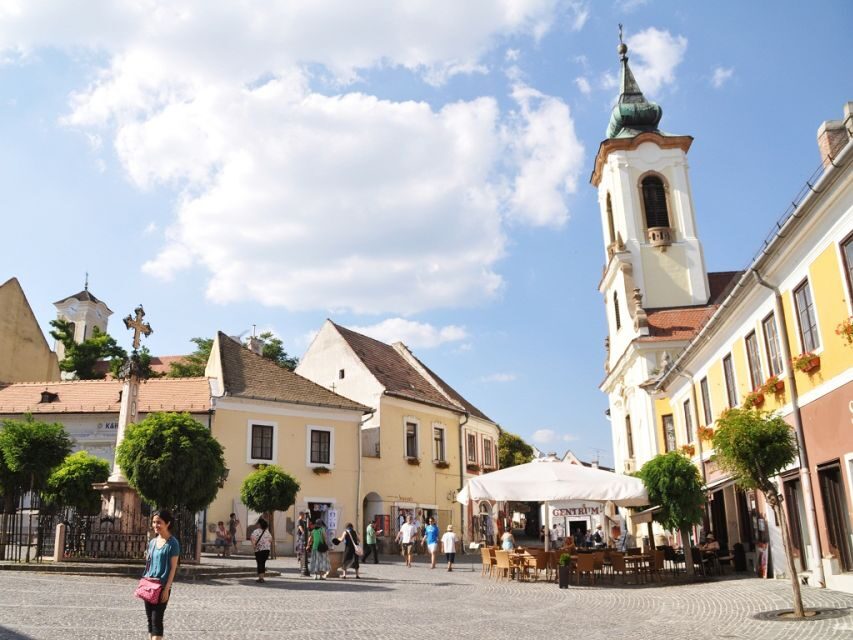
You meet your guide in front of the Immaculata Kegyoszlop, in the Szervita tér area. That matters because starting on the right side of central Budapest reduces the “where do we actually meet” anxiety. You also get a guide early enough to steer you toward good sight-seeing order, which is the difference between a smooth morning and a chaotic scramble.
If you’re traveling with luggage or you’re arriving from somewhere else that morning, give yourself a few extra minutes around Szervita tér. You’ll want to be ready to start promptly so the 3-hour plan stays intact.
Parliament and the Chain Bridge: start strong, get your bearings fast
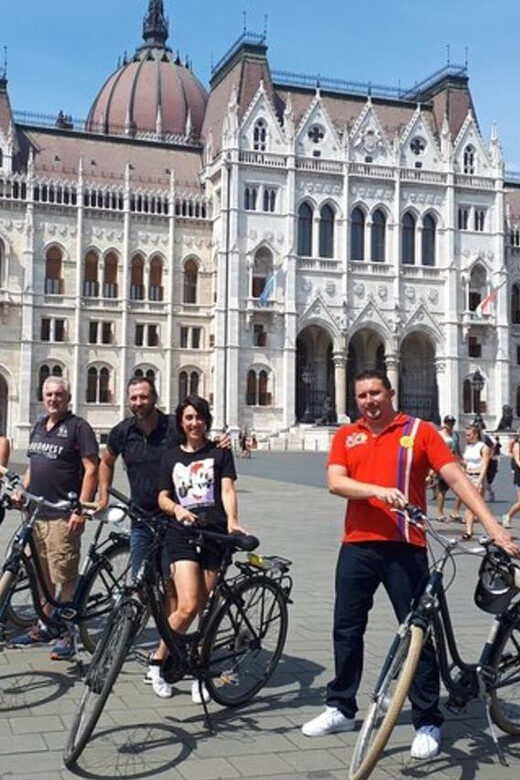
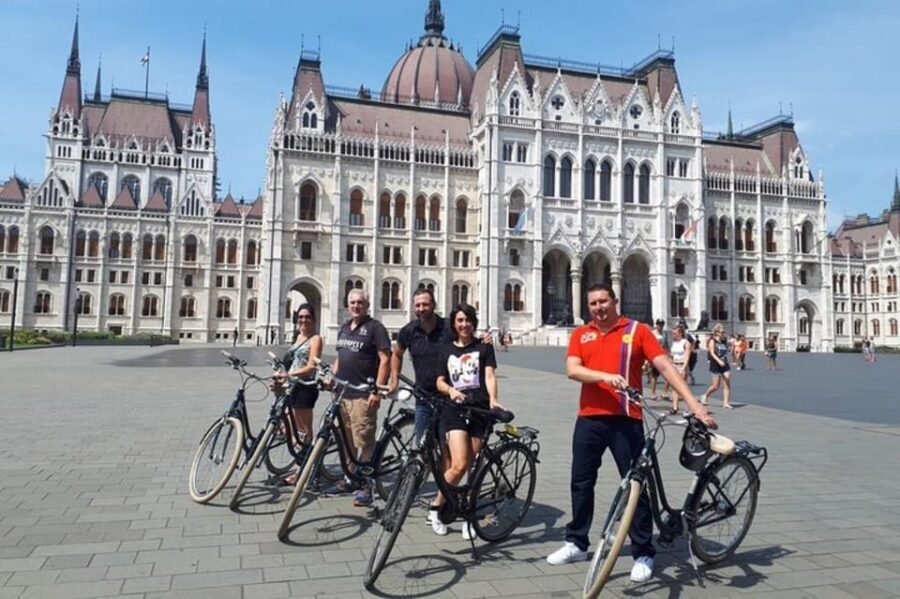
The tour begins with the Hungarian Parliament Building, one of Budapest’s biggest photo anchors. Even if you don’t go inside, you’ll get the story behind the building’s architectural style and why it’s such a symbol. It’s the kind of stop where a guide’s explanation turns a pretty facade into something you can remember.
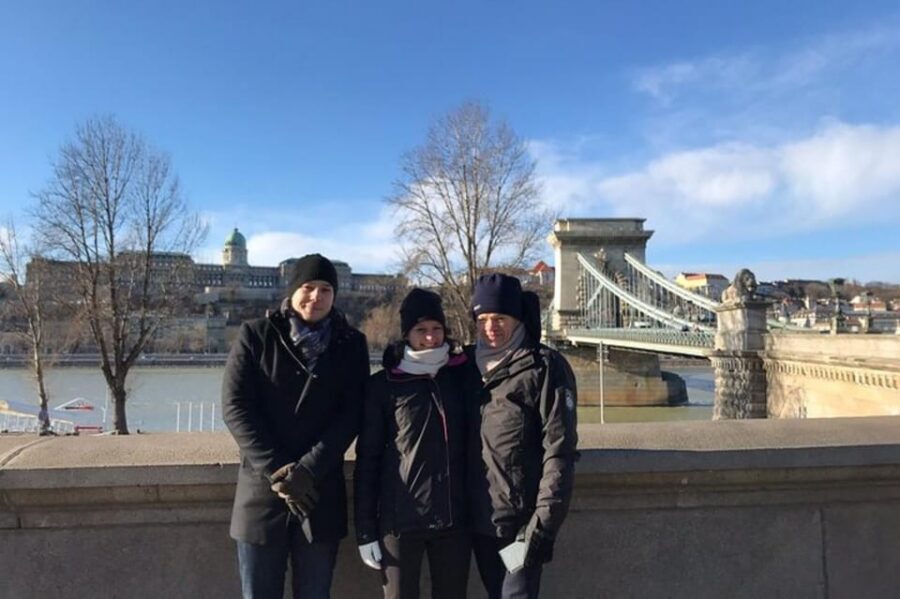
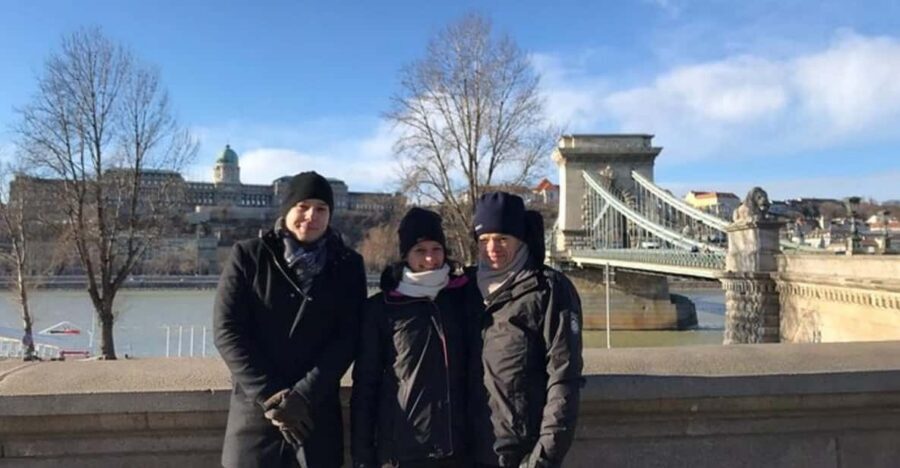
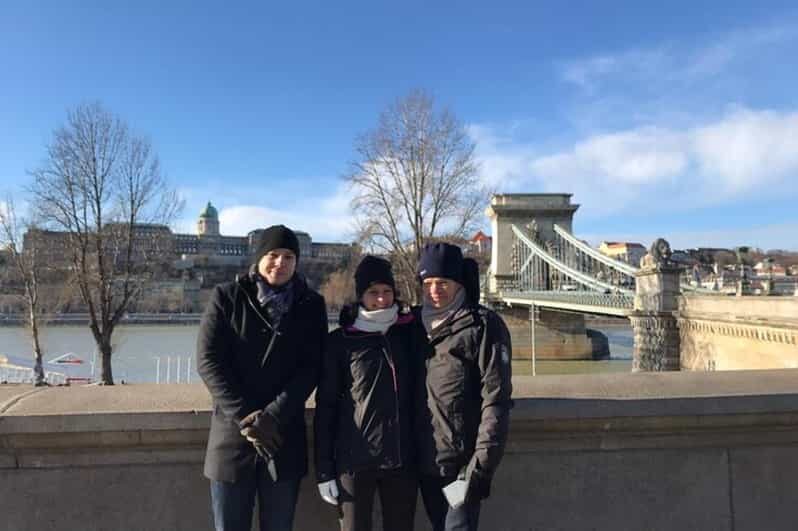
Then comes the Chain Bridge, and yes, the views really are the point. Standing here helps you understand the Danube’s role in shaping the city. You’ll also see how Budapest’s two halves feel like separate worlds until you realize how the bridges stitch them together.
A small thing that makes this segment useful: you’re not just walking from one landmark to another. You’re learning how to interpret what you’re seeing—so later, when you explore on your own, you’ll recognize patterns instead of collecting disconnected shots.
Buda Castle District: royal walls, Matthias Church, and the walk-in-feeling

Next you move into the Buda Castle area. This is where Budapest shifts from broad city views to more atmospheric streets and stone details. The palace complex gives you a sense of Hungary’s royal past, and the district’s layout helps you understand why this part of Buda feels built for both power and defense.
From there, the tour brings you to Matthias Church, a Roman Catholic church in the castle district. The value here is not only the architecture, but what it means in context. Budapest has layers—different eras, different influences—and Matthias Church is a great example of that layered look in one place.
Practical note: this is a walking-focused stretch. You’ll want comfortable shoes, because castle districts can mean uneven pavement and slight climbs. If you’re the type who likes to stop for every detail, you can ask your guide to slow the pace. That customization is one of the tour’s biggest strengths.
St. Stephen’s Basilica and Fisherman’s Bastion: two very different viewpoints

The stop at St. Stephen’s Basilica is a good change of tempo. This basilica honors Hungary’s first king, and it’s a standout landmark for both its religious importance and its role as a city focal point. If you’ve only seen Budapest from bridge level and street corners, this gives you a different angle—more monumental, more ceremonial.
Then you head to Fisherman’s Bastion, famous for panoramic views. The point of this stop is simple: you’re at a vantage where you can see Budapest in a single sweep. It’s the kind of viewpoint where, with a guide, you also get help identifying what you’re actually looking at, so it’s not just pretty scenery.
If you’re short on time later in your trip, this part still pays off. A strong panorama view can act like your mental reset button. You’ll go back to your hotel knowing where you want to return.






Liberty Square and Andrássy Avenue: where the city turns elegant
After the basilica and bastion viewpoints, the tour moves toward Liberty Square, described as a public square with a mix of business and residential buildings. This is useful because it grounds you in everyday Budapest life. You’ll get a sense of what the city looks like beyond the major “model postcard” areas.
Then comes Andrássy Avenue, lined with impressive Neo-Renaissance mansions and townhouses. This is the stretch that helps you understand Budapest’s more formal side. It’s wide, elegant, and visually consistent—so it’s easy to feel the city’s sense of style in motion.
This section is also a good place to ask your guide for practical recommendations. The best moments in a guided city tour are often when you turn the information into decisions: where to eat, where to walk next, and which museum or neighborhood matches your interests.
Shoes on the Danube Bank: the stop that requires a slower mind
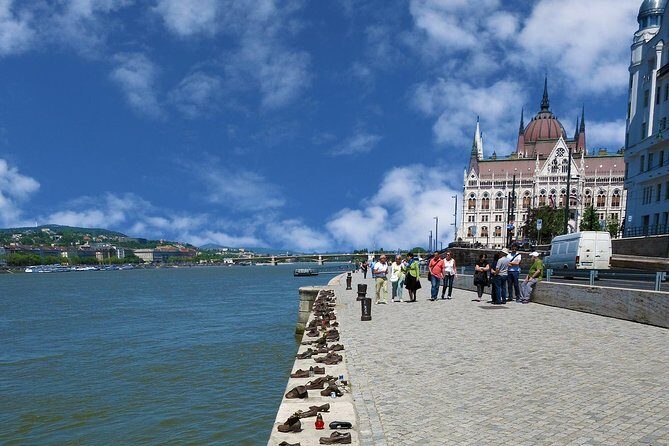
The tour ends (back at the Szervita tér area) after the emotionally heavy Shoes on the Danube Bank memorial. It’s a tribute to those who lost their lives during the Arrow Cross rule. This isn’t a place for rushing or turning your head away. A guide’s role here is important because it helps you understand what you’re seeing and why it matters.
My practical advice: give yourself a minute or two to actually absorb it, even if you’re eager to keep moving. This memorial hits harder when you’re not multitasking. If you want to take photos, do it respectfully, and don’t treat it like a backdrop.
Guides make the difference: why the best part is the person behind the facts
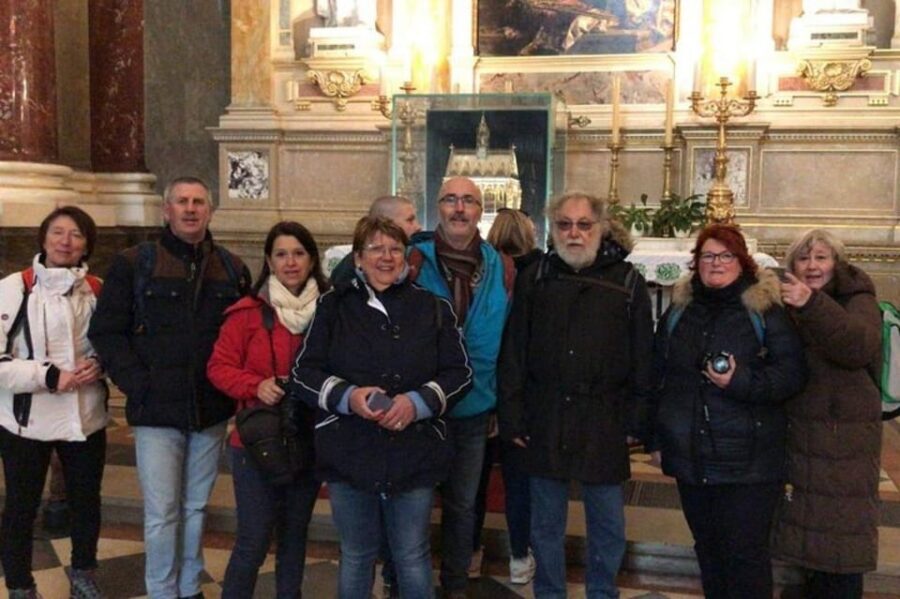
One reason this tour earns high marks is the way guides balance information with pacing and personality. Names that have been singled out include Ferenc Vass (Italian-speaking, attentive, willing to take extra time and help with photography), Benjamin (high information density, lots of Q&A, and excellent delivery in French), Alix (clear explanations and tailored recommendations), and Anikó Dömötör (clear and precise, with a genuinely interesting visit).
What you should take from that: this isn’t only a scripted route. It’s flexible. You can steer the tour toward what you care about—more architecture, more viewpoints, more context, or extra time for photos. In real city travel, that matters more than adding one more stop you don’t care about.
Comfort, timing, and what to wear for an efficient day
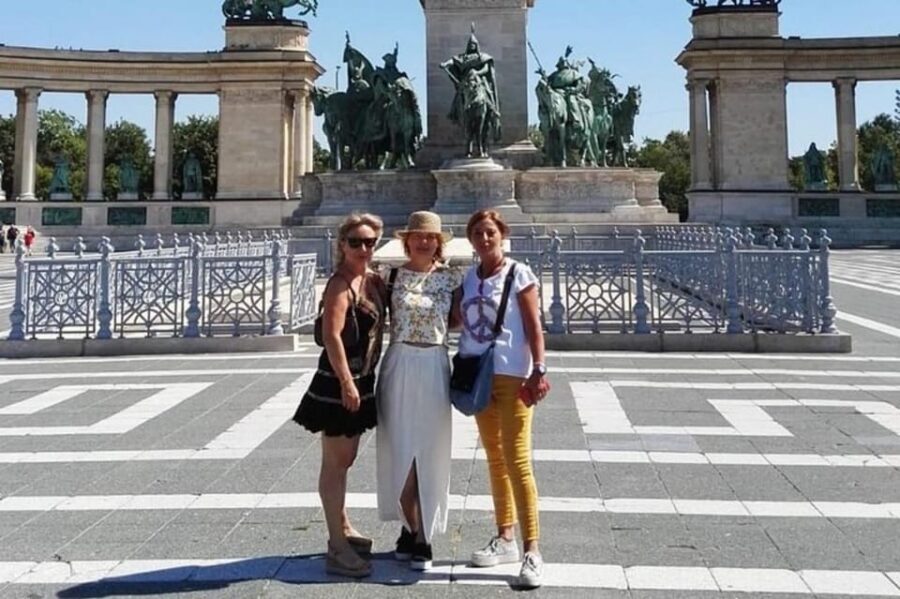
Because it’s 3 hours, you can’t plan on long museum-like pacing. Think of it as guided orientation plus key photo and context stops. There’s walking, and there can be public transport included depending on the option you select. This combination is a smart way to keep the energy up while still covering meaningful ground.
For what to wear:
- comfortable walking shoes (castle district surfaces can be rough)
- layers (Budapest weather can shift fast)
- bring a phone with enough battery for photos and later navigation
And if you’re visiting during cooler weather, expect that your guide may adapt timing to keep everyone finishing the experience together. That flexibility is part of why people feel they got their money’s worth.
Price and value: $35 isn’t cheap, but it’s not just you paying for walking
Yes, $35 is a real cost. But here’s where the value comes from. You’re not paying for a generic loop with a crowd. You’re paying for:
- private and exclusive time
- customization so the tour matches your interests
- guide-led context that makes iconic sights easier to understand
- walking plus public transport included (depending on your chosen option)
- team support to book tickets for desired visits
If you compare that to the cost of buying tickets and then paying for time with no local guidance, it starts to make sense. You’re effectively buying a shortcut: less guessing, fewer wrong turns, and better use of your limited hours.
One more detail: the tour doesn’t include food or drinks, so you’ll want to plan a snack stop separately. The tour also helps you spend time where it counts, not where you’re stuck eating on the move.
Who should book this tour (and who might skip it)
This tour is a strong fit if you:
- want a first-pass orientation to Budapest in a short window
- like architectural and historical context, explained in plain language
- prefer a private group over large crowds
- enjoy asking questions while you’re standing right in front of the landmark
You might consider skipping if you already know Budapest extremely well and only want self-guided photography, or if you want a longer day focused mostly on indoor ticketed sites. At 3 hours, this tour is about guidance and city structure, not a slow, deep museum day.
Should you book this Budapest Highlights and lesser-known spots walk?
I’d book it if you want to start your Budapest correctly. It’s built to help you understand what you’re seeing and where to go next, and the guide-first approach is the part that keeps coming up as the reason people rate it so highly.
If you’re on the fence, here’s your simple test: do you want help turning landmarks into a plan? If yes, this is a great use of your time. If you’d rather freestyle without guidance, you might still enjoy it, but you’ll get less out of the customization and Q&A.
FAQ
FAQ
How long is the Budapest walking tour?
The tour duration is 3 hours.
Is this tour private or shared?
It’s private and exclusive, meaning there won’t be anyone else in your group.
Where do we meet the guide?
Meet your guide in front of the Immaculata Kegyoszlop (in the Szervita tér area).
What sights are included during the walk?
The tour covers Hungarian Parliament Building, Chain Bridge, Buda Castle, Matthias Church, St. Stephen’s Basilica, Fisherman’s Bastion, Liberty Square, Andrássy Avenue, and the Shoes on the Danube Bank memorial.
Which languages are available?
The live guide is available in English, French, Italian, and Spanish.
Is the tour wheelchair accessible?
Yes, the tour is wheelchair accessible.
What is included in the price, and what is not?
Included: the private tour, customization, walking plus public transport (unless you select an option that changes this), and help from the team to book tickets for desired visits. Not included: food or drinks.
Can I cancel for a refund?
Yes. Free cancellation is available up to 24 hours in advance for a full refund.