REVIEW · BUDAPEST
Communist History Evening Walking Tour of Budapest
Book on Viator →Operated by Perfect European Tours - Budapest FREE Walking Tours. · Bookable on Viator
Communism in Budapest feels personal on foot. This evening walk ties together church, politics, and public protests with an English guide and a small group. I like the in-the-street context you get beyond museum halls, and I also like that the pace stays human and manageable with provided water. The only real drawback to plan around is the evening walking distance: you’ll need to cover about 3 km.
If you’re aiming to understand how Hungary got from the communist era to today’s Budapest, this tour is built for that. It runs about 2 hours starting at 6:00 pm, with mobile tickets and a max group size of 15. Many people mention the guide’s clarity and storytelling style, including one standout guide named Victoria who brings both sharp history and everyday realism to the route.
This is also a good pick if you want more than dates on a plaque. Just keep in mind it depends on weather, so you’ll want a light jacket and shoes you don’t mind getting a little grimy at city-level street corners.
In This Review
- Key Points You’ll Care About on This Communist History Walk
- What Makes This Communist History Tour Work in Budapest
- Start at Blaha Lujza tér, End at Kossuth Lajos tér (and Why That’s Handy)
- Andrassy Avenue: Monuments, Power, and Changing Street Stories
- St. Stephen’s Basilica: Religion Under Communism (Plus a Personal Escape Story)
- Liberty Square: The Former Stock Exchange and the Cost of Protests
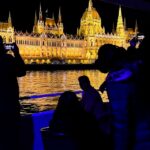
- Hungarian Parliament Building and the 1956 Uprising
- Small Group, Evening Pace, and What to Bring
- Price and Value: What You’re Really Paying For
- Who This Tour Is For (and Who Might Skip It)
- Should You Book This Communist History Evening Walking Tour?
- FAQ
- How long is the Communist History Evening Walking Tour of Budapest?
- What time does the tour start?
- How much does it cost per person?
- Is the tour offered in English?
- Where do I meet the tour, and where does it end?
- How much walking is involved?
- Is bottled water included?
- Are any admission tickets needed for the main stops?
- How big is the group?
- What happens if the weather is bad, or I need to cancel?
Key Points You’ll Care About on This Communist History Walk
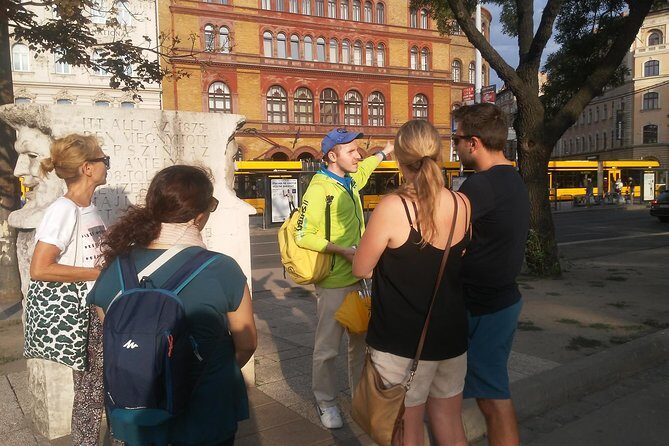
- A small-group, English-led evening route that keeps the explanations focused and easy to ask questions
- St. Stephen’s Basilica as a clue to religious life under communism, including a story about a famous Hungarian football player who fled the system
- Liberty Square’s blunt communist-era story, from a former stock exchange closure to the setting for bloody protests
- Hungarian Parliament Building and the 1956 uprising, placed right in front of you so it hits with more meaning
- Provided bottled water for a comfortable 2-hour stroll in the city
- A walk along Andrassy Avenue where the guide connects changing monuments and city space to shifting power
What Makes This Communist History Tour Work in Budapest
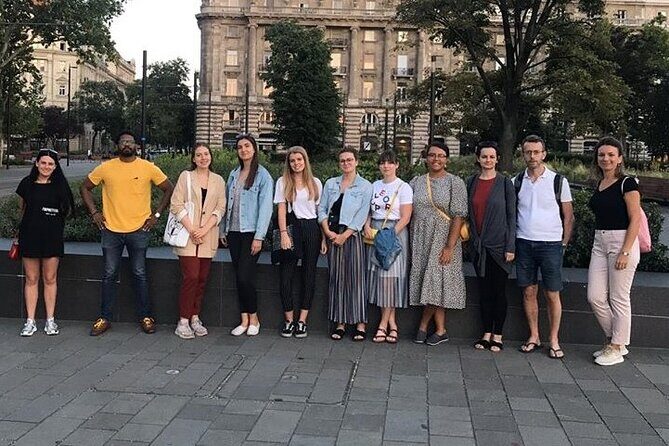
Budapest can look like it’s all architecture and photo angles. This tour nudges you to look at the same streets with a different question: who used the space, who controlled the story, and who paid the price.
The big win here is that you’re not only seeing landmarks. You’re learning how communism shaped daily life and how those impacts still show up in attitudes, institutions, and even the way certain buildings are treated. The guide’s approach is practical: you get story, context, and cause-and-effect, without feeling like you’re trapped in a classroom.
I also like the format. At night, your brain is already tired from sightseeing. A tightly grouped walk with steady stops beats rushing between far-off sites. Plus, the tour includes bottled water, which is a small detail that makes a real difference when you’re walking about 2 hours and the evening air gets cooler.
One more thing: the tour is designed for people who want to connect history to place. If you like asking why a building or square matters, you’ll probably enjoy the way the guide uses what you’re standing in front of.
You can also read our reviews of more walking tours in Budapest

Start at Blaha Lujza tér, End at Kossuth Lajos tér (and Why That’s Handy)
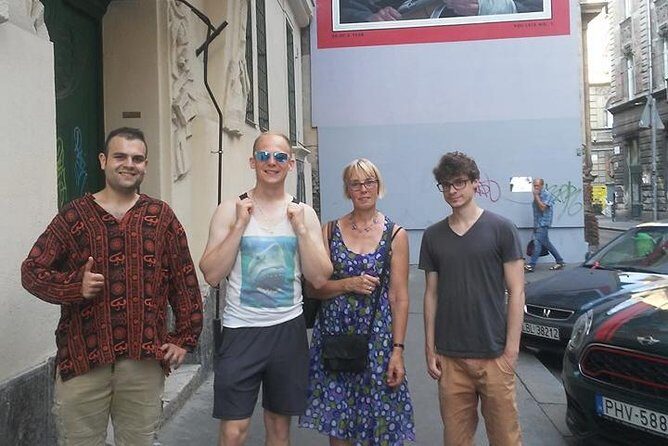
You start at Budapest, Blaha Lujza tér (1085) and end at Kossuth Lajos tér 1–3 (1055), close to Kossuth on the red metro line and tram 2. That end point is a smart one because it drops you right by the political heart of the city, so the whole theme lands where it should.
The timing is also useful. With a 6:00 pm start and about 2 hours, you can do daytime sightseeing first, then switch gears to history in the evening. It’s a natural rhythm: morning for broad city views, evening for meaning.
Also, keep your walk logistics in mind. The tour requires you to walk (or wheel) on your own for about 3 km. That’s not marathon distance, but it’s enough that you should plan footwear like you would for any serious evening walk. If you don’t do well with repeated city-block stretches, you may find the pace tiring.
The good news: the route is built around stops that are close enough to be manageable. And because the group is limited, the guide can adjust the tempo and keep you from getting separated in a big crowd.
Andrassy Avenue: Monuments, Power, and Changing Street Stories
Your first stretch goes down Andrassy Avenue, one of Budapest’s most recognizable corridors. But the angle here is not just “pretty street.” The guide focuses on how the area changed over time and how older monuments—or the absence of them—can signal political shifts.
This kind of street-level framing is exactly why walking tours can beat museum-only plans. You start to see the city as a document written in stone and layout: certain symbols get highlighted, others get muted, and public space gets reinterpreted by whoever holds authority.
On a practical level, this first segment sets you up for the rest of the night. You learn the guide’s lens early, then the major stops later feel less like isolated facts. Instead, they connect into one story about control, resistance, and public memory.
If you’re the type who likes to look up and scan facades while you walk, you’ll probably get extra enjoyment here. Just keep your eyes open, and expect the guide to point out how the past left marks you might otherwise miss.
St. Stephen’s Basilica: Religion Under Communism (Plus a Personal Escape Story)
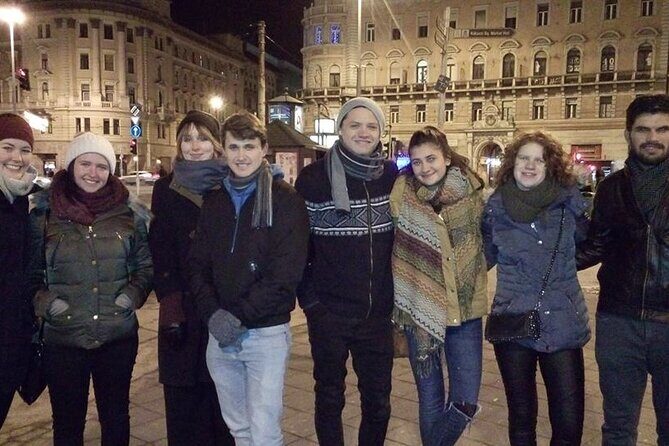
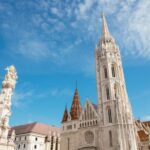
The tour takes you to St. Stephen’s Basilica (Szent Istvan Bazilika), where the theme shifts from street politics to religious life. The guide explains how communism impacted the Hungarian church and religion, and you get a more human view of what that pressure meant on the ground.
One of the most memorable story points is about a famous Hungarian football player who fled the communist system and was later buried at the church. Even without getting lost in sports details, the takeaway lands hard: people didn’t just disagree with a regime. They made life-and-death choices, and those choices shaped where they ended up.
This is also a good stop because the basilica itself gives you an instant contrast. You’re looking at a major religious site in a city that has seen systems try to manage belief. When the guide connects that tension to specific church impact, the building stops being just a landmark and starts acting like evidence.
A practical note: the stop is marked as free admission during the tour. That makes it easier to enjoy the site without feeling like you need to line up for tickets or scramble for extra cash.
Liberty Square: The Former Stock Exchange and the Cost of Protests
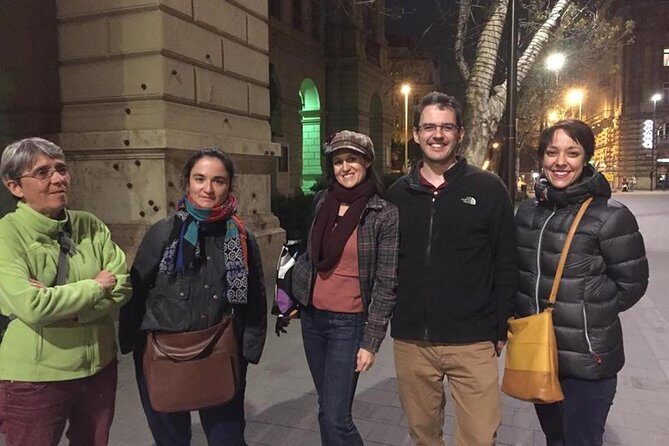
Next up is Liberty Square, which is one of those places where the history is not buried. It’s in the setting itself.
The guide explains that the area was once connected to the stock exchange, which closed at the start of communism. That matters because it’s not only about political control. It’s about economics, jobs, and how a society reorganizes itself when the rules change.
Liberty Square is also described as a site of bloody protests. This is one of those times where the tour’s theme turns serious. You’re not just hearing about slogans. You’re standing where real conflict played out in public.
If you want your history to have emotional weight, this stop tends to deliver. The surrounding environment gives the story a stage, and the guide helps you understand what the protests meant in context—how people tried to resist, and what that resistance cost.
Admission here is also marked as free, so you can focus on the explanation and the space instead of handling logistics.
You can also read our reviews of more historical tours in Budapest



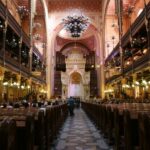

Hungarian Parliament Building and the 1956 Uprising
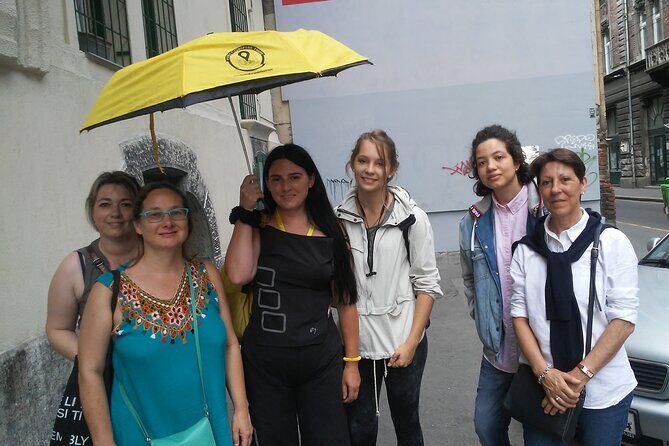
The final major stop is the Hungarian Parliament Building and the 1956 uprising against the ruling communist party. The tour frames it as a moment when blood was shed, and it places that conflict right in front of you.
This is where the tour becomes more than a history lesson. It shows you the physical scale of political power and why symbols matter. Parliament as a building isn’t just impressive; it’s also a sign of how governance is performed, and how people respond when they think the state has become illegitimate.
I like that the guide doesn’t treat 1956 as an abstract event. The story is tied to place, so you can connect the uprising to the long-term outcome: Hungary’s path away from communist rule and the memory that still lingers.
The tour ends at parliament square, which is convenient and also satisfying. You finish at the exact kind of landmark that makes the theme feel grounded rather than randomly assembled.
Small Group, Evening Pace, and What to Bring
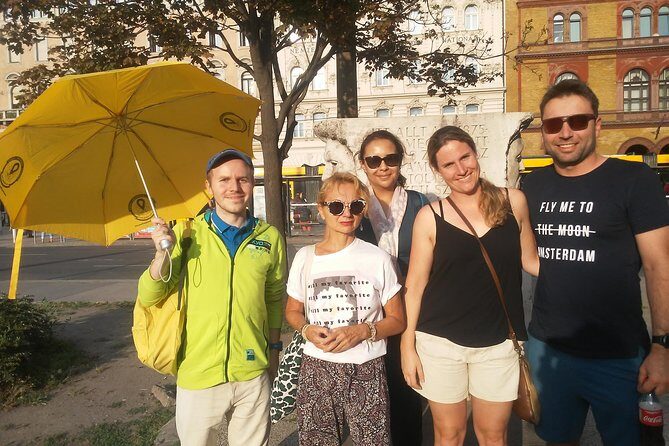
This tour is capped at 15 people, which usually means you get more than a one-way lecture. In plain terms: you can ask questions, and the guide can notice if someone is lagging or missing key points. That’s a big deal on an evening walk, when attention tends to drop after a few hours.
The pace is built around stops and short segments of walking. You’ll cover about 3 km total over roughly 2 hours, and you’ll get bottled water included. That’s a thoughtful touch, because the best guides still can’t stop you from getting thirsty on a city stroll.
Here’s what I’d pack based on the structure:
- Comfortable shoes for uneven sidewalks
- A light layer for evening air
- A phone with enough battery for a mobile ticket
- A small water plan even though water is provided, just in case you’re prone to extra thirst
Service animals are allowed, and the route is near public transportation, so you’re not stuck far from escape routes if you need a quick break.
Price and Value: What You’re Really Paying For
At $36.01 per person for about 2 hours, the price is in the “don’t overthink it” zone. You’re paying for three things: guided storytelling, a tight route that uses walking time well, and access to context you likely won’t get from passersby or a quick audio guide.
This tour also tends to be in demand, with bookings averaging about 26 days in advance. That tells me the format is popular, especially with people who want history without committing to a full-day program.
Do you pay more than a self-guided walk? Yes. But you’re also buying interpretation—how the guide connects communism to institutions, religion, and public events—and that’s the hard part to replicate on your own without reading a lot beforehand.
If you’re already the type who enjoys history walks, you’ll usually feel the value immediately. If you only want iconic buildings and don’t care about political context, you might find the focus heavier than you expected.
Who This Tour Is For (and Who Might Skip It)
This is a strong fit for you if:
- You want political history tied to specific Budapest locations
- You like guided explanation more than wandering and guessing
- You prefer a small-group evening plan
- You’re curious about how communism affected religion, public protest, and power structures
It might not be the best match if:
- You’re not interested in 20th-century Hungarian politics
- You dislike walking at night for about 3 km
- You want only the most scenic photo stops, with minimal political or protest-related content
One interesting thing from the guide style mentioned is the combination of history and present-day impact. That tone helps if you like understanding how the past still shapes everyday life, not just what happened on a single date.
Also, if this topic hooks you, you’ll likely enjoy pairing it with another stop later in your trip. For example, one commonly recommended add-on is the Museum of Terror, which can deepen the context from the city’s streets to interior exhibits.
Should You Book This Communist History Evening Walking Tour?
Book it if you want Budapest to make sense beyond postcard views. You’ll get a focused route, English guidance, and a story that connects big events like the 1956 uprising with smaller-but-real impacts such as church and religion under communism.
I’d also book it if you appreciate that the guide doesn’t treat landmarks as isolated sights. The route is built to help you read the city like a political map.
Skip it only if you hate walking, have zero interest in communism-era Hungary, or you’re looking for a purely aesthetic evening. Otherwise, it’s one of those tours where the time feels well used and the meaning sticks.
FAQ
How long is the Communist History Evening Walking Tour of Budapest?
It runs for about 2 hours.
What time does the tour start?
The start time is 6:00 pm.
How much does it cost per person?
The price is $36.01 per person.
Is the tour offered in English?
Yes, it is offered in English.
Where do I meet the tour, and where does it end?
You meet at Blaha Lujza tér in Budapest and the tour ends at Kossuth Lajos tér 1–3, near Kossuth metro and tram 2.
How much walking is involved?
You must be able to walk (or wheel) yourself about 3 km.
Is bottled water included?
Yes. Bottled water is included.
Are any admission tickets needed for the main stops?
The main listed stops are marked as free admission during the tour (St. Stephen’s Basilica, Liberty Square, and the Hungarian Parliament Building).
How big is the group?
The tour has a maximum of 15 travelers.
What happens if the weather is bad, or I need to cancel?
The tour requires good weather. If it’s canceled due to poor weather, you’ll be offered a different date or a full refund. Cancellation is free up to 24 hours before the experience starts for a full refund.