REVIEW · BUDAPEST
Budapest : Must-see attractions walking tour
Book on GetYourGuide →Operated by Guydeez Tours · Bookable on GetYourGuide
Two hours, and Budapest clicks. This private walking tour is built for first-timers who want the big landmarks and the human story behind them, starting right by the Kempinski Hotel Corvinus Budapest.
I especially like the private, customizable setup. You get a licensed local guide taking you through the spots you’d actually put on your own list—then sharing practical context like basic Hungarian phrases, food references, and how to move around the city.
The one drawback to plan for: it’s only 2 hours, so you’ll get great highlights, not long, slow museum time. You’ll want to be okay with quicker stops and photo moments while the guide keeps the momentum going.
In This Review
- Key highlights to know before you go
- Meeting at Kempinski Corvinus and getting your bearings fast
- Elizabeth Square: public space, architecture, and culture in miniature
- St. Stephen’s Basilica: the big church and why people care
- József Nádor tér: Habsburg connections and hand-painted ceramics
- Vörösmarty Square and Váci utca: people-watching with purpose
- Danube Embankment panoramas: Castle Hill to Gellért Hill
- The Little Princess Statue wish and the turn toward Vigadó Square
- Chain Bridge history at Szechenyi Lanchid (and why it matters)
- Gresham Palace and the look of Secession architecture
- The Hungarian Parliament Building finale: neo-Gothic and modern politics
- Price and value: is $29 fair for what you get?
- What kind of guide experience you’re likely to get
- Best time to do this tour in your trip
- Who should book this walking tour (and who might skip)
- Should you book this Budapest must-see attractions walking tour?
- FAQ
- Where does the tour start and end?
- How long is the Budapest walking tour?
- Is this tour private?
- What’s included in the price?
- Which languages are available for the live guide?
- Is it wheelchair accessible and can I cancel?
Key highlights to know before you go
- Private and exclusive: you won’t share the route with other groups.
- Licensed local guide: history, architecture, public art, and culture explained in plain language.
- Top sights in a tight loop: Basilica, Danube views, Váci utca area, Chain Bridge, and Parliament.
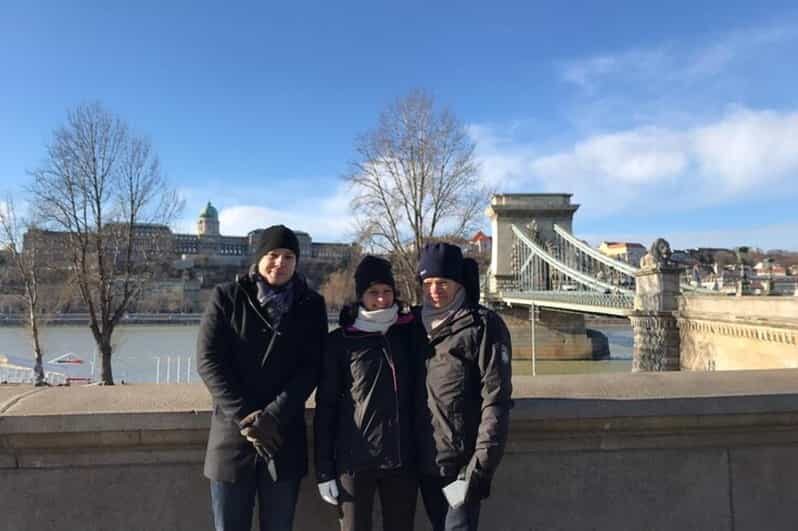
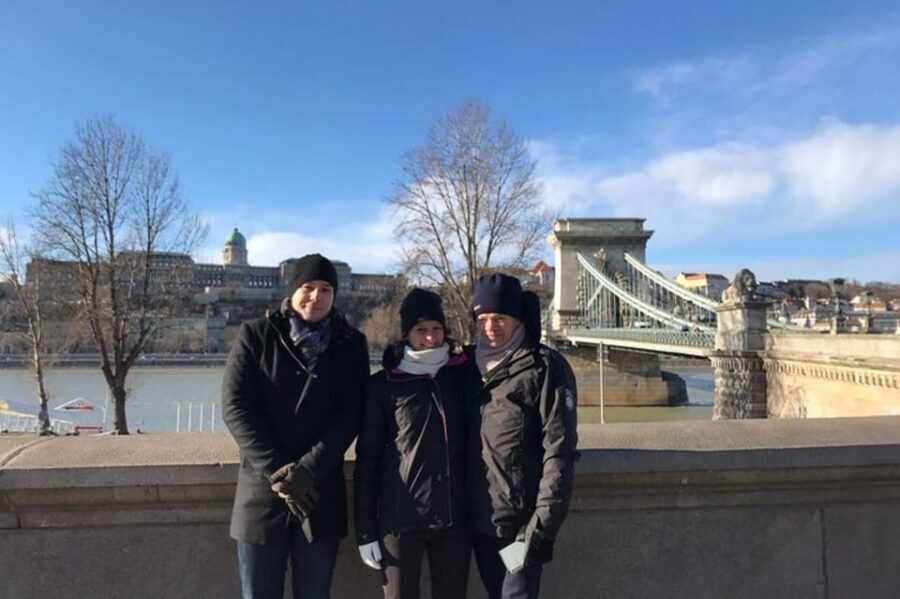
- Danube Embankment panoramas: you’ll see Castle Hill, Matthias Church, Fisherman’s Bastion, and more.
- Culture beyond monuments: public art details like the fat policemen and the Little Princess statue wish.
- Flexible tour focus: you can customize based on what you care about most.
Meeting at Kempinski Corvinus and getting your bearings fast
Your tour starts at Erzsébet tér 7, right in front of the Kempinski Hotel Corvinus Budapest. That location is handy because Elizabeth Square is one of the natural “hinge points” for walking connections—so you’re not spending your first minutes trapped in a maze of streets.
After you meet your guide, you’ll head to Elizabeth Square and get the tour framing. This is where you’ll hear what Budapest is doing politically and culturally, and how the city’s architecture and public art fit together—not as random decoration, but as a kind of public conversation.
If you’re coming in without much planning, this first segment is worth it. You’ll start to see patterns: which streets feel like everyday life, where viewpoints truly matter, and why certain buildings sit where they do.
You can also read our reviews of more walking tours in Budapest



Elizabeth Square: public space, architecture, and culture in miniature

Elizabeth Square (Erzsébet tér) sets the tone. It’s close to major routes and close to the kinds of stops that first-time visitors usually want—so it’s a good place to start understanding how the city is laid out.
Your guide covers more than facts here. Expect a mix of history and everyday culture: how people use public space, what to notice in the architecture, and how Hungarian life shows up in the street-level details.
I also like that this tour doesn’t treat culture like a museum label. You’ll get small language notes, food references, and context that helps you read the city as you walk—like you’re learning a local’s shortcut brain.
St. Stephen’s Basilica: the big church and why people care

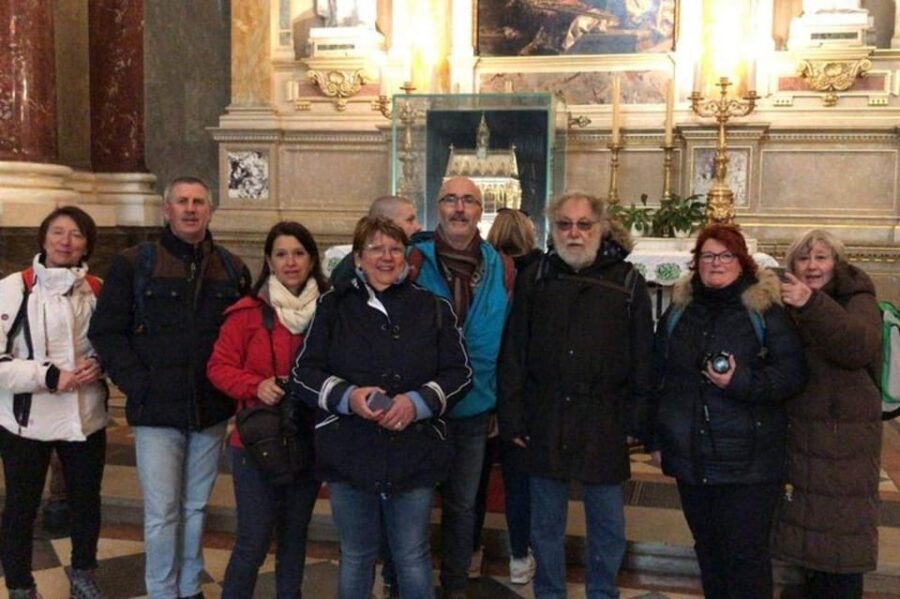
Next comes St. Stephen’s Basilica, the largest church in Budapest. You’ll learn the basics of its architecture and history, but the best part is how the guide helps you understand what the building represents.
It’s an easy stop to remember because it’s so recognizable in the city skyline. Still, the value is in the explanation: why this basilica matters to Budapest’s story, and how it fits the broader feel of the city.
From there you’ll move through St. Stephen’s Square, where you also get public art details—like the depiction of fat policemen. It’s one of those moments that makes Budapest feel human. Instead of solemn only, you get a city that also laughs at itself and tells stories through street-level symbols.
József Nádor tér: Habsburg connections and hand-painted ceramics
At József Nádor tér, you shift from church-and-square to a more specific slice of historical identity: Hungarian Habsburg history. This is a smart change of pace. You’re not just repeating the same “landmark, landmark” rhythm.
This stop also includes a visual treat: exquisite hand-painted porcelains and colorful ceramics. It’s the kind of thing you might otherwise rush past without knowing what you’re seeing.
This is where the guide’s attention pays off. The ceramic display isn’t only about pretty colors. It’s a clue to who influenced Hungarian taste, what luxury looked like here, and how decorative art became part of everyday cultural memory.
Vörösmarty Square and Váci utca: people-watching with purpose

Then you’re at Vörösmarty Square, and it’s basically a stage for watching Budapest live. People-watch, yes—but more importantly, you’ll understand what makes this pedestrian area special.
You’ll also be guided toward Váci utca, the famous pedestrian street. This is where the tour helps you separate “nice street views” from “this is the street locals actually use” energy.
If you like wandering with a plan, you’ll enjoy this segment. The guide’s commentary helps you pick what’s worth a longer look, and what you can safely just take in from the sidewalk.






Danube Embankment panoramas: Castle Hill to Gellért Hill
After the squares, you get one of the tour’s most visual rewards: the Danube Embankment. This is where you get panoramic views of major landmarks across the river.
You’ll see Castle Hill, Matthias Church, Fisherman’s Bastion, Buda Castle, and Gellért Hill with the Citadel. Even if you’ve seen photos, the city’s scale hits differently in person—because everything is lined up the way your brain expects, once you’re actually standing there.
This is also a stop where your guide can make the photos smarter. When you know what you’re looking at—church shape, castle placement, how the hills relate—the viewpoint becomes more than a snapshot. It becomes a map in your head.
If you’re the type who likes understanding sightlines, this is a good portion to lean into. Stand where your guide directs you, take a few photos, then keep walking with the landmarks “tagged” in your mind.
The Little Princess Statue wish and the turn toward Vigadó Square
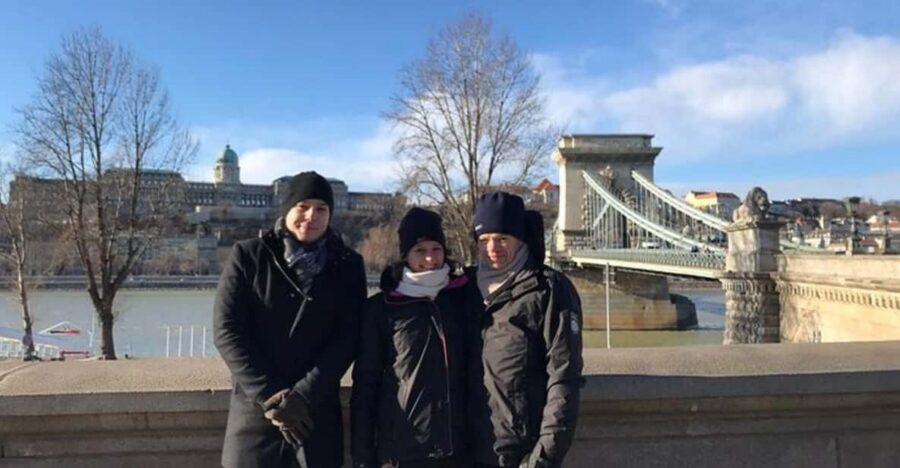
Along the route, you’ll stop at the Little Princess Statue and make a secret wish. It’s playful in the best way—short, fun, and memorable, without turning the tour into a gimmick.
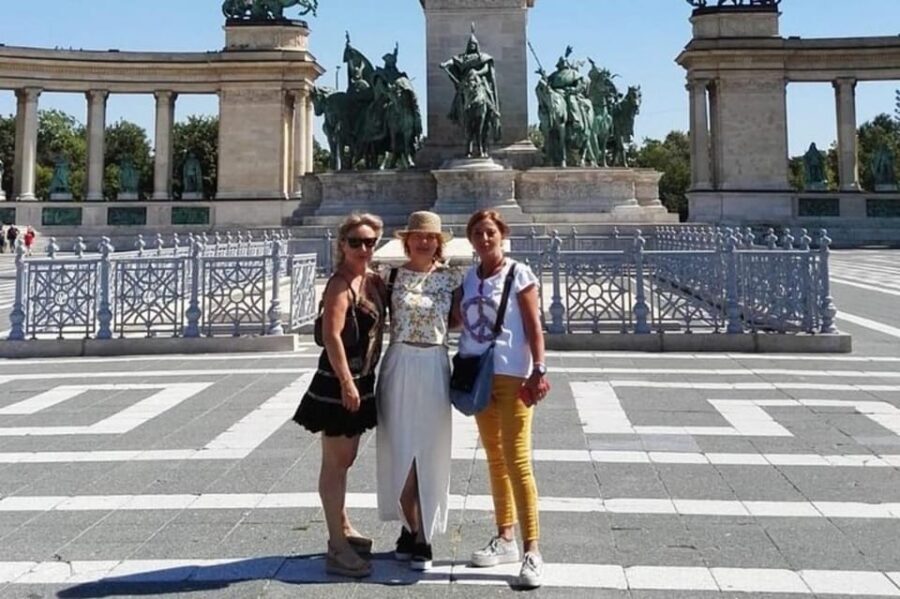
Then you head to Vigadó Square. Here the story sharpens: you’ll learn about the history connected to Franz Joseph’s and Sissy’s coronation banquet.
This is a useful reminder that Budapest’s major squares and big buildings weren’t only built for beauty. They were built for events, power, ceremony, and public identity. That’s why this stop matters: the guide connects the modern city layout to a very specific imperial moment.
If you like your sightseeing with context, you’ll appreciate how the tour keeps switching between “what you see” and “what it used to mean.”
Chain Bridge history at Szechenyi Lanchid (and why it matters)
You’ll then reach Szechenyi Lanchid, the Chain Bridge area, and learn about the history of the bridge itself. Bridges in big cities aren’t just transportation—they’re statements of ambition and engineering confidence.
Hearing that story while you’re actually near the structure makes it click. You understand why it became a symbol, and why it’s tied to how Budapest presents itself to the world.
This is also a practical moment. If you’re walking across the river later on your own, you’ll be more oriented because you’ll already know how the bridge fits into the city’s “two halves” idea—Buda and Pest.
Gresham Palace and the look of Secession architecture
Next up: the secessionist Gresham Palace. This is one of those architecture stops that feels “optional” until you realize Budapest has a style-language, and this building is part of it.
The guide’s commentary helps you notice the visual cues you might otherwise miss. The value isn’t just appreciating the exterior. It’s learning how styles moved through Europe and how they showed up in local power and money.
If you’re tired of tours that only point and name, this part should refresh you. You’ll get a mini-lesson in how to read the façade instead of just treating it like a photo backdrop.
The Hungarian Parliament Building finale: neo-Gothic and modern politics
The tour ends at the Hungarian Parliament Building. It’s neo-Gothic and it’s hard to ignore. But the finish is more than a dramatic “ta-da” moment.
You’ll learn about recent history, including elections, and how the building relates to Hungary’s political story. The point isn’t to make you memorize dates. It’s to give you a framework for what you’re seeing and why it sits at the heart of modern national identity.
For first-timers, this ending is especially good. By the time you reach Parliament, you’ve already walked through religious landmarks, public art details, ceramic culture, major bridges, and imperial-era references. So the political finale lands with weight.
Price and value: is $29 fair for what you get?
At $29 per person for a 2-hour private walking tour, you’re paying for two things: guide time and a structured route that gets you to the core sights without wasting hours trying to stitch them together yourself.
This feels like good value because the tour includes more than pointing at buildings. You get a licensed local guide plus walking and public transport (with note that it depends on the option you select). You also get help from the team to book tickets for any visits you want to add.
Food and drink aren’t included, so plan on budgeting for a snack afterward. Still, for a short, high-impact orientation session, the trade-off is favorable: you buy direction and context, not just transportation.
If you’re traveling solo or as a couple and want private attention without paying “big city tour” money, this pricing is a strong fit. The route is also tight enough that you won’t feel like you’re on a full-day commitment.
What kind of guide experience you’re likely to get
The tour is led by a live guide in English, Spanish, Italian, or French, and that matters because the commentary is part of the product.
You’ll also want to know that guides are praised for being professional and for sharing history clearly while answering questions. Names that have been singled out include Adrienne, Anikó, and Alix—all mentioned for being diligent, highly qualified, and enjoyable to talk to.
So if you care about understanding what you see, you’re not just buying a route. You’re buying explanations that make Budapest easier to navigate afterward.
Best time to do this tour in your trip
I’d do this early—ideally on day one or day two. You’ll leave with a mental map that helps you plan the rest of your Budapest days.
It also works well if you’re short on time and want a “main highlights” loop. Because the tour focuses on the Basilica, Danube views, Chain Bridge, and Parliament, it covers the kind of sights that usually take the longest to organize if you’re doing everything on your own.
Who should book this walking tour (and who might skip)
Book it if:
- You’re a first-timer who wants the key sights connected by story, not just by geography.
- You prefer a private experience and want customization.
- You like city tips you can use right away—language basics, cultural notes, and practical suggestions.
You might skip it if:
- You want long stays at interiors or full-on museum depth.
- You’re allergic to walking for a set route and want totally free roaming instead.
Should you book this Budapest must-see attractions walking tour?
Yes, I think it’s a smart booking—especially if you’re early in your trip and want orientation with real context. For $29, you’re getting a tight 2-hour route that hits the recognizable Budapest icons, adds details like the fat policemen artwork and the Little Princess Statue wish, and ends at Parliament with explanation rather than just a photo.
If you like sightseeing that teaches you how to look, this is the kind of tour that makes the rest of your days easier.
Just go in knowing the trade-off: it’s a highlights tour. You’ll see a lot, but you won’t linger forever.
FAQ
Where does the tour start and end?
The meeting point is in front of Kempinski Hotel Corvinus Budapes, and the tour starts at Erzsébet tér 7 and returns there at the end.
How long is the Budapest walking tour?
The tour lasts 2 hours.
Is this tour private?
Yes. It’s a private and exclusive walking tour, and there won’t be anyone else in your group.
What’s included in the price?
The tour includes the private walking tour, public transport (except if you select one of the options), help from the team to book tickets for the desired visits, and a custom tour.
Which languages are available for the live guide?
The live guide is available in English, Spanish, Italian, and French.
Is it wheelchair accessible and can I cancel?
Yes, it’s wheelchair accessible. You can cancel up to 24 hours in advance for a full refund.