REVIEW · BUDAPEST
Budapest Art Nouveau Walking Tour
Book on Viator →Operated by Insight Cities · Bookable on Viator
Art Nouveau pops off the sidewalks. This Budapest walking tour focuses on street-level architecture and the people who shaped it, guided by a historian who connects the buildings to real Hungarian design ideas. I especially love the way the tour brings Ödön Lechner into the story with practical, see-it-on-the-facade details, not just vague art talk.
What I liked just as much is the mix of stops: a luxury-hotel palace, Lechner’s own Royal Postal Savings Bank, and the tile-and-ceramics influence tied to Zsolnay from Pécs. One possible drawback: the meeting point at Madal Café can be busy, so give yourself an extra few minutes to find your group before you start walking.
In This Review
- Key Highlights You’ll Notice Fast
- Art Nouveau on Foot: What You’re Really Seeing
- Price and Value for a Historian-Guided Small Group
- Where You Start and End (and Why That Matters)
- The Walking Plan: How Long, How Much, and Transport Reality
- Stop 1: Gresham Palace and Budapest’s “Luxury Hotel” Layers
- Stop 2: The Royal Postal Savings Bank (Lechner’s Entrance Hall)
- Stop 3: Thonet House and the Tile-and-Porcelain Connection
- Stop 4: Kazinczy Street Synagogue and the Interior Timing Catch
- How Good Guides Make This Tour Worth It
- What to Look For While You’re Standing There
- Who Should Book This Art Nouveau Walk
- Should You Book the Budapest Art Nouveau Walking Tour?
- FAQ
- How long is the Budapest Art Nouveau Walking Tour?
- How much does the tour cost?
- Is the tour offered in English?
- What’s included in the tour price?
- Do I need to pay for public transportation?
- Is the Kazinczy Street Synagogue interior always included?
- What are my cancellation options?
Key Highlights You’ll Notice Fast
- A historian guide that ties ornament to context, so buildings make sense instead of feeling random
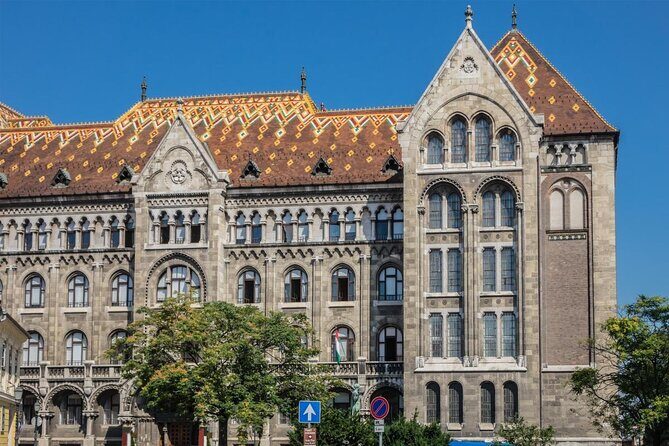
- Lechner’s signature showing up in the Royal Postal Savings Bank’s entrance-hall details
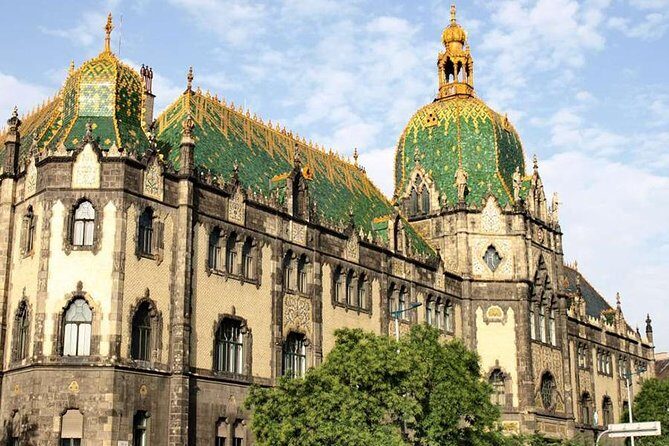
- Zsolnay ceramics influence explained through tile work you’ll spot on facades
- Art Nouveau details you can see up close at multiple landmark addresses
- Small-group format with a stated maximum of six, and an overall cap listed at eight for the activity
- Kazinczy Street Synagogue visit (interior visit depends on the day, especially Saturdays)
Art Nouveau on Foot: What You’re Really Seeing
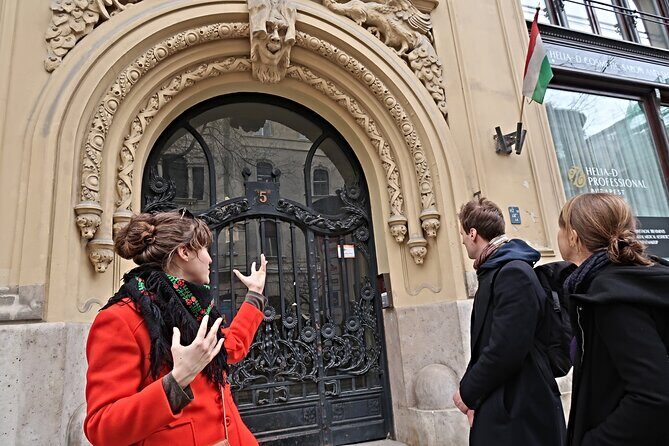
Budapest can feel like one long gallery of styles, but this tour narrows the lens to Art Nouveau—and more importantly, how it got built into everyday streets. You’re not just looking at pretty facades. You’re learning why certain curves, patterns, and materials appear in particular places, and how Hungarian architects turned a European design trend into something local.
I like that the tour gives you a framework for noticing details quickly. After a couple of stops, you start “reading” the buildings: decorative elements stop being wallpaper and become clues about symbolism, industry, and craftsmanship. You’ll also get enough context to enjoy the architecture even if your own style taste is more practical than artsy.
The pacing is designed for people who want structure without feeling herded. It’s about three hours and includes short pauses where the guide can explain what you’re looking at before you move on.
You can also read our reviews of more walking tours in Budapest



Price and Value for a Historian-Guided Small Group
At about $126.16 per person for roughly three hours, this isn’t a budget “free walking tour” price. The value is in the historian guide plus the focused route around specific Art Nouveau landmarks. You’re paying for someone to help you see the same building you could walk past on your own—but with meaning attached.
A big reason it feels fair is that several key stops are listed with free admission tickets, which helps the overall cost stay predictable. The one stop that can cost extra is the synagogue interior, depending on opening and day-of-week.
You also get a small-group experience. The description highlights a maximum of six on a small-group departure, while the activity data lists a maximum of eight travelers. Either way, the group stays compact, which matters because Art Nouveau details are easiest to appreciate when you can actually get close and hear the explanation.
If you’re the type who hates paying for “generic city facts,” this tour is for you—because the facts are tied to what you’re viewing right then.
Where You Start and End (and Why That Matters)
You’ll begin at Madal Café, Alkotmány u. 4, 1054, and finish at Kazinczy Street Synagogue, Kazinczy u. 29–31, 1075.
That end point is a smart touch. Instead of circling back to the start, the walk naturally funnels you toward the synagogue, decorated in Art Nouveau style. It’s a good setup if you plan your next activity in that area after the tour.
One practical note: Madal Café can be crowded. Plan to arrive a little early and give yourself time to spot the group. In a busy meeting place, it’s easy to lose track of where you’re supposed to go—so I’d rather you be early than stressed.
The Walking Plan: How Long, How Much, and Transport Reality
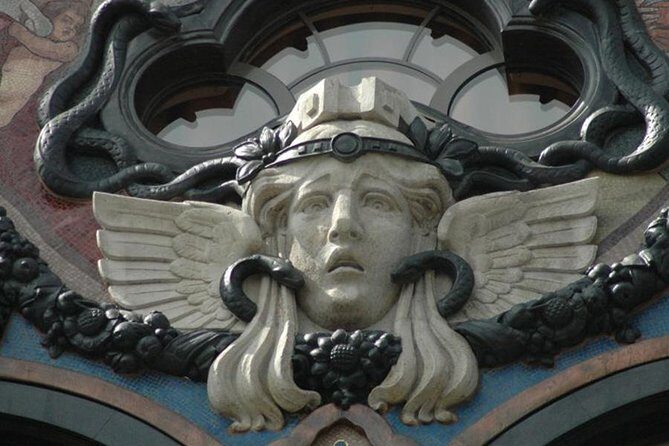
Expect moderate walking. Comfortable shoes are your best friend here, especially if you’re visiting during warm months or after a long day elsewhere in the city.
The tour also includes some public transport use, with passes at your own expense. That doesn’t mean you’ll ride all the time; it usually means the guide is using transit to connect you efficiently between neighborhoods or key buildings. The value is that you spend more time looking at the architecture and less time grinding along sidewalks that aren’t part of the story.
If you like being prepared: factor in the cost of transit passes you’ll need on the day of your departure. The good part is that the tour gives you structure, so transport doesn’t feel like an afterthought.
Stop 1: Gresham Palace and Budapest’s “Luxury Hotel” Layers
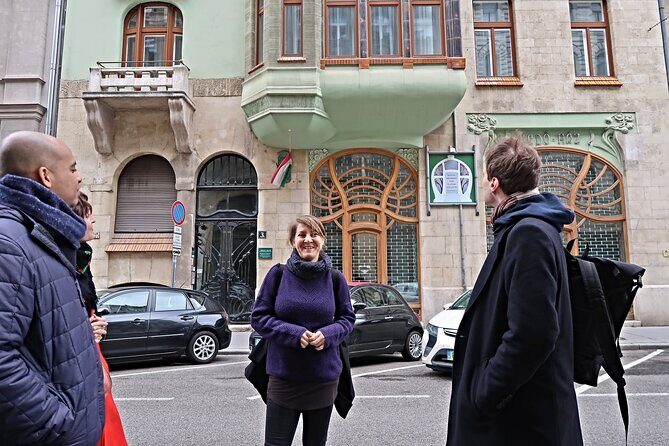
Your first major stop is Gresham Palace. This is the kind of building where the exterior already looks intentional, but the tour also flags the interior as part of what made it famous—originally serving as office space and luxury apartments, and now operating as Budapest’s most luxurious hotel.
Why this stop works: Art Nouveau isn’t only about one ornament style. It’s also about how architecture signals status. Gresham Palace lets you see the “serious business” side of design—how a city’s wealth and ambitions show up in stonework, layout, and the overall sense of drama.
You’ll get about 20 minutes here. The key is timing: you don’t want to rush, but you also don’t want to get stuck staring at one detail. The guide’s job is to point you toward the most telling features so you see more than just the obvious grandeur.
Admission is listed as free for this stop, which helps you keep your mental budget under control.






Stop 2: The Royal Postal Savings Bank (Lechner’s Entrance Hall)
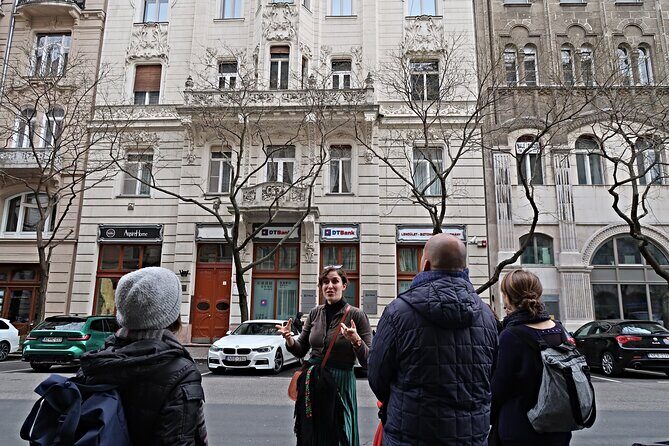
Next comes one of the tour’s headline lessons: the Royal Postal Savings Bank, designed by Ödön Lechner—often compared as Hungary’s version of the style powerhouse people associate with Gaudí.
You’ll spend about 20 minutes at this stop, including discussion of the interior design elements of the entrance hall. This is where Art Nouveau becomes practical for your eyes. Entrance halls are where buildings “introduce themselves,” and Lechner’s approach helps explain how designers used ornament to shape experience: you arrive, you notice the detail, and the building feels alive rather than flat.
The tour also frames Lechner as Hungary’s best-known Art Nouveau architect. That matters because it gives you a name to anchor everything you see next. When the guide later ties materials and tile patterns to broader influences, you’ll have Lechner in your mental map.
Like Gresham Palace, this stop lists free admission tickets, so you can focus on what the guide points out rather than worrying about costs.
Stop 3: Thonet House and the Tile-and-Porcelain Connection
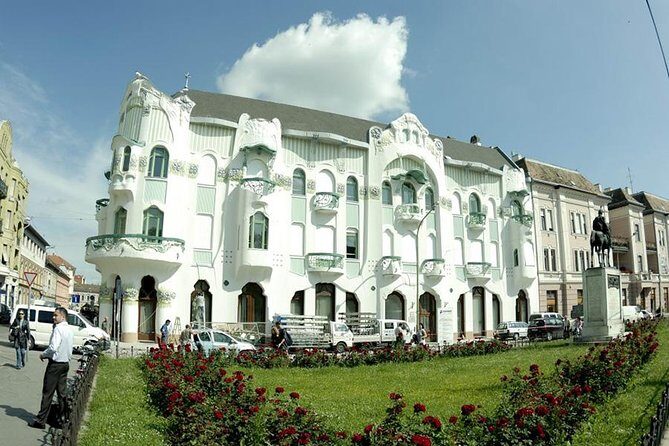
At Thonet House, the tour pauses to discuss a detail Hungarian Art Nouveau became famous for: tiles in facades. This is a strong stop for visual learners. Once you start noticing tile patterns, you’ll spot the style’s fingerprints across the city with better confidence after the tour ends.
Here’s the unique thread you’ll get: the guide links this look to innovations from the Zsolnay porcelain and ceramics factory in Pécs, south of Hungary. That factory connection is the difference between “pretty decoration” and “a real industrial and artistic network behind the look.”
It’s also a nice reminder that Art Nouveau wasn’t just an architect’s sketchbook fantasy. Industry mattered. Materials mattered. Someone had to make these surfaces look the way the designers wanted—and Zsolnay becomes the named example.
You’ll spend around 20 minutes here, with a short stop that’s built around the facade and what it represents. Admission is listed as free, which keeps this stop easy to enjoy without friction.
Stop 4: Kazinczy Street Synagogue and the Interior Timing Catch
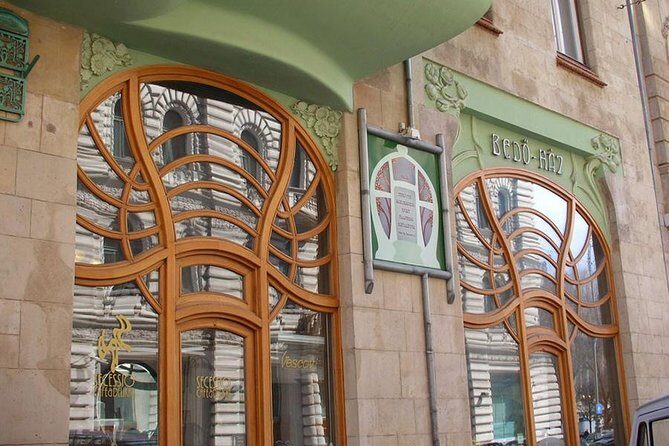
You’ll end at the Kazinczy Street Synagogue, decorated in Art Nouveau style. This stop is about 25 minutes, and it’s also where timing matters most.
The tour includes an interior visit except on Saturdays. On other days, you’ll see the synagogue’s interior decoration in a way that makes the Art Nouveau style feel larger than “just buildings”—it shows up in spaces tied to community and identity.
One practical detail: the synagogue admission is listed as not included. There may be an additional cost if the Orthodox Synagogue on Kazinczy Street is open on your tour day. In other words, it’s the one stop where you should keep your payment options ready in case the interior is accessible.
The good news: even if you can’t go inside, you’re still finishing at a fascinating, Art Nouveau-styled landmark. But if you’re hoping for the full interior experience, try to plan your departure for a day that isn’t Saturday.
How Good Guides Make This Tour Worth It
The strongest part of this experience is the guide. The tour format is tight: you get just enough time at each stop to learn the important features without spending the whole day stationary. The historian-led approach is what turns architecture into something you can actually remember.
You also benefit from a guide who doesn’t just recite facts. One review-style takeaway from the experience is that the guide is willing to take the group “anywhere in the city” based on what people want to learn. That doesn’t mean you should expect a completely custom day, but it does suggest you’ll get more than a script if you ask thoughtful questions.
If you’re the type who likes to ask why a design choice looks the way it does, you’ll probably enjoy the flow. And if you want a simple takeaway, you’ll still leave with a clearer sense of what Hungarian Art Nouveau looks like and why it’s distinct.
What to Look For While You’re Standing There
To get the most out of a tour like this, don’t just glance. Look for patterns the guide is highlighting. Here’s what you’ll likely want to watch as you move between stops:
- Tile work on facades, especially where the surface looks like it’s part of the design rather than only a covering
- Entrance hall details at the bank—Art Nouveau often shows up most dramatically where people enter
- Material cues tied to industrial production, like the Zsolnay porcelain/ceramics connection
- Curves, motifs, and ornament placement, and how they help “read” the building’s function
- Architectural identity, especially when you connect what you see back to Ödön Lechner
When you do this, the tour becomes a skill. Afterward, Budapest’s art nouveau signs start shouting instead of whispering.
Who Should Book This Art Nouveau Walk
This tour fits best if you:
- like architecture and want a structured way to understand it
- enjoy small-group walks with a historian guide
- want to see Art Nouveau in real, functioning landmarks (palaces, a bank, and a synagogue)
- appreciate tours that highlight specific names and design sources, like Ödön Lechner and Zsolnay
It’s also a solid choice if you’re the kind of person who wants to return to your hotel later feeling like you learned something you can use. The route is built around recognizable stops, so you can later point to buildings and say, I get why that design looks like that.
If you dislike walking on city streets or you hate anything involving possible extra admission costs, you may find the format a bit more involved than you want—especially because the synagogue interior depends on the day.
Should You Book the Budapest Art Nouveau Walking Tour?
I think you should book this tour if you want an Art Nouveau experience with real explanation behind the details. The mix of Gresham Palace, Lechner’s Royal Postal Savings Bank, Thonet House, and the Kazinczy Street Synagogue gives you variety without feeling random. And the historian guide is the difference between seeing pretty buildings and understanding what shaped them.
Book it with two caveats in mind:
1) you’ll do moderate walking, so pack comfortable shoes
2) the synagogue interior may involve an extra admission cost and doesn’t run on Saturdays
If those points don’t bother you, you’ll likely come away with a stronger eye for Budapest’s Art Nouveau—and a better city walk afterward, because you’ll know what you’re looking at.
FAQ
How long is the Budapest Art Nouveau Walking Tour?
It’s approximately 3 hours.
How much does the tour cost?
The price is $126.16 per person.
Is the tour offered in English?
Yes, it’s offered in English.
What’s included in the tour price?
You get a historian guide. Admission is listed as free for the first three stops; the synagogue interior admission is not included.
Do I need to pay for public transportation?
Some public transport may be used, and passes are at your own expense.
Is the Kazinczy Street Synagogue interior always included?
No. The tour includes the synagogue interior except on Saturdays. Also, the synagogue admission is not included and may cost extra depending on opening.
What are my cancellation options?
You can cancel for a full refund up to 24 hours in advance of the experience start time. If you cancel less than 24 hours before, the amount paid is not refunded.