REVIEW · BUDAPEST
Communism in Hungary with a Historian
Book on Viator →Operated by Budapest Explorers · Bookable on Viator
Budapest has communist stories in plain sight. This 3-hour, small-group walk uses major squares and landmarks to explain how communism shaped daily life and public space, and you get it with small-group focus and coffee-included context. I especially like the way the guide connects big events to real households, including stories about nationalized work, forced apartment changes, and the constant worry that someone might report you.
One thing to plan for: a couple of stops are outside-only, and entrance to St. Stephen’s Basilica and the Hungarian Parliament isn’t included.
In This Review
- Key highlights if you only read one part
- Meeting at Erzsébet tér, then moving by metro
- Elizabeth Square: the Stalin square story you can still see
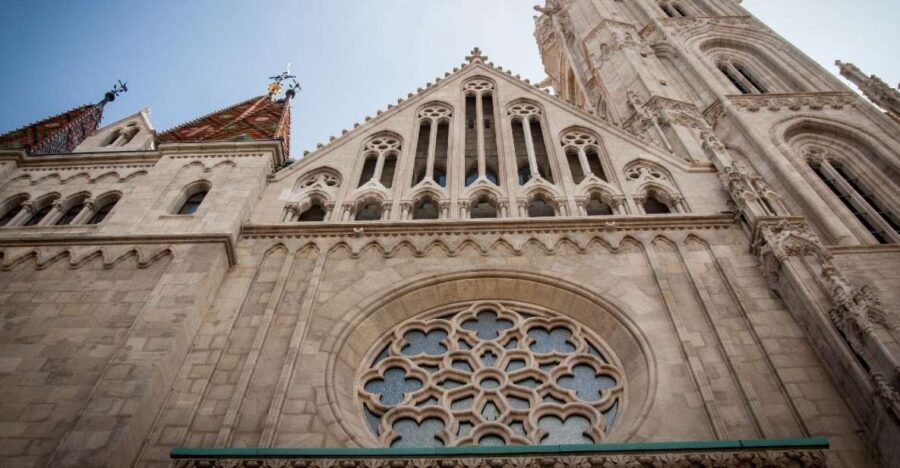
- St. Stephen’s Basilica: church life under communism, seen from outside
- Szabadság tér: memorials, statues, embassies, and a bunker glimpse
- Hungarian Parliament and Bloody Thursday of 1956
- Buda and Pest, explained through story and coffee at Bambi Café
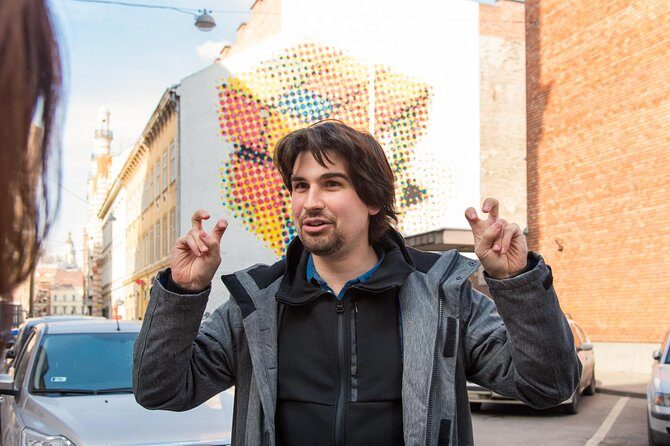
- Guides who make it feel human: family stories and balanced framing
- Is it worth $59.13 for about 3 hours?
- Who should book this communism in Hungary tour?
- Should you book it?
- FAQ
- What time does the tour start and how long does it last?
- Where do we meet, and where does the tour usually end?
- Is the tour in English?
- Are entrance tickets included for stops like St. Stephen’s Basilica or the Parliament building?
- What’s included for food or drinks?
- How big is the group?
- Can I cancel if plans change?
Key highlights if you only read one part
- Elizabeth Square’s Stalin-era layer: you’ll read the monuments and understand why the names and symbols matter
- Human stories, not just dates: guides like Judit, Raymond, Greg, Gábor, András, and Virág often share family experiences tied to the era
- Practical metro included: you travel by metro with tickets taken care of, so you’re not stuck figuring out routes
- Szabadság tér and bunker views: you’ll spot remnants of the Cold War from the outside
- 1956 Bloody Thursday at the Parliament area: the explanation centers on what happened near Kossuth square
- Bambi Café coffee stop: a communist-style cafe break helps everything click, especially with how it’s described as staying close to its 1961 feel
Meeting at Erzsébet tér, then moving by metro
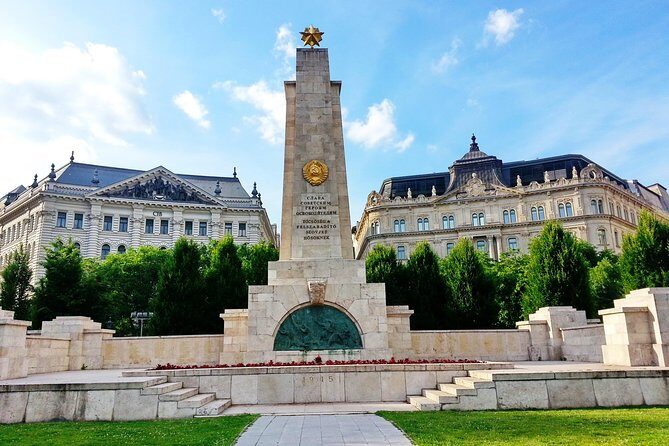
You start at the Kempinski Hotel Corvinus Budapest on Erzsébet tér 7–8, right by Elizabeth Square. The tour begins at 2:00 pm, and you’ll get a mobile ticket. From there, the day is built for walking plus short metro transfers, with metro tickets included. That matters because the communist-era sites are spread across the city’s hills and river sides. A purely walking approach would be longer and slower, especially in winter.
Group size is capped at 10, which changes the whole feel. You’re not shouting over a crowd. You can ask the questions that actually come to mind while you’re looking at a monument or a building and trying to picture what it meant to someone living under the system. In the feedback I saw again and again, guides were praised for making questions feel normal, not annoying.
The other practical piece: the tour ends at Bambi Café on the Buda side near the center and Margaret Bridge. On colder or wet days, the ending location shifts to the Pest side in the center, closer to where you began. That’s useful to know because it can affect how you plan your next stop or dinner reservation.
You can also read our reviews of more tours and experiences in Budapest.

Elizabeth Square: the Stalin square story you can still see
Elizabeth Square (Erzsébet tér) is your first stop, and it’s more than a pretty plaza. You’ll hear it described as the former Stalin square, and the point isn’t nostalgia—it’s interpretation. The way monuments sit in public space can teach you how regimes want you to remember the past, even decades later.
This stop sets the theme for the rest of the walk: communism wasn’t just a set of laws. It was a style of storytelling. Symbols, statue placements, and even the names attached to a place were used to create a version of history you were expected to accept.
What I like about starting here is the mental warm-up. Once you understand how the guide reads the square, the rest of Budapest becomes easier to decode. You start noticing how the city layers eras on top of each other, without wiping the older story away completely.
St. Stephen’s Basilica: church life under communism, seen from outside
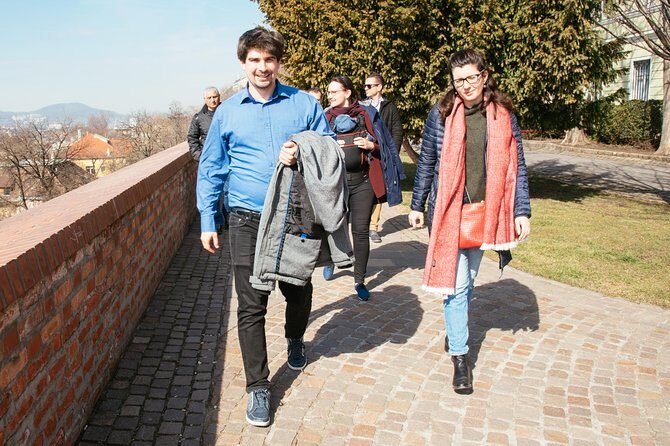
Next you’ll head toward St. Stephen’s Basilica (Szent István Bazilika). The walk here is brief, about 15 minutes, and the key detail is that you see it from the outside. Admission isn’t included, so don’t plan on going in during this tour.
So why stop at a church on a communism walk? Because the guide uses it to talk about religious life during communism. Expect discussion of what churches could and couldn’t do, plus how families navigated belief in a system that wanted control over public life.
In feedback, guides also referred to how religion survived in different ways, including stories where church support involved “donating” money to the party. Whether you’re religious or not, that kind of detail helps you understand the pressure people were under. It also shows a pattern you’ll see again around other symbols: people adapted, negotiated, and sometimes just kept going quietly.
Drawback to consider: if you were hoping for more inside visits, this isn’t that style. The focus is on street-level interpretation and context.
Szabadság tér: memorials, statues, embassies, and a bunker glimpse
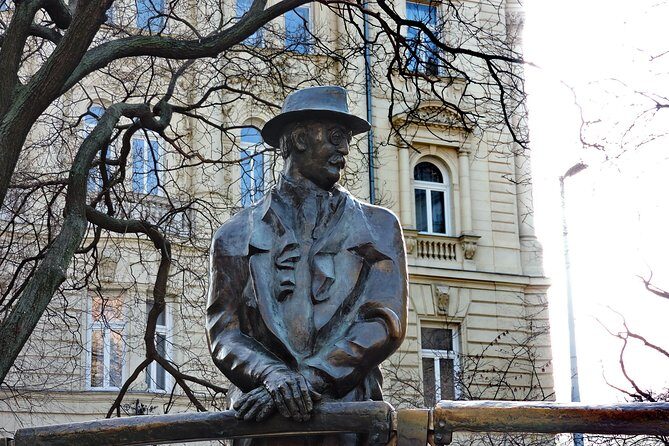
Szabadság tér is the longest stop on the tour at about 45 minutes. It’s also one of the most “Cold War in the open” segments you’ll get in Budapest without traveling far outside the center.
Here’s what you’re looking for: remnants of communism spread across memorials, statues, and even the presence and positioning of embassies. The guide brings these pieces to life with stories, so you’re not just seeing stone and signage. You’re connecting them to how the era shaped fear, obedience, and everyday routine.
One detail that makes this stop especially memorable is the mention of part of a bunker. You’ll see it from the outside rather than touring inside. That matters because it keeps the tour moving and keeps the message clear: the infrastructure of fear and readiness was part of life, not just a secret rumor.
I also like that this stop expands the idea of communism beyond apartments and workplaces. It pushes you to think about geopolitics—how international relations filtered into what you saw out your window in Budapest.
Hungarian Parliament and Bloody Thursday of 1956
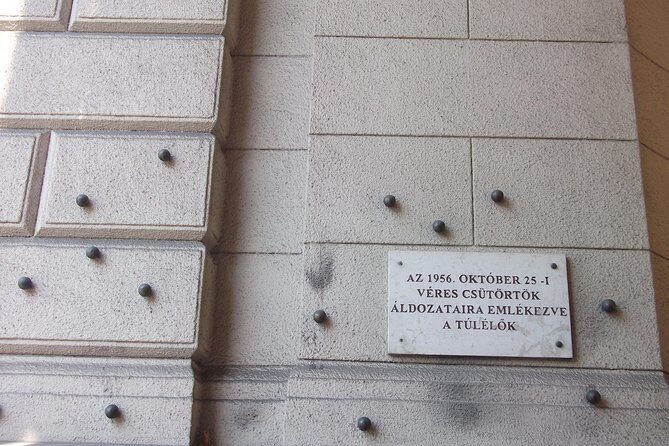
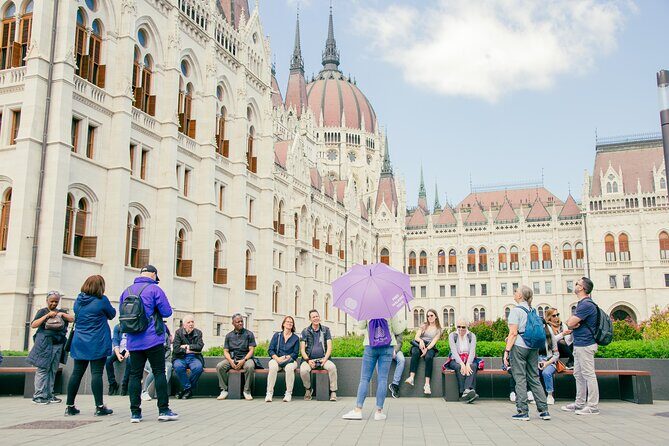
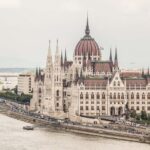
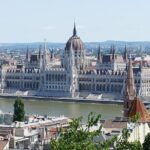
The next segment takes you to the Hungarian Parliament Building area, where the guide focuses on one of the most important events of the 1956 revolution: Bloody Thursday. The explanation centers on what happened near Kossuth square in front of the Parliament.
As with St. Stephen’s Basilica, the tour doesn’t include entrance to the Parliament building, and the time is about 15 minutes. But the value here isn’t the interior. It’s the location. When you stand in the right viewpoint, you can understand why this was a stage for confrontation and why symbolism mattered so much during the uprising.
What I think works well for most people is the way the guide links this specific event back to the wider communist era. You’ll hear context about how the system operated before 1956, and then you’ll see how people responded when they tried to break free. That back-and-forth between before and during helps you avoid treating 1956 like an isolated movie scene.
If you’re the type who likes cause-and-effect, you’ll probably enjoy this portion most. The guide tends to frame what happened as a result of accumulated pressure, not as random chaos.
Buda and Pest, explained through story and coffee at Bambi Café
The tour ends at Bambi Café. This isn’t just a random stop to refuel. The cafe is described as communist-style, and coffee is included. The feedback also notes that Bambi was opened in 1961 and that it hasn’t changed too much since, which gives you a small time-warp feeling.
This is a smart way to end a heavy topic. You’ve spent a few hours reading squares, buildings, and monuments like evidence. Now you can sit, sip coffee, and ask follow-up questions while the guide has the attention of the whole group.
I like how this final stop ties daily life themes together. In the stronger stories shared by guides, communism showed up in family workplaces: businesses being nationalized, people forced to work under new rules inside their own former space, and poor pay with oversight from people loyal to the party. The cafe stop helps you process how those realities would shape a regular day: where people went, what they were safe to say, and how they learned to live with uncertainty.
If you’re studying history only from books, this part can feel like the missing bridge. The era becomes personal without getting theatrical.
Guides who make it feel human: family stories and balanced framing
A big reason this tour earns such strong ratings is the storytelling style. Many guides in the feedback were praised for attention and warmth, and for making personal anecdotes part of the explanation instead of sprinkling them in as decoration.
You’ll hear stories that point to common features of life under communism in Hungary, including:
- jobs and businesses being taken over (nationalization)
- forced changes to housing, including being assigned to live with another family
- fear of speaking because someone could report you to the party
- pressure placed on churches, including survival tactics tied to party expectations
Guides like Raymond, Greg, and Virág are repeatedly linked with these kinds of details. Others, like Judit and Gábor, were noted for engaging delivery and patience with questions even on rainy, cold days.
There’s also a theme of balance. Some feedback specifically praises guides for presenting more than one side and for keeping the discussion honest. In practice, that shows up as the guide connecting the era to what you can still see today, while not pretending the story has a single simple villain or hero.
One note if you’re expecting a different tour style: this is not a synagogue-focused route. If you’re hunting for synagogue visits, you’ll be disappointed here. The focus stays on communist-era landmarks and themes.
Is it worth $59.13 for about 3 hours?
At $59.13 per person for roughly 3 hours, this price sits in the “serious walking tour” category, not the super-budget one. Here’s how I’d judge the value.
First, you’re getting metro tickets included, and you’re capped at 10 people. Those two factors matter because they limit overhead and keep the experience personal. Second, coffee is included at the end, which is a real cost if you’d otherwise pay for it. Third, the guide-led storytelling is the core product. The best feedback highlights family stories and specific, place-based explanations that you typically don’t get on a standard sightseeing loop.
Could the price feel steep if you only wanted photos and basic facts? Yes. This is built for interpretation: standing in key spots and understanding how communist rule worked in public life and private behavior.
If you want a deeper, question-friendly history tour that makes you look twice at Budapest’s squares, $59.13 can feel like fair math.
Who should book this communism in Hungary tour?
You’ll probably love this tour if you:
- like seeing history written into the city, not only stored in museums
- want Cold War and 1956 context without a lecture hall feel
- enjoy asking questions and getting direct answers
- want a mix of monuments and everyday-life stories
You might skip it if you:
- want mostly inside visits and lots of paid entrances
- prefer a purely chronological timeline with minimal discussion
- are specifically looking for synagogue stops or other non-communist sites
The best part for many people is the pacing. It’s long enough to explain themes and short enough to keep energy up, even in winter weather.
Should you book it?
If your goal is to understand communism’s fingerprints in Budapest’s public spaces and daily-life details, I’d book this. The tour’s greatest strength is the guide-driven story thread, especially when it connects nationalized work, housing changes, fear of reporting, and the way people navigated church life. Add the small group size, the metro tickets, and the coffee finish at Bambi Café, and you’ve got a practical, memorable way to grasp the era without getting lost in abstract theory.
FAQ
What time does the tour start and how long does it last?
The tour starts at 2:00 pm and runs for about 3 hours.
Where do we meet, and where does the tour usually end?
You meet at the Kempinski Hotel Corvinus Budapest, Erzsébet tér 7–8, 1051. The tour usually ends at Bambi Café on the Buda side close to the center and Margaret Bridge.
Is the tour in English?
Yes, it’s offered in English.
Are entrance tickets included for stops like St. Stephen’s Basilica or the Parliament building?
No. St. Stephen’s Basilica and the Hungarian Parliament Building are listed as not included for admission. Other stops noted in the tour are free.
What’s included for food or drinks?
Coffee is included at the communist-style cafe stop at the end of the tour.
How big is the group?
The tour has a maximum of 10 travelers.
Can I cancel if plans change?
Free cancellation is available if you cancel up to 24 hours in advance for a full refund. If you cancel less than 24 hours before the experience, the paid amount isn’t refunded.