REVIEW · BUDAPEST
Budapest 3-Hour Private Walking Tour with Route Options
Book on GetYourGuide →Operated by Cityrama Budapest Travel Agency · Bookable on GetYourGuide
Big Budapest, walked at your pace. You get a private, customized itinerary with a real choice of four routes, so you can aim the walk at the parts you care about most. I especially like the way the guide can help shape the flow, whether you want big-name sights, history, or practical shopping stops.
One thing to watch: pacing. A 3-hour walk is tight, and if your guide runs fast or jumps topics, the experience can feel a bit rushed and disorganized. Plan to speak up early if you want a slower rhythm or more focus.
In This Review
- Key points to know before you book
- Choosing Between Pest, Castle District, Jewish Quarter, or City Shopping
- Pest Downtown: Parliament, St. Stephen’s Basilica, Liberty Square, and Central Market Hall
- Castle District: Royal Palace buildings to Alexander Palace, then Fishermen’s Bastion and Matthias Church
- Jewish Quarter: Europe’s largest synagogue, the Jewish Museum, the cemetery, and the Raoul Wallenberg memorial
- City Shopping Tour: Central Market Hall plus Váci Street, Fashion Street, and malls
- How a Private 3-hour Walk Actually Works (pickup, transport, and pacing)
- Price and value: is $150 per person worth it?
- Guide quality: what the good ones do, and what to watch for
- Should you book this Budapest private walking tour?
- FAQ
- What routes are offered on this 3-hour private walking tour?
- How long is the tour?
- Is the tour private?
- What languages are available for the live guide?
- Does the tour include hotel pickup?
- Are entrance fees included?
- Are public transport fees included?
Key points to know before you book
- Four route options let you pick Pest, Castle District, Jewish Quarter, or a shopping-first route
- Private guiding means you’re not stuck with a one-size-fits-all script
- Top sights in one walk include Parliament, St. Stephen’s Basilica, Fisherman’s Bastion, and Matthias Church
- Culture with depth on the Jewish Quarter route includes major synagogue and the Raoul Wallenberg memorial park
- Market and street time on the City Shopping tour builds in Central Market Hall and shopping streets like Váci Street
- Hotel pickup included within Budapest, plus public transport may be suggested when it helps
Choosing Between Pest, Castle District, Jewish Quarter, or City Shopping
The best part of this tour isn’t any single landmark. It’s the menu of routes, because Budapest is two cities in one. If you pick the wrong side, you end up spending energy crossing rivers and backtracking. Here, you decide what you want to see, then your guide helps connect the dots into a clean 3-hour walk.
Here’s how I’d choose:
- Pick Pest Downtown if you want grand civic sights and a classic first-time Budapest route, with Parliament and St. Stephen’s Basilica on the list.
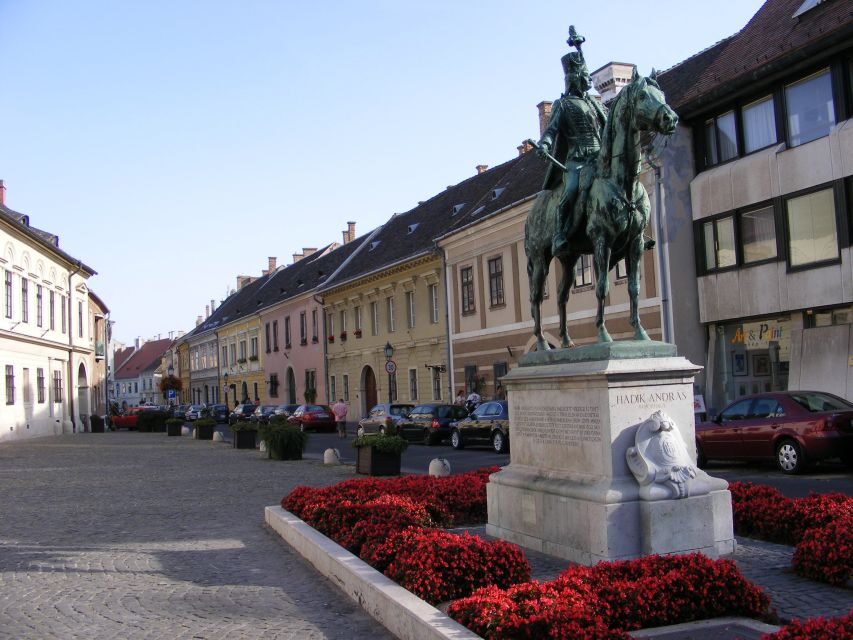
- Pick Castle District if you care about sweeping views, royal buildings turned museums, and the iconic cluster around Fisherman’s Bastion and Matthias Church.
- Pick Jewish Quarter if you want a more focused cultural and historical walk that includes major Jewish heritage sites and the Raoul Wallenberg Holocaust Memorial Park.
- Pick City Shopping Tour if you want practical time for food, snacks, souvenirs, and browsing—without turning the whole day into shopping malls.
Also note a key reality: entrance fees and public transport fees are not included. That matters because some of the most famous stops are inside, not just outside. Your guide can still steer the walk, but you’ll be paying those extras if you want to go in.
You can also read our reviews of more walking tours in Budapest


Pest Downtown: Parliament, St. Stephen’s Basilica, Liberty Square, and Central Market Hall
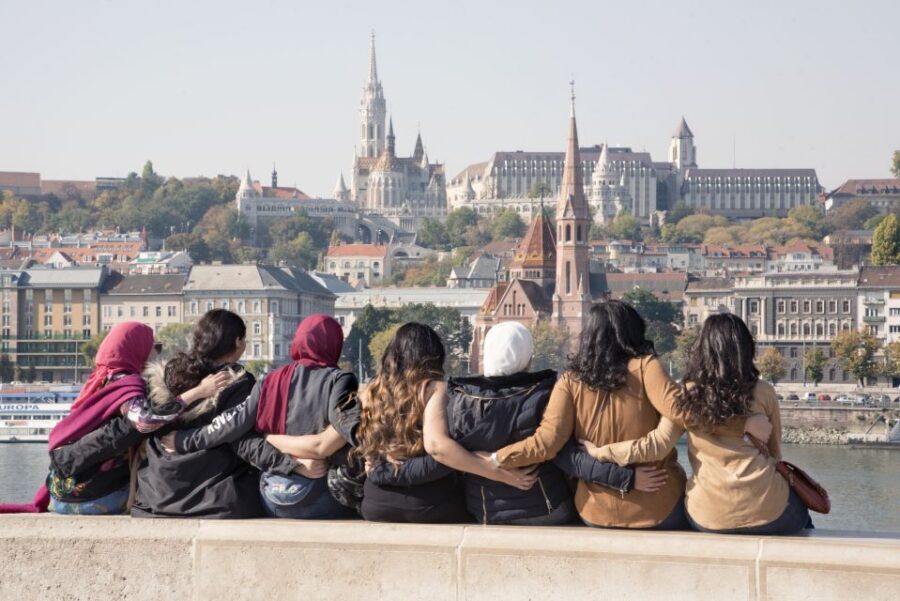
This route is for your inner “first time in Budapest” instinct. It moves through the big, photogenic pieces of Pest that people usually come for—and it does it in a logical walkable sequence.
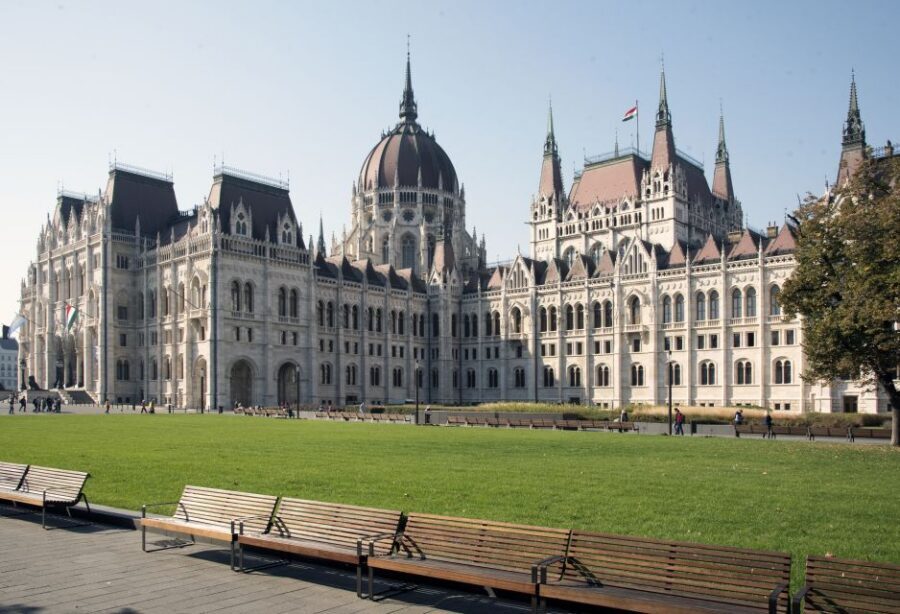
Hungarian Parliament is the headline here. Even if you don’t go inside, the building’s scale and setting give you instant context for Hungary’s modern identity. It also sets up great photo angles because you’ll be near the broad civic spaces where the architecture shows off.
Then you’ll shift to St. Stephen’s Basilica, a stop that’s more than a postcard. It’s the kind of place where timing matters: you’ll get a feel for the rhythm of the surrounding streets, and you can see how it anchors the historic core.
From there comes Liberty Square, which helps connect the story from grand religious monuments to civic landmarks. It’s a good “breather” stop—less about rushing to a single building and more about letting the city’s layers show.
Finally, you land at Central Market Hall, described as the largest covered market hall in Europe. This is where the tour becomes useful in real life. Even if you’re not shopping heavily, you can use the stalls to understand local tastes and pick up small items you’ll actually enjoy later. If your guide knows your preferences, you’ll get better suggestions than wandering blind.
One drawback to plan for: this route is dense with famous exteriors. If you want deep time inside churches or museums, you may feel the 3-hour cap.
Castle District: Royal Palace buildings to Alexander Palace, then Fishermen’s Bastion and Matthias Church
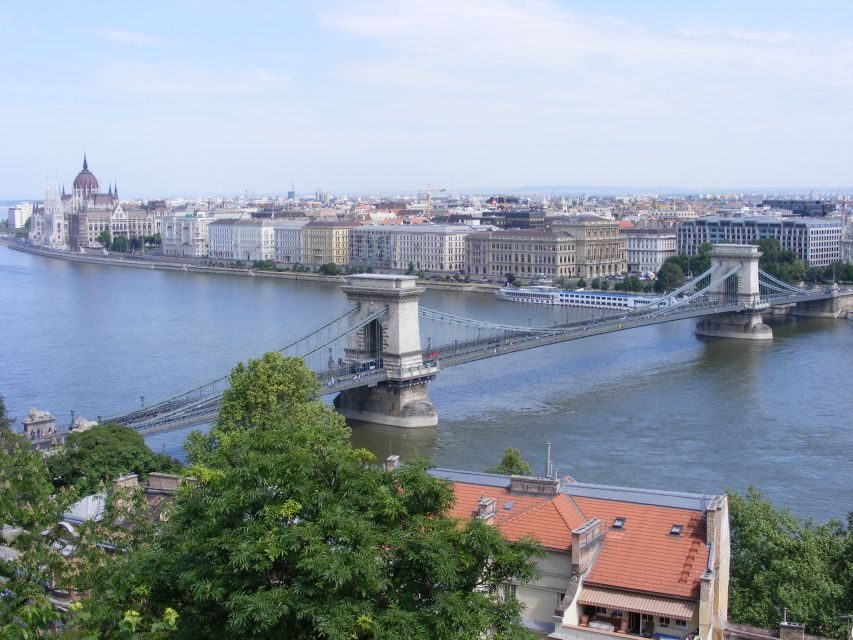
If Pest feels like the city’s formal front door, the Castle District feels like its dramatic viewpoint. This route stacks highlights that look good from the street—but also give you a sense of why this area matters historically.
You start with the former Royal Palace, now used as the National Library and National Gallery. Even just seeing the complex from outside helps you connect Budapest to a longer royal and cultural story. It’s the kind of landmark that makes you slow down, because the building scale isn’t subtle.
Next is Alexander Palace, now the office of the President of the Republic. That change of use is part of what makes Budapest fascinating: old power structures keep evolving, not freezing in time.
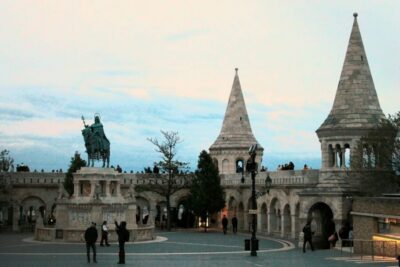
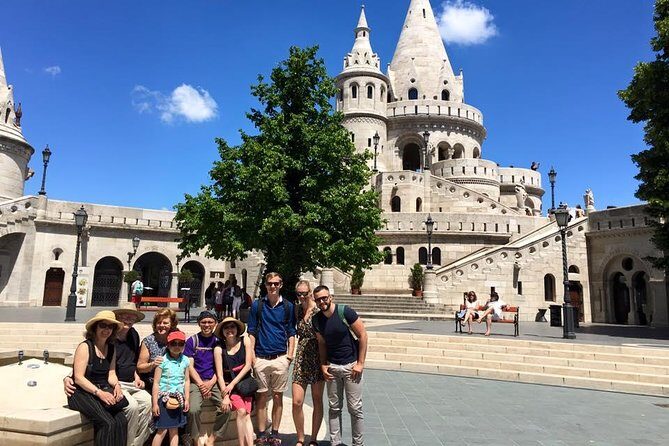
You’ll also pass Castle Theater, then the tour pivots to one of the most scenic photo zones in the area: Fishermen’s Bastion. This is where the city starts rewarding you with views. Expect a pause moment—good for photos, and good for looking out over the Danube to understand the city’s layout.
Then comes Matthias Church, often the final “wow” stop on a Castle District walk. It’s not just visually impressive; it helps close the historical loop by giving you one of the district’s defining landmarks at the end of the circuit.
Practical watch-out: the Castle District can mean steeper walking. If your legs aren’t thrilled with hills, tell your guide upfront. A private setup can adjust the pace, and in some instances your guide may recommend public transport.
Jewish Quarter: Europe’s largest synagogue, the Jewish Museum, the cemetery, and the Raoul Wallenberg memorial
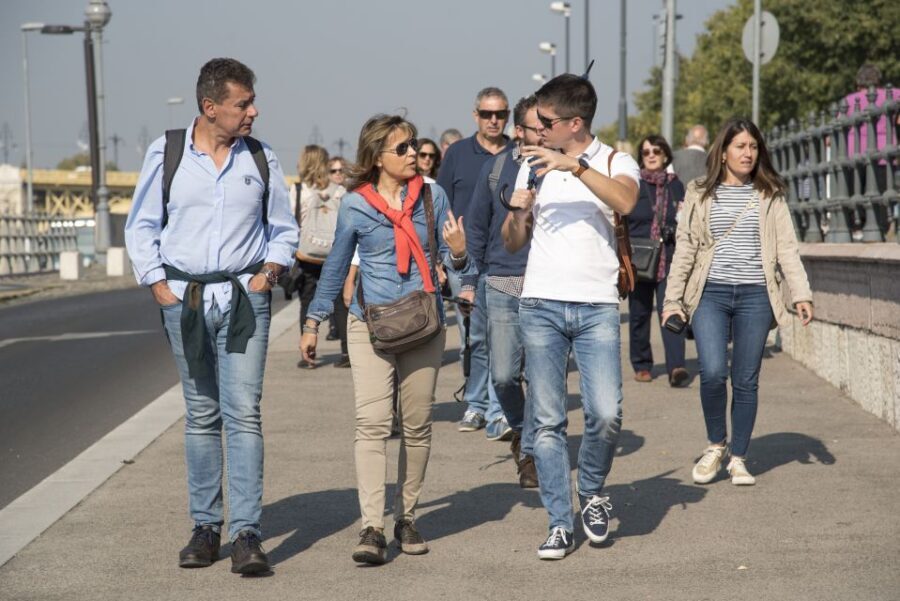
This route is different in tone. It’s focused, and it carries emotional weight. If you’re choosing the Jewish Quarter option, you’re not just ticking boxes—you’re walking through a part of Budapest that connects strongly to European Jewish history and the trauma of the Holocaust.
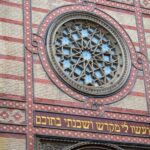
You’ll see Europe’s largest synagogue, plus the Jewish Museum and the Jewish Cemetery. Seeing them in a walk like this helps you understand the geography of memory: religious life, documentation, and lasting remembrance aren’t separate topics when you experience them close together.
A standout stop here is the Raoul Wallenberg Holocaust Memorial Park. This is the kind of place where a guide’s framing matters. You want clear, respectful context that sticks with you after the walk ends.
The tour also includes additional stops beyond those listed. That’s helpful if you like learning that feels like a story, not random facts. Just keep expectations realistic: 3 hours is not a full day of museum time. You’ll want your guide to prioritize the sites you care about most so the walk doesn’t feel like a sprint.
One consideration: if history topics are sensitive, you should feel comfortable setting the tone with your guide. This is private guiding, so you can ask for a slower pace, more context, or specific emphasis on the parts you want to understand better.
City Shopping Tour: Central Market Hall plus Váci Street, Fashion Street, and malls
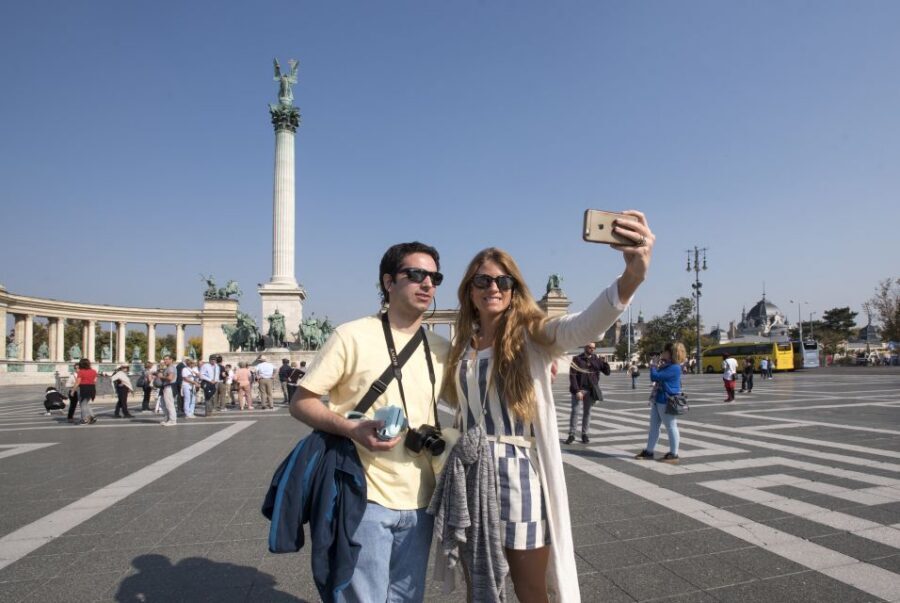
This is the route for people who don’t want to end a trip with only photos. You’re walking with an eye for practical buys: food, souvenirs, everyday items, and gifts that don’t feel like generic tourist inventory.
You’ll start again at Central Market Hall, which makes sense because it’s where your senses wake up. Even if you don’t buy much, it’s a strong place to compare prices, spot local products, and learn what’s actually worth checking out. Your guide can also steer you toward items that match your budget and taste.
Then you’ll head along Váci Street, which is one of the city’s best-known shopping corridors. After that, you’ll also visit Fashion Street—useful if you want variety and a slightly different street mix than the main tourist lanes.
And yes, you’ll also have time at city shopping malls. The advantage of doing it with a guide is simple: you’re not wandering until your feet are done. You’ll spend time where it fits the goal of the day—special buys, browsing, and finding things that feel like Hungary rather than random international racks.
The only drawback is focus. If you’re hungry for landmark sightseeing, shopping can steal time from famous exteriors. If that’s you, consider mixing routes by asking your guide to include a few quick landmark viewpoints during the walk.
You can also read our reviews of more private tours in Budapest






How a Private 3-hour Walk Actually Works (pickup, transport, and pacing)

This is billed as a private group tour, and that matters for how the hours feel. Instead of getting pulled forward with the crowd, you can shape the pace. You also get a guide who can react to what you say you like—big monuments, history, or shopping stops.
You’ll also get pickup included from your accommodation within Budapest. That removes a common headache: figuring out where to meet and losing the most precious part of your day to transport logistics. You’ll still want to build in a bit of buffer for walking speed, photos, and quick stops for snacks.
Your guide may recommend public transport in certain instances. That’s a smart option when the city layout gets steep or spread out. For you, the benefit is less fatigue and fewer detours. The trade-off is simple: public transport fees are not included, so you should expect to pay if transit is used.
Entrance fees are also not included. That’s fine—just don’t assume you’re automatically getting inside every stop. If going inside matters to you, ask your guide early what’s realistically possible within the 3-hour time window.
Finally, languages: you can get a live guide in Spanish, English, French, German, or Italian. That’s a big deal in Budapest, where details matter—whether it’s architecture, historical context, or what to ask for in the market.
Price and value: is $150 per person worth it?
At $150 per person for a 3-hour private walking tour, you’re paying for three things: guide time, route flexibility, and convenience.
Guide time is real value here. A good guide can save you hours of guessing. Instead of building your own route from scratch—trying to match landmarks with opening hours—you get an itinerary that’s designed around your interests.
Route flexibility is the second value. Four options is not just a marketing trick. It changes what your walk covers and how efficiently you see the city. If you pick Pest Downtown when you actually care about views and historic buildings, you’ll feel it immediately. With options, you can correct course before the walk even starts.
Convenience is the third value: hotel pickup included within Budapest. That can easily be worth money and time, especially if you’re staying in an area that’s not “on the main walking route.”
Where the value can shrink is if you expect the tour to cover entrance fees and transport automatically. Since those aren’t included, your true cost depends on what you choose to enter.
The best match for this price is a group of people who want a tailored experience rather than a basic group bus tour. If you’re solo and just want a quick checklist walk, the price may feel high. If you want a guided, personalized 3-hour slice of Budapest, it’s a fair way to spend time.
Guide quality: what the good ones do, and what to watch for

A huge part of whether this feels great or only okay is the guide’s style. The strongest versions of this tour come from guides who mix structure with personality: they pace the story, connect the stops, and keep you oriented.
Some guides have been praised for sharp historical knowledge plus humor, and you can see how that would help. Humor and clear explanations don’t just make the tour fun; they make details easier to remember. Names that have been associated with excellent experiences include Vera, Eszter, and Silvia—each noted for engaging delivery and strong command of historical context.
But here’s the practical part: a private tour still depends on the guide being organized. One experience described a rushed feel with fast topic-jumping and disconnected facts, plus answers that didn’t feel detailed enough until the guest asked repeatedly. That’s the sort of situation where you should speak up early: ask your guide to slow down, explain a stop in a structured way, and confirm that the route matches your interests.
There’s also an important caution. One negative report mentioned discomfort with the guide’s framing of political and religious topics. If those issues matter to you, don’t wait silently. You can set expectations in the first minutes by saying what you want the tour to focus on and what you want avoided.
Should you book this Budapest private walking tour?
If you’re the type who likes control—choosing between Pest, Buda Castle sights, Jewish heritage sites, or a shopping-focused day—this is a strong option. The private format and route choices help you avoid wasting time on parts of Budapest you don’t care about.
Book it if:
- you want a guided route that can be tailored to your interests
- you’d rather walk with a professional than build the plan yourself
- you like hitting major landmarks without committing a whole day
Be cautious if:
- you’re very sensitive to pacing or you want a strictly structured narrative (3 hours can feel rushed if the guide flies)
- you have specific expectations about how history should be framed
If you go in prepared—especially by telling your guide what matters most—you’ll likely come away with a Budapest walk that feels personal, not generic.
FAQ
What routes are offered on this 3-hour private walking tour?
You can choose one of four options: Pest Downtown, Castle District, Jewish Quarter, or City Shopping Tour. Your guide can further customize the itinerary.
How long is the tour?
The duration is 3 hours.
Is the tour private?
Yes, it’s listed as a private group tour.
What languages are available for the live guide?
The tour offers guides in Spanish, English, French, German, and Italian.
Does the tour include hotel pickup?
Yes. Pickup is included from your accommodation within Budapest (including hotels, apartments, and private addresses).
Are entrance fees included?
No. Entrance fees are not included.
Are public transport fees included?
No. Public transport fees are not included, though your guide may recommend public transport in some cases.