Budapest from a car feels oddly efficient. This private Grand Budapest tour is built for seeing more than a walking loop, with local-style context about everyday Hungary, not just postcard facts. I like that it’s designed to cover both Buda and Pest, plus the traditions and day-to-day feel you often miss when you stay in one neighborhood.
Two things I really like: you get private transportation (so you’re not burning your legs on uphill steps), and you travel with a guide who can add useful detail while also handling the practical bits like tickets for transport when needed. One consideration: it’s a 6-hour program and the pace is more “sightseeing by ride” than “sit and linger,” so you’ll want moderate fitness and a willingness to move through busy areas.
In This Review
- Key highlights before you go
- How the 6-hour private tour model actually helps
- Buda and Pest by private transportation: what you gain
- The guide: where the experience becomes more than sightseeing
- A likely flow of the day: orientation, landmarks, and views
- 1) Start with pickup and quick orientation
- 2) Time through the Pest side highlights
- 3) Cross over to the Buda side for a different feel
- 4) Finishing near views and a rooftop-bar option
- Strudel stops and rooftop bars: how to make it worth it
- Price and logistics: what $717.71 per group really means
- What’s included, what’s not, and how to plan your spending
- Who this private Grand Budapest tour suits best
- Should you book it?
- FAQ
- How long is the Grand Budapest private tour?
- Is this tour private?
- How many people can be in a group?
- Do they offer pickup and provide a ticket on my phone?
- What is included in the price?
- What is not included?
- Does the guide help with getting tickets for transport?
- What happens if weather is bad?
- Can I cancel and get a full refund?
- Is the tour physically demanding?
Key highlights before you go
- Private ride for up to 6 means you can move fast and keep your group together.
- Pickup offered helps you start without wasting time on transit.
- Local perspective focuses on traditions and everyday life, not only monuments.
- Guide support with transport tickets can save time when you need access or entry.
- Strudel know-how: Adam is noted for steering people to good strudel stops.
- A rooftop-bar finish is encouraged to cap the views and timing.
How the 6-hour private tour model actually helps
A 6-hour tour in Budapest can be either a sprint or a smart overview. Here, the big advantage is the private ride: you’re not constantly recalculating routes, waiting for stops, or losing time to small detours. It’s a way to get your bearings fast and still hear meaningful context while you’re there.
Because it’s private (just your group), you also get flexibility in how the guide shapes the route. The tour description says it can be tailor made based on your interests and needs, and that matters in a city like Budapest where you may want more time on viewpoints, architecture, or the neighborhoods that feel lived-in.
The other practical win: you can cover main attractions without it turning into a full-on endurance day. That doesn’t mean it’s effortless, though. You should be ready for moderate walking around stops and for moving in and out of locations during busy times.
You can also read our reviews of more private tours in Budapest

Buda and Pest by private transportation: what you gain
Budapest isn’t one flat city. It’s split by the river, with distinct vibes on each side, and the difference can feel bigger than you expect. A car-based approach makes that split easier to enjoy. You get time in both areas instead of choosing only one and missing the other half of the story.
What this type of tour gives you is context. The guide isn’t just naming places; the format is meant to explain history and culture, plus traditions and everyday life—the kind of detail that helps the city start making sense when you’re back on your own.
You also get to see things that are harder to fit into a straight walking tour. The tour description explicitly promises sights you might not catch on foot alone. In practice, that usually means you get broader coverage of central areas and landmark districts without turning the day into nonstop stair climbing.
One drawback to plan around: because you’re spending significant time riding, you’ll want to treat the stops like short, high-focus moments. If you love slow museum-style pacing, you might prefer a longer stop later on your own after this tour sets the stage.
The guide: where the experience becomes more than sightseeing
The standout theme in the feedback I saw is the guide. Adam gets called out by name for delivering an excellent, structured day and for having deep knowledge of history. That doesn’t mean you’ll get a textbook lecture. It’s more like he can explain what you’re looking at, then connect it back to how people live and what shaped the city.
Another useful point: Adam is noted for organizing tickets for transport. Even if you’re comfortable navigating a city, Budapest can throw curveballs when you’re mixing sights, timing, and access. Having someone handle the practical side can be the difference between a smooth day and a day spent fixing small problems.
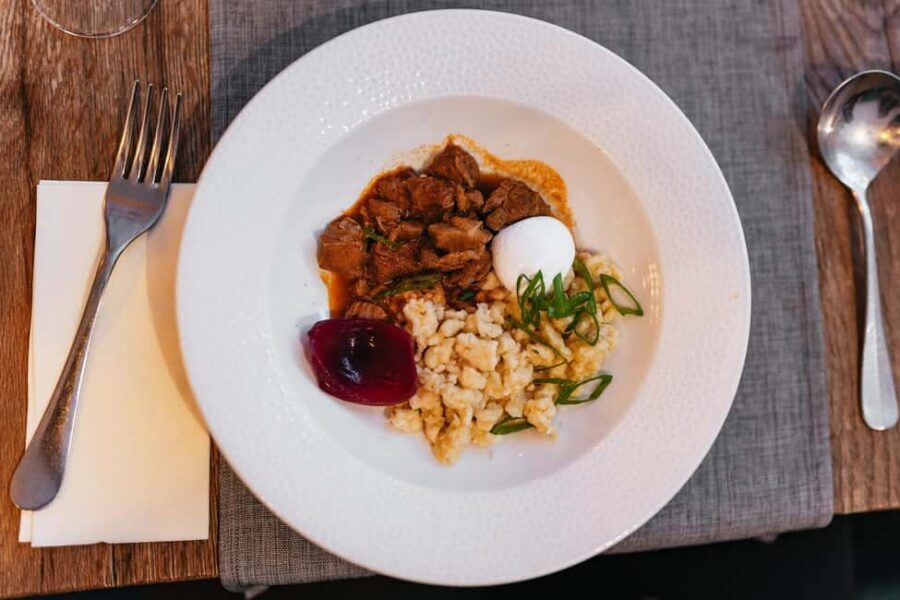
And then there’s the food angle—yes, seriously. One comment mentions Adam’s extensive strudel knowledge, plus an enjoyment of several flavors. That matters because Budapest food isn’t just snacks; it’s part of the culture. When a guide adds food timing and local recommendations, you end up with a more memorable day than just photos.
A likely flow of the day: orientation, landmarks, and views
The tour description doesn’t list a rigid, minute-by-minute itinerary, but it does describe the shape of the experience clearly: a 6-hour city tour using private transportation, focused on main attractions and local life.
Here’s the kind of flow you should expect, and why it works:
1) Start with pickup and quick orientation
If pickup is offered (it is), you’ll begin without dragging luggage or searching for transit. That first stretch of driving is often when you get the “okay, here’s how Budapest fits together” explanation—especially helpful because Buda and Pest can feel like two different cities.






2) Time through the Pest side highlights
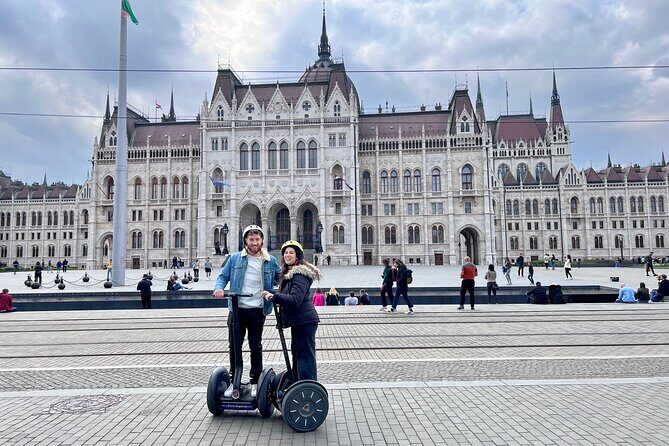
One feedback example mentions a section specifically tied to the Parliament area, which strongly suggests the route includes major central districts. Even without knowing the exact stop list, you can plan for at least some time around the iconic landmark zone where photos and quick explanations tend to happen.
3) Cross over to the Buda side for a different feel
Since the tour is meant to cover the most interesting parts of both Buda and Pest, you should expect the day to shift. On Buda’s side, the experience often turns more viewpoint-oriented and neighborhood-like—places where the city’s hills and street rhythm change how things look and feel.
4) Finishing near views and a rooftop-bar option
One of the clearest tips in the feedback: end the tour at one of the city’s rooftop bars. That’s a smart way to use the last hour—when you’re tired enough to want a seat, but still ready to enjoy one more set of views. It also gives you a chance to reflect on what you learned while the city is lit up.
Strudel stops and rooftop bars: how to make it worth it
Budapest is famous for strudel, but the trick is getting good options without turning it into a snack hunt. The notes about Adam’s strudel knowledge point to a guide who doesn’t just say try strudel. He’s able to steer you toward places where it’s actually worth your time, and even help you compare styles.
If strudel is high on your list, you’ll get the most value by treating it as a small plan, not an afterthought. If the guide suggests a stop, ask what makes that version different and where you should sit or order. You’ll leave with a memory that’s more than sugar and pastry.
For the rooftop-bar ending, think of it as part of the tour design. It’s not just a random suggestion. It’s a natural finish because it works with your energy level and gives you a final “Budapest makes sense” moment. If you’re with friends, it also becomes a low-stress way to talk through what you liked most from Buda and Pest.
Price and logistics: what $717.71 per group really means
The price is $717.71 per group, for up to 6 people, and the tour lasts about 6 hours. That’s private-transport pricing, so it can look high if you compare it to walking tours. But the math changes fast when you spread the cost.
If your group is full at 6 people, that’s roughly $119.62 per person for guiding plus private transportation for half a day. With fewer people, the per-person number rises, so this is most cost-effective when you’re traveling with a small group of friends or family.
What you’re paying for is not just movement. You’re paying for reduced friction: pickup, private ride time, guided context, and help with practical tasks like transport tickets. Over 6 hours, those pieces add up to a smoother day—especially if you want to see both sides of the river without turning the trip into a leg workout.
A small caution: meals and drinks aren’t included. So if you’re budgeting, plan for lunch or snacks separately. The good news is that a guide’s local knowledge can help you fit meals into the timing rather than forcing you to scramble.
What’s included, what’s not, and how to plan your spending
This tour includes:
- Private transportation
- Guiding service
Not included:
- Lunch
- Meals and drinks
That’s a straightforward setup, which is nice. It also means you keep control over where you eat and what you order. The guide can still help you decide timing and options, but you’re not locked into a fixed lunch spot.
Since the experience includes a guide-led overview and private transport, I suggest you treat the day as a sightseeing block, then schedule a real meal afterward—or plan a snack stop if you want to build in strudel. If you’re the kind of traveler who likes to maximize time, you can keep meals simple and let the guide focus on the sights and explanations.
Who this private Grand Budapest tour suits best
This tour fits best if you:
- Want a main-attractions overview without walking every corner.
- Are interested in more than landmarks—specifically traditions and everyday life.
- Like the idea of private flexibility and a guide who can adjust.
- Travel in a group where up to 6 people can share the cost.
It’s also a good match if you don’t want to manage logistics while sightseeing. With pickup offered, mobile ticket, and guide support, the day tends to feel organized.
The main mismatch is if you want a slow, museum-heavy day with long stays in one place. This tour is designed to cover a lot in 6 hours. You’ll get broad coverage and context, but not deep, hour-long dives into one single topic.
Should you book it?
I’d book this tour if you’re trying to make your first Budapest day count. The private transport removes the city’s biggest time-waster—walking and transit planning across steep or spread-out areas—while the guide adds context you can use right away. The standout value, based on the feedback I saw, is the guide experience: Adam’s history knowledge, his ability to manage transport tickets, and his strudel recommendations.
If you’re traveling solo and still want a private car, double-check the cost against how many stops matter to you. If your top priority is getting a general orientation and seeing both sides of the river, this is an efficient way to do it. If you’re the type who already knows the major sights and prefers free-roaming, you may not need private transportation.
FAQ
How long is the Grand Budapest private tour?
It runs for about 6 hours.
Is this tour private?
Yes. It’s a private tour/activity, and only your group participates.
How many people can be in a group?
The price is listed per group for up to 6 people.
Do they offer pickup and provide a ticket on my phone?
Pickup is offered, and you receive a mobile ticket.
What is included in the price?
The tour includes private transportation and a guiding service.
What is not included?
Lunch, and meals and drinks, are not included.
Does the guide help with getting tickets for transport?
The feedback mentions the guide organizing tickets for transport, so you should expect help with practical ticket needs if they come up.
What happens if weather is bad?
The experience requires good weather. If it’s canceled due to poor weather, you’ll be offered a different date or a full refund.
Can I cancel and get a full refund?
Yes. You can cancel up to 24 hours in advance for a full refund.
Is the tour physically demanding?
It’s listed as requiring moderate physical fitness, so plan for some walking around stops.
If you tell me your dates, group size, and whether you care more about viewpoints, landmarks, or food stops, I can help you decide what to prioritize during the 6 hours.