Budapest makes more sense on foot. This private Grand Budapest walking tour in Budapest turns street corners into a story, with Hungarian history (from kings to Communism) tied to what you see. I also love the small-group feel up to 6 people, with guides like Katalin and Susan who treat it like you’re walking with a capable local friend, not herded like luggage.
One consideration: it’s a full 7-hour day, so plan for a moderate physical fitness pace. Also, several major stops list tickets as not included, so you’ll want to be ready to pay extras if you want to go inside.
In This Review
- Key things I’d plan around
- The big idea: why this walk feels smarter than a checklist
- Buda Castle District: getting the lay of the land (and the entry is free)
- Heroes’ Square, museums nearby: a fast history “caption” for the whole city
- St. Stephen’s Basilica and Hungarian Parliament: two 30-minute stops that teach contrast
- Chain Bridge cross-over: where the route clicks into place
- Dóhány Street Synagogue and the State Opera: culture stops with extra costs to consider
- City Park (Varosliget) and the Széchenyi Baths area: a slower finish to reset
- Guides and value: what your money is buying
- Practical tips so the day feels easy, not exhausting
- Who this tour fits best
- Should you book the Grand Budapest walking tour?
- FAQ
- How much does the Grand Budapest walking tour cost?
- How long is the tour?
- What time does the tour start?
- Is pickup offered?
- Is the tour private?
- What language is the tour in?
- What’s included in the price?
- Are attraction tickets included?
- Is lunch included?
- What is the cancellation policy?
Key things I’d plan around
- Private group up to 6: quieter, more personal pacing, and easier questions.
- Two-guide setup: a local guide plus a professional guide who split roles and keep the flow tight.
- Free anchor stops: Buda Castle area highlights and Chain Bridge are marked free on the tour.
- A history line you can actually follow: kings, empires, and Communism explained through landmarks, not lectures.
- Customization is real: guides like Katalin can adapt the walk so it doesn’t repeat something you already booked (like a river cruise day).
- City layout in one sweep: you connect Buda’s hills to Pest’s grand avenues across the Danube.
The big idea: why this walk feels smarter than a checklist
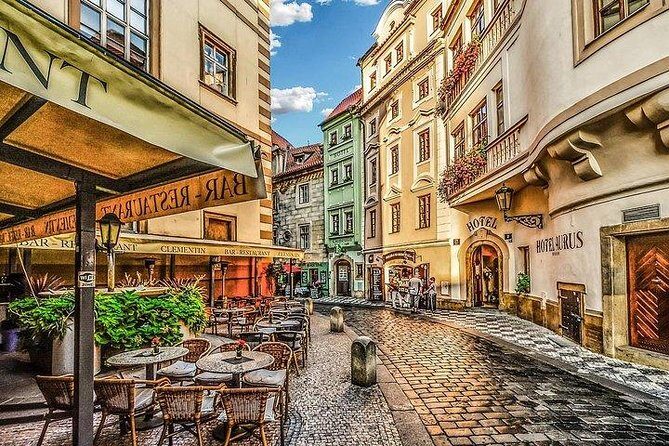
Budapest is split by the Danube. On one side, you get Buda’s old, hilly story. On the other, Pest shows off the grand civic and cultural face of the city. What I like about this tour is that it doesn’t treat these places like separate attractions. It builds a route that helps you understand how power, religion, politics, and culture moved through time—and where to look for clues in the buildings.
You start with Buda Castle District and end in City Park (Varosliget). In between, the walk hits the postcard icons that most people want—plus the “why should I care?” context that makes those icons stick. And because it’s private for your group, the guide can adjust the rhythm for your questions, kids, mobility needs, and any other plans you already have.
The other quiet win: you get pickup from hotels, hostels, apartments, or AirBnB. If you’re starting at 9:00 am, that matters. You spend less time “figuring out where to meet” and more time walking.
You can also read our reviews of more walking tours in Budapest



Buda Castle District: getting the lay of the land (and the entry is free)
Your morning sets the tone at Buda Castle District, including the Royal Palace area, Matthias Church, and Fisherman’s Bastion. Even if you’ve seen these images online, standing there is different. This is where the skyline turns into a history lesson.
I like that this first section is labeled free for admissions. That’s a practical advantage: you can focus on orientation and views without instantly paying more. It also means your guide can spend time on storytelling—how rulers shaped the city’s look, how religious power sat next to political power, and why these specific landmarks sit where they do.
One practical note: the Castle District can feel steep and step-heavy depending on the exact route on the day. The tour lists moderate physical fitness for a reason. Wear shoes you trust. Bring water. If you need breaks, this is the kind of tour where you can usually take them without feeling like the whole day is ruined.
Heroes’ Square, museums nearby: a fast history “caption” for the whole city
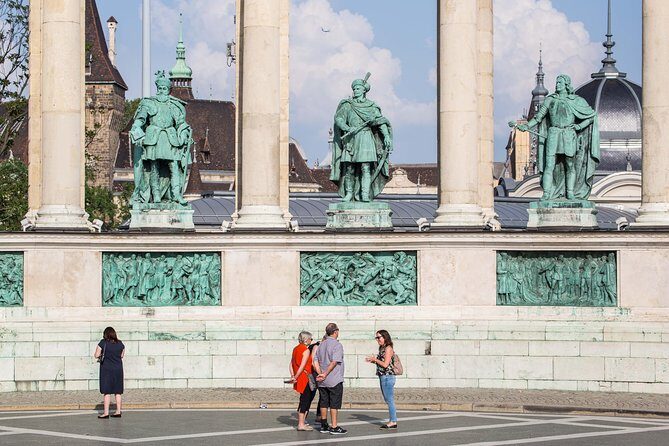
Next up is Heroes’ Square, with the Fine Arts Museum and Modern Art Museum nearby. You don’t spend ages here—about 30 minutes. That’s not a drawback if you use it right. This stop works best as a visual anchor: once you understand what Heroes’ Square is doing symbolically, the rest of the city’s monuments start making more sense.
In practice, this is where the guide’s history line becomes useful. Heroes’ Square isn’t just a dramatic plaza. It’s a statement about national identity and the image a country wants to project. A good guide turns that into something you can read at eye level, not something you gloss over.
If you’re the type who wants to go deep into museum interiors, you’ll likely need a separate ticket and time on your own. The tour lists admission tickets here as not included, so use the short window for exterior context, photos, and questions.
St. Stephen’s Basilica and Hungarian Parliament: two 30-minute stops that teach contrast
After Heroes’ Square, the walk takes you to St. Stephen’s Square and St. Stephen’s Basilica. Then it moves to Kossuth Square for the Hungarian Parliament Building. Each gets about 30 minutes, and tickets are listed as not included.
This is the part of the day where I think you’ll either love the efficiency or wish you had more hours. The tour isn’t trying to replace a museum day. It’s trying to give you an informed “first pass” at Budapest’s major political and religious landmarks.
Why it works: St. Stephen’s Basilica and the Parliament are different kinds of symbols. One reads as spiritual continuity, the other as civic authority. Seeing them back-to-back makes the contrast clearer. Your guide can point out how architecture carries messages even when you aren’t sure what year something was built.
If you want interior visits, plan for extra ticket costs. Since admissions are not included for these stops, you’ll likely be paying separately or limiting yourself to viewpoints and photos during the guided time.
Chain Bridge cross-over: where the route clicks into place
Then you hit Széchenyi Lanchid, the Chain Bridge, for about 30 minutes, and this stop is marked free for admissions. This is the fun, practical hinge of the whole day.
Crossing the Danube on foot is more than a photo op. It helps your brain map where you are. After Buda’s castle hill and Pest’s grand squares, the bridge is what stitches it together. On one side, you understand why Buda’s old power sits above the river. On the other, you see the wide boulevards and grand buildings that express Pest’s public face.
Also, because this is a free stop, you can enjoy it without that “do we have to pay again?” feeling. It’s a good mental break in the schedule too.






Dóhány Street Synagogue and the State Opera: culture stops with extra costs to consider
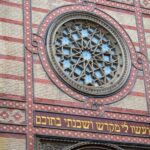
From the bridge area, the route shifts into culture and community with the Dohany Street Synagogue area (including the Great Synagogue) and then the Hungarian State Opera House (Magyar Állami Operaház). Each gets about 30 minutes, and tickets are not included.
This is where I’d set your expectations. A 30-minute window is enough for understanding the importance of a place—who it served, what it represents, and what to notice in the architecture from the outside. If you specifically want interior access, you should budget for tickets and time on your own terms. The tour makes it clear these admissions are not included.
Still, don’t skip these stops. In Budapest, houses of worship and cultural institutions are not side dishes. They’re part of the city’s historical timeline. A strong guide can connect them to the wider narrative of the city—especially when the tour is explicitly working through major periods of Hungarian history.
If you’re traveling with kids, this is also a nice variety break from squares and palaces. Opera and synagogue exteriors still feel impressive to young eyes.
City Park (Varosliget) and the Széchenyi Baths area: a slower finish to reset
The day ends in Varosliget/City Park for about 1 hour. The tour mentions City Park, Vajdahunyad Castle, and Széchenyi Baths. Tickets are not included here.
This is a smart way to close. After hours of landmark-to-landmark walking, you get a chance to breathe. City Park can feel like a different world compared with the dense historic center. It’s also a good place for photos and a calmer pace, especially if your feet are starting to argue.
But do plan based on your goals. If you want to use Széchenyi Baths, remember that admissions are not included, so you’ll need to add those costs and consider timing. If you mainly want the exterior experience and the setting, you’re set for a good finale.
Guides and value: what your money is buying
Let’s talk price, because $350 per group (up to 6) is either a great deal or too much, depending on how you travel. The value comes from three places.
First, it’s private. You’re not sharing the day with strangers. That matters for questions, pace, and whether the guide can explain things in a way that clicks for your group.
Second, it’s a 7-hour run from 9:00 am. That’s enough time to build context, not just collect photos.
Third, you get both a local guide and a professional guide included. That sounds like a small detail until you’re actually there. When two people can manage logistics and storytelling, the walk tends to feel smoother and less repetitive.
This is also why guides like Katalin stand out in the feedback: she’s described as tailoring the route to your other plans so you don’t repeat a riverboat cruise day. Susan is also noted for friendly, likable delivery that makes history easier to follow. And Zsuzsanna is credited for being patient and adaptable with a family.
If you’re a solo traveler, the cost per person will be higher than the headline. If you can fill the group size with friends or family, the per-person math becomes much easier.
Practical tips so the day feels easy, not exhausting
Here’s how to set yourself up for a smooth 7-hour walk.
- Start with sturdy shoes. The Castle District is known for its elevation and steps, and the tour asks for moderate physical fitness.
- Plan for extra ticket costs. Stops like St. Stephen’s Basilica, the Parliament Building, the Great Synagogue, the State Opera House, and the City Park sites list tickets as not included.
- Skip lunch planning stress. Lunch is not included, so decide in advance if you’ll grab something before you meet, or during a break if your guide builds one.
- Use the pickup. Pickup is offered from hotels, hostels, apartments, and AirBnB. If you’re not sure where you’ll meet, ask ahead so you don’t waste morning time.
- Bring a question list. The tour is history-driven. A few questions like how Hungary’s political shifts changed daily life will get you more from every stop.
One more small point: the tour is listed as near public transportation, which is helpful if pickup is delayed or you want an alternate meeting point.
Who this tour fits best
This is a good match if you want the “big picture” fast. If you’re first-time in Budapest, you’ll leave with a usable mental map: Buda to Pest, Danube in the middle, and major landmarks tied to specific historical eras.
It’s also a solid choice if you don’t want to spend your limited time in Budapest guessing what you’re looking at. The tour’s whole pitch is interpretation—kings to Communism, through the shape and placement of real monuments.
If you’re the kind of traveler who only cares about interiors and long museum time, you might feel constrained by the 30-minute stops and ticket-not-included approach. In that case, treat this as your orientation day, then return for the places you want to enter more deeply.
Should you book the Grand Budapest walking tour?
Book it if you want a private, guided first pass that helps Budapest click fast: Buda Castle District in the morning, Pest’s main squares and monuments mid-day, cultural stops in the afternoon, and a calmer City Park finish. The route is built for understanding, not just checking boxes.
I’d think twice if you’re traveling only for interiors and want every major site included. Several key admissions aren’t included, and the walk is paced for moderate fitness over a full 7-hour window.
If you like history explanations that connect buildings to events—and you value a guide who can tailor the day—this one earns its top marks. It’s the kind of tour that can make your next day in Budapest feel easier because you already understand where everything sits and why it matters.
FAQ
How much does the Grand Budapest walking tour cost?
It costs $350 per group, with a maximum group size of up to 6 people.
How long is the tour?
The tour lasts about 7 hours.
What time does the tour start?
The start time is 9:00 am.
Is pickup offered?
Yes. Pickup is offered from hotels, hostels, apartments, and AirBnB.
Is the tour private?
Yes. It’s a private tour/activity, and only your group participates.
What language is the tour in?
The tour is offered in English.
What’s included in the price?
The tour includes a local guide and a professional guide.
Are attraction tickets included?
Some are listed as free (including Buda Castle District highlights and Chain Bridge). Several others are listed as not included (including Heroes’ Square area museums, St. Stephen’s Basilica, Hungarian Parliament Building, the Great Synagogue, the State Opera House, and City Park items like Vajdahunyad Castle and Széchenyi Baths).
Is lunch included?
No, lunch is not included.
What is the cancellation policy?
You can cancel for free up to 24 hours in advance for a full refund. If you cancel less than 24 hours before the start time, the amount paid is not refunded.