REVIEW · BUDAPEST
Budapest Great Market Hall Chef‑Led Private Tasting Tour
Book on Viator →Bookable on Viator
Food shopping turns into a story here. This chef-led market walk at Central Market Hall is paced for tasting, asking, and learning what Hungarians actually buy and eat. I especially like the way you get practical explanations as you move stall to stall, and the sampling feels thoughtfully planned rather than random. One thing to consider: transport isn’t included, so you’ll want to factor in how you’ll get to the market.
It’s not a checklist tour. You’ll wander through sections featuring seasonal produce, cured meats, pastries, spices, and everyday staples, and you’ll get context for the ingredients (yes, the paprika story too). I also like that the guide is a local former chef with strong English, so you can ask real questions without awkward guessing.
This is a private experience with a relaxed rhythm, about 2 hours long, and it ends back where you meet. That makes it great for couples and food-focused travelers, but it can feel short if you want a long, slow browse of every aisle.
In This Review
- Key Things I’d Write on a Sticky Note
- Central Market Hall: How One Market Teaches You Budapest
- A small heads-up
- Chef-Led Tastings: Langos, Strudel, Turo Rudi, and Friends
- What you should expect from the tastings
- The Paprika Story and Other Pantry Lessons You’ll Actually Use
- Private Pace, English-Friendly Guidance, and Practical Market Smarts
- A tip if you’re shopping for gifts
- Price and Logistics: What You Pay For in 2 Hours
- Cancellation, in plain terms
- Who This Tour Suits Best (and Who Might Want Something Else)
- You might skip this if…
- Should You Book the Budapest Central Market Chef-Led Tasting?
- FAQ
- What time does the tour start?
- Is this a private tour?
- What tastings are included?
- Is bottled water provided?
- Is alcohol included?
- Do I need transportation to get to the market?
- Can I cancel for free?
Key Things I’d Write on a Sticky Note
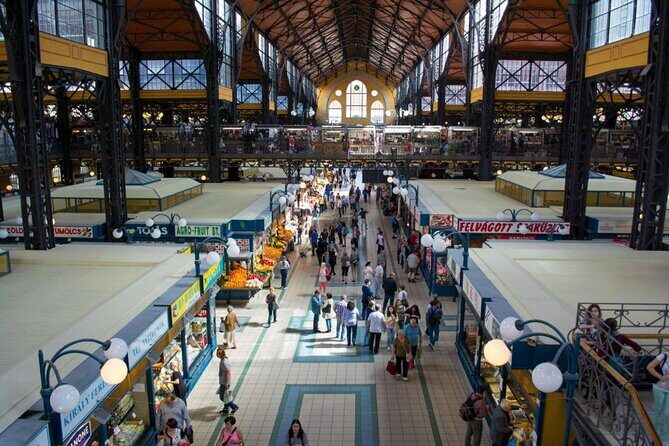
- Central Market Hall pacing: relaxed stops instead of rushing through a maze
- Chef-guide in clear English: you can ask questions as you taste
- Curated Hungarian tastings: langos, strudel, turo rudi, cured sausages, pickles, and more
- Optional palinka shot: homemade version is included if you choose alcohol
- Food-and-history connections: especially paprika and everyday pantry staples
- Souvenir guidance from inside the market: useful for gifts like paprika
Central Market Hall: How One Market Teaches You Budapest
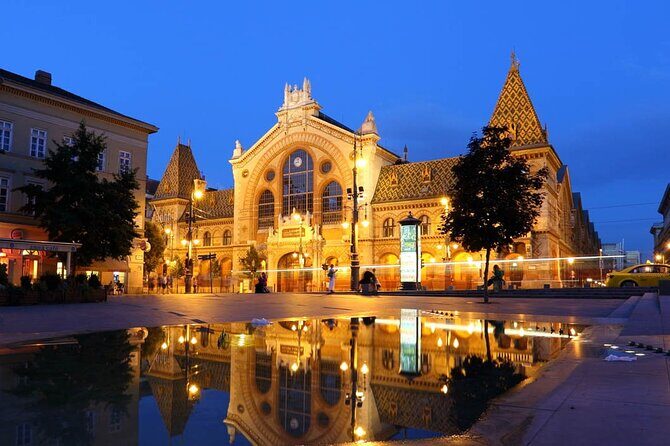
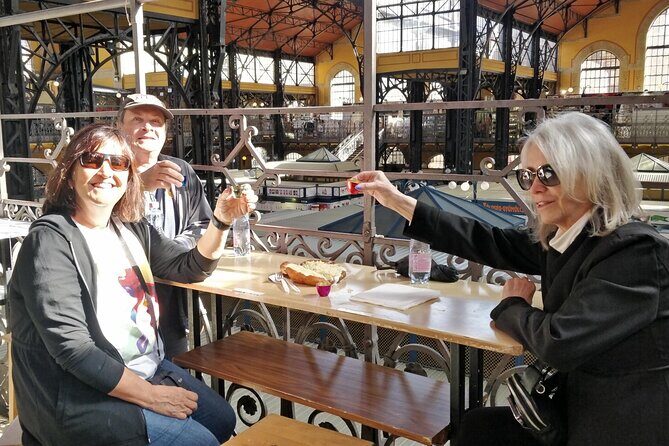
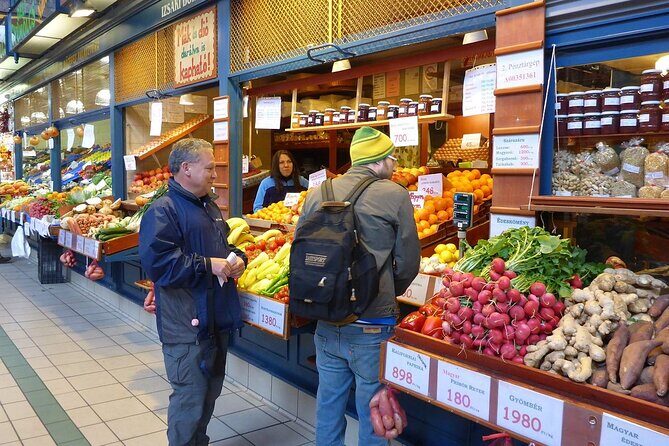
Central Market Hall is the kind of place where visitors come for photos and locals come to shop. On this tour, you don’t just stare at stalls—you learn how the market works as a living food system. You’ll walk a relaxed route through the hall’s different sections, where you’ll see the everyday backbone of Hungarian eating: seasonal produce in season, cured meats that signal winter traditions, pastries that show up at coffee breaks, and spices that make even simple cooking taste like something.
What I like most is the cause-and-effect teaching. You’re not handed a list of dishes. The guide explains how ingredients get used and how flavors connect to history and culture. So when you stop at something unfamiliar, it’s not intimidating. You get a plain-English explanation of what it is, what it’s for, and why people buy it.
The market is also a great place to practice reading Hungarian food logic. For example, you’ll see how sweet-and-dark flavor pairs show up in desserts, how pickling fits into preserving and snacking, and how spice blends become household staples. It makes Budapest feel less like a set of landmarks and more like a set of habits you can actually understand.
You can also read our reviews of more food & drink experiences in Budapest


A small heads-up
If you’re the type who hates walking through busy indoor spaces, you might want to plan for slow steps and breaks. The tour pace is relaxed, but Central Market Hall is still a market with people and movement.
Chef-Led Tastings: Langos, Strudel, Turo Rudi, and Friends
The tasting portion is the main event, and it’s handled in a way that feels balanced—salty first, then sweet, and a mix that shows how Hungarian snacks and desserts fit together. You’ll sample a curated lineup that can include the following items:
Langos
Deep-fried bread dough topped with sour cream and cheese. It’s a classic market bite because it’s filling, fast, and perfect for tasting while walking.
Strudel (with your choice of filling, if available)
Layered phyllo baked fresh on premises, with fillings depending on what’s currently available. This is a good example of how Hungarian baking can be both everyday and festive.
Turo Rudi
Cottage cheese with a hint of lemon, covered in dark chocolate. It sounds unusual until you taste it, and then you realize it’s a smart flavor balance: tang + creamy + bitter chocolate.
Cured sausages
You’ll get a tasting that highlights the cured-meat side of Hungarian food—salty, smoky, and strongly tied to the way people preserve and enjoy meat.
Konyakmeggy
Dark chocolate filled with Cognac and sour cherry. This one is more adult, and it’s also a nice reminder that Hungarian desserts aren’t only about fruit.
Pogacsa
Three kinds of savory scones/biscuits—cheese, potato, and pork crackling. It’s a very practical snack category: rich, savory, and great with pickles or something creamy.
Pork crackling
Crisp, salty, and very snackable. It also helps you understand the “whole animal” thinking that’s common in cuisines shaped by winter and preservation.
Assortment of pickles
Pickles aren’t an afterthought here. They’re an everyday staple that can cut through richness and add tang to meats and breads.
And then there’s the optional add-on:
Homemade palinka shot (alcoholic beverage, optional)
Palinka is a fruit-based spirit in Hungary, and having a shot included (if you want it) turns the tasting into a more rounded snapshot of local drinking culture too.
What you should expect from the tastings
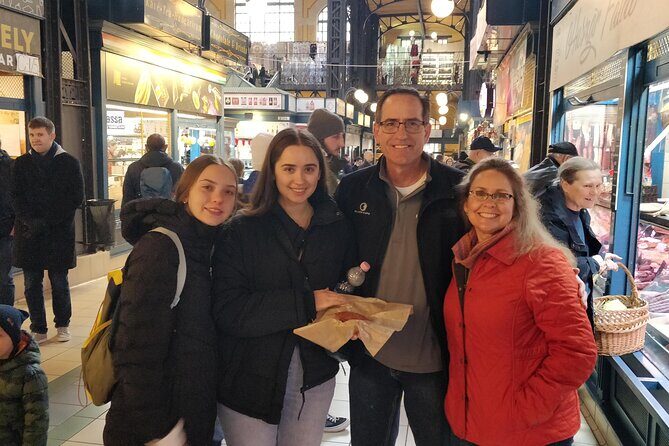
You’re tasting as you walk, so it stays lively. You won’t be forced into long sit-down courses. If you’re worried about overeating, the tour is short enough—around two hours—that you’re unlikely to feel stuffed beyond the point of enjoying the market.
The Paprika Story and Other Pantry Lessons You’ll Actually Use
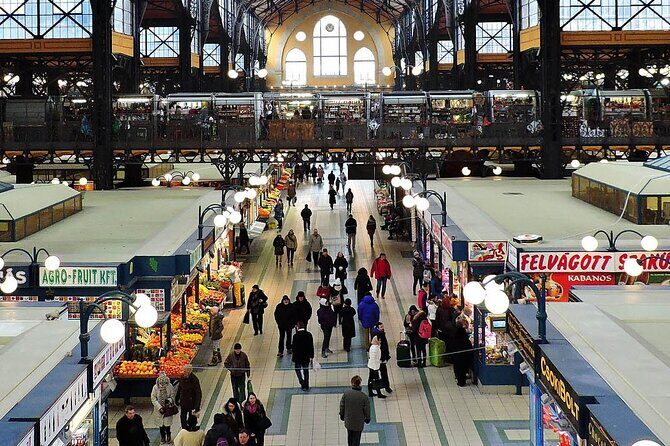
This tour does something many food walks don’t: it connects ingredients to real habits. As you move through the market, you’ll hear how dishes developed and how ingredients fit into everyday cooking. The paprika explanation is a highlight. Paprika in Hungary isn’t just a spice jar label—it’s tied to identity, agriculture, and the way Hungarian kitchens build flavor.
If paprika is on your mind, this tour gives you a way to shop with confidence. You’ll learn that there are different types and ways to buy it, and you’ll get tips for picking something that makes sense as a gift. One clear theme from the experience: the guide helps you buy with less guesswork, including steering you away from questionable stuff when you’re browsing.
Beyond paprika, the guide also helps you interpret what you’re seeing. You might come across foods that sound strange or look unfamiliar, and the explanation makes them feel more normal. Pickled items, cured meats, and dense desserts can look intimidating at first glance. Here, you get a quick translation into how Hungarians eat them: what it pairs with, what it tastes like, and how it functions as a snack, side, or treat.
This matters for value. If you leave only with food samples, you’re still spending money on eating. If you leave with ingredient understanding, you can use the market knowledge at home—when you cook, when you shop for spices, and when you try other Hungarian foods later.
You can also read our reviews of more private tours in Budapest






Private Pace, English-Friendly Guidance, and Practical Market Smarts
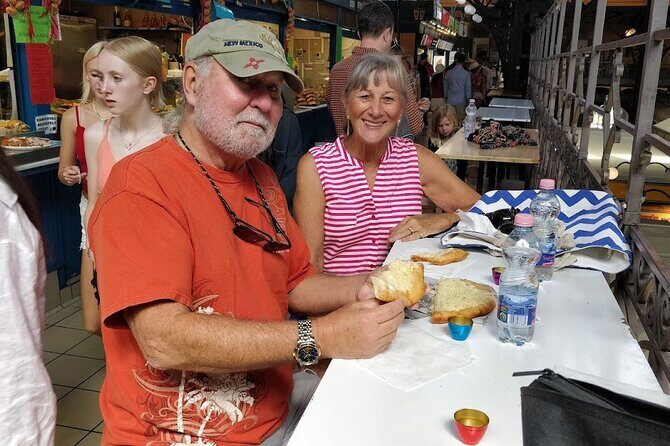
Because it’s a private tour, your route can match your interests. Some people want more cooking logic. Some lean toward culture and history. The guide uses your questions to shape what you focus on, and nothing is treated like a scripted speech. You’ll get room to ask and to slow down when a stall pulls your attention.
In the English-speaking version, the guide is a local former chef, and that chef background shows up in the explanations. You can expect clear, direct talking points rather than vague narration. Past guides named Andrew and Brian show up in the experience record, and the common thread is strong English with real food context.
There’s also a subtle but important benefit: you get help navigating vendors in a way that avoids the usual tourist pressure. You’ll be guided to tastings and to shopping choices without the frantic, hard-sell feeling. That makes it easier to enjoy the market and buy only when it actually makes sense.
A tip if you’re shopping for gifts
Plan to use your guide time for items that are confusing to judge from labels alone—spices (especially paprika) and specialty foods. Several people leave with shopping confidence because the guide helps with what to look for and how to choose.
Price and Logistics: What You Pay For in 2 Hours
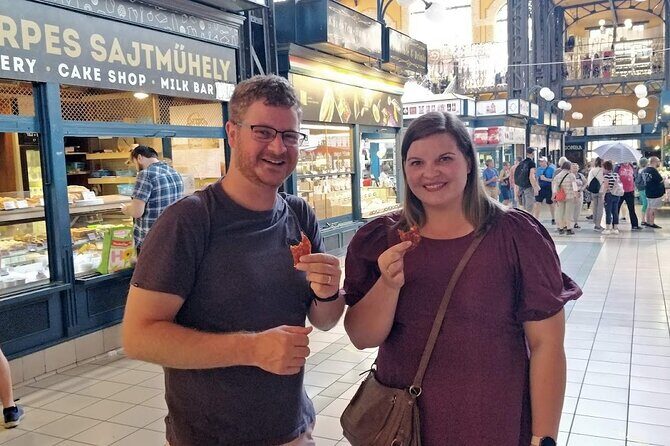
At $78.60 per person for about 2 hours, this tour is priced for what you’re getting: a local chef-guide, multiple curated tastings, and bottled water included. Food experiences can be all over the map in value, but here the tastings are a real mix—savory and sweet, with enough variety to feel like you learned something, not just ate a few bites.
What’s included:
- Bottled water
- Food tasting
- Local former chef guide with perfect/strong English
- Optional alcoholic beverage: a shot of homemade palinka
What’s not included:
- Transportation to and from the market
That last point matters. If you’re staying far from the market area, you’ll want to plan how you’ll arrive and return. The good news: it’s near public transportation, and you’ll receive a mobile ticket.
Timing is also simple: it starts at 9:00 am and finishes back at the meeting point. The morning slot is a smart choice if you want a food experience before the day gets too chaotic.
Cancellation, in plain terms
You can cancel for free up to 24 hours in advance for a full refund. If you’re flexible with your plans, that lowers the risk.
Who This Tour Suits Best (and Who Might Want Something Else)
This is ideal if you want a food-focused introduction that also explains the why behind what you’re eating. You’ll get the cultural thread without it turning into a lecture, and you’ll leave with a stronger sense of how Hungarians shop and snack day-to-day.
It also works well for:
- Couples who want a memorable, shared activity
- Solo travelers who like guided structure with time to ask questions
- People who plan to shop for gifts like paprika and want help choosing
You might skip this if…
You want a long, free-roam market wander with zero structure. This tour is intentionally short and tasting-driven. It’s also not designed as a full-course meal—think bites and tastings, not dinner.
Should You Book the Budapest Central Market Chef-Led Tasting?
I’d book it if you want more than sightseeing photos and you like the idea of learning ingredients through eating. The combination of chef-led explanations, a curated tasting lineup (from langos to turo rudi and pickles), and a private pace makes it an efficient way to get Budapest food basics fast.
If you’re coming to Budapest for food and you’re the type who buys spices and pantry items to bring home, this is especially useful. The guide’s tips for choosing items like paprika can turn souvenir shopping from guesswork into a confident purchase.
If you’re budget-conscious, think of the price as paying for guide time plus multiple included tastings. Given it’s about two hours and includes water and optional palinka, it tends to feel more like value than a pricey snack tour.
FAQ
What time does the tour start?
The tour starts at 9:00 am and lasts about 2 hours (approx.).
Is this a private tour?
Yes. It’s private, so only your group participates.
What tastings are included?
Food tastings are included. The menu may include langos, strudel, turo rudi, cured sausages, konyakmeggy, pogacsa, pork crackling, and an assortment of pickles.
Is bottled water provided?
Yes. Bottled water is included.
Is alcohol included?
Alcoholic beverages are offered as an optional extra: a shot of homemade palinka.
Do I need transportation to get to the market?
Transportation to and from Central Market Hall is not included.
Can I cancel for free?
Yes. You can cancel up to 24 hours in advance of the experience for a full refund.