
REVIEW · BUDAPEST
Trash Art Museum: Hungary’s First Scrap Metal Exhibition
Book on GetYourGuide →Operated by Axe Throwing and Trash Art Museum · Bookable on GetYourGuide
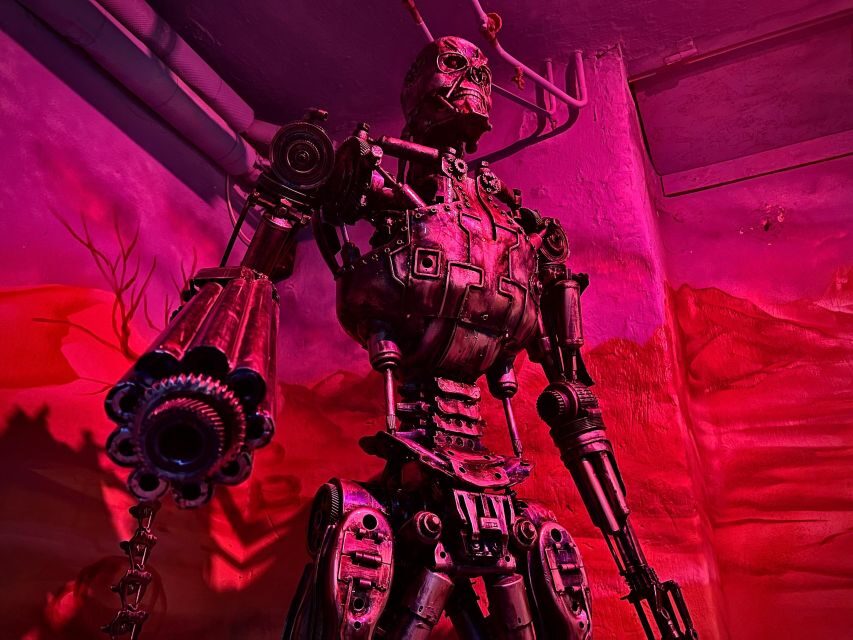
Giant robots, made from junk metal. The Trash Art Museum is a fun, photo-first stop in central Hungary, built around giant scrap sculptures you can get close to for selfies and memorable pictures. What I like most is the creativity: the pieces are made from recycled used car parts and scrap metal, so you’re not just looking at art, you’re seeing how discarded things get a second life.
I also like that the visit feels hands-on. You can walk around the installations, take photos freely, and in at least one spot people even report being able to touch parts of the sculptures. The one thing to plan around is that it’s smaller than some people expect, so if you want a long, fully guided museum experience, you might feel like $12 is steep for the time on-site.
In This Review
- Key highlights you should care about
- Trash Art Museum: What you’re actually paying for
- Getting there: How the meeting point works in real life
- Your on-site flow: A short, photo-first visit
- Inside the exhibition: 300+ sqm of junk-to-giant art
- The sculptures: Megatron, Alien, and the recycled-car concept
- Price and value: Is $12 a fair deal?
- Best for whom: Families, pop-culture fans, and photo lovers
- Logistics that matter: Timing, language, and what to bring
- Should you book the Trash Art Museum?
- FAQ
- How long is the Trash Art Museum visit?
- How much does it cost and what is included?
- Where is the meeting point?
- What languages are available?
- Is free cancellation available?
- Can I reserve now and pay later?
Key highlights you should care about

- Recycled car parts as the raw material: the sculptures are built from used car parts and scrap metal, not prefab props.
- 300+ sqm of art and trash: you’re getting a real floor area to roam, not a single room display.
- Photo-friendly giant sculptures: Megatron, Alien, and other larger-than-life characters are designed for pictures.
- You can get up close: the experience is built around seeing details and posing next to the pieces.
- Self-guided feel: you might not get a full formal tour with a narrator-style guide.
Trash Art Museum: What you’re actually paying for

This is Hungary’s first scrap metal exhibition, and the concept is simple in a good way: take used car parts and scrap metal, then build oversized characters that look like they stepped out of pop culture and metalworking daydreams.
The “museum” angle matters less than the end result. You’re not coming for quiet, carefully lit masterpieces with strict rules. You’re coming for big, bold, slightly ridiculous sculptures you can photograph from multiple angles. If your group includes kids, teens, or anyone who likes robots, monsters, or garage-meets-art vibes, it clicks fast.
You’ll see sculptures including Megatron, Alien, and others waiting inside, and the space is large enough to feel like an actual visit. At the same time, based on how people describe their experience, don’t expect a sprawling multi-building museum day.
You can also read our reviews of more museum experiences in Budapest



Getting there: How the meeting point works in real life
This is a ticketed museum visit for 1 day, and the information you’re given is basic but helpful: go through the bar and look for the stairs below.
That one line tells you a lot about the setup. This doesn’t feel like a classic standalone “museum entrance plaza.” It feels like a spot inside a larger venue, where you’ll need to physically find the stairs level quickly. When I plan my own time, I treat this like a quick orientation hunt: show up a few minutes early, take one look for the bar area, then scan for the stairs.
Language support is also practical. The host or greeter speaks Hungarian and English, so you should be able to ask where to check in without stress.
Your on-site flow: A short, photo-first visit

Expect a self-paced walk-through. The format is essentially: enter, explore the installations room by room, take photos, then move on. You’re not given a long “tour arc,” and that’s a big part of why people either love it quickly or feel done sooner than expected.
Here’s how I’d mentally structure it:
- Entry and first viewing area
You’ll likely start in a main zone. One review described two larger rooms plus a smaller area, which matches the kind of layout that supports lots of photo angles. Give yourself a moment to orient, because the best photos usually come from choosing a spot where the sculpture fills the frame.
- Photo-and-details loop
This is where the experience earns its keep. People mention giant figures, and they clearly aren’t shy about letting you take pictures and selfies. If touching is allowed in parts of the exhibit, treat it like a hands-on bonus, not something to force. Move carefully and follow what the space allows.
- The smaller final zone
The “smaller room” is where some visitors felt they had already seen enough after a short time. It can still be worthwhile if you focus on details and composition, but it’s not the kind of area that usually needs hours.
A realistic expectation is that you can see the museum in about 30 minutes if you’re moving efficiently and mostly photographing. If you slow down, zoom in on textures, and want repeated photo angles, it can stretch longer. Either way, it’s not designed as an all-day indoor marathon.
Inside the exhibition: 300+ sqm of junk-to-giant art
The headline promise is 300+ sqm of “art and trash,” and that phrase is basically the point. The museum turns scrap materials into something playful and cinematic. You’re walking around large-scale builds made from recycled used car parts and scrap metal, and you can usually tell what pieces are from what parts of a vehicle—at least in spirit, even if the final sculpture is a full character.
What you’ll notice fast:
- The sculptures are big enough for posing. That sounds obvious, but many “small collections” still don’t give you space for a good selfie distance. Here, the figures are meant for it.
- The materials invite close-up looking. Scrap metal has texture. Bolts, shapes, and layered surfaces give you photo-worthy surfaces even when you’re not photographing the whole character.
- The space layout affects how long you stay. If the museum really is two bigger rooms plus a smaller one, it explains the mixed feedback: some people treat it like a short fun stop, others expect a long museum crawl.
If you’re going with family, it helps to treat this like a photo game. Pick one or two favorite characters (Megatron, Alien), then do a couple of themed shots. It’s a way to make a shorter visit feel satisfying.
The sculptures: Megatron, Alien, and the recycled-car concept
The museum’s core idea is that recycled used car parts and scrap metal get a whole new meaning. That’s not just a marketing line. It’s what you’re physically walking through: the transformation from industrial leftovers to something that reads as character art.
A few things to keep in mind as you look:
- These are recycled material builds, so don’t expect smooth, expensive finish. The beauty is in the scrappy construction.
- The characters are designed to be recognizable at a glance, which is why you get that immediate photo appeal. Even if you don’t know the pop-culture reference, the scale and shape work.
- The time you spend is usually tied to how much you like “what were these parts originally?” style looking. If you enjoy imagining the origin of each scrap piece, you’ll naturally stay longer.
This is the kind of art where the Instagram moment and the actual appreciation often overlap. Get your photos first, then come back for a slower look if you still have energy.






Price and value: Is $12 a fair deal?
The ticket price is listed as $12 per person for a 1-day visit, and value comes down to your expectations.
If you want:
- a quick, fun, self-paced stop,
- a place made for photos and selfies,
- giant sculptures built from recycled car parts,
then $12 can feel reasonable. The museum gives you a full thematic experience built around one concept, and it’s not asking you to commit to hours.
If you want:
- a large, multi-hour museum with lots of separate exhibits,
- a clearly structured guided experience,
then $12 may feel expensive for the time on-site. Some people describe it as very small, going through quickly in minutes. That doesn’t mean it’s bad. It means the museum is more like a concentrated experience than a long-day museum.
My practical advice: treat this as a half-hour-to-hour side stop. Don’t plan it as your main indoor activity for an entire day unless you’re okay with spending most of the day elsewhere.
Best for whom: Families, pop-culture fans, and photo lovers

This fits best when your group wants something different from standard museum pacing.
It’s a strong match for:
- Families who like playful, kid-friendly “big character” photo moments
- People who enjoy scrap material design and metal construction
- Fans of sci-fi robot vibes, since the figures include recognizable names like Megatron and Alien
It’s less ideal if you:
- hate short, self-guided visits
- expect a traditional guided tour with lots of context
- need a big museum footprint to justify cost and time
One review noted it wouldn’t take long—around 30 minutes—so if your group gets restless quickly, that can actually be a plus.
Logistics that matter: Timing, language, and what to bring
The visit is valid for 1 day, and starting times depend on availability. That’s all you really need to plan your day. You’ll just want enough buffer to reach the location and find the stairs behind the bar.
Language-wise, a Hungarian and English host or greeter is available. That helps if you have basic questions like where to enter or what to do first.
What I’d bring:
- A charged phone or camera (this is photo-forward)
- Comfortable shoes, because you’ll likely move around to find the best angles
- A small patience buffer if you’re with kids: the sculptures are fun, but shorter visits mean you’ll want to keep the group motivated
Should you book the Trash Art Museum?

Book it if you want an offbeat, scrap-metal sculpture experience where the photos feel part of the design. The giant recycled-car characters and the “walk around and pose” vibe make it easy to enjoy, even if you don’t love traditional museums.
Skip or reconsider if you’re expecting a long, guided museum day. The space is described as compact, and for some people that means the visit ends fast. At $12, you’re paying for impact and creativity, not a marathon of exhibits.
If you’re planning time around Budapest or central Hungary and you want one memorable, quirky stop, this is a solid choice—just treat it like a focused visit, not an all-day attraction.
FAQ
How long is the Trash Art Museum visit?
The experience is valid for 1 day. The listing describes it as a 1-day activity, and the on-site visit is generally short since the exhibition space is compact.
How much does it cost and what is included?
The price is $12 per person. Your ticket includes entry to the museum.
Where is the meeting point?
Go through the bar and look for the stairs below.
What languages are available?
The host or greeter speaks Hungarian and English.
Is free cancellation available?
Yes. You can cancel up to 24 hours in advance for a full refund.
Can I reserve now and pay later?
Yes. The option is listed as reserve now & pay later, so you can book your spot and pay nothing today.