REVIEW · BUDAPEST
Budapest: 3-Hour Trabant Sightseeing Tour
Book on GetYourGuide →Operated by Cityrama Budapest Travel Agency · Bookable on GetYourGuide
Budapest and a Trabant in the same sentence? That’s how you get a city tour with real personality. I love the sheer hands-on feel of driving an original Trabant 601 while your guide points out communist-era Budapest details in plain English. You also get the fun, photo-friendly chaos of an old car turning heads at every stop.
My other favorite part is the flexibility in what you see: you can focus on communist monuments and 1970s–80s housing blocks, or switch to a more standard highlights route depending on what you want that day. One consideration: the car is small and old, so tall people may feel cramped in the back, and like any mechanical thing, it can break down (though the operator has handled issues well).
In This Review
- Key Things to Know Before You Go
- Why a Trabant Tour Reads Budapest Like a Story
- The Trabant 601: What It’s Like to Drive (and Why It Changes the Mood)
- How the 3-Hour Route Shifts Between Communist Stops and Classic Sights
- Getting Picked Up and Why a Small Group Changes Everything
- Photos, Nostalgia, and the Stuff You Can’t Plan in Advance
- Price and Value: $294 per Group for a Real Car Experience
- Optional Trabant Airport Transfer: When You Want the Theme to Follow You
- Who This Trabant Tour Fits Best (and Who Should Rethink It)
- Should You Book This Budapest Trabant Tour?
- FAQ
- Do I need a driving license for the Trabant?
- Is hotel pickup included?
- How long is the tour?
- How many people are in the group?
- Is the guide available in English?
- Can I book an airport transfer in a Trabant?
Key Things to Know Before You Go
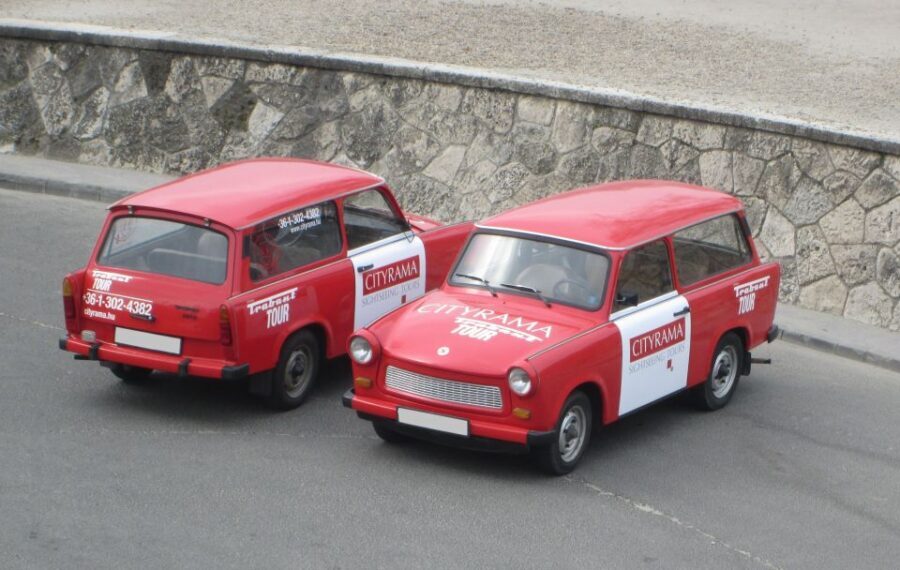
- You drive the experience: a real Trabant 601, with the option to drive yourself (a valid driving license is required).
- Communist-era route is a real theme: expect stops like Communist Statue Park and views of prefab flats from the 1970s and 1980s.
- Ecseri flea market can be on the plan: it’s part of the recommended route if you choose the communist-focused version.
- Small group means more control: limited to up to 3 participants, so questions and pacing are easier.
- English guide for context: you’ll get a guided explanation, not just a ride around town.
- You can extend the adventure: there’s also an optional Trabant airport transfer if you want to keep the theme going.
Why a Trabant Tour Reads Budapest Like a Story
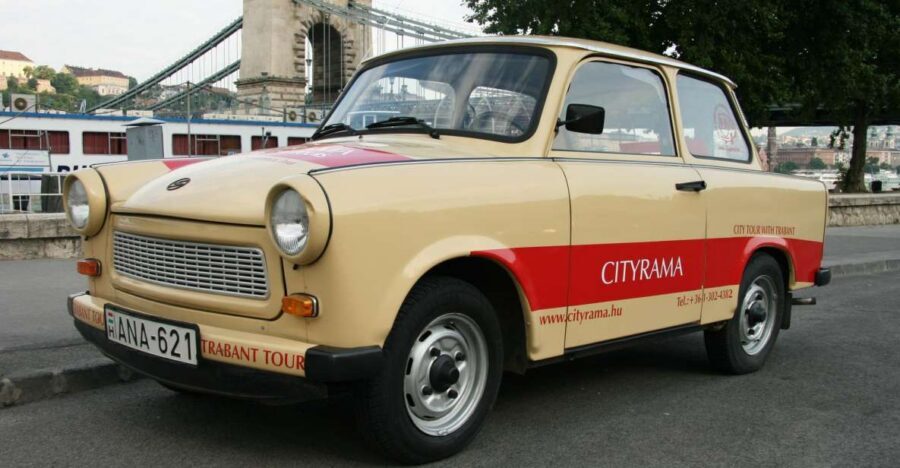
Budapest has layers, and this tour is built for seeing the communist-era layer in a way that feels physical, not just historical. The Trabant 601 is the star because it matches the era you’re touring. It’s a car that many people associate with communist times, the so-called paper Jaguar nickname, and it’s exactly the kind of prop that makes the city’s past easier to picture.
I also like how the city sightseeing isn’t stuck in a museum classroom. You’re moving through streets, stopping to look, then driving again. That rhythm helps the guide’s explanations stick, especially if you want to connect buildings and monuments to everyday life during the period.
If you’re not in the mood for the communist theme, you can choose a more normal city tour of major attractions. That matters because the tour still works as a city introduction even if you don’t want to focus on one narrow storyline.
You can also read our reviews of more tours and experiences in Budapest



The Trabant 601: What It’s Like to Drive (and Why It Changes the Mood)
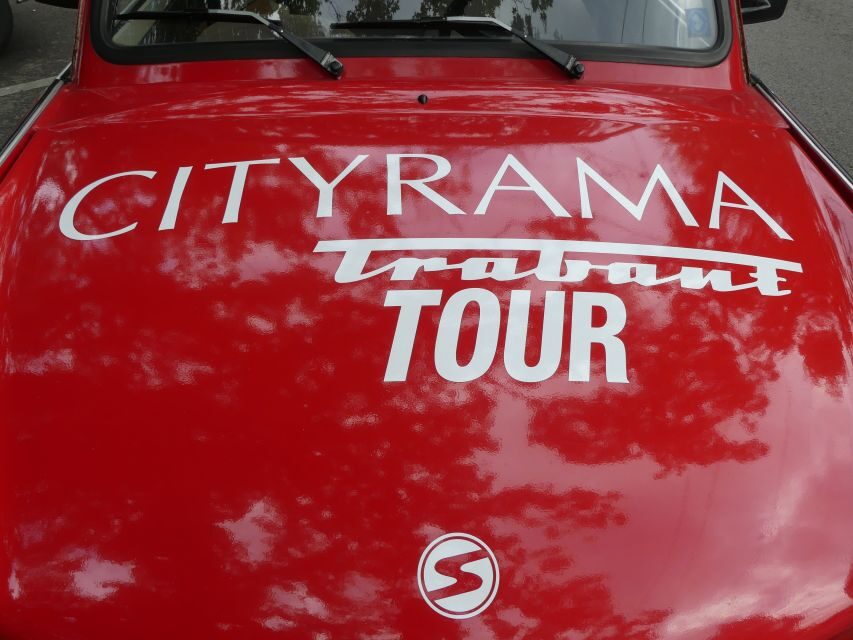
This is not a modern rental car. The Trabant 601 is powered by a 2-stroke engine and is rated around 26 horsepower. It’s not about speed; it’s about character. The drive-to-sightseeing ratio is part of the fun, because you’re literally wearing the era on your route.
From the practical side, the tour info includes driving basics that set expectations quickly:
- Check the fuel dip-stick so the tank isn’t empty.
- Open the fuel tap before you go.
- Press the clutch pedal, shift to first gear, then head off.
So if you’re the kind of person who likes to understand what you’re doing, you’ll probably enjoy the small rituals of starting the car. And if you’re hoping for a very smooth, quiet ride, temper expectations. This is an old machine, built for its time, and your comfort comes from embracing the experience.
Big caution: you need a valid driving license if you want to drive. Also, the car is small. One guide-style detail from past participants that’s worth taking seriously: if your group has tall people, the back can feel tight and squashed. Plan for that, and you’ll have an easier time settling in.
How the 3-Hour Route Shifts Between Communist Stops and Classic Sights
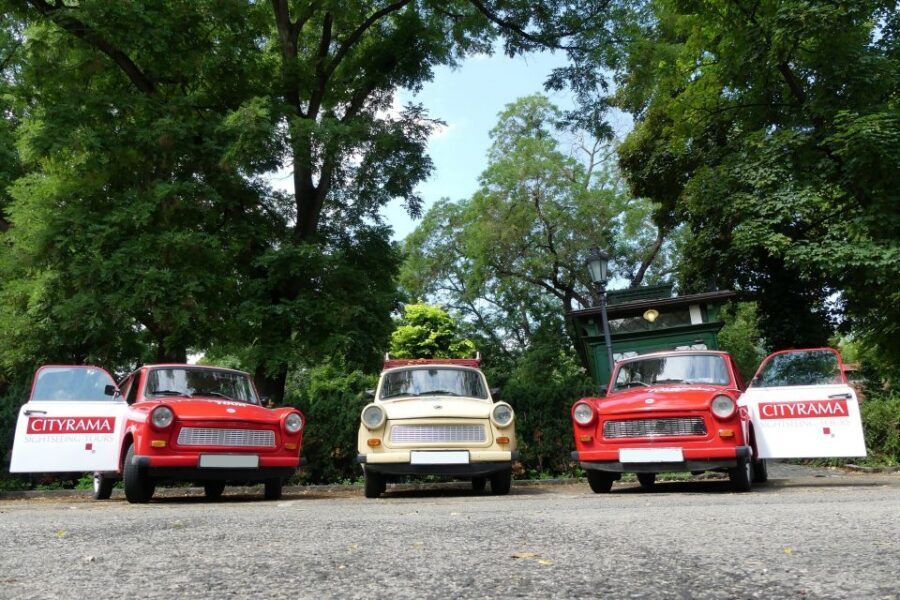
The tour runs for about 3 hours, and the structure is built around a mix of driving and short, purposeful stops. The recommended highlights lean heavily into communist-era Budapest, including:
- Communist Statue Park
- Ecseri flea market
- Views of the prefab apartment blocks built in the 1970s and 1980s
Here’s how that can play out in a way that’s useful for you:
- At places like Communist Statue Park, you’re not just looking at monuments. The guide’s job is to connect what you see to the political atmosphere that produced it. This is where explanations do the most work, because you’ll understand why the designs and themes look the way they do.
- With the prefabricated panel blocks from the 70s and 80s, you get a practical sense of scale. These buildings aren’t abstract from a textbook; you can see how they shape neighborhoods and street life.
- A stop at Ecseri flea market fits the theme because it lets you see how people move through the city beyond official monuments. Even if you don’t shop, it gives you a lived-in layer that helps the communist-era story feel grounded.
You also have an alternative option: the guide can take you on a more normal tour focused on major attractions. That’s helpful if your group’s interests are mixed, or if you want a Budapest introduction first and the communist lens second.
Since the exact streets and stops can vary with your route choice, I’d treat this as a flexible city drive with theme-based stops, not a rigid checklist. The value is in seeing how the guide steers the day based on what you want.
Getting Picked Up and Why a Small Group Changes Everything
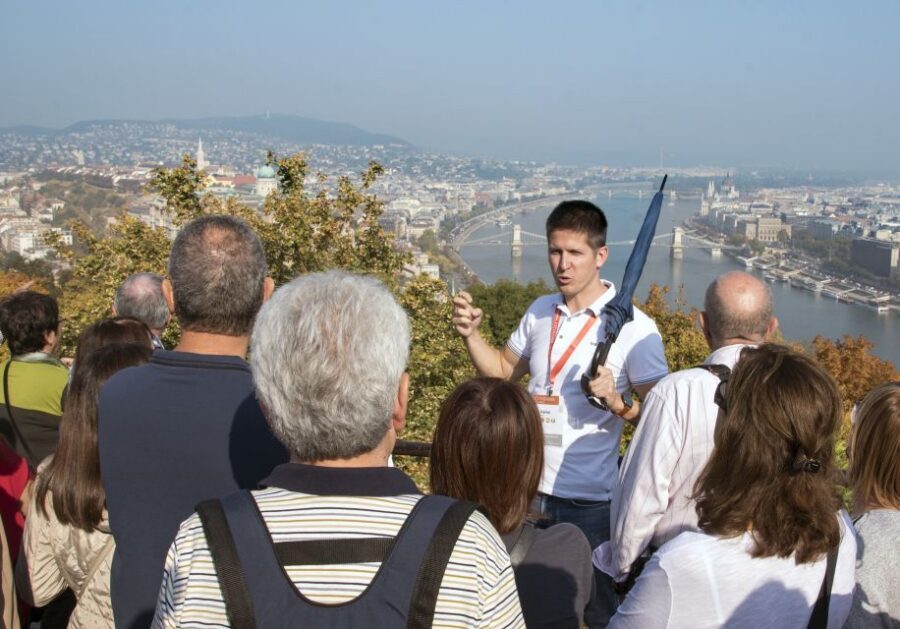
Hotel pickup is included, with pickup offered from accommodation across Budapest. That seems like a small detail, but it matters. You don’t have to wrestle with finding a meeting point with a strange little car waiting nearby. You also get to start the tour without spending your first hour figuring out transit.
The group size is limited to 3 participants, so you’re not stuck listening politely while everyone else steamrolls the attention. In a small group, the guide can respond to your questions faster, and your pace is less dependent on the average person in the group.
This also ties into something practical: if you want to drive, don’t assume it will automatically happen. In one account of the experience, there was disappointment because the idea of driving wasn’t raised clearly early enough, even though driving was confirmed after follow-up. My advice is simple: ask directly at the start whether you will be driving. And bring your driving license from the beginning, not as an afterthought.
English is the guide language. That’s a big deal for a tour like this, because you’re dealing with symbols, design choices, and era context. When the explanations are clear, the sights click much faster.
Photos, Nostalgia, and the Stuff You Can’t Plan in Advance
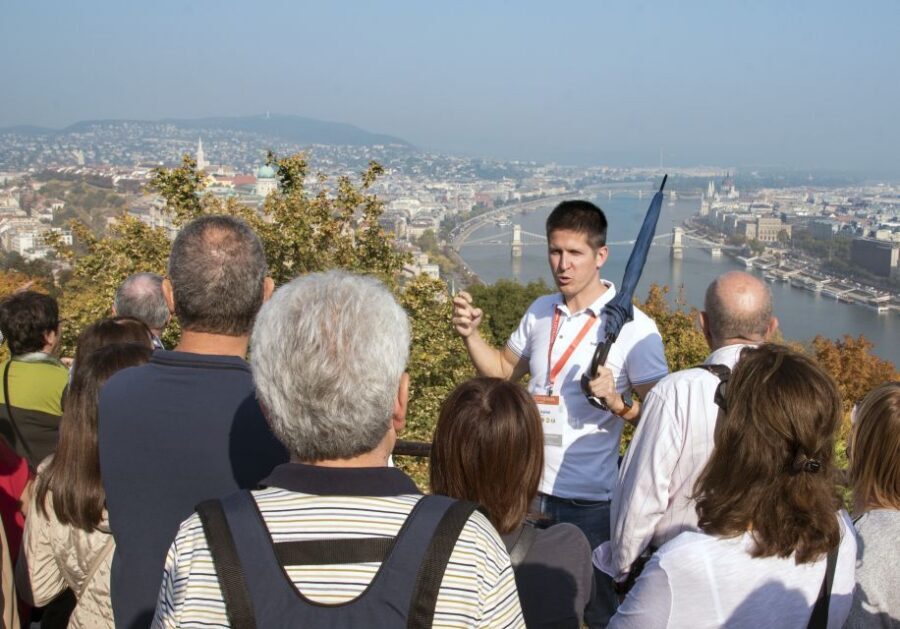
A Trabant is the kind of car that turns your sightseeing into an event. People stop to look, and you get more photo requests and attention than you’d get from a normal bus tour. One past participant described it as feeling like a celebrity moment, and honestly, that tracks. The car reads as instantly recognizable, even to people who don’t care much about cars.
That attention can help you too. It creates short moments where you’re forced to slow down, look around, and pay attention to what the guide is pointing out. For communist-era sightseeing, that pause helps. You’re not just speeding past big buildings; you’re framing them in your mind.
You’ll also be driving through real neighborhoods, not only tourist corridors. That’s where the city feels like a place with a past, not a set. And because the tour can include both statues and prefab housing areas, you’ll likely see how the era affected both politics and daily life.
One more reality check: old cars can have mechanical issues. There’s at least one documented case where the car broke down and the tour finished early, and the operator handled it well. So keep your schedule flexible. If you have a tight connection right after, build in a cushion.






Price and Value: $294 per Group for a Real Car Experience
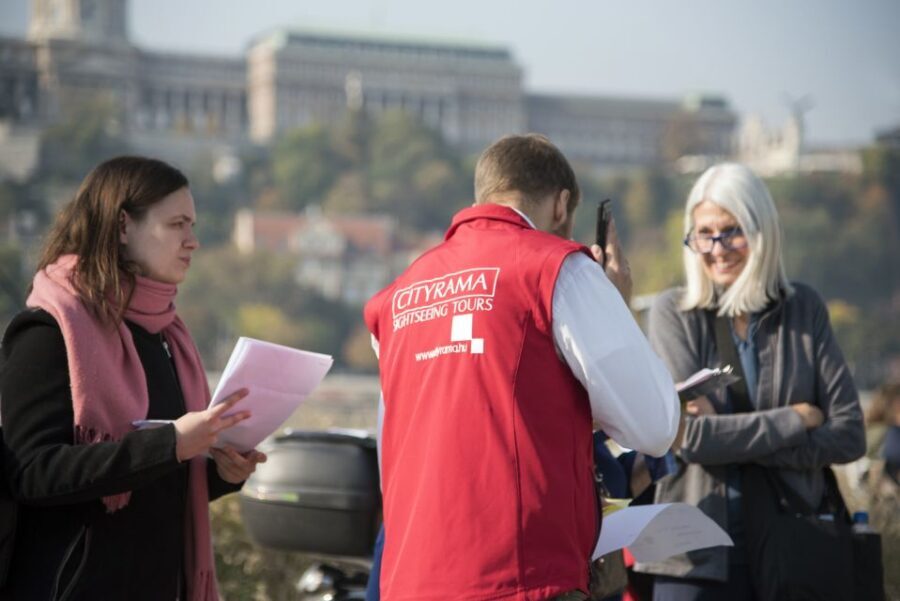
At $294 per group up to 3, this tour doesn’t work like a per-person ticket that you compare only to walking tours. You’re paying for three things at once:
- A guided 3-hour city experience
- An original Trabant 601 drive (not a replica)
- Hotel pickup in Budapest plus an English guide
If you split the cost across three people, it can start to feel like good value compared with other private guided options—especially because you’re not just getting a lecture. You’re literally inside the story.
If you’re a solo traveler, the price is still the same group rate. In that case, it becomes more of a splurge, and you should decide whether the car experience is worth paying more than a standard tour. My take: if you’re a history-and-photo person, it often is. If you only want a basic overview of Budapest, you might find cheaper options that still cover the main sights.
Also, don’t ignore the option to book a Trabant airport transfer. If your travel plans line up, it can add value by extending the theme into your arrival or departure. Even if you don’t use it, the fact that it exists tells you the provider is serious about making the Trabant part of your whole Budapest chapter.
Optional Trabant Airport Transfer: When You Want the Theme to Follow You
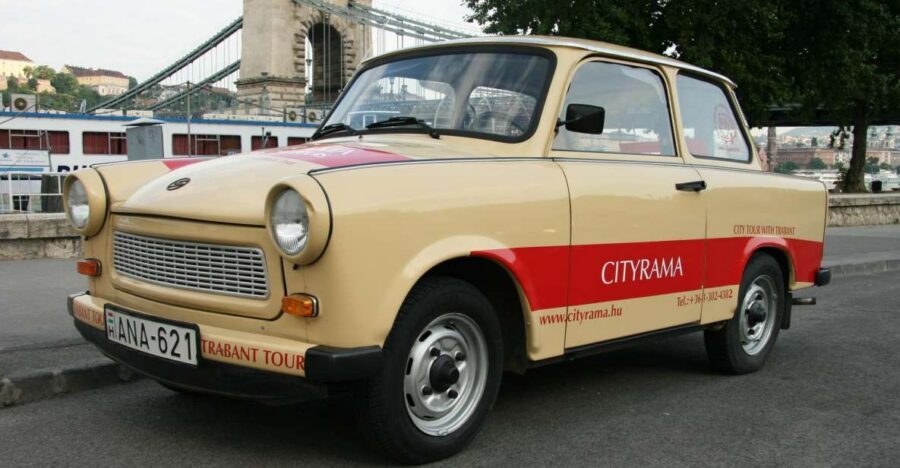
If you decide you want to keep the Trabant vibe beyond the 3-hour sightseeing window, you can book an optional airport transfer in a Trabant. This is mainly for people who like consistency: same feel, same story, same kind of memorable ride.
One practical point: you’ll still need your driving license only if you plan to drive the car. For transfers, the key is whether the transfer is the right fit for your timing and budget. The tour information doesn’t spell out transfer details here, so treat it as a helpful add-on rather than a guaranteed seamless replacement for public transport.
If you’re planning your airport logistics anyway, this can be a fun way to turn a stressful travel moment into one last highlight.
Who This Trabant Tour Fits Best (and Who Should Rethink It)
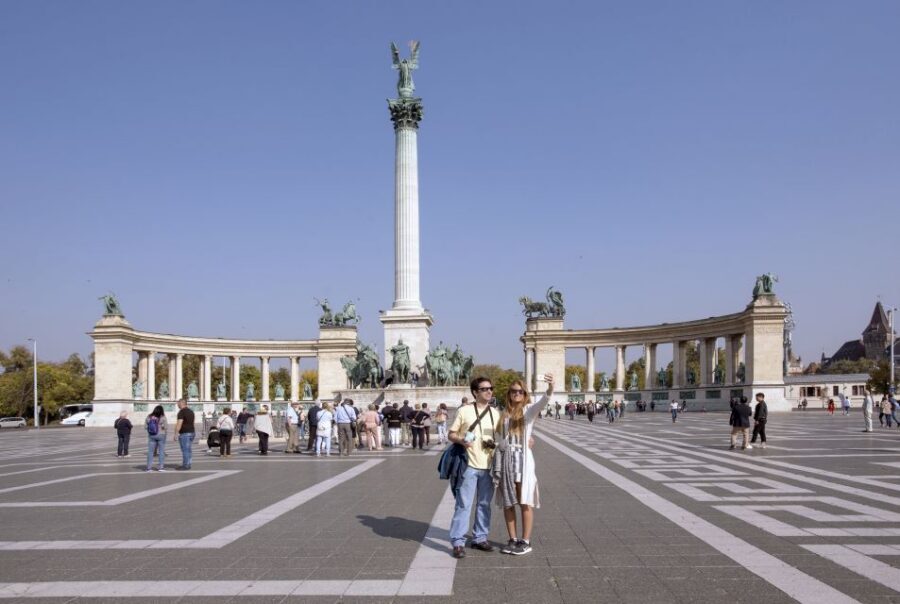
This works best for you if you’re:
- Interested in communist-era Budapest and want to see it through monuments and housing forms
- A photo-friendly traveler who enjoys street-level moments
- Comfortable with a small car and the idea that the day is part history lesson, part ride
- Traveling in a group of up to three, which is the sweet spot for both cost and comfort
You may want to skip it (or at least plan carefully) if:
- You don’t have a driving license and were hoping for a hands-off experience
- Your group includes very tall people who might find the cramped seating a problem
- You have a rigid schedule where an early finish would cause issues
Also, if your main priority is classic Budapest sights like you’d see on a standard highlight tour, you’ll still have the option of a more normal sightseeing route. But the tour’s identity is strongest when you lean into the communist theme.
Should You Book This Budapest Trabant Tour?
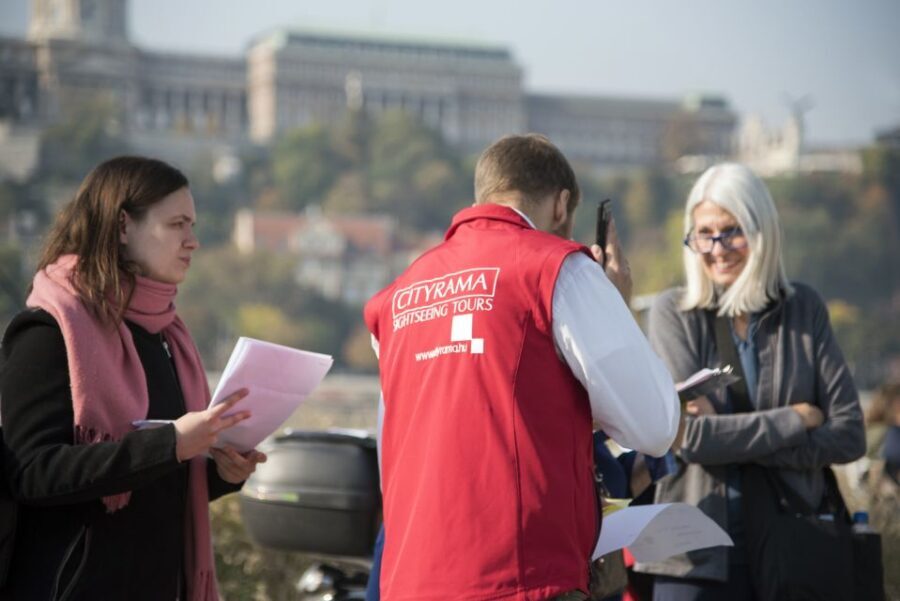
I’d book it if you want a Budapest tour that feels different from the usual walk-and-photo routine. The biggest selling point is the combination: an original Trabant 601 plus a guided route shaped around communist monuments and 1970s–80s living spaces. That pairing makes the city’s past feel more concrete, because you’re experiencing it through an artifact that belongs to the era.
If you book, do two things to protect your enjoyment: confirm early whether you’ll get to drive, and bring your driver’s license. If you’re traveling with tall people, plan for cramped space and choose positions that work for your group. Then lean into the character. This tour is more about the vibe and the viewpoint than about ticking off a perfect itinerary.
FAQ
Do I need a driving license for the Trabant?
If you want to drive the Trabant, you need a valid driving license.
Is hotel pickup included?
Yes. Hotel pick-up is provided from any accommodation in Budapest where you would like to begin the tour.
How long is the tour?
The tour lasts 3 hours.
How many people are in the group?
The group is small and limited to 3 participants.
Is the guide available in English?
Yes. The live tour guide speaks English.
Can I book an airport transfer in a Trabant?
Yes. You can book an optional airport transfer in a Trabant.