REVIEW · BUDAPEST
Budapest 3-Hour Walking Tour in Italian
Book on GetYourGuide →Operated by Tourist Angel · Bookable on GetYourGuide
Budapest hits you fast, and this tour helps. In just 3 hours, you get an Italian-speaking guide and a route that links the city’s biggest sights from Pest to the Buda Castle area. I especially liked how the guide’s Italian explanations made the stops feel connected instead of like random photo stops.
I also loved the mix of views and architecture: St. Stephen’s Basilica is pure drama, and the Buda Castle–Matthias Church–Fisherman’s Bastion stretch gives you those classic Budapest skyline angles. One thing to plan for: it’s still a walking tour, so comfortable shoes matter, and the rules exclude shorts and sleeveless shirts—worth knowing before you show up.
In This Review
- Key points I’d bet on
- Budapest in 3 hours: how the route actually works
- Meeting by St. Stephen’s Basilica (and why that’s a good start)
- Inside the Basilica and the Pest-to-Buda story you’ll hear
- The Danube crossing on public transport: quick and practical
- Buda Castle area: fortified walls, palaces, and big-position views
- Matthias Church and Fisherman’s Bastion: the classic skyline payoff
- What the history lesson adds (and how to enjoy it)
- Italian guides you might be with (and what that signals)
- Price and what you’re really paying for
- What to bring, and the dress code reality check
- Who this tour is perfect for (and who might want something else)
- Should you book Budapest 3-Hour Walking Tour in Italian?
- FAQ
- How long is the Budapest 3-Hour Walking Tour in Italian?
- Where is the meeting point?
- What language is the tour guide?
- What is included in the price?
- Are public transport tickets included?
- How much do the public transport tickets cost?
- What do I need to bring?
- Is there any dress code?
- What group sizes are offered?
- Is free cancellation available?
Key points I’d bet on
- Italian-speaking guide who ties the sights together so you understand what you’re seeing
- St. Stephen’s Basilica as an anchor stop with major “wow” factor
- Buda Castle + Royal Palace area to experience the fortified, old-world feel of Buda
- Matthias Church and Fishermen’s Bastion for Gothic detail plus panoramic viewpoints
- Public transport crossing the Danube so you move efficiently between Pest and Buda
- Small-group or private options if you want more time for questions
Budapest in 3 hours: how the route actually works
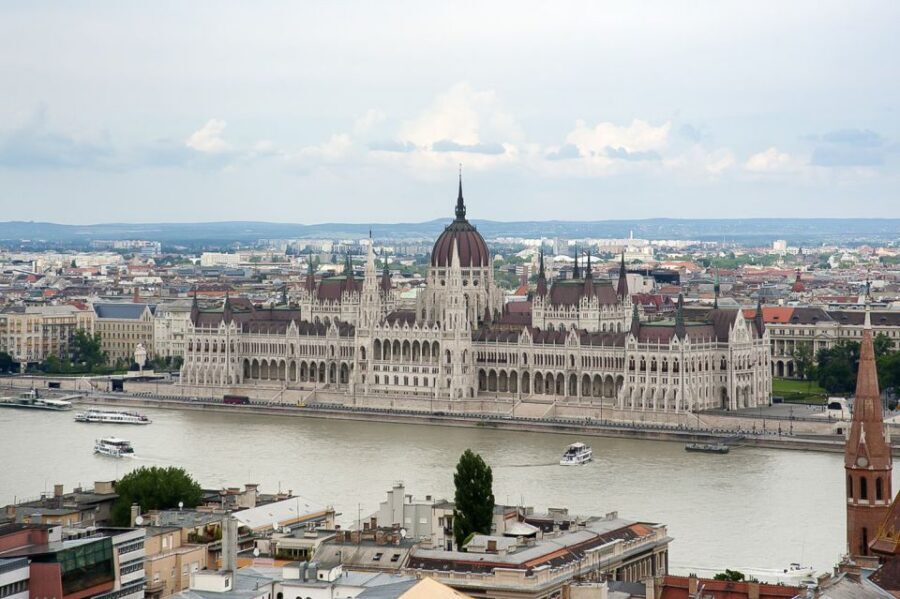
This isn’t a “see everything” sprint. It’s a focused intro to the oldest parts of Budapest, centered on the middle of Pest and the Buda Castle area. You’ll walk quite a bit, then use public transport to cross the Danube, which keeps the timing realistic.
The smart part is how the tour builds momentum. You start in the Pest side near the city’s landmark church, then you shift toward the hilltop, fortress-and-palace world of Buda. By the time you reach the Castle Quarter and the views at Matthias Church and Fisherman’s Bastion, it feels like the city has finally opened up.
You can also read our reviews of more walking tours in Budapest


Meeting by St. Stephen’s Basilica (and why that’s a good start)
Your meeting point is next to Saint Stephen’s Basilica, in front of California Coffee Company. That location matters because it puts you near one of the city’s most recognizable anchors right away, instead of starting with a long transfer.
From there, the tour sets you up to understand Budapest’s layout quickly: Pest is the flatter, more “city-center” side, while Buda is elevated and more scenic. Even if you’re only in town briefly, starting here helps you get your bearings fast and recognize what changes when you move from one side of the river to the other.
Inside the Basilica and the Pest-to-Buda story you’ll hear
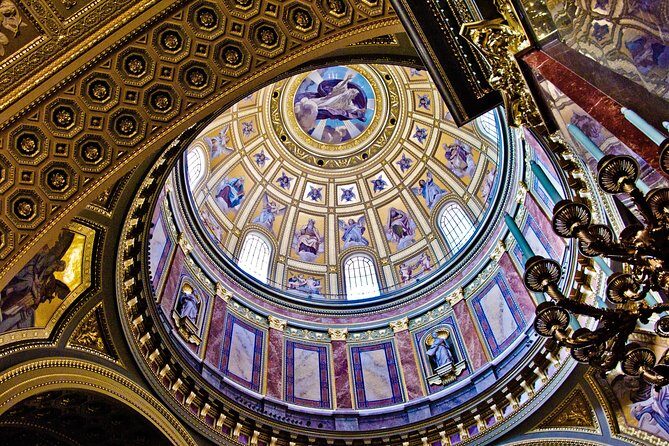
St. Stephen’s Basilica is a top highlight for a reason. The church isn’t just famous because it’s pretty; it’s famous because it signals identity—faith, power, and national pride all wrapped into one landmark. When you’re standing there with an Italian-speaking guide explaining what’s behind it, it turns into more than a photo moment.
From the Basilica zone, you move through the sights that define central Pest and the transition toward Buda Castle. The tour includes stops such as the Royal Palace area and the President’s Palace, which helps you connect the ceremonial side of Budapest with the political story of Hungary. You’ll also spend time in the Castle Quarter zone, so the architecture doesn’t feel random—it feels like a timeline.
The Danube crossing on public transport: quick and practical
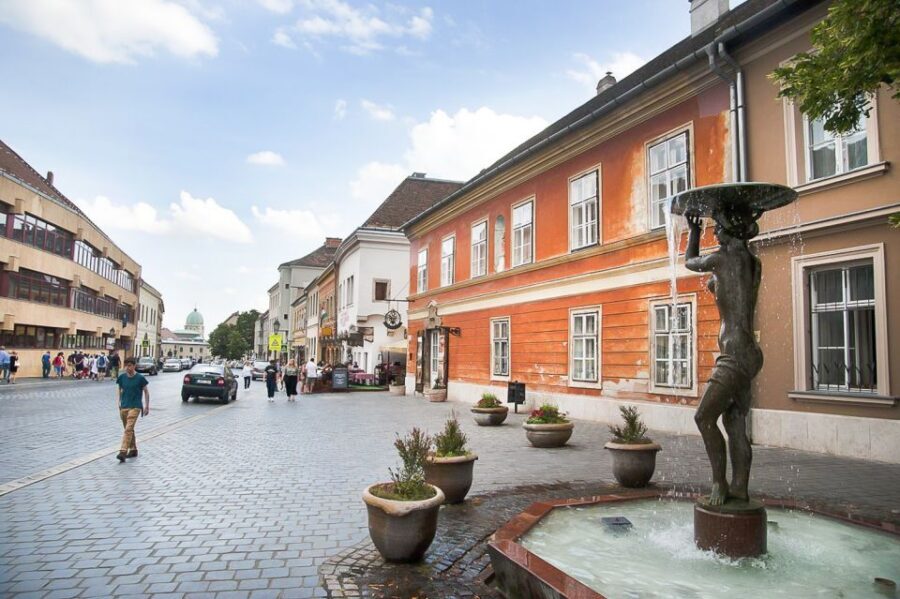
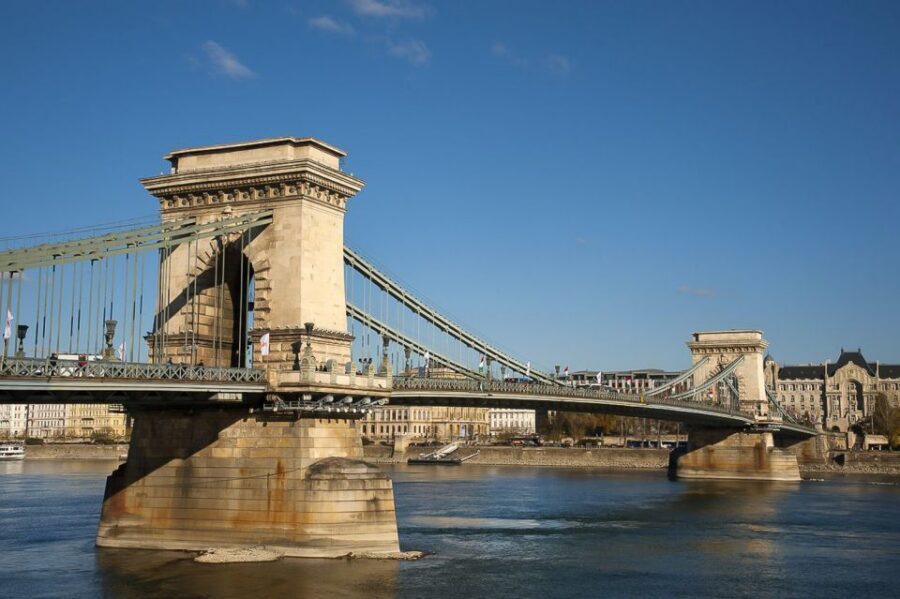
You do use public transport to cross the Danube from Pest to the Buda side. The tour doesn’t hide this detail, which I like. It means you’re not just watching the river from one angle and calling it a day—you’re actually making the crossing without wasting most of your 3 hours stuck in transit.
Just be aware of the cost. Public transport tickets are not included, and you’ll need 4 tickets per person, totaling 1400 HUF. I consider this normal for a short city tour—still, it’s one of the few budget items you should plan for so you don’t get surprised at the end.
Buda Castle area: fortified walls, palaces, and big-position views
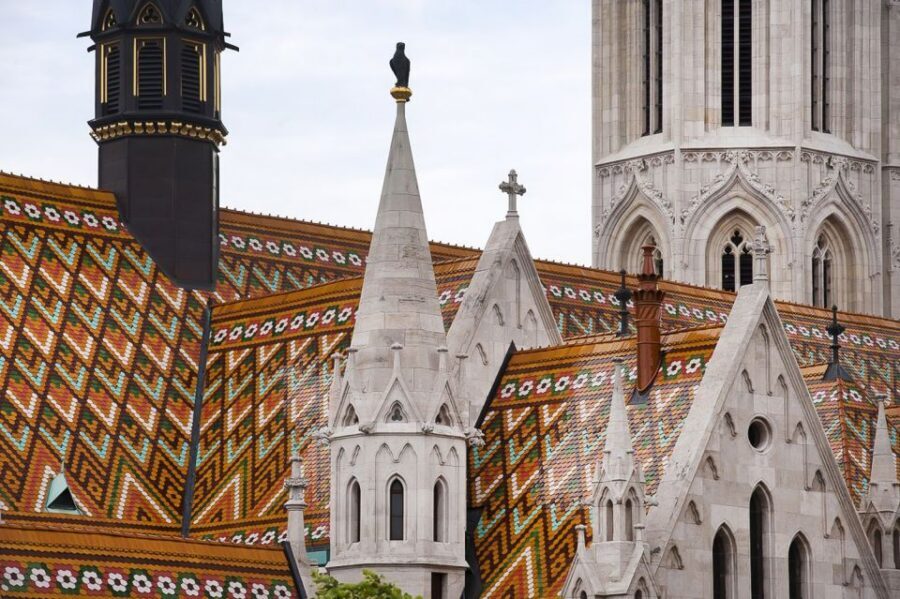
Once you reach the Buda Castle area, the city starts to feel older and more layered. The tour includes the fortified Buda Castle environment, where you can sense how defensible and strategic this hilltop has always been. It’s not just scenic; it’s a real geographic advantage that shaped the way Budapest developed.
In this area you’ll also see the kind of architecture that tells you the city has changed hands and adapted over centuries. That’s where the guide’s job becomes crucial. Without narration, Castle Quarter sights can look like “pretty buildings.” With the Italian explanations, you get context for why these places mattered—conquest, rule, and later democratic change—so you connect what you’re looking at to what shaped the country.
You can also read our reviews of more tours and experiences in Budapest






Matthias Church and Fisherman’s Bastion: the classic skyline payoff
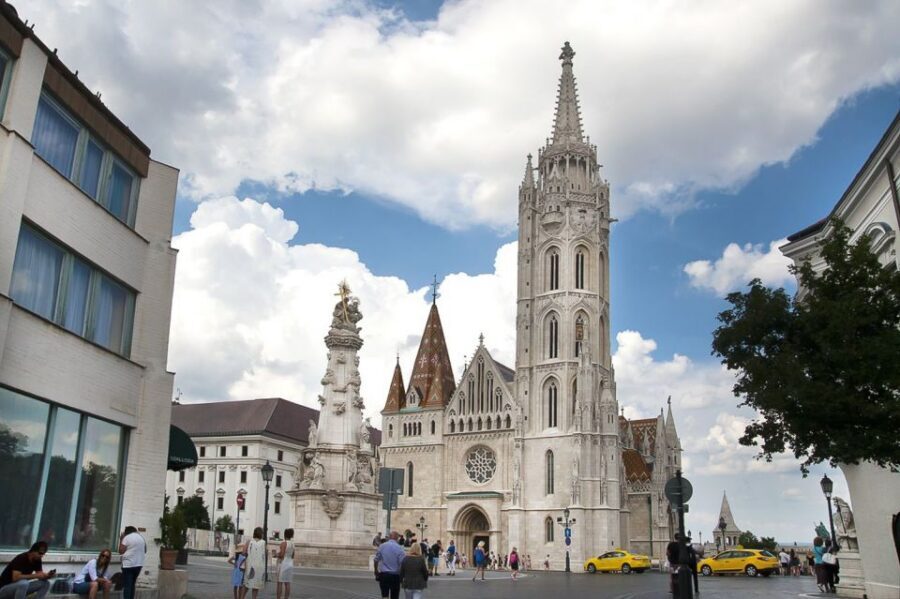
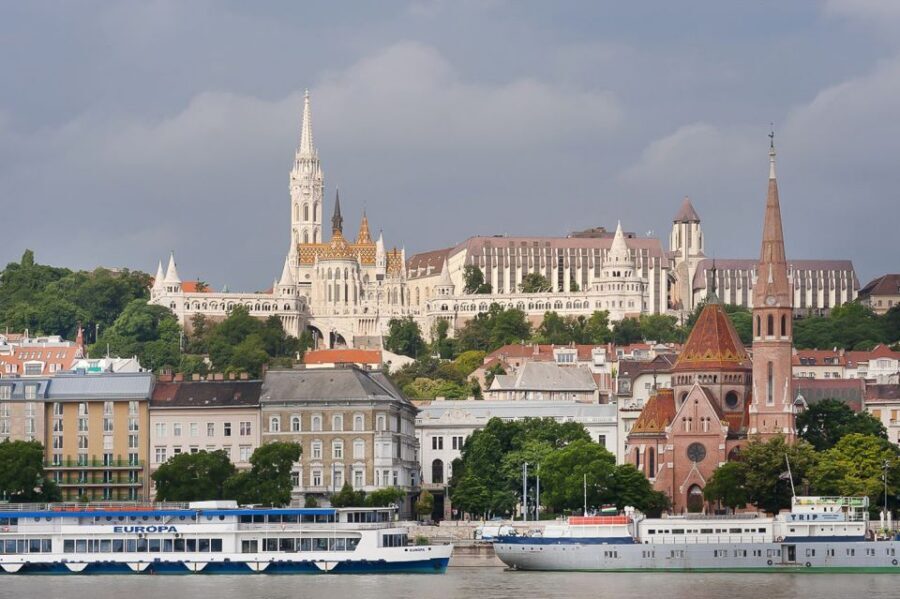
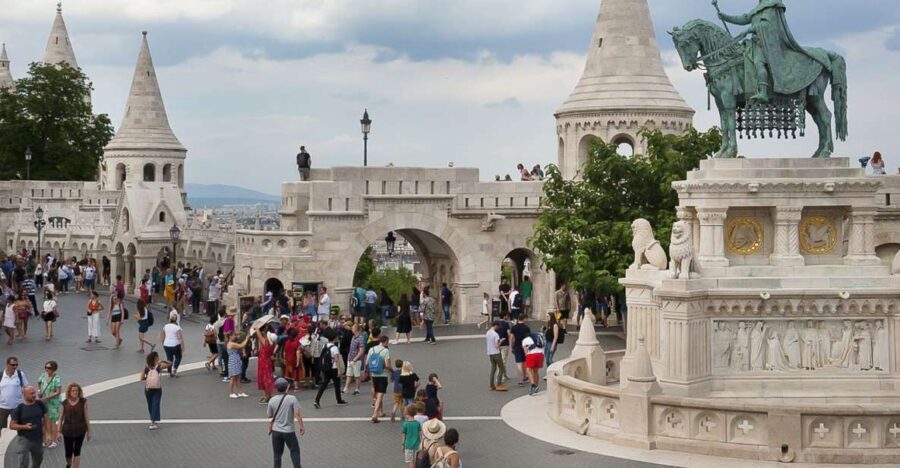
Two stops really earn their reputations here: Matthias Church and Fishermen’s Bastion. Matthias Church is Gothic architecture at its most expressive, and it’s the kind of building where details reward your attention even if you’re just walking past quickly. If you like buildings with character, this is where you’ll slow down without being told.
Then Fisherman’s Bastion delivers the payoff—those panoramic viewpoints where the city looks arranged for postcards. Even if you’ve seen Budapest images before, getting this perspective in person helps the river and hilltop geography click. This is one of those “now I get it” moments that makes short tours feel worth it.
What the history lesson adds (and how to enjoy it)
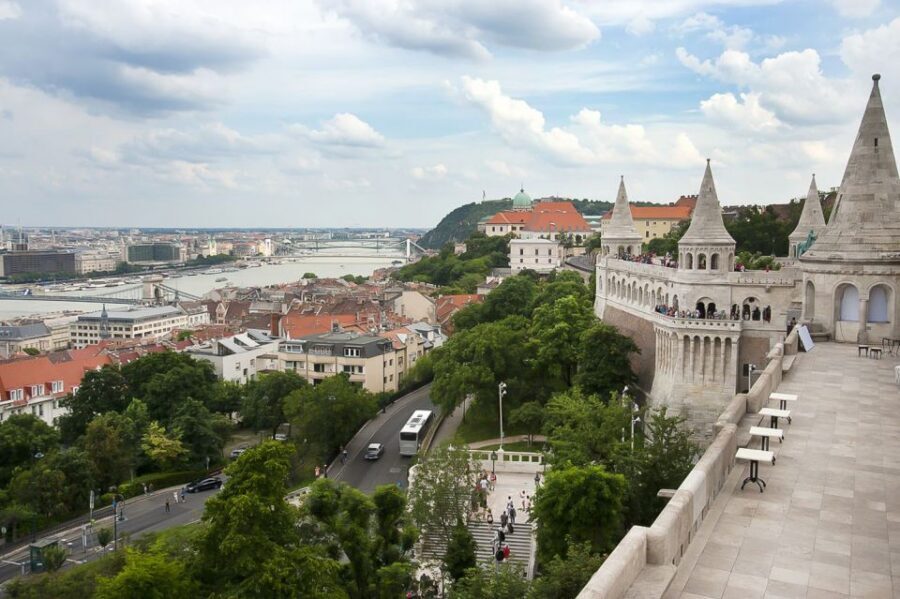
The tour promises an outline of Hungary’s turbulent 1,100 years—from conquest to modern democratic changes. You’ll hear it in a way that stays tied to what you can see: churches, castles, palaces, and government buildings.
Here’s the practical tip: don’t try to memorize dates. Use the history as a way to interpret the visuals. When your guide points out why a site looks the way it does, or why a place became important, you’ll understand the “why” behind the “what.” That’s the difference between a walk you forget and a walk you keep remembering.
Also, I appreciated that the format is interactive. The guide answers questions along the way, which is ideal if you’re the type who wonders how a building survived wars, or why a certain neighborhood feels like it has its own personality.
Italian guides you might be with (and what that signals)
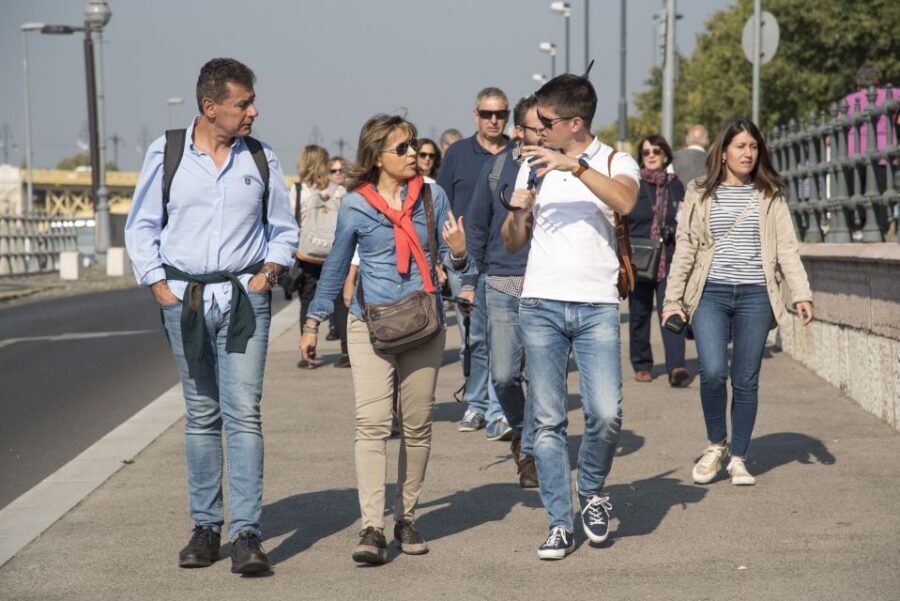
One thing that stood out from the guides mentioned is how consistently friendly and prepared they were. Names I saw attached to recent bookings include Caterina, Katalin, and Elisabetta. The common thread: clear explanations, good energy, and a willingness to make the walk feel personal.
If you’re learning Italian or you just want the bonus of hearing the city in Italian, this tour fits nicely. Even if your Italian is basic, you’ll still catch key names of places and the flow of the story, because the tour is anchored in visible landmarks.
Price and what you’re really paying for
The price is $41 per person for a 3-hour walking tour with an Italian-speaking guide. You’ll also pay for public transport tickets separately: 1400 HUF total for 4 tickets per person.
To me, the value comes from coverage and explanation. In three hours, you’re getting the Pest-side landmark (St. Stephen’s Basilica), the Buda Castle environment, major architectural highlights like Matthias Church, and the viewpoint payoff at Fisherman’s Bastion. And unlike a “free time” sightseeing loop, you don’t need to figure out the story yourself—the guide gives it to you while you’re already there.
If you’re traveling with someone who wants history but also wants time to look around, this structure balances both. If you’re ultra-focused on a single monument, you might prefer a longer, more specialized visit—but for first-time orientation, this is strong.
What to bring, and the dress code reality check
Bring comfortable shoes. You’ll be walking through the oldest parts of the city and standing to look at views. On top of that, plan for weather—Budapest can shift quickly, especially around the river and hill.
And do check the clothing rules: shorts and sleeveless shirts are not allowed. It’s a small detail, but it can ruin your day if you show up underdressed for a religious/ceremonial area.
Who this tour is perfect for (and who might want something else)
This tour is ideal if you’re:
- In Budapest for a short stay and want the top sights grouped into one route
- The type who likes guided context, not just wandering
- Traveling as a couple or solo traveler and want a built-in Q&A
It’s also suitable for all types and ages, since the duration is only 3 hours and the stops are clustered in the city’s central historic zones. If you have major mobility limits, you might find the walking portion more challenging; the tour does not suggest special accessibility accommodations in the info provided.
Should you book Budapest 3-Hour Walking Tour in Italian?
I’d book it if you want a fast, guided introduction that connects Pest and Buda into one clear story. The pairing of St. Stephen’s Basilica, Buda Castle, Matthias Church, and Fishermen’s Bastion is a smart use of time, and the Italian-speaking guides named in recent bookings (like Caterina, Katalin, and Elisabetta) suggest the experience is handled with care.
Skip it if you want a deep, museum-style pace or you’re coming with a strict single-sight obsession. Also, if you’re planning to wear shorts or a sleeveless top, adjust your outfit in advance so you don’t get turned away.
If you’re aiming to understand Budapest quickly and enjoy the best viewpoints without juggling logistics, this is a solid, good-value way to start.
FAQ
How long is the Budapest 3-Hour Walking Tour in Italian?
It lasts 3 hours.
Where is the meeting point?
You meet next to Saint Stephen’s Basilica, in front of California Coffee Company.
What language is the tour guide?
The tour guide speaks Italian.
What is included in the price?
An Italian-speaking tour guide is included.
Are public transport tickets included?
No. Public transport tickets are not included.
How much do the public transport tickets cost?
You need 4 tickets per person, for a total of 1400 HUF.
What do I need to bring?
Comfortable shoes.
Is there any dress code?
Shorts and sleeveless shirts are not allowed.
What group sizes are offered?
Private or small groups are available.
Is free cancellation available?
Yes, you can cancel up to 24 hours in advance for a full refund.