REVIEW · BUDAPEST
Budapest: Castle District Walking Tour
Book on GetYourGuide →Operated by Triptobudapest.hu - Free Budapest Walking Tours · Bookable on GetYourGuide
Castle Hill tells stories with the right guide. This Buda Castle Hill walking tour strings together the best sights and the key context, so you’re not just sightseeing—you’re getting the why behind it all in about 2 hours.
What I like most is the way the guide turns landmarks into real stories. Guides such as Gary, Dora, and Boulash are praised for answering questions on the spot, sharing memorable anecdotes, and explaining details like what you’ll see on religious symbols at the churches, plus the funny link between Walt Disney and Fisherman’s Bastion.
One thing to plan for: this area is hilly. You’ll do a short uphill push and you should expect stairs along the way, so it’s not ideal for wheelchair users, and it can be tough if you’re coming with a stroller or anyone who struggles with steps.
In This Review
- Key things to know before you go
- Batthyány tér meeting point: where your tour actually starts
- Castle Hill terrain: expect stairs, not a flat stroll
- From Buda Castle zone to Matthias Church: how the stones get explained
- Fisherman’s Bastion viewpoints: photo stops with real context
- Underground Castle Hill and defense spaces: a different way to read the hill
- Medieval Jewish Prayer House, baroque homes, and the Gül Baba thread
- WWII scars, power stories, and who lived where
- Public art, huszár fighters, and the Turul bird of Hungary
- The Pest-side panorama and your post-tour momentum
- Price and tips: what $2.27 really means for your budget
- Should you book the Castle District walking tour?
- FAQ
- Where is the meeting point?
- How long is the walking tour?
- Is the tour in English?
- What should I bring for the walk?
- Is the tour suitable for wheelchairs or strollers?
- What fitness level do I need?
- Is this a small group tour?
Key things to know before you go
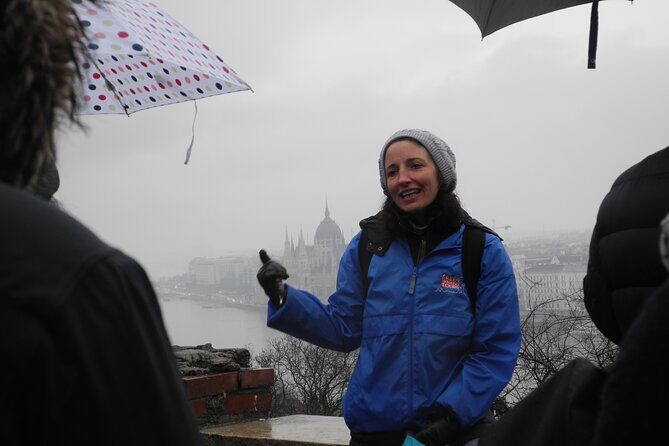
- Start point is clear: Batthyány tér metro exit, about 15 meters from St. Anna Church, with a blue flag.
- A tight route that hits the classics: Buda Castle area, Matthias Church, Fisherman’s Bastion, plus viewpoints and smaller stops.
- You’ll hear the 800-year story: wars, occupations, and everyday life across German, Jewish, and Hungarian communities.
- More than surface sightseeing: expect talk of underground defense spaces and cave/labyrinth areas.
- Panorama time is built in: Danube and Pest-side views from terraces.
- Small group feel: up to 30 people, with a note that groups of 8+ can’t book.
Batthyány tér meeting point: where your tour actually starts

You meet at Batthyány tér metro exit, roughly 15 meters from St. Anna Church. Look for a guide holding a blue flag—that’s the easiest way to find them fast, even if you’re arriving from the metro and the streets look busy.
Before you set off, take care of the small stuff that makes walking tours smoother. Wear shoes you can trust on uneven stone. Bring water. And if weather is doing something dramatic, dress for it—you’re on an exposed hill, and you’ll be moving for the full time.
This is aimed at international visitors, and the style is very “show you the route, explain what matters, answer your questions.” If you like structure (and don’t want to spend your limited Budapest time figuring out where everything is), this setup is a good fit.
You can also read our reviews of more walking tours in Budapest



Castle Hill terrain: expect stairs, not a flat stroll
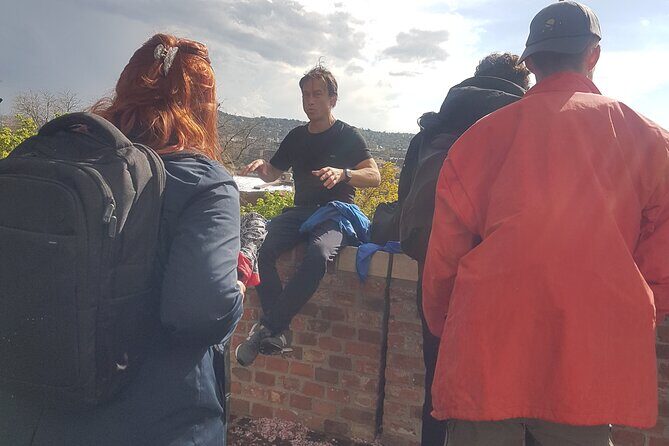
Let’s be honest about the uphill. You should plan for a 10-minute uphill walk, plus steps and changes in elevation. Most of the sights in the Castle District sit across terraces connected by stairs, and this tour keeps you moving between them.
The tour is marked as not suitable for wheelchair users, and it’s not the right choice if “lots of stairs” is your personal enemy. It’s also not appropriate for people over 95. If you’re traveling with limited mobility, it’s smarter to choose a version of the Castle area tour that’s built for your pace and your route needs.
On the plus side, guides have a reputation for keeping people together. In particular, one guide (Andras) was noted for waiting until everyone caught up before going into explanations. Still, don’t assume the pace will be effortless—this is a hill town, not a museum floor.
From Buda Castle zone to Matthias Church: how the stones get explained
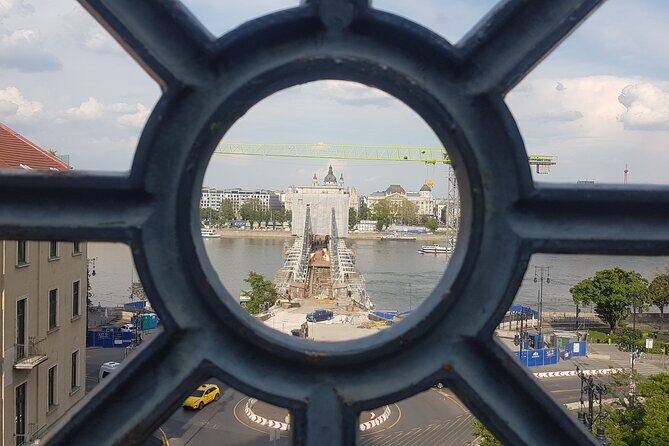
The walking route is built around the Castle District’s big-name landmarks, but the real value is the narration that stitches them together.
You’ll start in the heart of the Castle District area and work your way through the key sites tied to Budapest’s layers of power. The tour includes the areas around the Royal Palace and the Matthias Church, and the guide explains what makes them more than postcard stops.
You should expect a lot of “what you’re seeing and why it looks that way” talk. That includes the broader timeline—about 800 years of the area serving as a stage for wars, occupations, and changing communities. The guide also frames daily life in the district for German, Jewish, and Hungarian populations, which turns the neighborhood into something you can picture, not just something you can photograph.
Matthias Church is where many people want to linger, and you’ll see it through the lens of the guide’s commentary rather than rushing through it. If you enjoy learning how architecture reflects politics and belief, you’ll get a lot out of this portion.
Fisherman’s Bastion viewpoints: photo stops with real context
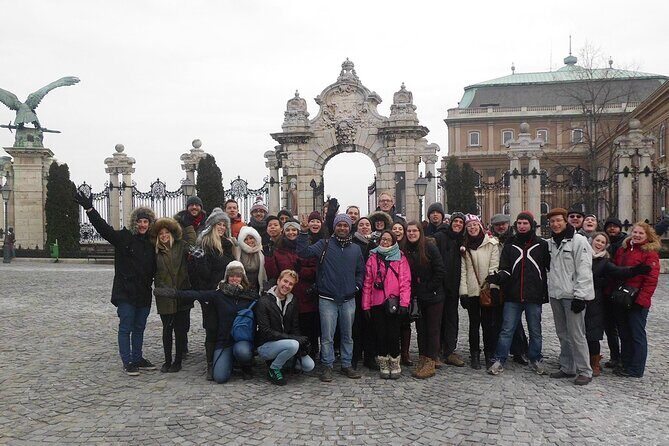
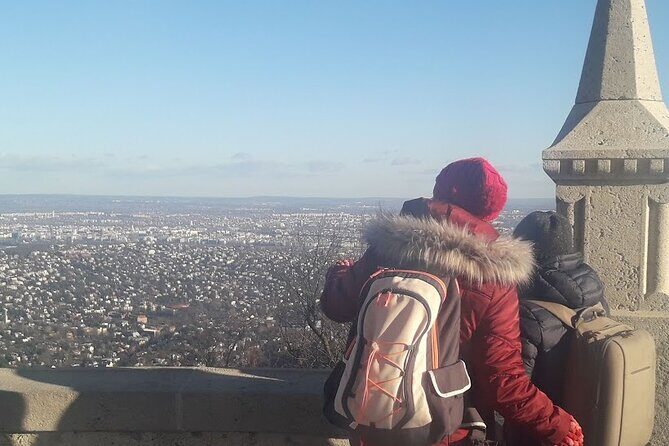
Fisherman’s Bastion is famous for the views—and for a reason. You’ll get to enjoy the terraces and the Pest-side panorama of the Danube from this higher vantage point. That’s the moment when the hill makes sense: Budapest looks like it was designed for angles and light.
But the guide doesn’t only point and pose. You’ll also get a few of the fun details that make the stop stick in your memory. The tour includes a connection between Walt Disney and Fisherman’s Bastion, plus an explanation of how certain religious symbols work—like the difference between a cross with one, two, or three strips.
There’s also the “free view from Castle Hill” idea, which matters because it gives you a strategy. If you’re the type who likes to plan your photos, you’ll come away knowing when and where you can get strong views without wasting time hunting for the perfect spot alone afterward.
If you’re the only one in your group who always wants one more photo, this stop is still manageable. It’s part of the organized route, so you’re not trapped waiting around without moving.
Underground Castle Hill and defense spaces: a different way to read the hill
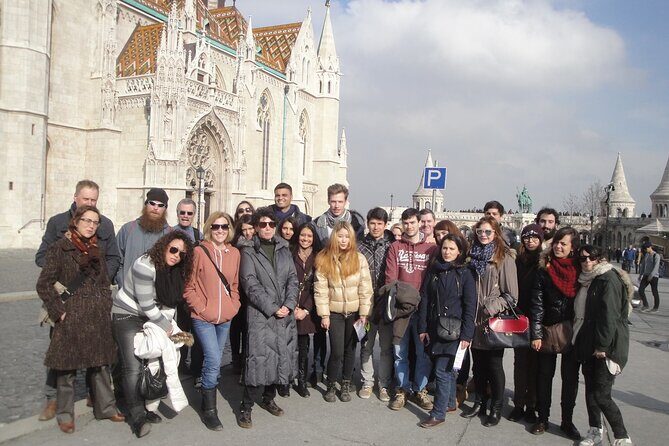
One of the most interesting parts of this tour is the emphasis on what’s under your feet. The walk includes discussion of underground Castle Hill—labyrinths and an underground cave system tied to the area’s defensive role over the centuries.
You might think of the Castle District as surface-level sightseeing: churches, walls, towers. This portion flips that idea. When your guide connects history to the physical design—how the area protected people and strategic points—you start noticing the hill as a system, not just a view.
You’ll also learn where major destruction happened in World War II, including where a Nazi stronghold was. This is heavy material, but it’s usually made clearer by linking it directly to the sites you’re walking past.
If you’re a history nut, you’ll love the way the guide handles big dates and big conflict without turning the tour into a lecture. And if you’re not a history nut, you’ll still get the “why is this here?” answers that make the district feel coherent.






Medieval Jewish Prayer House, baroque homes, and the Gül Baba thread
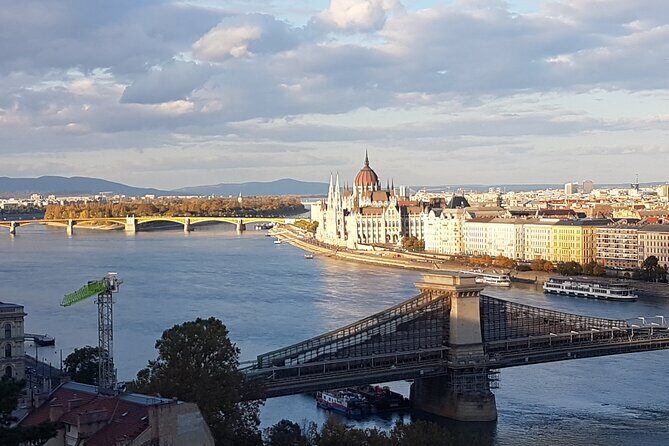
This tour doesn’t treat the Castle District as one community and one storyline. It covers shifting populations and belief systems—so the area feels more like a lived-in neighborhood through time.
A key stop here is the Medieval Jewish Prayer House, along with beautiful baroque residential buildings around it. The guide explains connections between communities and everyday life in the district. That matters because it changes how you look at the architecture: you’re not only admiring style, you’re recognizing the human story around it.
The tour also brings in the Ottoman-era thread through Gül Baba, described as an Ottoman Turkish monk and soldier, and a Muslim site of pilgrimage. You’ll hear how the Castle District connects to different waves of rule and faith, which is exactly what you want in a place with so many layers.
If your brain likes timeline puzzles, this section will give you pieces to sort. If it’s not your thing, still take it in—these are the kinds of details that make Budapest feel specific, not generic.
WWII scars, power stories, and who lived where
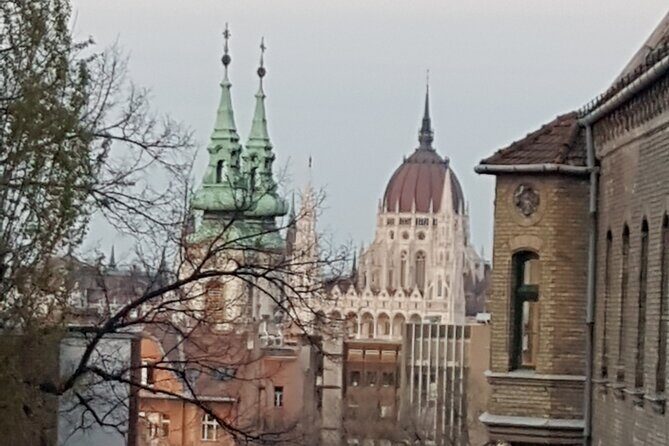
Budapest’s Castle District is packed with hints about status: who lived near power, where rulers operated, and how the district changed after destruction.
During the tour, you’ll hear about massive WWII destructions and the location of a Nazi stronghold. That kind of context makes the physical layout feel less random. It also helps you understand why so many parts of the area were rebuilt multiple times because of war damage—especially around the massive building that once served as a residence of the Hungarian kings.
You’ll also learn about where the rich Hungarians live and see the area connected to the president and prime ministers’ offices. Even if you don’t go inside, knowing what function the buildings served tells you what to look for.
This is where a strong guide earns their pay. Guides like Rita and Odea are praised for keeping people engaged with stories and structure, including quick question-and-answer moments and historical anecdotes that don’t feel like trivia dumps.
Public art, huszár fighters, and the Turul bird of Hungary
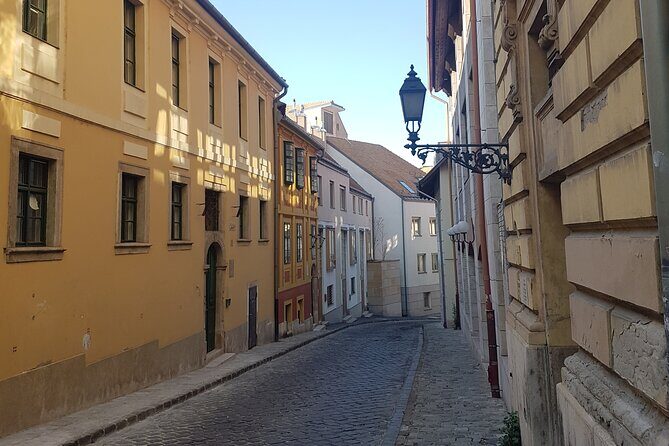
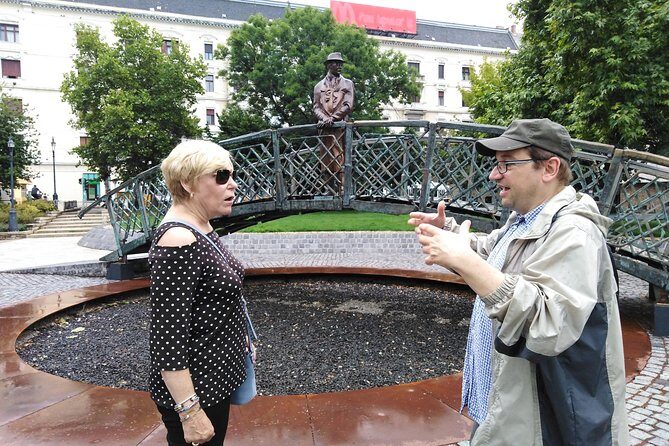
The Castle District has humor in it if you know where to look. Part of the tour includes urban public art mini monuments and “funniest” public statues in Budapest.
You’ll also learn about the huszár—womanizer light cavalry fighters—and the guide uses these cultural references to make history feel human. It’s a smart technique: you remember people and nicknames, not just reign dates.
Another memorable detail is the mythical bird of the Hungarians, the Turul. You’ll see where it fits into the story of identity in the area. If you’ve ever wondered why certain symbols keep showing up across Hungary, this tour gives you at least a first handle on it.
And yes, you can expect tricky question moments about major landmarks and life in the Castle District. That turns the route into a gentle game, and it’s one of those small features that makes a 2-hour tour feel longer—in the good way.
The Pest-side panorama and your post-tour momentum
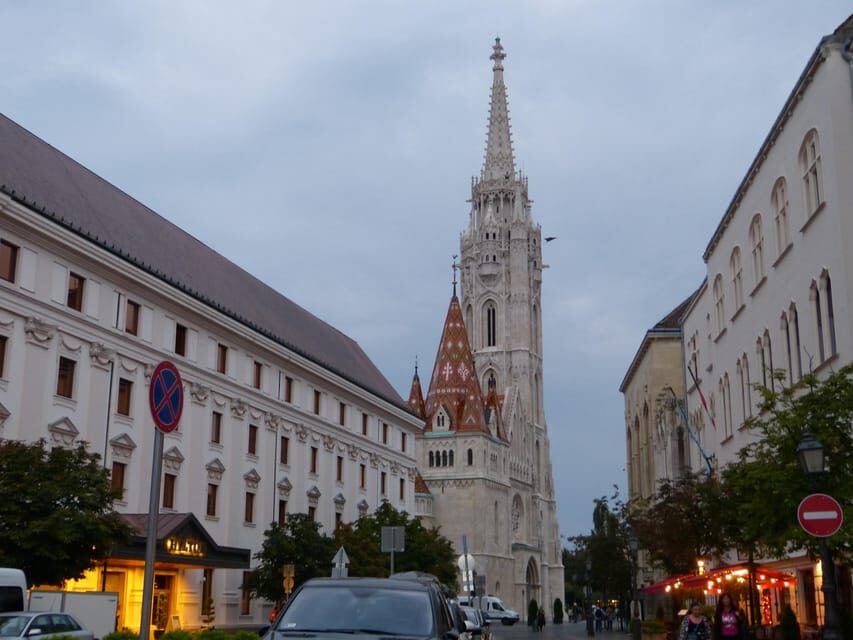
Toward the end, you get the views you came for. Soak in the panorama of the Pest side of the Danube from the terrace viewpoints, then use the final stretch to ask any remaining questions.
This matters because the guide doesn’t only educate; they also help you connect dots. Many guides in this tour format are praised for sharing recommendations after the walk—restaurants and other things to do—so the time you spend here keeps paying off after you leave the hill.
When you finish, the tour ends back at the meeting point (Batthyány tér metro exit). That’s practical. You’re not dropped somewhere that forces you to plan your next move under stress.
Price and tips: what $2.27 really means for your budget
The listed price is extremely low—$2.27 per person—for a 2-hour, English-language guided walk covering major landmarks and extra storytelling. At face value, it’s remarkable value.
That said, there’s also a booking fee that goes to Get Your Guide for administration and marketing, and the tour itself includes the expectation that you might tip your guide. The guidance given is that most guests tip around €10 per person, with some tipping more. Since the guide is doing real work—walking with you, managing questions, handling a route with stairs and terraces—this tip is where the “value” often becomes “fair.”
If you’re traveling with a tight budget, this tour stands out because it packages a lot of information for very little base cost. If you’re the type who rarely tips, plan to either tip appropriately or choose a different tour model that doesn’t rely on tips. Otherwise, the value math can feel off in the moment.
Small group limits also help. With a maximum of 30 travelers, you’re more likely to hear explanations clearly and ask questions without being swallowed by a huge crowd. There’s also a rule that groups of 8 or more aren’t allowed to book, even if split separately, which is designed to keep the vibe from getting too big.
Should you book the Castle District walking tour?
Book it if you want a guided route through the Castle District’s biggest sights plus the context that makes those sights make sense. You’ll get a strong mix of landmarks (Royal Palace zone, Matthias Church, Fisherman’s Bastion) and the storytelling threads that bring the hill to life (underground defense spaces, WWII destruction, Gül Baba, the Jewish prayer house area, and all the little cultural symbols like the Turul and huszár).
Skip it or look for an alternative if stairs and steep walking are a problem for you. This isn’t presented as an easy stroll, and it isn’t set up for wheelchair use. If you need step-free options, you’ll have a rough time carrying your comfort through the climb.
If you’re an international traveler who likes to get orientation fast—this tour is a smart first move on a Budapest Castle day. It gives you bearings, viewpoints, and the kind of “oh, that’s why it’s there” knowledge that makes the rest of the district feel easier to explore on your own.
FAQ
Where is the meeting point?
You meet at the Batthyány tér metro exit, about 15 meters from St. Anna Church. Look for your guide holding a blue flag.
How long is the walking tour?
The tour is 2 hours. Start times depend on availability, so you’ll need to check what’s offered.
Is the tour in English?
Yes. The tour guide provides the tour in English.
What should I bring for the walk?
Bring comfortable shoes, water, and weather-appropriate clothing.
Is the tour suitable for wheelchairs or strollers?
It is not suitable for wheelchair users. The route includes stairs and an uphill walk, so it may be difficult if you’re using a stroller or anyone who struggles with steps.
What fitness level do I need?
The tour is listed as requiring moderate physical fitness and includes a 10-minute uphill walk. It also notes restrictions for people over 95.
Is this a small group tour?
Yes. The tour has a maximum of 30 travelers. It also states that groups of 8 or more people are not allowed to book.